
Veterinary & Affiliate Disclaimer: Bunnyowners.com shares educational rabbit care resources, not professional veterinary advice. Always consult a qualified veterinarian regarding your rabbit’s medical, dietary, or behavioral needs. This post may also contain affiliate links; as an Amazon Associate and affiliate partner, we earn from qualifying purchases at zero extra cost to you.
The Quick Answer: Which Gender is Better?
Male rabbits (bucks) are generally better for first-time owners because they tend to be more affectionate, outgoing, and laid-back. Once neutered, they are statistically less territorial than females. Female rabbits (does) are ideal for owners who prefer an intelligent, independent, and “busy” pet. While they take longer to bond, their loyalty is deeply rewarding. Regardless of gender, spaying or neutering is mandatory to eliminate aggressive hormonal behaviors and prevent life-threatening cancers.
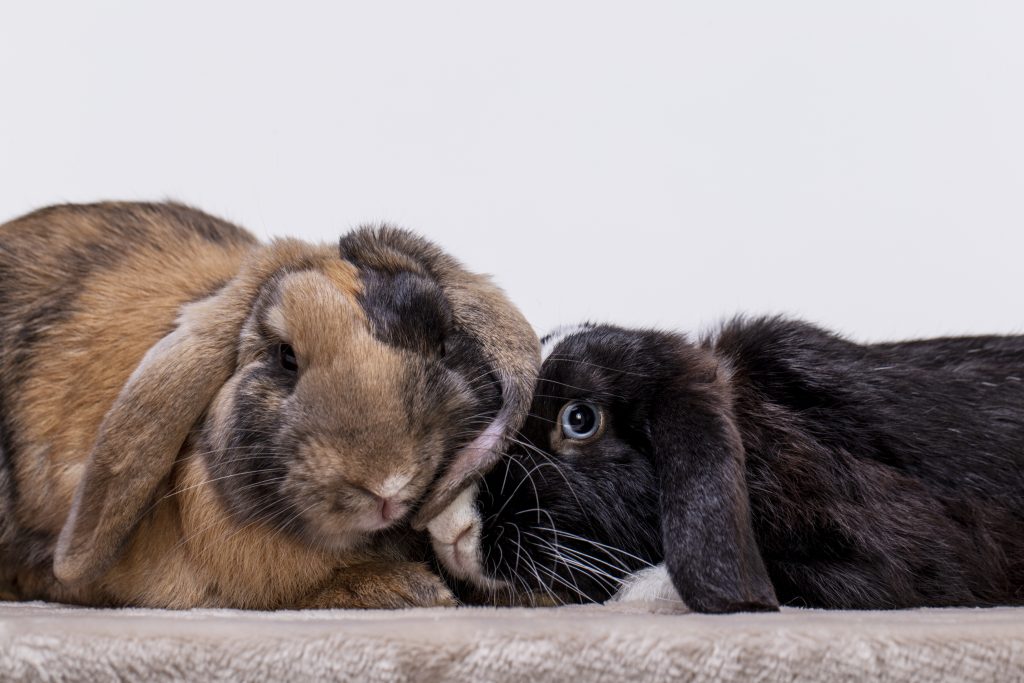
Choosing a rabbit is a decade-long commitment often decided in a five-minute pet store visit. As a researcher, I’ve moved beyond these tropes to analyze biological data, using my own bonded pair, Chino and Mocha, as a primary longitudinal study. Daily observation reveals that their behaviors aren’t just “personalities”—they are ancestral survival mechanisms. In the wild, males serve as the scouts and social diplomats, while females act as the architects and fierce defenders of the warren.
In our living room, Chino, acting as our resident “scout,” is the first to follow me into the kitchen or investigate a new box. Meanwhile, Mocha, our “architect,” will spend hours “tunneling” into the carpet or meticulously reorganizing her hay to meet her structural standards. Understanding these biological blueprints—and seeing them in action with Chino and Mocha—is the clinical key to matching a rabbit’s evolutionary drive to your specific lifestyle.
Behavioral Deep Dive: The Personality Spectrum
The Social Dynamics of the Buck
Males, typically display “linear social needs.” Their primary drive is social inclusion within the “colony” (your family). According to behavioral studies archived by the The National Institutes of Health, suggest neutered males are significantly more likely to initiate physical contact. They are the masters of the “flop”—the ultimate sign of rabbit relaxation—often doing so right against your leg.
However, an unfixed buck is a slave to his testosterone. He may engage in “courtship” behaviors such as circling your feet while making a soft oinking sound known as “honking.” While this sounds endearing, it is almost always followed by territorial spraying—a projectile urine habit that is notoriously difficult to clean. If you are struggling to interpret these signals, refer to my Definitive Rabbit Behavior Guide to distinguish between affectionate play and hormonal drive.
The Independent Intelligence of the Doe
Females, are the “CEOs” of the rabbit world. A doe’s survival in the wild depends on her ability to maintain a secure, private nesting territory. Consequently, she is naturally more observant and cautious. She doesn’t usually give her affection away for free; you have to earn it through consistent, low-pressure interaction.
Once that bond is formed, it is incredibly robust. Does are often more “busy” than bucks. They spend their time investigating every corner, checking for environmental changes, and “reorganizing” their toys. If you enjoy watching a pet solve complex spatial puzzles, a high-IQ doe is your perfect match.
Beyond the Binary: The Role of Breed
It is a mistake to view gender in a vacuum. A male Netherland Dwarf (a breed known for being spicy) may still be more “difficult” than a female Flemish Giant (known for being “gentle giants”). For more nuanced breakdowns, explore my many Rabbit Behavior Guides where I cross-reference gender traits with specific breed temperaments.
Gender Comparison at a Glance
| Feature | Male Rabbit (Buck) | Female Rabbit (Doe) |
| Primary Vibe | Outgoing, “Shadow” personality. | Observant, Independent, “Queen.” |
| Bonding Speed | Usually 2–4 weeks. | Usually 1–3 months. |
| Intelligence Style | Food-motivated, trick-oriented. | Spatial-motivated, problem-solvers. |
| Hormonal Sign | Sprays urine, circles feet (Honking). | Swats/Lungs, grunts (Boxing). |
| Anatomical Mark | Blockier head, thicker neck. | Prominent dewlap (neck fold). |
The “Second Puberty”: Surviving the Hormonal Surge
The Male Surge: The Pursuit of Territory
Between 4 and 8 months, bucks hit a hormonal wall. They become restless and may suddenly “forget” their litter training. This is when they begin “chinning”—rubbing a scent gland under their chin on everything you own. This is a claim of ownership. If left intact, this phase can lead to persistent aggression and frustration.
Tip for owners: If your rabbit suddenly hits this surge, increase their exercise time and forage-based toys to channel that excess hormonal energy until their surgery date.
The Female Surge: The Nesting Instinct
The female surge is often more intense and stressful for the owner. Does can experience “false pregnancies,” where they pluck their own chest fur to line a nest for babies that will never arrive. During this window, they become extremely protective of their “den” (their cage or pen).
House Rabbit Society emphasizes that these behaviors are entirely hormonal. Spaying or neutering is the only way to “unlock” the sweet pet hidden under these overwhelming instincts.
Physical and Anatomical Nuances

The Dewlap: The Functional “Double Chin”
Mature females develop a “double chin” of fur called a dewlap. As a researcher, I’ve found this to be one of the most misunderstood features. In the wild, it provides a localized, safe-to-pluck source of soft fur for nesting. While some overweight males develop a small fold of skin, a true, prominent dewlap is a classic female secondary sex characteristic.
Sexual Dimorphism and Armor
In many breeds, females grow 10-15% larger than males. Conversely, mature bucks often develop wider, blockier heads and thicker skin around the neck—an evolutionary armor trait to protect them during fights with other males. If your rabbit has a very “round” face, it’s often a buck; if the face is more elongated and elegant, it’s likely a doe.
Health Risks: The Life-Saving Spay
The Uterine Cancer Epidemic
This is the most critical section of this guide. Statistics from VCA Animal Hospitals show that 60-80% of unspayed female rabbits develop uterine cancer by age 4. This isn’t a “possibility”—it is a statistical likelihood. Spaying is a non-negotiable part of female rabbit ownership if you want them to live past their fifth birthday.
Male Health Considerations
While males have a lower risk of reproductive cancers, intact bucks are prone to testicular cancer and perianal gland infections. Furthermore, the stress of constant hormonal frustration can lead to a suppressed immune system, making them more susceptible to GI stasis—the “silent killer” of rabbits.
Training and House Manners
Litter Training Efficiency
- Males: Motivated by social boundaries. Once neutered, they generally want to keep their “territory” clean to avoid offending the “colony leader” (you).
- Females: Motivated by nesting instincts. They naturally want a clean area for sleeping and a separate area for “business.” PDSA notes that females are often the “cleanest” pets once fixed.
Home Destruction: Diggers vs. Chewers
- The Diggers (Does): Does have an instinctual drive to expand their “warren.” If you have carpets, you must provide them with digging boxes or they will destroy your flooring in a matter of hours.
- The Chewers (Bucks): Bucks often focus on vertical destruction—baseboards and dangling wires. They see a wire as a “root” blocking their path and will snip it instantly.
The 2026 Comprehensive Cost Guide
| Category | Male (Buck) | Female (Doe) | Frequency |
| Initial Purchase/Adoption | $20 – $150 | $20 – $150 | One-time |
| Spay/Neuter Surgery | $150 – $350 | **$300 – $650** | One-time |
| Housing & X-Pen Setup | $150 – $400 | $150 – $400 | One-time |
| RHDV2 Vaccine | $150 – $250 | $150 – $250 | Yearly |
| Premium Timothy Hay | $30 – $50 | $30 – $50 | Monthly |
| Emergency Vet Fund | $500+ | $500+ | Recommended |
Evolutionary Biology: Why They Act This Way
The Female Warren Master
In the wild, females stay in the same warren their entire lives. They are the architects. This is why Mocha gets so upset if I move her cardboard castle—to her, I am a clumsy giant destroying a structural support beam she spent days “perfecting.”
The Male Wanderer
Young bucks often leave their birth warren to find new groups. They must be socially adaptable to survive. This is why Chino is much more forgiving when a stranger enters the room; he’s evolved to be a social diplomat.
Strategic Pairing: Why Not Both?
The “Gold Standard” Bond
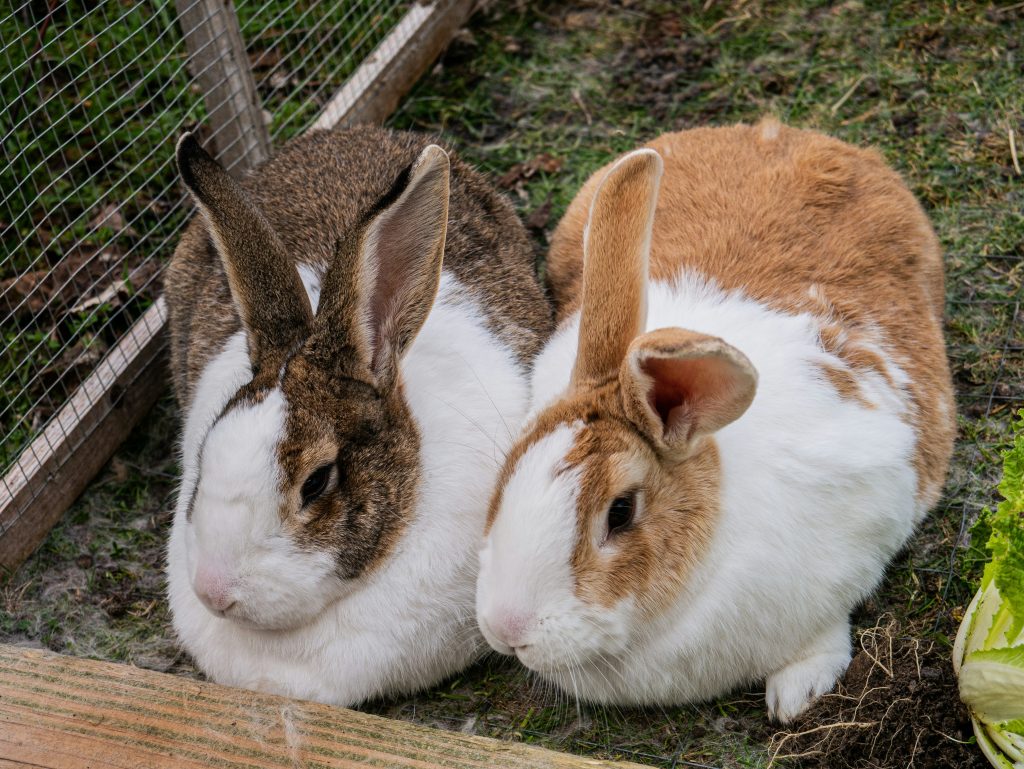
SaveABunny identifies the Neutered Male + Spayed Female as the premier pairing. In this dynamic, the male’s laid-back nature complements the female’s assertive personality.
Same-Sex Challenges
Two males will often fight for dominance, even when fixed. Two females may engage in “grudge matches” over nesting territory. If you want a peaceful house, the boy-girl dynamic is the safest route to a bonded pair.
The Responsible Buyer’s Checklist
| Objective | Criteria for Success |
| Socialization | Kit approaches the hand; does not cower or “freeze.” |
| Health Check | Clear eyes, no nose discharge, no “clumping” on paws. |
| Genetics | Parents have no history of malocclusion (dental issues). |
| Breeder Ethics | Breeder asks you about your vet and cage size. |
| Diet | Kit is eating high-quality hay (not just alfalfa/pellets). |
Gender-Specific Checklist Additions
- For the Buck (Male): * [ ] Verify the “Plumbing”: Ask the breeder to “sex” the rabbit in front of you. Mistakes are common in young kits.
- [ ] Spraying Signs: If buying an older “retired” buck, check the cage corners. Excessive yellow staining high on the walls indicates a heavy sprayer.
- For the Doe (Female): * [ ] Dewlap Check: In older does, ensure the skin under the chin is dry and free of “moist dermatitis” (skin rot from dipping into water bowls).
- [ ] Territoriality Check: Note if the doe “boxes” (swats) when the breeder opens the cage. This is an early sign of a high-territory instinct.
Environmental Impact: Tailoring Your Home
Bunny-Proofing for Bucks
Protect your “perimeters.” Bucks mark by rubbing their chins on corners. Clear plastic corner guards can save your paint job from the oils in their scent glands.
Enrichment for Does
Does love a multi-level castle. A simple cardboard “condo” with at least two exits will make a female feel secure. BinkyBunny is the gold-standard resource for DIY habitat inspiration.
The “Welcome Home” Shopping List
| Item | Focus for Bucks | Focus for Does |
| Litter Box | High-backed (to prevent spraying over the edge). | Large and sturdy (to prevent flipping/moving). |
| Protection | Baseboard covers and wire loom. | Rug remnants or “digging-safe” floor mats. |
| Enrichment | Vertical tossing toys (plastic keys, cups). | Horizontal logic puzzles and digging boxes. |
| Housing | Tall X-Pen (36″+ to prevent jumping). | Multi-level cardboard castle with tunnels. |
| Grooming | Standard slicker brush. | Same, plus extra vigilance for dewlap cleanliness. |
Rabbit Gender FAQs: Your Questions Answered
Q: If I get a male and female together, how fast can they reproduce?
A: “Rabbits breed like rabbits” is no joke. They can reproduce as early as 3–4 months. Crucially, a doe can get pregnant again immediately after giving birth. If you have an intact pair, they must be separated by a solid barrier until at least 4 weeks post-neuter for the male (as they can still be fertile shortly after the procedure).
Q: Do males or females smell worse?
A: Intact males (bucks) have a very strong, musky odor to their urine, often compared to a “skunky” smell. Females can also be smelly when in heat, but a neutered male and a spayed female generally have no discernible odor if their litter box is cleaned regularly.
Q: Is there a difference in how they respond to other pets (dogs/cats)?
A: In my experience, bucks tend to be more “oblivious” and therefore more courageous around other animals, provided they are properly introduced. Does are often more defensive and may “thump” more frequently if a dog enters their space.
Q: Which gender is more likely to bite?
A: Intact females are more prone to “territorial biting” (lunging at a hand entering their cage). However, once fixed, neither gender is inherently aggressive. Biting is usually a communication of fear or pain, not gender.
Q: Can I tell the gender just by looking at the face?
A: Not with 100% certainty. While mature bucks have “blockier” jawlines and does have sleeker, more elongated profiles, many breeds are too similar for visual ID. Only “vent sexing” by a vet or experienced breeder is reliable.
If you want a “buddy” who is likely to be affectionate and forgiving of your learning curve, a neutered male is the statistical winner. If you are an experienced owner who enjoys the challenge of building a relationship based on mutual respect, a spayed female will offer intelligence and complexity that is hard to beat. Chino and Mocha have taught us that while biology provides the map, your patience provides the destination.
Q: Do males or females live longer?
A: When fixed, both live 8–12 years. However, an unspayed female rarely lives past 5 due to the nearly 80% certainty of uterine cancer. In this regard, the “cost” of the spay surgery is actually an investment in several extra years of life.
Q: Which gender is quieter?
A: Both are silent pets, but their “thumping” (a sign of danger or annoyance) is equal. Bucks may “honk” more when excited or playing, while does may “grunt” if they are feeling bossy.
Final Verdict: The Researcher’s Conclusion
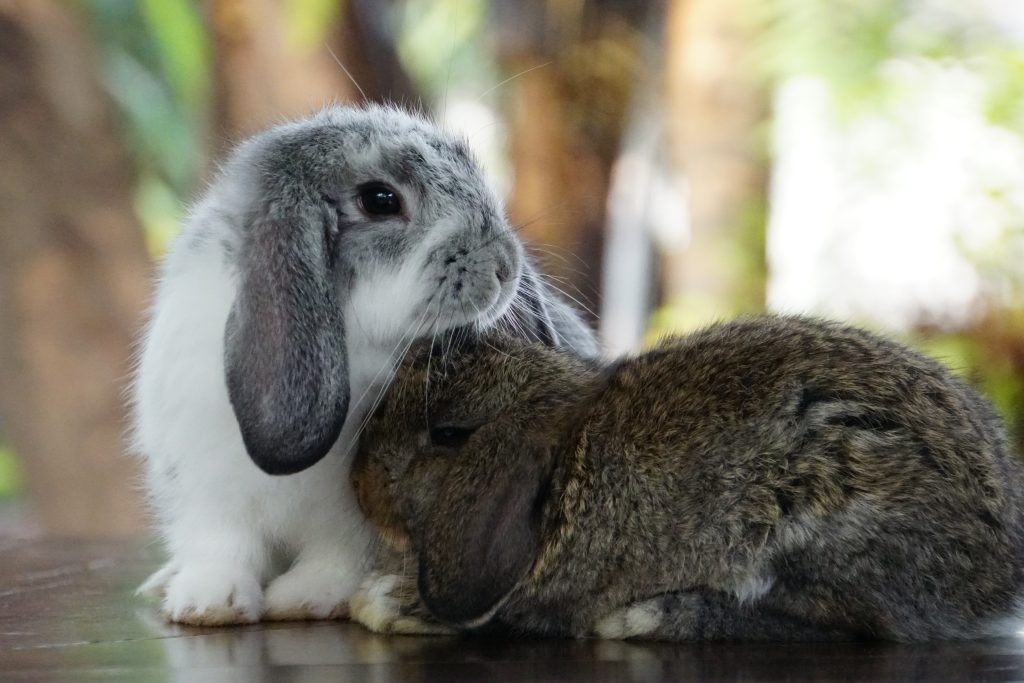
Ultimately, choosing between a buck and a doe is about matching an evolutionary blueprint to your personal lifestyle. If you are seeking a “shadow” companion—a rabbit likely to be more forgiving, overtly affectionate, and socially outgoing—a neutered male like Chino is your statistical winner. He is the ideal entry point for first-time owners who want a consistent, “golden retriever” style bond without the intensity of territorial “remodeling.”
However, if you are an experienced keeper who enjoys the challenge of earning a pet’s respect, a spayed female like Mocha offers unparalleled intelligence and complexity. While her “architectural” instincts require more robust bunny-proofing and patience, the loyalty of a doe is a high-tier reward. She isn’t just a pet; she is a clever, independent partner who will keep you engaged with her constant problem-solving and environmental “projects.”
Whichever gender you choose, remember that biology provides the map, but your environment and patience provide the destination. By spaying or neutering and respecting their natural instincts, you move beyond being a mere owner to becoming a well-informed partner in their social world. Whether you bring home a “scout” or an “architect,” the key to a decade of happiness lies in recognizing the wild science behind their domestic hearts.
Medical & Veterinary Disclaimer: Bunnyowners.com is an informational resource for rabbit owners and enthusiasts. We are not veterinarians. The content on this website is for educational purposes only and is not a substitute for professional veterinary advice, diagnosis, or treatment. Always consult a qualified veterinarian with any questions or concerns regarding your pet’s health, medical conditions, diet, or overall care. If you have concerns about your rabbit’s health, it’s always best to reach out to a veterinarian rather than relying solely on information found online.