
Veterinary & Affiliate Disclaimer: Bunnyowners.com shares educational rabbit care resources, not professional veterinary advice. Always consult a qualified veterinarian regarding your rabbit’s medical, dietary, or behavioral needs. This post may also contain affiliate links; as an Amazon Associate and affiliate partner, we earn from qualifying purchases at zero extra cost to you.
Most people assume rabbits are quiet pets, but anyone who shares a home with one knows they have a surprisingly expressive language. It’s far subtler than a bark or a meow, but a gentle tooth-grind of contentment, an excited honk before dinner, or a sharp warning grunt tells you exactly where you stand. Because rabbits always pair these sounds with ear shifts and subtle posture changes, paying attention to their vocalizations gives you a clear look into what they’re actually feeling.
Rabbit sounds and vocalizations range from positive expressions of happiness—such as soft tooth purring, quiet honking, and humming—to clear warnings like grunting, growling, and foot thumping. While soft tooth rubbing signals deep relaxation, loud and irregular tooth grinding usually points to physical pain or distress. Because rabbits often use similar noises in different situations, interpreting their sounds requires looking at their overall body posture, ear orientation, and environment.
Once you recognize these subtle cues, your rabbit becomes much easier to read. You begin noticing when they are excited, annoyed, relaxed, or possibly uncomfortable long before bigger problems appear. As part of my complete coverage of rabbit behavior, this detailed breakdown covers common rabbit noises, what your rabbit is likely feeling, and when a sound should prompt a call to your exotic veterinarian.
1. Quick Rabbit Sounds Reference Chart
If you need a fast answer, the easiest way to make sense of rabbit noises is to look at three things: what the sound actually sounds like, when your rabbit makes it, and what their body is doing at the same moment.
Quick Sound Reference Guide
| Rabbit Sound | Common Meaning | What You Should Do |
| Tooth Purring | Contentment, relaxation | Keep petting; your rabbit is happy. |
| Honking / Oinking | Excitement, courtship, anticipation | Normal behavior; enjoy the playfulness. |
| Humming | Social bonding, affection, soft excitement | Positive sign; engage or offer a treat. |
| Grunting | Annoyance, territorial warning | Pause and give your rabbit space. |
| Growling | Aggression, feeling threatened | Stop interaction to prevent a bite or scratch. |
| Thumping | Alarm, frustration, signaling danger | Check the room for strange sounds or threats. |
| Whining | Mild protest, light distress | Assess handling; make your rabbit comfortable. |
| Sneezing / Snorting | Nasal irritation, dust response | Clear hay dust; monitor for nasal discharge. |
| Clicking | Airway fluid, mucus, or chewing | Assess if synced with breath; consult a vet if wet. |
| Squeaking | Dreaming, light protest, handling stress | Check context; reassure if handling, monitor if in pain. |
| Loud Tooth Grinding | Severe pain, illness | High priority: Check appetite; consult a vet. |
| Wheezing / Ruttling | Breathing irritation, airway problems | High priority: Seek veterinary advice if persistent. |
| Screaming | Extreme terror, severe agony | CRITICAL EMERGENCY: Check for immediate danger. |
Are Rabbits Usually Quiet?
Yes, rabbits are naturally quiet animals, and some simply have silent personalities. A rabbit that rarely makes noises is not necessarily unhappy or unhealthy. Because rabbits evolved as prey species, many communicate primarily through subtle body posture, scent marking, and tail movements rather than vocal sounds.
2. Do Rabbits Make Sounds?
Yes, rabbits make a wide range of noises, though they rely far more heavily on body posture and scent. Sounds are only one core component of how rabbits communicate.
As a result, domestic rabbits reserve vocal communication for close-range interactions with trusted companions, territorial disputes, or moments of sudden emotion. Just like people, rabbits develop their own communication habits—some are naturally expressive, while others barely make a sound.
The volume and frequency of these sounds vary based on personality, breed, and whether a rabbit is spayed or neutered. Watching my own rabbits, Mocha and Chino, over time shows how distinct these personal styles can be: one rabbit may honk loudly with excitement the moment the treat bag crinkles, while the other relies almost exclusively on silent nudges, gentle nose-pokes, or subtle thumping.
Mocha has a distinct, loud honk right before dinner arrives, whereas Chino uses a barely audible hum when nudging my hand for pets. Neither style indicates a problem; getting to know your rabbit’s unique baseline is what really counts.
You can explore how these emotional states influence behavior in my guide on rabbits emotions.
3. Rabbit Sound Dictionary
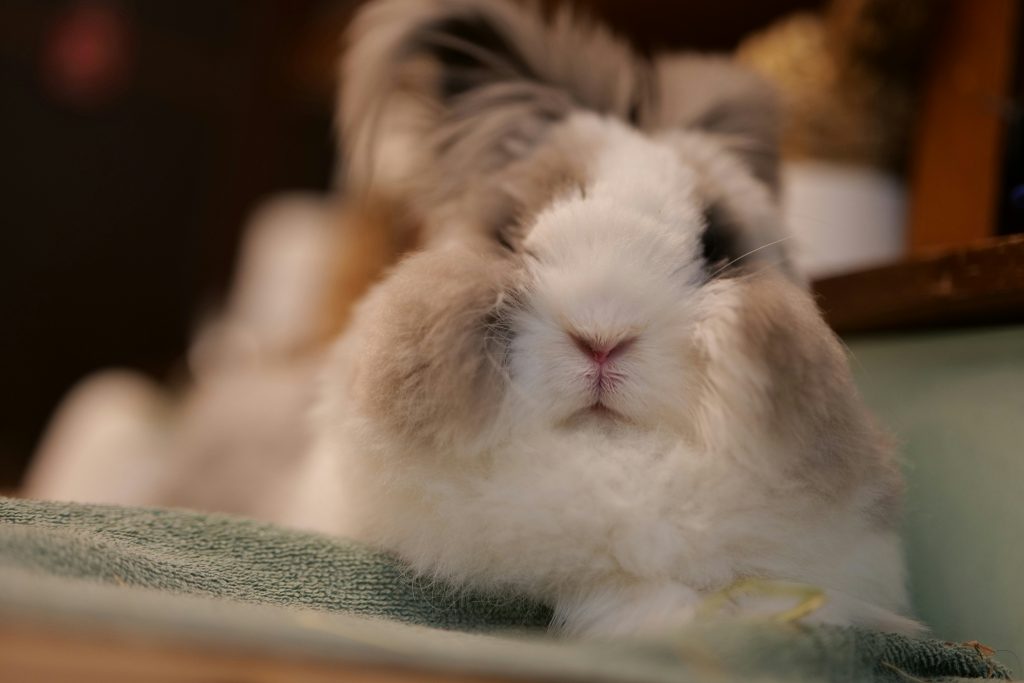
To accurately read your rabbit’s cues, it helps to look at the sound profile, the immediate situation, and what your rabbit is likely feeling.
Tooth Purring (Quiet Teeth Rubbing)
I still remember the first time I heard this from a rabbit. The sound was so much like faint crunching or chewing that my first thought was that something was stuck in their mouth. Once you realize it is tooth purring, it becomes one of the most reassuring sounds you can hear.
Soft tooth purring happens when a rabbit lightly rubs their upper and lower molars together while completely relaxed. This behavior is often compared to a cat’s purr because rabbits use it as a sign of pure comfort, even though the physical mechanism is completely different.
You will most often hear it while petting your rabbit behind the ears, under the cheeks, or when they flop out flat on a rug. The jaw moves lightly, and you can feel a mild vibration if your hand rests on their head, serving as one of the clearest signs your rabbit is happy.
Loud Tooth Grinding
Unlike soft, contented tooth purring, loud tooth grinding is a harsh, crunching sound—like two stones scraping together. When this grating sound accompanies a hunched posture or a loss of appetite, watching for common signs your rabbit is in pain helps you determine if immediate emergency care is required.
Exotic veterinarians recognize loud tooth grinding as a primary indicator of physical distress or hidden molar issues. If your rabbit is grinding their teeth while acting lethargic or ignoring meals, getting to the root of your rabbit’s teeth grinding is critical so you can address the issue as an urgent medical priority.
Honking or Oinking
The situation around the noise usually tells you more than the noise itself, and that is especially true with honking. Honking is a soft, nasal, rhythmic noise that resembles a miniature goose or a tiny kazoo. It is frequently accompanied by energetic behavior like circling your feet, running figure-eights, or buzzing around your ankles.
This vocalization indicates heightened excitement, eager anticipation, or courtship behavior. Intact (unneutered or unspayed) rabbits honk frequently when courting. However, altered rabbits also make distinct honking noises when they anticipate a favorite treat or feel thrilled to see you. In my experience, feeding time is often the exact moment when even normally quiet rabbits suddenly find their voice.
Grunting
Most owners first notice grunting when reaching into a rabbit’s favorite spot or moving items in their enclosure. It is a brief, low-pitched nasal rasp that communicates annoyance, territorial boundaries, or mild frustration rather than outright aggression.
Pinpointing the causes of rabbit grunting allows you to honor their boundaries and minimize daily stress. When you hear a grunt during floor time or handling, taking cues from ear position and body language helps maintain a positive, low-stress environment for both of you.
Growling
Growling is deeper, louder, and more drawn out than a quick grunt. It signals heightened fear, strong territorial boundaries, or an immediate sense of threat.
A growling rabbit rarely hides their intentions—they will usually drop into a clear defensive posture with ears flat back, tail raised, and front paws lifted to box or lunge. Insights from the PDSA highlight that rabbits reserve these intense vocal warnings for moments when their earlier, quieter cues have been ignored.
Catching these warning signs early and understanding why your rabbit is suddenly aggressive gives you the chance to safely defuse a tense situation before anyone gets hurt. Addressing territorial growling early prevents it from solidifying into a long-term habit, while learning why a rabbit bites gives you practical steps if defensive behavior escalates.
Grunting vs. Growling Comparison
Because grunting and growling are both defensive warnings, owners often confuse the two. Recognizing the difference helps you respond appropriately before a boundary warning turns into physical defense.
Grunting vs. Growling
| Feature | Grunting | Growling |
| Sound Profile | Short, sharp, low nasal rasp | Prolonged, deeper, louder throat rumble |
| Primary Emotion | Annoyance, territorial boundary, impatience | Active aggression, fear, severe threat response |
| Body Language | Body tense, head turned away or forward | Ears flat back, tail up, front paws raised to box |
| Risk of Escalation | Low to moderate if respected | High; likely to lunge, scratch, or bite |
| Best Action | Pause, remove hand, give space | Immediately withdraw hand, step back |
Thumping
Thumping is the sudden, loud striking of a hind foot against the floor. Even though it isn’t a vocal sound made by the throat, it’s easily one of the most noticeable auditory signals a rabbit can give.
In the wild, rabbits stomp their feet to alert the warren of nearby predators, and house rabbits keep that exact instinct. They’ll thump when startled by unexpected noises, strange scents, or sudden movements.
Some rabbits are remarkably dramatic about it, too—one might stomp over a distant bump outside, while another thumps simply because you stopped petting them before they were done. Uncovering what drives this behavior and knowing why rabbits thump makes it much easier to reassure your bunny and calm them down.
Sneezing or Snorting
An occasional single sneeze is completely normal—usually just a harmless reaction to dusty hay, environmental irritants, or loose fur flying around during a heavy molt.
If your rabbit starts sneezing repeatedly, snorting wetly, or showing clear nasal discharge, it usually points to upper respiratory irritation or an infection. Pinpointing the common reasons why a rabbit sneezes helps you tell the difference between a simple reaction to dusty bedding and a condition like rabbit snuffles that requires professional exotic vet care.
Screaming
A rabbit scream is a high-pitched, piercing sound that catches most owners completely off guard. It sounds remarkably similar to a human child or small piglet in distress.
Rabbits scream only during extreme fear, severe pain, or life-threatening situations. It is a rare instinctual reaction reserved for moments of severe peril, such as being cornered by a predator or suffering an acute physical injury. If your rabbit screams, drop to their level immediately, remove any potential threats, and assess them for injury or distress.
Whining or Whimpering
Whining is a faint, high-pitched vocal noise that sounds like a tiny squeak or whimpering moan. You will most often hear this subtle protest when holding a rabbit for a nail trim or placing them into a travel carrier.
Rabbits whine when they feel mildly stressed, uncomfortable, or unhappy about a situation they cannot immediately leave. It reflects mild protest rather than the overt aggression seen with growling.
Humming
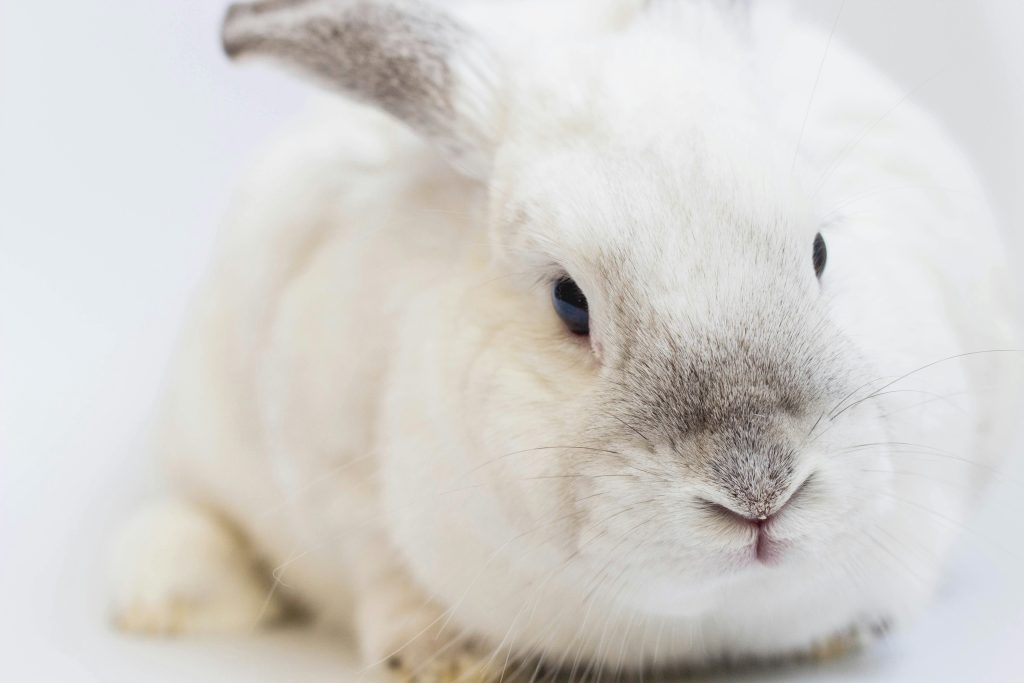
Humming is light, musical, and softer in volume than energetic honking. It reflects quiet affection, social bonding, and gentle contentment.
Rabbits hum when they feel relaxed around a bonded partner or a trusted owner. While honking is often driven by high-energy anticipation or courtship, humming is most commonly heard during quiet social grooming sessions or soft, affectionate floor interactions. Educational resources from the Rabbit Welfare Association & Fund highlight these soft noises as key markers of social comfort and trust.
Clicking
Clicking sounds coming from a rabbit can stem from two completely different mechanisms: normal eating or medical airway issues. Distinguishing between the two depends entirely on timing.
- Chewing Clicks: A light, rhythmically dry crunching or tapping sound while chewing hay or greens is entirely normal as the back molars shear tough plant fibers.
- Respiratory Clicks: A wet, rhythmically repetitive popping or clicking sound synchronized with your rabbit’s breathing, unrelated to eating, is a red flag. This wet clicking indicates fluid, mucus, or inflammation within the narrow nasal passages and requires a checkup by an exotic veterinarian. Behavioral and health guidelines from the House Rabbit Society recommend immediate medical checks whenever breathing noises develop.
Squeaking
Squeaking is a versatile vocalization that ranges from soft, quiet squeaks during sleep to sharper squeaks during active handling.
- Sleep Squeaking: Soft, muffled squeaks during deep sleep are completely normal and typically accompany whisker twitches or paw movements during REM dream cycles.
- Handling Protest Squeaks: High-pitched, brief squeaks when being picked up or during a nail trim communicate mild distress or a desire to be put back down.
- Acute Distress Squeaks: Sharp, loud, repeated squeaks while awake signal severe fear, sudden pain, or intense distress and should be investigated immediately.
4. Context Matters: Rabbit Sounds vs. Body Language
A common mistake is treating vocalizations as isolated diagnostic signals. In reality, a single sound can carry vastly different meanings depending on what is happening in the room and how your rabbit is standing. A rabbit rarely communicates with sound alone—a grunt paired with relaxed, forward-facing ears means something completely different than a grunt paired with pinned ears and a tense, rigid posture.
Paying attention to your bunny’s posture, movement, and rabbit ear positions while they make vocal noises gives you the full picture of what they’re trying to say.
To make sense of a specific sound, compare the noise with their body language and surroundings using the guide below:
Context & Posture Breakdown
| Sound | Accompanying Posture | Environmental Context | Interpreted Meaning |
| Grunt | Ears forward, soft eyes, body relaxed | Approaching with a bowl of fresh greens | Impatient excitement |
| Grunt | Ears pinned back, body tense, tail raised | Reaching a hand into their enclosure | Territorial warning / “Back away” |
| Tooth Rubbing | Eyes half-closed, flopped flat on rug | Being petted behind the ears | Deep relaxation / Tooth purring |
| Tooth Rubbing | Eyes wide, hunched in corner, rigid | Sitting alone, refusing food | Physical pain / Severe discomfort |
For instance, a low grunt when you present a handful of fresh herbs usually indicates eager impatience. The same grunt delivered when you reach into a hideaway box means the rabbit feels cornered. Experienced rabbit owners learn to evaluate the entire picture, including whisker position, eye tension, and ear orientation, rather than relying on a single sound.
5. What Rabbit Sounds Mean at a Glance
While evaluating ear position and posture helps you decode specific moments, having a quick diagnostic reference makes it easy to assess new or sudden sounds instantly. The summary guide below offers a fast snapshot of common vocalizations, their primary triggers, and whether veterinary care is necessary.
| Sound | What It Sounds Like | Primary Emotion | Common Trigger | Vet Needed? |
| Tooth Purring | Soft, quiet molar rubbing | Deep relaxation, comfort | Gentle cheek or ear petting | No |
| Honking | Soft, nasal goose-like honk | Excitement, courtship | Food, treat bag, greeting | No |
| Humming | Gentle, low-volume buzz | Affection, social bonding | Grooming bonded partner or owner | No |
| Grunting | Short, low-pitched nasal rasp | Annoyance, boundary setting | Reaching into cage or hiding spot | No |
| Growling | Deep, louder throat rumble | Defensive aggression, fear | Perceived threat, territory invasion | Sometimes |
| Thumping | Loud hind-foot stomp | Alarm, danger signal, frustration | Startling sound, shadow, anger | No |
| Sneezing | Sharp nasal burst | Irritation or infection | Dust in hay, snuffles | Sometimes |
| Respiratory Clicking | Wet, rhythmic nasal popping | Airway congestion, fluid | Respiratory infection, allergies | Yes |
| Loud Grinding | Harsh, crunching stone scraping | Severe physical pain, agony | GI stasis, molar spurs, trauma | Yes (Urgent) |
| Screaming | High-pitched, piercing scream | Extreme terror, life threat | Trapped limb, predator attack | CRITICAL EMERGENCY |
6. Do Rabbits Make Noises While Sleeping or at Night?
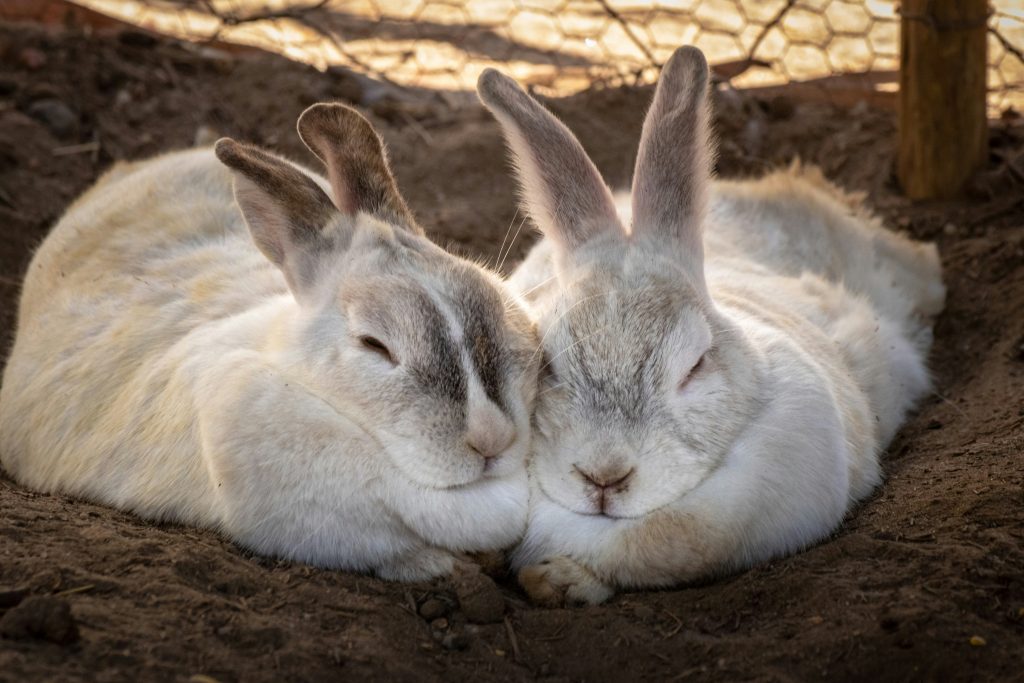
Yes, rabbits sometimes make quiet, unexpected sounds while sleeping, drifting off, or relaxing in their enclosures at night. Many owners search for these subtle sleeping noises because they can be surprising to hear from a resting pet.
Common night and sleeping sounds include:
- Soft Tooth Purring: A rabbit drifting into deep sleep while feeling completely safe may lightly rub their teeth together.
- Tiny Squeaks or Muffled Whimpers: Just like dogs and cats, rabbits experience REM sleep. Light squeaks often accompany subtle twitching of the whiskers, paws, or ears during dreaming.
- Light Snorts or Whiffs: As a rabbit’s breathing slows down in deep relaxation, air moving through their narrow nasal passages can create soft snorting or puffing sounds.
- Late-Night Thumping: Hearing a loud thunk at 2:00 AM usually means your rabbit heard an unfamiliar outside noise, saw a shadow, or simply wants attention during their natural crepuscular active hours.
Unless these noises are accompanied by laboring breath, heavy discharge, or sudden distress, resting noises are entirely normal aspects of rabbit behavior.
7. Do Wild Rabbits Make Sounds?
In nature, rabbits are almost entirely silent. As primary prey for hawks, foxes, and stoats, making noise in the wild invites immediate danger. Instead, wild populations communicate almost exclusively through non-auditory signals—thumping their hind feet against subterranean soil to send shockwaves through warrens, flashing the white underside of their tails as a visual alarm, and scent marking territory.
A wild rabbit usually saves their voice for absolute emergencies: a low growl during territorial fights or a sharp scream if a predator catches them. Overviews in Encyclopædia Britannica highlight how wild bunnies rely almost entirely on subtle physical signals—like thumping the ground or flashing their tail—to stay hidden from predators. While house rabbits keep those same instincts, living in a safe home gives them the freedom to open up and share a much wider range of sounds with us.
While domestic rabbits retain all of these instinctual signals, living in safe, predator-free homes allows them to express a much wider range of sounds with their human caregivers.
8. Do Baby Rabbits Make Different Sounds Than Adults?
Baby rabbits (kits) have slightly different vocal patterns compared to adult rabbits due to their development and physiological needs:
- Squeaking for Care: Unweaned kits in the nest box produce faint, high-pitched squeaks or chirps when cold, hungry, or separated from the mother. Clinical insights from VCA Animal Hospitals note that early vocalizations in young litters are closely monitored to assess kit vitality and health.
- Faint Grunts: Young kits rarely grunt or growl territorially until hormonal shifts begin around 3 to 4 months of age.
- Hormonal Honking Surge: Adolescents reaching sexual maturity (around 4 to 6 months) often undergo a sudden burst of vocal behavior, honking and circling incessantly until spayed or neutered.
Baby rabbits are generally quieter overall than adults, but their vocalizations are closely tied to basic survival needs in the nest and hormonal maturity later on.
9. Do Rabbits Recognize Their Owner’s Voice?
Rabbits have keen auditory senses and readily learn to distinguish their owner’s voice from unfamiliar voices. Through daily association, your rabbit connects the specific pitch, tone, and rhythm of your voice with positive experiences like treats, pet sessions, and playtime.
When you speak softly to your rabbit, they will often respond with relaxed body language, turn their ears toward you, or make gentle honking and humming sounds. Many owners notice their rabbit perking up the moment they hear their voice, even while completely tuning out visitors.
Combining gentle chatter with clear words helps build trust, offering a clear look at how rabbits process human speech and pick up on their own names as they settle into a routine.
10. Rabbit Sounds That May Indicate Health Concerns
While many noises reflect emotional states, some noises are not communication signals at all. They can be signs of discomfort, breathing problems, or underlying illness. Distinguishing between normal behavioral noises and medical symptoms helps keep your rabbit healthy:
- Loud, Irregular Tooth Grinding: Indicates pain, frequently associated with GI stasis, dental spurs, or abdominal discomfort. If you notice this, read more about managing rabbit grinding teeth to understand the symptoms better.
- Persistent Sneezing: Occasional single sneezes are normal responses to dust, but repetitive sneezing fits point toward upper respiratory infections or rabbit snuffles.
- Nasal Clicking or Wheezing: High-pitched clicking noises synchronized with breathing often mean fluid, mucus, or irritation in the nasal passages.
- Wet Snorting or Heavy Breathing: Heavy, wet breathing sounds often point to airway congestion or lower respiratory issues that need prompt veterinary evaluation. Observing these symptoms alongside a rabbit struggling for air makes it much easier to recognize why rabbits breathe fast and take swift action before a breathing concern escalates.
When a new vocalization seems linked to a medical issue, keep an eye out for telltale warning signs like runny eyes, nasal discharge, or sudden lethargy. Standard clinical guidelines in the Merck Veterinary Manual emphasize catching these secondary symptoms quickly, and conducting home health checks on your rabbit helps you spot changes before they escalate.
11. Why Is My Rabbit Suddenly Making More Noise?
A quiet rabbit that suddenly starts honking, grunting, or grinding their teeth deserves attention because the reason behind the change matters. Sometimes the explanation is harmless—such as reaching sexual maturity or learning that noises get your attention. Other times, increased vocalization is your rabbit’s way of showing discomfort.
Common triggers for sudden auditory changes include:
- Hormonal Changes: Young rabbits reaching sexual maturity (around 4 to 6 months of age) experience surges in territorial and courtship behaviors, leading to increased honking, grunting, and circling.
- Environmental Changes: Moving to a new home, rearranging furniture, introducing new pets, or loud construction can trigger frequent thumping and defensive grunting due to stress.
- Deepening Social Bond: As rabbits grow comfortable with their caretakers, they often express their anticipation more vocally, honking or humming whenever they expect food or affection.
- Onset of Discomfort or Illness: Chronic conditions, such as arthritis in older rabbits or developing molar issues, can cause a quiet rabbit to start grinding their teeth or vocalizing when handled. Quick checks to tell if your rabbit is healthy are critical here, as sudden behavior shifts are often the first noticeable sign that something is wrong.
12. Why Is My Rabbit So Quiet?
It is completely normal for a rabbit to rarely make a sound. Because lagomorphs rely heavily on non-vocal communication, silence is often their default state. A quiet rabbit who eats well, grooms normally, moves fluidly, and engages with their surroundings is healthy and content.
However, sudden baseline shifts matter. If a normally expressive, honking rabbit abruptly becomes silent, stops reacting to their surroundings, and sits motionless in a corner, it usually signals distress or pain rather than calm behavior.
13. How to Respond to Your Rabbit’s Vocal Signals
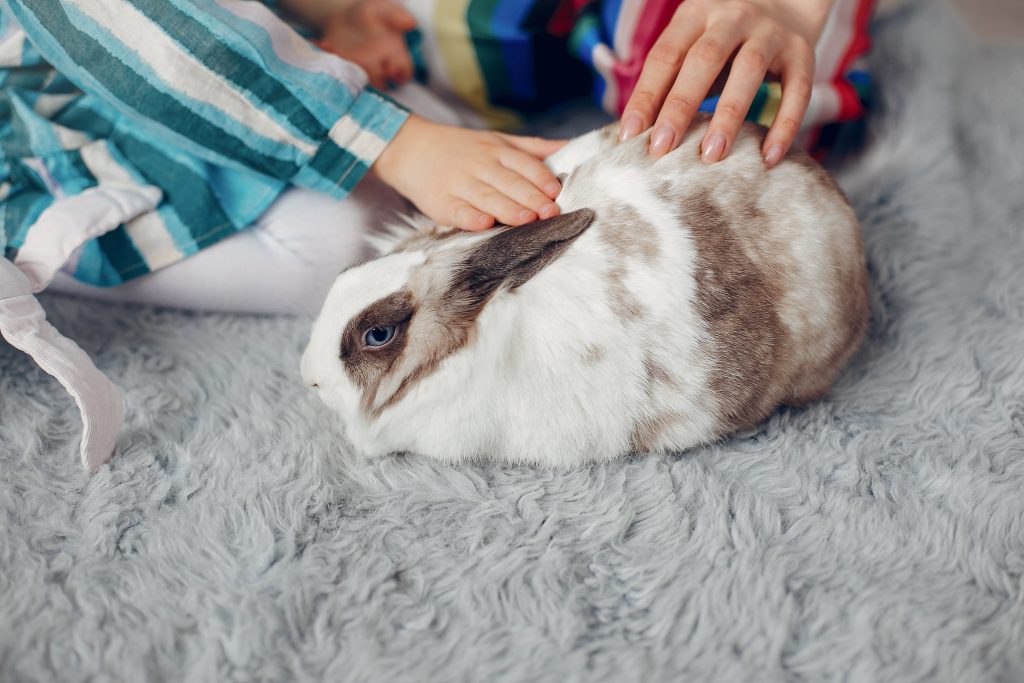
Responding appropriately to your rabbit’s noises builds trust and prevents fear-based behaviors:
- When they grunt or growl: Pause your movement immediately. Withdraw your hand slowly and give the rabbit space. Forcing interaction when a rabbit grunts teaches them that gentle warnings do not work, which can lead to biting.
- When they thump: Inspect the immediate area for potential fear triggers, such as unfamiliar odors, shadows, strange sounds, or drafty vents. Speak to your rabbit in a low, soothing voice to offer reassurance.
- When they tooth-purr: Continue whatever petting or cheek rubbing you are doing. This positive feedback reinforces that you are a safe companion.
- When they honk or hum: Enjoy the moment! This is an ideal opportunity to hand-feed treats or engage in interactive floor time.
14. Rabbit Sounds: When to Worry
⚠️ Safety Checklist: Noise Severity Levels
- Normal Everyday Sounds: Tooth purring during petting, soft honking or humming at feeding time, and occasional playful binkies (happy jumps and twists in the air).
- Monitor Closely: Repeated grunting when approached, persistent single sneezes near dusty hay, or frequent thumping without an obvious threat.
- Immediate Action Required: Loud, harsh tooth grinding paired with a refusal to eat, distinct breathing clicking, or a sharp scream.
15. Rabbit Vocalization FAQ
Do rabbits make noises when they are happy?
Yes. Happy rabbits frequently produce soft tooth purring, light honking, or soft humming sounds. These noises are typically paired with loose body posture, flopping, or performative binkies (happy jumps and twists in the air).
Why does my rabbit grunt at me when I try to pet them?
Grunting during handling usually means your rabbit feels startled, territorial, or unwilling to be touched at that moment. Respect their boundary by retracting your hand and allowing them to approach you on their own terms.
Why does my rabbit make a noise when I pick them up?
When being lifted, a subtle squeak, soft grunt, or quiet whine is a common protest signal. Most rabbits instinctively dislike having their feet leave the ground because being lifted mimics being captured by a predator. Unless accompanied by screaming or harsh growling, a small noise during handling simply means your rabbit feels insecure or wants to be set back down.
Why does my rabbit make weird noises?
“Weird” noises usually turn out to be normal rabbit sounds that owners aren’t used to hearing, such as soft honking (excitement), tooth purring (relaxation), or light snorting from hay dust. However, if the weird noise sounds like wet clicking, heavy wheezing, or harsh grinding, it warrants a health check.
Why does my rabbit chatter or grind his teeth?
Gentle, rhythmic tooth chatter is “tooth purring,” which means your rabbit is deeply relaxed. Loud, harsh tooth chatter or grinding (bruxism) happens when a rabbit is in severe pain or experiencing GI stasis.
Why does my rabbit squeak?
Rabbits may squeak during REM sleep when dreaming, or produce tiny squeaks (whining) when they are mildly stressed during handling or nail trims. High-pitched, loud squeaking or screaming, however, signals extreme fear or acute agony.
Why is my rabbit making noises at night?
Rabbits are crepuscular (most active at dawn and dusk), so night noises often stem from eating hay, shifting bedding, dreaming, or thumping out of frustration or at unfamiliar night shadows and sounds.
Do rabbits purr like cats?
Rabbits do not purr through the same mechanism as cats. Instead, they create their version of a purr by gently rubbing their teeth together to create a soft, rhythmic clicking sound that serves a similar social function by communicating comfort and relaxation.
What should I do if my rabbit screams?
Approach your rabbit immediately with care. Minimize loud external sounds, safely secure any loose pets, and examine the rabbit for signs of severe physical trauma, trapped limbs, or acute pain. If the cause is not obvious, contact an exotic veterinarian immediately.
Why does my rabbit make a clicking sound while eating?
Hearing a soft crunching noise while your bunny eats hay is completely natural as their molars work. On the other hand, wet popping or clicking sounds during breathing happen when air is forced past excess nasal discharge or swollen passages in the respiratory tract. Because rabbits are obligate nasal breathers, even mild blockage causes these audible clicks and warrants a professional medical evaluation.
16. Understanding Your Rabbit’s Language
Reading vocal cues takes patience, close observation, and context awareness. Treating subtle sounds—from gentle tooth purrs to defensive grunts—as meaningful communication helps you respond accurately to your pet’s needs, protect their health, and deepen your bond. These noises are just one part of understanding your pet, which you can dive into further in my complete rabbit behavior guide.
Medical & Veterinary Disclaimer: Bunnyowners.com is an informational resource for rabbit owners and enthusiasts. We are not veterinarians. The content on this website is for educational purposes only and is not a substitute for professional veterinary advice, diagnosis, or treatment. Always consult a qualified veterinarian with any questions or concerns regarding your pet’s health, medical conditions, diet, or overall care. If you have concerns about your rabbit’s health, it’s always best to reach out to a veterinarian rather than relying solely on information found online.