
Veterinary & Affiliate Disclaimer: Bunnyowners.com shares educational rabbit care resources, not professional veterinary advice. Always consult a qualified veterinarian regarding your rabbit’s medical, dietary, or behavioral needs. This post may also contain affiliate links; as an Amazon Associate and affiliate partner, we earn from qualifying purchases at zero extra cost to you.
Discovering that your rabbit is making a sharp, repetitive puffing sound can be alarming. It leaves you wondering if it is a harmless tickle or a serious medical issue. Because rabbits are prey animals, they instinctively hide pain and illness. Catching subtle respiratory changes early is vital to their health. If you notice persistent sneezing fits, you must understand the distinction between normal behavior and an underlying health problem.
Why Is My Rabbit Sneezing?
An occasional single sneeze is a normal reflex to clear stray hay dust, but frequent or repeated rabbit sneezing is abnormal. This persistent symptom is typically caused by environmental irritants like dusty bedding, an upper respiratory bacterial infection (snuffles), or underlying rabbit dental disease where overgrown tooth roots press into the nasal passages. If your rabbit’s sneezing is accompanied by nasal discharge, noisy breathing, or a loss of appetite, it requires a prompt evaluation by a specialized exotic animal veterinarian.
This guide breaks down the most common environmental and medical issues driving this symptom. We will examine critical warning signs like “dirty paws,” detail how a specialized vet diagnoses complex sinus and tooth root issues, and outline the exact steps you can take at home to keep their airways clear. Staying proactive with these early diagnostic signs is a fundamental part of managing overall domestic rabbit wellness before a mild respiratory issue escalates.
2. Is It Normal for Rabbits to Sneeze?
The short answer is no. Frequent sneezing is not normal for a healthy rabbit.
While an occasional single sneeze from a stray dust particle can happen, frequent or repeated sneezing is a warning sign. If the sneezing is accompanied by nasal discharge, noisy breathing, a drop in appetite, or lethargy, it is an abnormal health issue that requires a prompt evaluation by a specialized exotic animal veterinarian.
Occasional Sneezing vs. Repeated Sneezing
To understand your rabbit’s health, look at the pattern of the behavior. Context is everything when monitoring rabbits:
- Isolated Sneezes: A single sneeze once every few days, usually right after your rabbit burrows into a brand-new bag of orchard grass, is generally just a mechanical reflex to clear the nostrils.
- Sneezing Fits: Bouts where your rabbit sneezes five, ten, or fifteen times in a row mean their nasal passages are facing intense irritation or a structural block.
- Daily or Chronic Sneezing: Sneezing that occurs multiple times a day points toward a persistent internal issue. Active bacterial infections or escalating dental problems will not clear up on their own.
3. Common Causes of Rabbit Sneezing
When a rabbit suffers from frequent sneezing, the root cause usually falls into one of two categories: environmental irritants or internal medical issues.
| Cause | Common? | Severity | Key Indicator |
| Dusty Hay | ★★★★★ | Low | Sneezing happens primarily while or immediately after eating. |
| Dusty Bedding | ★★★★★ | Low | Sneezing increases right after a fresh litter box change. |
| Respiratory Infection | ★★★★★ | High | Accompanied by white, yellow, or creamy nasal discharge. |
| Dental Disease | ★★★★☆ | High | Often paired with eye discharge, drooling, or selective eating. |
| Foreign Object | ★★★☆☆ | Moderate | Sudden onset of sneezing fits, often involving just one nostril. |
| Household Irritants | ★★★☆☆ | Low–Moderate | Linked to the use of sprays, perfumes, or scented candles. |
| Nasal Tumor/Polyp | ★★☆☆ _ | High | Chronic, progressive symptoms that do not respond to antibiotics. |
Dusty Hay
The very item that keeps your rabbit healthy can sometimes cause them to sputter. High-quality grass hay is non-negotiable for their digestion and teeth, but the bottom of the bag often accumulates fine, powdery debris.
Low-quality or poorly managed hay carries high concentrations of microscopic dust particles. When your rabbit burrows their nose deep into the pile to find the best blades of grass, they inhale these particles, triggering mechanical irritation in their sensitive nasal linings.
Dusty Bedding
The substrate inside your rabbit’s enclosure or litter pan plays a massive role in their respiratory health. Standard wood shavings, such as pine and cedar, are doubly dangerous because they release fine wood dust and emit volatile aromatic hydrocarbons (phenols) that irritate a rabbit’s respiratory tract.
Similarly, low-grade paper beddings or a dirty litter box leads to ammonia buildup from evaporating urine, which chemically inflames the nasal membranes. Keeping a detailed rabbit care and symptom checklist on hand helps you track these daily environmental changes.
Respiratory Infection (Snuffles)
Upper respiratory bacterial infections are common in domestic rabbits. Often grouped under the term “Snuffles,” these infections are typically driven by opportunistic bacteria like Pasteurella multocida, Bordetella bronchiseptica, or Staphylococcus aureus. If you suspect your pet has contracted this specific bacterial condition, you can read our deep-dive guide on treating rabbit snuffles to understand long-term management. These pathogens can lay dormant in a rabbit’s respiratory system for months, flaring up when the immune system is compromised by stress, poor diet, or environmental factors.
Research shows that dormant respiratory pathogens can rapidly multiply and lead to chronic rhinitis under poor environmental conditions, making impeccable cleanliness and good ventilation vital parts of prevention.
Diagnostic data confirms that the precise mix of bacteria present during active flare-ups can vary significantly between individual rabbits depending on their baseline immune strength. Because rabbit anatomy makes it difficult for them to fight off these deep-seated bacterial colonies, prompt veterinary intervention is vital before the infection moves down into the lungs.
Dental Disease
Many owners are shocked to learn that a sneezing problem can actually be a tooth problem. A rabbit’s teeth grow continuously throughout their lifetime. If their molars do not wear down evenly due to genetics or a low-fiber diet, the tooth roots can become elongated. Reviewing the indicators of chronic dental disease in rabbits can help you determine if misaligned molars are pushing upward against the facial structure.
Because the upper molar roots sit directly beneath the nasal cavity and tear ducts, these overgrown roots can push upward, compressing the nasal passages.
Anatomy studies map out how severe molar root intrusion into the skull bones can cause chronic upper respiratory signs by blocking normal tear drainage and altering sinus space. Furthermore, surgical records show that molar roots intruding farther into the skull than normal can cause adjacent soft tissue and sinus complications due to constant structural chewing pressure. This root intrusion causes intense mechanical irritation, localized inflammation, and secondary bacterial infections deep inside the nose.
Foreign Objects
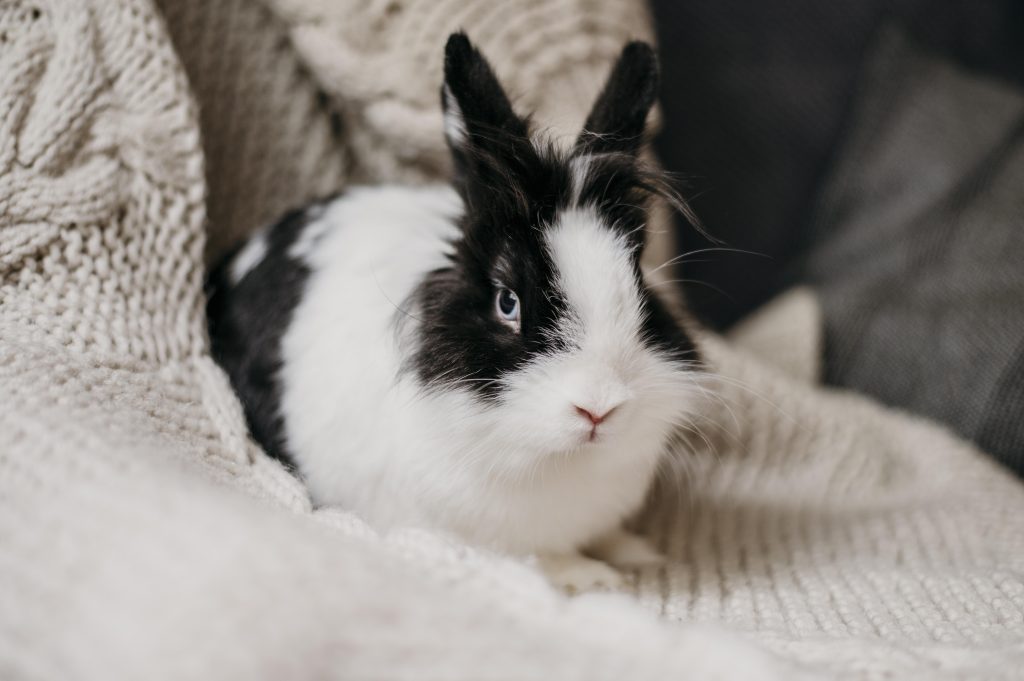
Rabbits explore the world nose-first, acting like little vacuum cleaners with zero filter. During their investigations, small foreign bodies—such as a sharp fragment of coarse timothy hay, a loose grass seed, or a tiny piece of bedding material—can get sucked directly up into a nostril. This triggers a sudden onset of continuous sneezing fits as the rabbit tries to dislodge the object.
Household Irritants
Rabbits possess an acute, sensitive sense of smell, making them vulnerable to airborne chemicals that humans barely notice. Common household items like cigarette smoke, e-cigarette vapor, scented candles, air fresheners, aerosol cleaning sprays, and strong perfumes can quickly cause chemical rhinitis (inflammation of the nasal mucous membranes). If it smells strong to you, it feels like a sensory assault to them.
Less Common Causes
In chronic or elderly cases where standard treatments fail to provide relief, less common causes must be considered. These include benign nasal polyps, malignant nasal tumors, or congenital structural abnormalities, such as a severely deviated septum or a cleft palate, which alter normal airflow and trap debris.
4. Rabbit Sneezing Symptoms
Sneezing rarely happens in a complete vacuum. To help your veterinarian figure out exactly what is going on, watch for accompanying clinical signs.
Common Symptoms
When monitoring your rabbit, it helps to keep a detailed daily journal of any behavioral or physical shifts. Respiratory issues are rarely isolated to a single sneeze, and tracking these secondary symptoms provides your vet with invaluable clues:
- Frequent, Repetitive Sneezing Fits: Bouts where your rabbit sneezes multiple times in rapid succession, often shaking their head with each burst.
- Visible Nasal Discharge: Any fluid emerging from the nostrils, varying from a thin, watery drip to a dense, opaque plug.
- A Chronically Wet or Crusty Nose: Fur around the nostrils that appears perpetually damp, parted, or matted with dried, flaky secretions.
- Noisy, Wet, or Rattling Breathing: Clear auditory cues such as whistling, snoring, clicking, or gurgling sounds while the rabbit is resting or sleeping.
- Watery, Irritated, or Bulging Eyes: Excessive tear production that leaves wet tracks down the face. If you are trying to pinpoint the source of the fluid, you can look into my troubleshooting guide on why rabbits have watery eyes to check for clogged tear ducts.
- Matted, Damp, or Discolored Front Paws: Stiff, clumped, or yellowed fur on the inside of the front legs, serving as a footprint of their grooming habits.
- A Sudden or Gradual Decrease in Appetite: A noticeable drop in daily hay consumption or pellets behind. If your companion completely stops dropping their head to graze, immediately reference what to do when a rabbit is not eating to stop systemic stagnation.
- General Lethargy or Behavioral Changes: Sitting hunched over for long periods, hiding in dark corners, or withdrawing from normal daily interactions and playtime.
- Frequent Head Shaking or Nose Scratching: Using the hind legs to scratch at the face or rapidly shaking the head to clear structural blockages from the sinuses.
- Unexplained, Progressive Weight Loss: A drop in body condition or a prominent spine, which happens when a rabbit expends extra metabolic energy just trying to breathe comfortably.
Why Do Rabbits Wipe Their Nose With Their Front Paws?
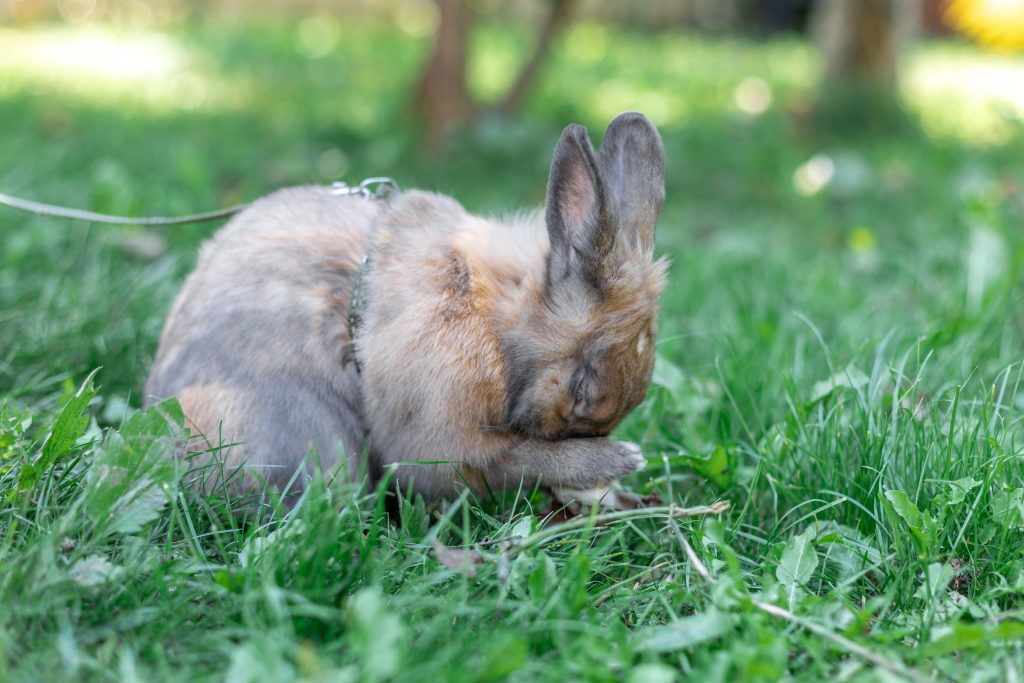
This is a critical content gap that many rabbit owners miss entirely because rabbits are clean animals. Rabbits are meticulous groomers. When they experience nasal discharge from an infection or allergy, their immediate instinct is to wipe it away using the inside of their front paws, performing a swift, frantic motion across their face.
Because they do this so efficiently, you will often find that your rabbit’s nose looks clean and dry when you look at them. Instead, the true evidence of a respiratory issue is found on their front legs.
If you notice that the fur on the inside of your rabbit’s front paws is stiff, matted, clumped, or stained yellow-white, they are actively wiping away chronic nasal discharge. Owners almost always spot these “dirty paws” days or weeks before they ever manage to catch actual fluid leaking from the nose.
5. What Does Your Rabbit’s Nasal Discharge Mean?
If you do catch your rabbit before they can groom themselves, the physical appearance and consistency of their nasal discharge offers excellent clues about what is happening inside their sinuses.
| Nasal Discharge Color & Texture | Likely Underlying Cause | Action & Urgency Level |
| Clear & Watery | Irritation from hay dust, minor substrate allergies, or the very earliest stage of an infection. | Monitor Closely: Shake out your hay, switch to low-dust bedding, and check daily for changes. |
| Opaque White | Active, localized upper respiratory bacterial infection. | Schedule a Vet Visit: Needs an evaluation and likely targeted antibiotics within 24 to 48 hours. |
| Thick Cream or Deep Yellow | Advanced, deep-seated bacterial infection, sinus abscess, or severe dental root impaction. | High Priority Care: Requires prompt veterinary diagnostics to prevent permanent tissue damage. |
| Tinged with Blood | Acute trauma to the nasal lining, a sharp foreign object wedged in the cabin, or a severe tumor. | Urgent Vet Evaluation: Needs immediate professional inspection to locate the source of bleeding. |
It is crucial to note that color alone cannot serve as a definitive diagnosis. Rabbit pus is heterophilic. Unlike the liquid, water-soluble pus found in humans or dogs, a rabbit’s inflammatory response creates thick, dry, toothpaste-like discharge.
This heavy exudate readily builds up within the nasal cavities and tissue layers. Because it has the consistency of dental paste, rabbits cannot easily sneeze it out or clear it from their sinuses, which is exactly why a white or creamy discharge is an automatic trigger for professional medical treatment.
6. When Sneezing Becomes an Emergency
While many sneezing rabbits are stable in the short term, their health can deteriorate with speed if an infection moves into their lower respiratory tract.
Emergency Warning Signs
If your sneezing rabbit displays any of the following clinical signs, skip the regular appointment queue and head directly to an emergency exotic animal hospital:
- Complete Anorexia: Refusing to eat any food or treats for more than 6 to 8 hours. This structural drop in intake puts them at immediate risk for fatal gi stasis in rabbits.
- Labored Breathing: Heavy, visible pumping of the chest and abdomen just to pull in air. If the cadence is rapid even while resting, you should check my symptom index on why rabbits breathe fast to measure potential lung distress.
- Open-Mouth Breathing: Rabbits are strict obligate nasal breathers—they are anatomically hardwired to breathe only through their noses. If a rabbit is breathing through their mouth, it means their nasal passages are completely blocked or their lungs are failing. This is a critical, life-or-death emergency.
- Thick, Paste-Like Discharge: Pus actively sealing their nostrils shut.
- Facial Swelling: Asymmetry, lumps, or bulging around the jaw, cheeks, or eyes.
- Severe Lethargy: Completely unresponsive, limp, or sitting hunched in a corner ignoring their surroundings.
- Blue or Pale Gums: Indicating a dangerous lack of oxygen throughout the body.
Decision Table
Use this straightforward breakdown to determine your next logical step:
| Monitor at Home | Schedule a Vet Visit | Emergency Care |
| • Only one or two occasional sneezes • Absolutely normal, enthusiastic appetite • Bright, alert, active, and exploring • Zero nasal or ocular discharge present | • Sneezing multiple times throughout the day • Visible clear, white, or colored nasal fluid • Matted, dirty, or stained front paws • Persistent watery eyes or squinting | • Audible gasping or open-mouth breathing • Total refusal to eat or pass droppings • Thick pus completely sealing the nostrils • Complete collapse or profound lethargy |
7. How Veterinarians Diagnose Rabbit Sneezing
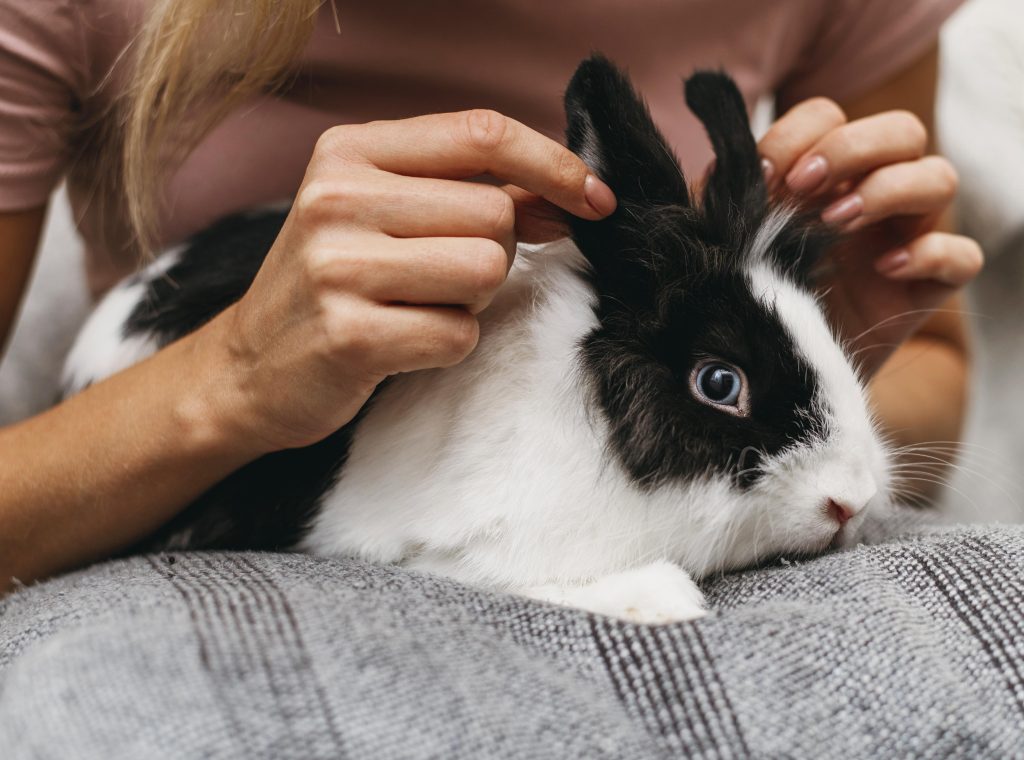
Because a sneeze can be caused by anything from a speck of dust to a stray molar root, a veterinarian specifically experienced in exotic mammal medicine will work through several diagnostic steps to uncover the true cause:
Physical Examination
The veterinarian will start with a comprehensive nose-to-tail exam. They will assess your rabbit’s body condition, check hydration levels, feel the lymph nodes, and carefully palpate the jawline and facial structure to look for subtle bony changes, pain, or asymmetrical swellings that indicate deep abscesses.
Oral and Dental Examination
Using a specialized lighted tool called an otoscope or an endoscopic camera, the vet will look deep inside your rabbit’s narrow mouth. They check for sharp molar spurs, misaligned teeth (malocclusion), inflamed gums, or loose teeth. Because elongated tooth roots routinely impinge directly on the delicate nasal cavity, a thorough dental check is mandatory for any chronic sneezing case.
Listening to the Lungs
Using a stethoscope, the vet will carefully listen to both the trachea and the individual lobes of the lungs. This allows them to differentiate between upper respiratory disease (where the rattling noise originates in the nose or throat) and lower respiratory disease (where fluid or crackling sounds inside the lungs indicate active pneumonia).
Culture and Sensitivity Testing
If nasal discharge is present, the vet may use a tiny, sterile swab to collect a sample from deep within the nasal passage. This sample is sent to a laboratory to grow the specific bacteria causing the infection (the culture) and test which precise medications are most effective at killing it (the sensitivity).
Laboratory audits tracking clinical pathogens in companion rabbits highlight that uncovering explicit resistance patterns prevents treatment failure and guides effective medication selection for complex airway conditions. Adhering to these strict testing standards ensures your vet avoids blind, non-targeted treatments that can accidentally breed highly resistant bacteria or damage your rabbit’s delicate cecal gut flora.
Skull and Chest X-rays
Standard physical exams cannot see what is happening beneath the gum line or inside the chest cavity. Digital radiographs (X-rays) allow the vet to look at the health of the tooth roots, evaluate the density of the nasal sinuses, and check the lung fields for signs of pneumonia, fluid buildup, or deep abscesses.
CT Scan
For chronic, complex, or unresponsive cases, a Computed Tomography (CT) scan is the gold standard of care. A CT scan provides clear, cross-sectional 3D images of the rabbit’s skull.
CT scans provide much more detail than standard X-rays and are often the best way to identify early tooth root disease, locate deeply wedged foreign bodies, map out bone destruction from chronic infections, or spot tiny nasal tumors and polyps that are completely invisible on standard X-rays.
8. Rabbit Sneezing Treatment
Medical treatment can never follow a one-size-fits-all approach; it must target the specific diagnosis uncovered by your veterinarian.
Environmental Irritation
If the issue is purely mechanical irritation, treatment involves modifying their living environment. This means removing the specific dust source, upgrading the ventilation in the room, switching to a dust-free alternative bedding, and sifting hay before placing it into their litter box.
Respiratory Infection
Bacterial respiratory infections require targeted, long-term antibiotic therapy. Because rabbit digestion relies entirely on a delicate balance of beneficial cecal bacteria, your vet will select specific antibiotics (such as Enrofloxacin, Marbofloxacin, or injectable Penicillin G) that target the respiratory tract without destroying the gut. This is often paired with anti-inflammatory medications to reduce tissue swelling and supportive care like nebulization.
Dental Disease
If overgrown tooth roots are driving the sneezing, the teeth must be managed. This typically requires a veterinary dental procedure under general anesthesia, where specialized dental burrs are used to smooth down sharp spurs and trim elongated crowns. In severe cases where a tooth root is fractured or surrounded by a deep bone abscess, a complete surgical extraction is necessary to relieve pressure on the nasal cavity.
Foreign Body Removal
If a piece of hay or a seed is stuck in the nose, the vet will need to safely extract it. This is usually done by placing the rabbit under light sedation or anesthesia and performing a gentle nasal flush with sterile saline to wash the object forward, or using specialized micro-forceps to safely retrieve it.
9. Can You Treat Rabbit Sneezing at Home?
Home care is appropriate for managing mild environmental irritation, it can never cure an ongoing bacterial infection or structural dental disease. If your veterinarian has explicitly ruled out medical issues and confirmed the sneezing is entirely environmental, you can safely optimize your rabbit’s living space to provide relief.
Start by sifting your hay before placing it into the litter box to remove fine, powdery debris. When cleaning their enclosure, swap out harsh chemical sprays for a rabbit-safe, diluted white vinegar solution, and ensure you provide multiple bowls of fresh water daily to keep their delicate mucous membranes naturally hydrated.
While these environmental tweaks are excellent for dusty noses, you must never attempt medical home remedies. Rabbits have delicate biological systems, so medications should never be given without veterinary guidance:
- Human Cold Medications: Over-the-counter decongestants or allergy pills are toxic to rabbits and can cause rapid cardiac failure or irreversible organ damage.
- Essential Oils: Diffusing strong oils like eucalyptus, tea tree, or peppermint causes severe burns to their respiratory lining and completely overwhelms their liver.
- Leftover Antibiotics: Administering random, non-prescribed medications can wipe out their beneficial gut bacteria, triggering rapid, fatal enterotoxemia.
- Unguided Steam Therapy: Forcing a rabbit into a hot, humid bathroom often induces profound heat stress, or worse, causes moisture to pool in their lower lungs, turning a mild sinus issue into acute aspiration pneumonia.
10. What NOT to Do
When dealing with a sneezing rabbit, avoiding common management mistakes is just as critical as getting the right veterinary care. First and foremost, never ignore nasal discharge or assume it is just a mild case of “allergies.” True environmental allergies are extraordinarily rare in rabbits, and delaying a veterinary visit allows bacteria to build permanent, indestructible biofilms inside the sinuses that become nearly impossible to cure later.
To keep your rabbit safe and comfortable during a sneezing flare-up, avoid these critical hazards:
- Smoking or Vaping: Secondhand smoke and chemical vapors rapidly destroy the microscopic, protective cilia lining their respiratory tract.
- Scented Chemicals: Heavily perfumed laundry detergents, aerosol air fresheners, and bleach-based cleaners will instantly inflame their sensitive nasal membranes.
- Forced Medication: Aggressively forcing oral treatments down the throat of a struggling rabbit can cause them to accidentally inhale the liquid, leading to sudden asphyxiation or fatal aspiration pneumonia.
11. Preventing Rabbit Sneezing
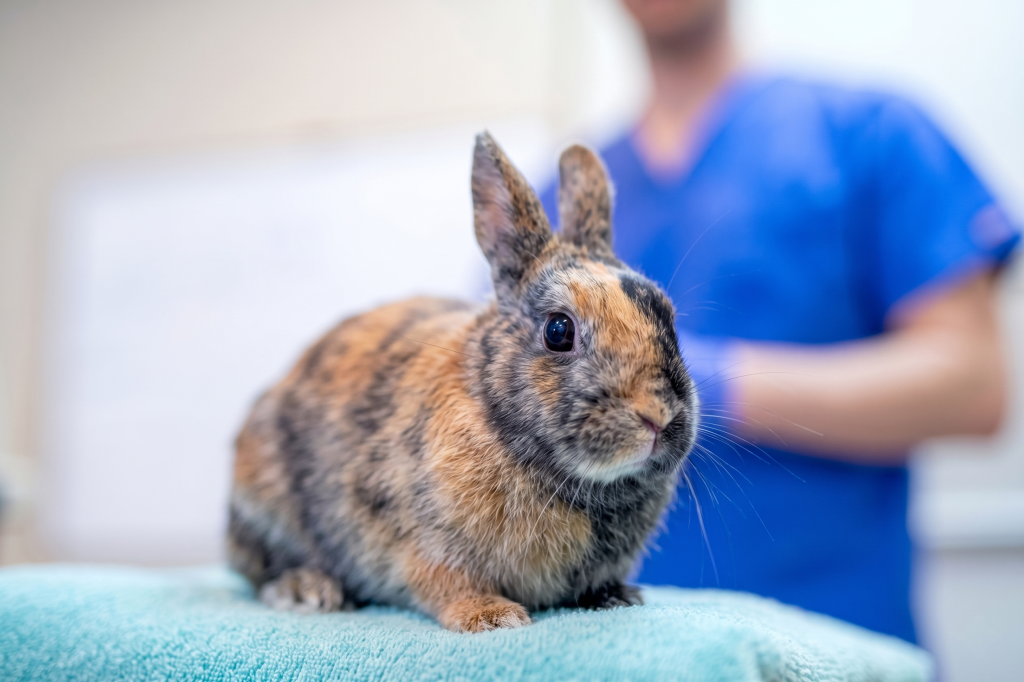
The best way to treat a respiratory problem is to prevent it from ever taking hold in the first place.
Feed High-Quality, Low-Dust Hay
Invest in clean, fresh hay that smells sweet and looks visibly green. When filling their hay racks or litter boxes, take the portion out of the bag and gently shake it out outdoors or over a mesh laundry basket to sift out the fine, powdery debris before serving it to your rabbit.
Choose Low-Dust Bedding
Opt for reputable, dust-free paper bedding brands, or switch to premium Aspen wood shavings (which do not contain the dangerous phenols found in pine or cedar). Clean pelleted straw or paper pellets are also phenomenal, low-dust options for lining the bottom of their litter pans.
Keep Housing Clean
Clean the litter box regularly, at least every 1 to 2 days. This simple routine prevents dangerous concentrations of ammonia gas from building up near the floor level where your rabbit breathes.
Improve Air Quality
Ensure the room your rabbit lives in has excellent, consistent ventilation and fresh airflow. Consider running a high-quality HEPA air purifier near their enclosure to continuously pull floating dust, fur dander, and airborne spores right out of the room. Keep the environment entirely free of smoke, aerosols, and scented products.
Schedule Routine Dental Exams
Ensure your specialized exotic veterinarian performs a meticulous oral exam during their annual or bi-annual wellness checks. Catching early molar malocclusion or minor root elongation allows you to correct their diet or perform minor preventive trims before the roots ever have a chance to push up into the nasal cavity.
Quarantine New Rabbits
If you bring a new rabbit into your home, keep them entirely quarantined in a completely separate room for a minimum of 30 days. Specialized shelter management logs confirm that strict physical quarantine barriers are highly effective at slowing pathogen spread between distinct animal groups. Wash your hands thoroughly between handling different animals to prevent the highly contagious bacteria that cause Snuffles from spreading through your existing pets.
12. Frequently Asked Questions
Why is my rabbit sneezing but acting normal?
It is common for a rabbit to sneeze frequently while still running around, playing, and eating with total enthusiasm. In the early stages of environmental irritation or a mild bacterial infection, the physical inflammation isn’t severe enough to impact their systemic behavior yet. However, do not wait for them to act sick before acting; frequent sneezing still warrants careful investigation and monitoring before it escalates.
Can rabbits have allergies?
True environmental allergies (like human hay fever involving an immune response to pollen) are incredibly rare in domestic rabbits. When a rabbit reacts to something in their air, it is almost always a direct mechanical or chemical irritation from dust, scents, or ammonia, or an underlying, slow-moving bacterial infection.
Why does my rabbit sneeze after eating hay?
This is almost always caused by fine hay dust settling directly into their nostrils as they root around for the tastiest pieces. If this happens consistently, try switching to a cleaner, higher-grade cut of hay, and make sure to thoroughly shake out the portions before feeding them to remove the powdery bottom-of-the-bag debris.
Can rabbit sneezing go away on its own?
A sneezing issue will only resolve on its own if it was caused by a brief, temporary environmental event—such as a single dusty batch of bedding that you have already removed. If the sneezing is persistent, continuous, or happens daily, it points to an internal issue (like infection or teeth) that absolutely requires medical intervention to heal.
Is rabbit sneezing contagious?
It depends entirely on the root cause. If the sneezing is driven by dust irritation, an overgrown tooth root, or a foreign object wedged in the nostril, it is physically impossible for it to spread to another animal. However, if the sneezing is caused by highly contagious respiratory bacteria like Pasteurella or Bordetella, it can easily spread to bonded partners through shared water bowls, grooming, or airborne droplets from a sneeze.
Long-term tracking of localized lagomorph groups confirms that highly contagious respiratory pathogens spread rapidly through shared domestic spaces via micro-droplets during close animal contact, while multi-animal household studies illustrate exactly how bacterial cross-contamination between cage mates occurs almost immediately without swift, physical separation.
Why are my rabbit’s front paws dirty?
Rabbits are fastidious groomers and will immediately wipe nasal fluid away using the inside of their front legs. Because they clean themselves so quickly, their nose will often look completely clean and dry when you look at them, but the fluid leaves behind matted, stiff, or yellow-stained fur on their front paws. Checking their legs is one of the best ways to catch a hidden respiratory issue.
Why is only one nostril running?
When nasal discharge or constant sneezing is completely localized to just one side of the nose, it typically indicates a localized physical issue rather than a systemic respiratory illness. The most common culprits include a sharp foreign object stuck in that specific nostril, a localized tooth root infection on that side of the jaw, or a unilateral nasal polyp or tumor. Comparative anatomical data details exactly how asymmetrical structural blockages or foreign objects alter normal mucus pathways inside the individual nasal chambers.
13. Conclusion
While an occasional, isolated sneeze is just a normal part of a rabbit clearing their nose, frequent or repetitive sneezing fits should never be pushed aside. Because our rabbits are masters at hiding their pain and illnesses, a persistent sneeze is a clear, early communication that something in their environment or their body requires your attention.
By paying close attention to their eyes, their daily appetite, and the cleanliness of their front paws, you can spot the warning signs of respiratory infections and dental disease long before they turn into a medical crisis. When in doubt, always reach out to an experienced, specialized exotic animal veterinarian. Taking swift action protects your rabbit’s delicate lungs and ensures your companion stays happy, healthy, and breathing easy.
Medical & Veterinary Disclaimer: Bunnyowners.com is an informational resource for rabbit owners and enthusiasts. We are not veterinarians. The content on this website is for educational purposes only and is not a substitute for professional veterinary advice, diagnosis, or treatment. Always consult a qualified veterinarian with any questions or concerns regarding your pet’s health, medical conditions, diet, or overall care. If you have concerns about your rabbit’s health, it’s always best to reach out to a veterinarian rather than relying solely on information found online.