
Veterinary & Affiliate Disclaimer: Bunnyowners.com shares educational rabbit care resources, not professional veterinary advice. Always consult a qualified veterinarian regarding your rabbit’s medical, dietary, or behavioral needs. This post may also contain affiliate links; as an Amazon Associate and affiliate partner, we earn from qualifying purchases at zero extra cost to you.
If your rabbit suddenly seems uncomfortable or displays subtle shifts in their daily routine, parasites may be the hidden cause. Because rabbits naturally conceal physical distress, these early warning signs are often easy to miss until an infestation has progressed. Catching a parasitic infection early requires knowing which warning signs to look for and how different pests impact your rabbit’s health.
Common rabbit parasites include ear mites, fur mites, E. cuniculi, coccidia, pinworms, fleas, ticks, and fly larvae. Affected rabbits typically show symptoms like intense itching, fur loss, crusty ears, soft stools or diarrhea, weight loss, head tilt, or sudden behavioral changes. Because many parasite signs overlap with other medical issues and off-label dog or cat treatments can be fatal, a professional veterinary diagnosis is essential for safe, targeted treatment.
To help you protect your rabbit’s health, this guide breaks down the primary types of rabbit parasites, their distinct warning signs across different bodily systems, how clinical diagnosis and treatment work, and the most reliable preventative habits for both indoor and outdoor pets. Knowing what to look for makes it easier to recognize problems before they become severe.
Quick Answer: What Are the Most Common Rabbit Parasites? The most common rabbit parasites include ear mites, fur mites, E. cuniculi, coccidia, pinworms, fleas, ticks, and fly larvae. Symptoms vary depending on the parasite but commonly include itching, fur loss, crusty ears, diarrhea, weight loss, head tilt, and behavioral changes. Diagnosis requires veterinary testing, as improper over-the-counter treatments can be toxic to rabbits.
1. What Are Rabbit Parasites?
Organisms that live on or inside a host animal, relying on that host for nutrients and survival, are classified as parasites. According to clinical veterinary resources like the Merck Veterinary Manual, parasitic organisms in lagomorphs generally fall into two distinct categories:
External Parasites (Ectoparasites)
These organisms reside on the skin, within the hair follicles, or inside the ear canals. Common examples include ear mites (Psoroptes cuniculi), fur mites (Cheyletiella parasitovorax), fleas, ticks, and fly larvae (responsible for flystrike).
Internal Parasites (Endoparasites)
These organisms live inside organs, the gastrointestinal tract, or microscopic tissue cells. Key examples include Encephalitozoon cuniculi (E. cuniculi), microscopic coccidia (Eimeria species), pinworms (Passalurus ambiguus), roundworms, and occasionally Giardia.
A low population of certain parasites may exist without triggering immediate, severe clinical illness. However, underlying stress, age, poor diet, or a compromised immune system can allow these populations to surge, causing visible health problems.
2. Signs Your Rabbit May Have Parasites
External parasites usually create visible changes because they directly irritate the skin and hair follicles. An affected animal may begin scratching more frequently, over-grooming one area, or developing flaky debris along the spine.
Unlike dogs, rabbits rarely scratch dramatically enough for owners to immediately recognize the problem. Instead, secondary clues appear first: a thinner coat, dandruff-like flakes, small scabs, or discomfort when touched along the back or ears.
Spotting unexplained fur loss in patches or noticing flaky debris along the lower spine should prompt an immediate check for external pests. In severe ear mite infestations, thick, crusty buildup accumulates inside the ear canal, causing frequent head shaking or ear flicking.
Digestive Symptoms: Soft Cecotropes, Diarrhea, and Weight Loss
When parasites inhabit the stomach or intestinal tract, they interfere with nutrient absorption and normal gut motility. Rather than obvious illness right away, subtle shifts in stool quality occur during daily cleanup.
Noticing soft cecotropes sticking to the fur around the rear, persistent diarrhea, or small, misshapen fecal pellets often indicates an intestinal imbalance caused by organisms like coccidia or pinworms. Over time, these disruptions prevent the rabbit from absorbing essential nutrients, leading to gradual weight loss, a dull coat, or a reduced appetite.
Neurological Changes: Head Tilt, Rolling, and Balance Loss
Certain internal parasites, most notably E. cuniculi, migrate to the central nervous system, brain tissue, or kidneys. These infections produce distinct neurological signs that require urgent clinical assessment.
An affected pet may develop a persistent rabbit head tilt (holding the head turned to one side), lose balance, or stumble while walking. In severe cases where central nervous system inflammation spreads, an owner may observe seizures, involuntary eye movements, rolling fits, or hind-limb weakness.
Behavioral Shifts: Hiding, Irritability, and Poor Grooming
Subtle behavioral changes are often the clearest indicator of chronic parasitic irritation. An outgoing pet may begin hiding in dark corners, avoiding human interaction, or showing unusual irritability when handled. Learning to recognize subtle rabbit pain signs—such as tooth grinding, hunched posture, or sudden withdrawal—helps owners intervene before a parasitic load severely weakens the animal. Persistent skin itching or abdominal discomfort can also lead to a complete loss of interest in grooming or, conversely, intense over-grooming in targeted areas.
Rabbit Parasite Symptoms by Body System
| Affected Area | Symptoms to Watch For | Possible Causes |
|---|---|---|
| Skin & Coat | Scratching, flakes, scabs, fur loss | Ear mites, fur mites, fleas |
| Ears | Thick crusts, head shaking, ear flicking | Ear mites, bacterial ear infections |
| Digestive System | Soft cecotropes, diarrhea, weight loss | Coccidia, pinworms, intestinal worms |
| Nervous System | Head tilt, rolling, seizures, weakness | E. cuniculi, central nervous system disease |
| Behavior | Hiding, reduced appetite, irritability | Chronic pain, severe itching, systemic distress |
3. Common Types of Rabbit Parasites
While the previous section covers general physical changes observed at home, this section examines specific parasite species, their underlying biological mechanisms, and how they affect the body.
Encephalitozoon cuniculi (E. cuniculi)
E. cuniculi is a microscopic microsporidian parasite that infects body cells, primarily targeting the brain, kidneys, and central nervous system. As documented by the House Rabbit Society, many rabbits carry the spores latently throughout their lives without showing signs, but active infections cause significant tissue damage.
A positive antibody test alone does not confirm active disease because past exposure is relatively common among domestic rabbits. Clinical symptoms range from subtle head tilts and cataracts to severe rolling fits, hind-limb weakness, and a pet losing balance while walking.
Diagnosis involves blood antibody testing alongside clinical evaluation. Treatment often includes a multi-week course of fenbendazole to reduce parasite activity, combined with supportive medications to manage inflammation and neurological symptoms.
Ear Mites (Psoroptes cuniculi)
Ear mites create severe irritation and produce thick, brown crusts inside the ear canal. Because these crusts are attached to sensitive, inflamed tissue, owners should never attempt to peel or scrape them away manually at home. Educational guidelines from PetMD emphasize that treatment must focus on eliminating the underlying mites with prescription spot-on medications rather than physically pulling off painful debris.
Veterinarians diagnose ear mites via direct microscopic examination of ear debris and treat the condition using safe, prescription antiparasitic spot-on medications like selamectin or ivermectin. If crusting is absent but head shaking continues, check for broader rabbit ear infection symptoms with your veterinarian.
Fur Mites
Often called “walking dandruff,” fur mites (Cheyletiella) live on the skin surface and feed on tissue fluid. They cause white flakes to accumulate along the skin, particularly between the shoulder blades and along the lower back. While less severe than ear mites, they cause notable itching, patchy hair loss, and secondary skin irritation if left untreated.
Fleas and Ticks
While less common on strictly indoor pets, rabbits exposed to dogs, cats, or outdoor play areas can acquire dog or cat fleas (Ctenocephalides species) or ticks. Fleas tend to migrate toward the face, eyelids, and ears, leading to crusty skin irritation or secondary scratching injuries.
Because fleas feed on blood, heavy infestations pose a realistic risk of anemia—especially in young kits or elderly, frail rabbits. Ticks are primarily an issue for animals allowed outside in tall grass or brush, attaching directly to thin skin around the neck and behind the ears. Managing flea and tick risks focuses heavily on controlling exposure, treating secondary household pets, and maintaining clean outdoor enclosures.
Fly Larvae and Flystrike (Myiasis)
While often discussed as an environmental nightmare, flystrike is fundamentally an external parasitic infestation caused by fly larvae (maggots). Guidelines from the Rabbit Welfare Association & Fund highlight that blowflies are attracted to damp, dirty fur, open wounds, or urine-scalded skin. They lay eggs directly on the body, which hatch into larvae within hours and begin feeding on living tissue.
Animals with mobility issues, arthritis, obesity, or chronic gastrointestinal upset are uniquely vulnerable because they struggle to clean themselves or keep their rear ends dry. Flystrike is one of the most dangerous parasitic conditions an owner can encounter, requiring immediate emergency intervention.
For full instructions on identifying early skin changes and managing a crisis, consult our dedicated guide on rabbit flystrike emergency symptoms and care.
Intestinal Parasites: Coccidia, Pinworms & Worm Infections
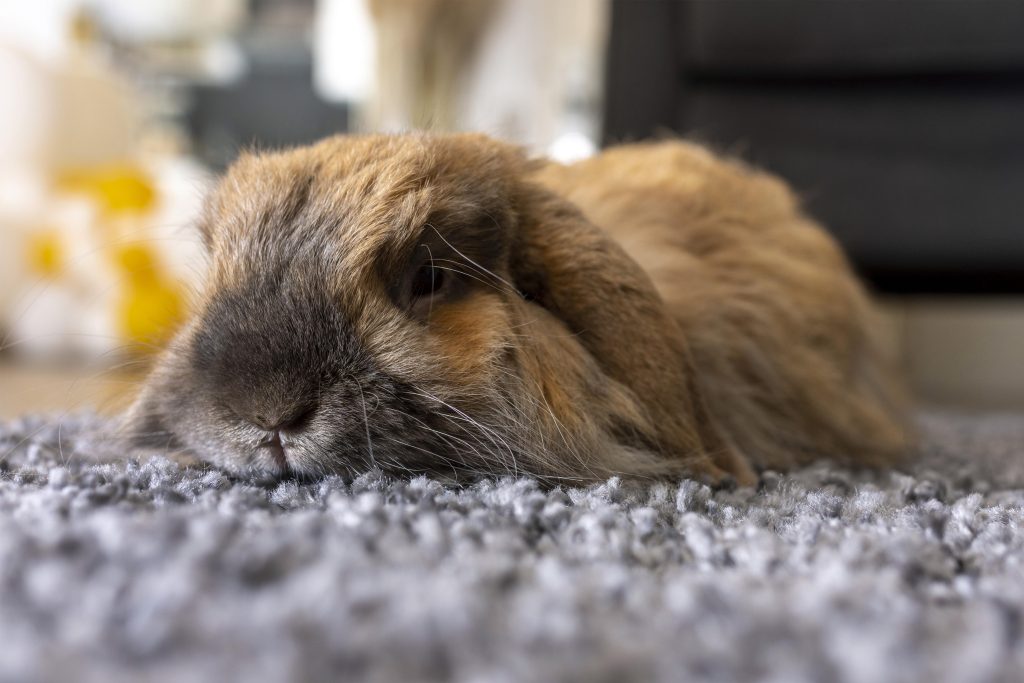
Many adult rabbits carry small parasite populations within their digestive tracts without obvious illness. Problems occur when parasite numbers surge due to stress, overcrowding, poor sanitation, or a weakened immune system.
Pinworms (Passalurus ambiguus) are among the most common intestinal parasites found in domestic rabbits. These small, thread-like worms live in the cecum and large intestine. While mild pinworm burdens often cause no symptoms, heavy infestations lead to rectal itching, mild digestive distress, weight loss, and visible small white worms on fresh fecal pellets.
Coccidia (Eimeria species) can affect the intestinal tract or liver depending on the specific organism involved. Veterinary parasitology research indexed on NCBI PubMed documents these differences, with hepatic infections (Eimeria stiedae) being particularly concerning because they cause structural damage to the liver and biliary ducts. Intestinal coccidiosis damages the lining of the gut, causing severe watery diarrhea, rapid dehydration, and poor growth rates in young rabbits.
Giardia is a less common protozoal parasite in rabbits but can contribute to digestive upset, particularly in stressful environments or animals with weakened immune defenses. Diagnosis typically requires microscopic examination of stool samples because symptoms overlap with other gastrointestinal disorders.
Common Rabbit Parasites at a Glance
| Parasite | Type | Main Clinical Signs | Risk Level |
|---|---|---|---|
| Ear Mites (P. cuniculi) | External | Thick ear crusts, head shaking, intense itching | Moderate to severe |
| Fur Mites (Cheyletiella) | External | Flaky skin (“walking dandruff”), fur loss along spine | Moderate |
| E. cuniculi | Internal | Head tilt, rolling, urinary incontinence, cataracts | High / Critical |
| Coccidia (Eimeria) | Internal | Watery/bloody diarrhea, weight loss, liver disruption | High (especially in kits) |
| Pinworms (Passalurus) | Internal | Anal itching, weight loss, visible worms in stool | Low to moderate |
| Fleas & Ticks | External | Localized itching, skin irritation, anemia risk | Variable |
| Flystrike (Fly Larvae) | External | Visible larvae in skin/fur, open wounds, rapid collapse | Emergency |
4. Never Use Dog or Cat Flea Products on Rabbits
Over-the-counter flea and tick treatments designed for dogs and cats pose an extreme hazard to rabbits. The ASPCA explicitly warns that products containing fipronil are exceptionally toxic to rabbit physiology and can trigger severe seizures, neurological damage, or death, even in small doses.
Rabbits groom themselves constantly, meaning topical powders, sprays, or dog collars will be ingested directly. Accidental exposure to off-label flea products requires immediate emergency care; recognize these risks early by reviewing rabbit poisoning symptoms. The danger is not limited to flea products; many medications considered safe for dogs or cats have not been evaluated for rabbit metabolism, making species-specific veterinary guidance essential.
5. How Rabbits Become Infected With Parasites
Parasites enter a rabbit’s environment through several distinct entry points, meaning indoor housing alone does not guarantee complete protection.
Contaminated Hay and Greens: Microscopic parasite eggs, larvae, or spores can easily hitch a ride into your home on commercial hay bales, wild-harvested forage, or unwashed garden vegetables exposed to wild rodents and birds.
Secondary Household Pets: Dogs and cats that spend time outdoors frequently carry fleas, ticks, or fur mites inside on their coat, inadvertently transferring them to house rabbits during casual interaction.
New Rabbits and Unquarantined Animals: Introducing a newly adopted rabbit without a strict quarantine period is a leading transmission route for fur mites, pinworms, and active coccidiosis in multi-rabbit homes.
Contaminated Bedding and Environments: Microscopic eggs and resilient spores survive for extended periods in damp bedding, unwashed litter trays, or outdoor runs previously visited by wild rabbits or rodents.
6. Can Indoor Rabbits Get Parasites?
Yes, indoor rabbits can and do contract parasites. While living indoors significantly reduces direct exposure to wildlife and heavy pest populations, indoor environments are not completely sterile.
In my observational work with Mocha and Chino, my resident bonded pair, I’ve seen firsthand how important routine coat checks remain even for strictly indoor pets. Microscopic spores and parasite eggs can enter homes on hay shipments, shoes, clothing, or secondary household pets that venture outside.
Internal parasites like E. cuniculi can also lie dormant in a rabbit’s system for years before an opportunistic stressor allows symptoms to appear. Parting the fur down to the skin along the spine during weekly handling helps catch hitchhiking external pests before an infestation takes hold.
7. Parasite Symptoms Can Mimic Other Rabbit Health Problems
Not every rabbit exhibiting itching, stool disruptions, or neurological signs is hosting parasites. Because rabbits display a limited range of symptoms for very different underlying conditions, accurate diagnosis requires differentiating parasitic causes from other medical issues.
- Ear Mites vs. Ear Infections: Flaky ear crusts are classic for ear mites, but severe bacterial rabbit ear infections inside the middle or inner ear cause intense pain, head shaking, and balance loss without crusty external debris.
- Intestinal Parasites vs. Dental Disease & GI Stasis: Weight loss and soft cecotropes stem from pinworms or coccidia, but painful rabbit dental disease or early GI stasis disrupt gut motility and produce identical changes in stool size and appetite.
- External Mites vs. Skin Allergies or Fungal Infections: Fur loss and dandruff along the spine are common with Cheyletiella mites, but ringworm (a fungal infection) or contact dermatitis can create similar patchy skin lesions.
Treating for parasites without verifying the underlying cause risks delaying proper treatment for bacterial infections, dental spurs, or primary gastrointestinal disorders.
8. How Veterinarians Diagnose Parasites
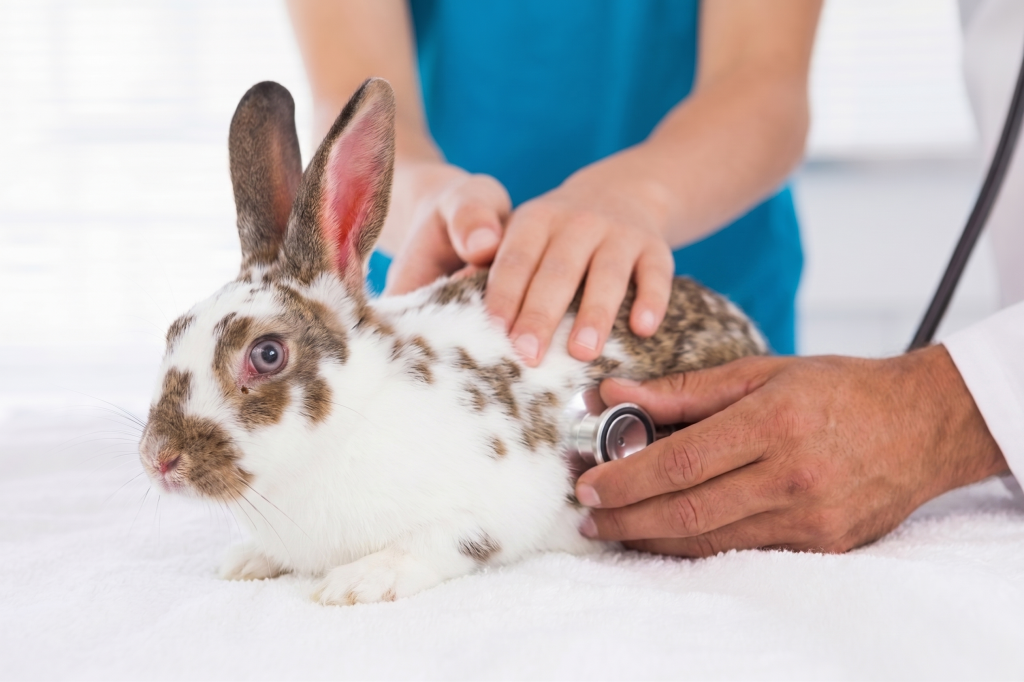
Diagnosis usually combines a thorough physical examination with targeted diagnostic testing depending on the suspected parasite. Veterinary literature, including clinical reviews published in the Journal of Exotic Pet Medicine, highlights the importance of combining clinical signs with laboratory confirmation rather than treating blindly.
- Physical Examination: Visual inspection of skin, hair shafts, ear canals, eyes, and overall body condition.
- Fecal Floatation and Smear: Microscopic evaluation of fresh stool samples to identify intestinal worm eggs, pinworms, or coccidial oocysts.
- Skin Scrapings & Tape Impression: Collecting epidermal debris or loose flakes to verify the presence and species of mites under magnification.
- Serology (Blood Testing): Measuring specific antibody levels (IgG and IgM) to evaluate active vs. past exposure to E. cuniculi.
9. How Veterinarians Test for and Diagnose Rabbit Parasites
Because each parasite behaves differently, your veterinarian will choose a treatment strategy based on the specific diagnosis rather than prescribing a general dewormer. Veterinary medical resources like the National Center for Biotechnology Information detail specific treatment protocols for rabbit parasitic enteritis (Passalurus ambiguus pinworms, coccidiosis, and protozoal infections) rather than routine preventative deworming.
Management of E. cuniculi typically involves targeted oral medications like fenbendazole to suppress parasite replication, often paired with anti-inflammatory drugs to control tissue swelling. External parasites like ear and fur mites are usually eliminated using rabbit-safe topical antiparasitics such as selamectin or ivermectin. Microscopic protozoa like coccidia require specific antiprotozoal medications such as ponazuril or toltrazuril.
Targeted drugs are only part of the equation—supportive care is just as crucial during recovery. Severe parasitic infections can quickly lead to dehydration or cause a stressed, uncomfortable rabbit to stop eating. In these cases, veterinarians often prescribe fluid therapy, gut-motility medications, and syringe feeding to prevent or manage GI stasis.
Why You Should Never Treat Parasites Without a Diagnosis
Attempting home remedies or administering leftover medications without veterinary testing is dangerous for several reasons:
- Mismatched Medications: Dewormers formulated for intestinal roundworms have zero effect on microscopic protozoa like coccidia or microsporidia like E. cuniculi.
- Symptom Overlap: Ear crusts can stem from bacterial ear infections rather than ear mites; treating with antiparasitics alone allows severe bacterial infections to worsen.
- Dosing Sensitivity: Rabbits have unique metabolic profiles, and incorrect dosing of even rabbit-safe antiparasitics can lead to organ stress, GI stasis, or toxic reactions.
10. Are Rabbit Parasites Dangerous?
The overall severity of a parasitic infection depends on the parasite type, the age and health status of the rabbit, and how rapidly medical care begins.
- Low-to-Moderate Risk: Light pinworm infections or minor fur mite infestations are readily treated and rarely life-threatening if addressed promptly.
- High Risk: Active E. cuniculi infections, systemic hepatic coccidiosis, and flystrike (where fly larvae feed on living skin tissue) represent severe medical emergencies that require immediate clinical intervention.
11. Creating an Environment That Reduces Parasite Risk
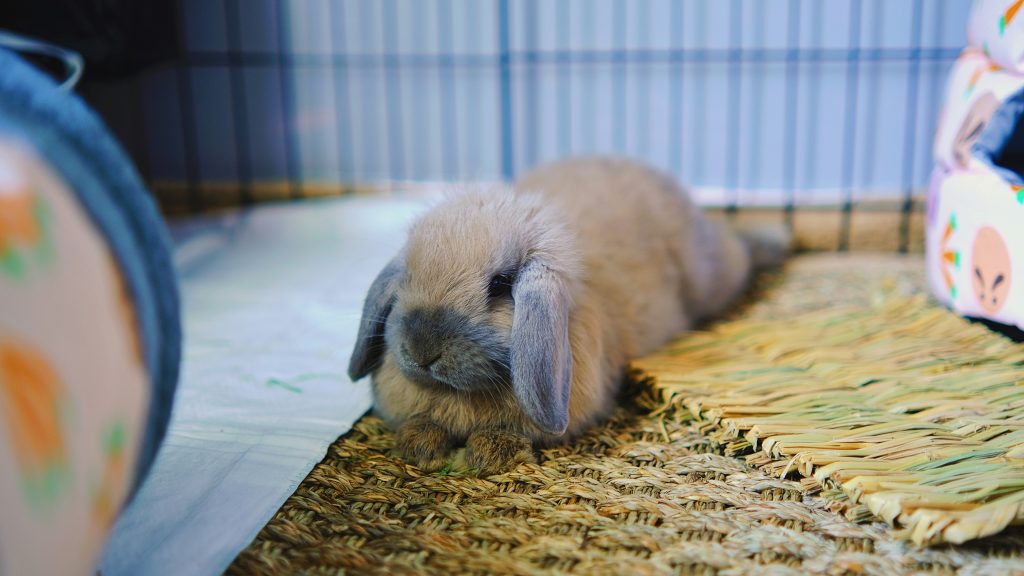
Preventing parasitic problems comes down to breaking transmission cycles before microscopic eggs, spores, or insects can establish a presence. Routine housing management is far more effective than trying to clear a widespread infestation after the fact.
Daily litter box maintenance forms the first line of defense against internal parasites. Removing soiled bedding prevents damp, warm pockets where coccidial oocysts mature and fly larvae hatch. Pair this with a thorough weekly cleaning of all plastic surfaces, food dishes, and water bowls using rabbit-safe disinfectants to keep ambient spore counts low.
Dietary sanitation ensures that entry vectors through food are eliminated. Forage, fresh garden greens, and commercial hay should be inspected before serving. Rinsing fresh greens thoroughly under running water washes away outdoor soil residue that might carry wild rodent droppings or parasite eggs. Reviewing my comprehensive rabbit health guide can help you build daily habits and dietary routines that keep your rabbit’s immune system and gut motility strong against opportunistic infections.
Managing animal introductions safeguards the entire household. Whenever you bring a new rabbit into your home, set up a dedicated quarantine area in a separate room for 14 to 30 days. Completing a full veterinary intake exam, including a fecal check, ensures you are not introducing fur mites or pinworms to resident pets.
When I do weekly housing cleanouts for Mocha and Chino, I’ve found that pairing a quick enclosure scrub with a weekly rabbit health check at home keeps health issues from sneaking up on us. It takes just a few minutes, but catching subtle coat or weight shifts early saves a lot of stress down the road.
12. When Should You Call a Vet?
Contact an exotic veterinarian immediately if your rabbit displays any of the following warning signs:
- Rapid onset of head tilt, involuntary rolling, or loss of balance
- Seizures, tremors, or weakness in the hind legs
- Complete cessation of eating or drinking for more than 12 hours
- Severe, watery diarrhea or soft, foul-smelling discharge
- Visible white crusts in the ear canals or live larvae on the skin
13. FAQ Section
Can rabbits get parasites?
Yes. Rabbits can contract external parasites such as mites, fleas, and ticks, as well as internal parasites including E. cuniculi, pinworms, and coccidia.
What are the most common rabbit parasites?
The most common external parasites are ear mites (Psoroptes cuniculi) and fur mites (Cheyletiella). The most common internal parasites are E. cuniculi, coccidia, and intestinal pinworms.
How do rabbits get parasites?
Rabbits usually acquire parasites through contaminated bedding, unwashed hay or greens, direct contact with infected animals, or parasite eggs brought indoors on clothing, shoes, or secondary household pets.
How do I know if my rabbit has worms?
You may notice small, white, thread-like worms in your rabbit’s fresh fecal pellets. Other signs include unexplainable weight loss, a dull coat, or localized itching around the anal area.
Can indoor rabbits get parasites?
Yes. Indoor rabbits can contract parasites carried in on commercial hay, shoes, clothing, or secondary household pets, or suffer from dormant internal infections like E. cuniculi.
Can rabbit parasites spread to other rabbits?
Yes. Many parasites pass easily between rabbits through direct social contact, shared bedding, mutual grooming, or fecal contamination. If one rabbit in a household is diagnosed with mites, pinworms, or coccidia, a veterinarian will often recommend evaluating or treating all bonded partners simultaneously.
How often should I check my rabbit for parasites?
A quick weekly health check is ideal. Parting the fur down to the skin along the spine, inspecting the ear canals, and checking the rear end for dirt or soft stool takes less than two minutes and allows you to catch external pests before an infestation becomes severe.
How often should rabbits be treated for parasites?
Rabbits should not be given routine, prophylactic parasite treatments without cause. Antiparasitic medications should only be administered when diagnosed or recommended by an exotic veterinarian.
Are rabbit parasites contagious to humans?
Most rabbit parasites are species-specific. However, certain strains of fur mites (Cheyletiella) can cause temporary skin irritation in humans, and E. cuniculi can potentially infect severely immunocompromised individuals.
Can rabbit parasites kill them?
Yes. Conditions such as untreated flystrike, severe hepatic coccidiosis, or complications from advanced E. cuniculi infections can be fatal without prompt veterinary care.
14. Conclusion
Most rabbit parasites respond well to prompt treatment, but delays allow minor infestations to become serious illnesses. A few minutes spent checking your rabbit’s coat, ears, appetite, and droppings each week can help you detect problems early, begin treatment sooner, and protect your rabbit’s long-term health.
Medical & Veterinary Disclaimer: Bunnyowners.com is an informational resource for rabbit owners and enthusiasts. We are not veterinarians. The content on this website is for educational purposes only and is not a substitute for professional veterinary advice, diagnosis, or treatment. Always consult a qualified veterinarian with any questions or concerns regarding your pet’s health, medical conditions, diet, or overall care. If you have concerns about your rabbit’s health, it’s always best to reach out to a veterinarian rather than relying solely on information found online.