
Veterinary & Affiliate Disclaimer: Bunnyowners.com shares educational rabbit care resources, not professional veterinary advice. Always consult a qualified veterinarian regarding your rabbit’s medical, dietary, or behavioral needs. This post may also contain affiliate links; as an Amazon Associate and affiliate partner, we earn from qualifying purchases at zero extra cost to you.
If you have discovered tiny white specks or small, crawling organisms on your rabbit’s hindquarters, you are dealing with a critical veterinary crisis. This is not a minor skin irritation or a situation where you can monitor your pet overnight to see if their condition improves. You are looking at a fast-moving parasitic condition called Flystrike, that requires urgent, professional medical intervention to prevent severe internal injury.
Rabbit flystrike is an acute, life-threatening condition where blowflies lay eggs on a rabbit’s coat. The eggs hatch into larvae that quickly burrow into and damage living tissue. Affected rabbits require immediate emergency veterinary treatment to prevent fatal shock and systemic infection.
While observing the daily grooming habits of my own rabbits, Mocha and Chino, I am consistently reminded of how critical a clean coat is to keeping pests at bay. After years of tracking rabbit health data, I’ve seen how quickly a sudden spike in summer humidity can shift insect behavior, turning a standard backyard setup into a high-risk zone in less than an afternoon. This guide skips the textbook fluff to give you a clear breakdown of the early warning signs, the stages of progression, and the immediate emergency steps you need to protect your rabbit.
1. Understanding Rabbit Flystrike
Think of flystrike as an aggressive, rapid parasitic infestation. The cycle begins when blowflies—primarily greenbottles (Lucilia sericata) or bluebottles (Calliphora vomitoria)—locate a warm, damp, or soiled patch on a rabbit’s body to deposit their eggs.
According to seasonal veterinary field notes on ectoparasites compiled within the Vet Times Clinical Management Archive, unexpected shifts in ambient temperature and humidity heavily influence fly breeding activity and accelerate their life cycles.
Why rabbit anatomy makes them targets
The evolutionary traits of rabbits inadvertently make them vulnerable to this condition:
- Dense Undercoats: Their thick fur provides excellent thermal insulation but easily traps moisture, urine, and soft cecal material against the skin during warm weather.
- Delicate Skin Barrier: Beneath that dense fur lies remarkably thin, fragile skin that quickly becomes irritated, inflamed, or ulcerated when exposed to chronic moisture.
- Prey Instincts: As documented in research published via PubMed Central’s Rabbit Basic Science Study, rabbits instinctively conceal signs of pain or vulnerability. A small skin scratch or a minor buildup of stool can easily pass unnoticed by an owner, yet foraging flies can detect the scent from significant distances.
How quickly do eggs hatch?
In warm, humid summer conditions, blowfly eggs can hatch in as little as 8 to 12 hours. The emerging larvae immediately begin secreting specialized enzymes that dissolve the superficial layers of the skin. This allows them to migrate into deeper skin and underlying tissues.
The progression is incredibly swift. As the larvae feed, toxins and bacteria can quickly enter the bloodstream, leading to shock and severe infection. This toxic influx often triggers acute physiological shock, escalating to full multi-organ failure within 24 to 48 hours if left untreated.
How Fast Does Rabbit Flystrike Progress?
| Time | What Happens |
| 0 Hours | A blowfly detects moisture or odor and lays an egg cluster on the fur. |
| 8–12 Hours | The eggs hatch into highly active, microscopic larvae. |
| 12–24 Hours | Larvae migrate to the skin and begin causing structural tissue damage. |
| 24–48 Hours | Toxins enter the bloodstream, potentially causing shock, sepsis, and organ failure. |
2. Rabbit Flystrike Symptoms
Identifying flystrike during its earliest stages requires careful, routine physical inspections rather than waiting for obvious behavioral changes. Clinical handling metrics published by the Journal of Applied Animal Welfare Science stress that early detection is the single most critical factor in avoiding complex surgical tissue reconstruction.
Early warning indicators
Owners should look for these early signs during daily health checks:
- Damp or Matted Fur: Unexplained wetness around the perineum, tail, lower abdomen, or skin folds.
- Fecal Contamination: Dried feces or soft, unconsumed cecotropes caked into the fur around the rear end.
- Egg Clusters: Tiny, cream-colored, elongated eggs glued firmly to the hair shafts near the base of the skin. They resemble small clusters of uncooked white rice.
- Distinct Odor: A sharp, metallic, or unusually sweet, foul scent emanating from the rabbit or their enclosure.
- Behavioral Irritation: Sudden leg stamping, frantic biting at the hindquarters, or a general inability to rest comfortably.
- Compulsive Grooming: Persistent, focused licking or scratching directed at the genital or tail areas.
Advanced signs of severe infestation
As the larvae migrate deeper into the tissue, the clinical signs become starkly apparent:
- Visible Larval Activity: Active, worm-like larvae crawling through the fur or within distinct openings in the skin.
- Dermal Breaches: Punched-out holes, raw wounds, or weeping channels where tissue degradation has occurred.
- Severe Skin Discoloration: The surrounding skin turns an angry dark red, purple, or necrotic black.
- Signs of Severe Pain: Loud, rhythmic grinding of their teeth (bruxing), paired with a rigid, hunched posture and wide, unresponsive eyes.
- Physical Collapse: Complete lethargy, where the rabbit becomes limp and stops responding to touch or movement.
- Systemic Shock: Pale or blue-tinged mucous membranes (gums), rapid and shallow respiration, and ears that feel notably cold to the touch.
Emergency Action Matrix
| Presentation Level | Clinical Indicators | Required Immediate Action |
| Early Warning | Damp hindquarters, visible egg plaques, mild off-putting odor, or persistent scratching. | Perform a thorough, close-up skin inspection. Contact your regular or emergency exotic veterinarian to schedule a priority appointment. |
| Advanced Tissue Injury | Visible tunneling larvae, open or weeping skin lesions, and loud, painful tooth grinding. | Drop everything. This is an absolute emergency. Place the rabbit securely in a carrier and proceed to the nearest emergency veterinary hospital immediately. Call the clinic while en route. |
| Systemic Shock | Complete physical immobility, hypothermic (cold) ears, pale gums, and open-mouth panting. | Critical life-support window. Wrap the rabbit gently in a clean, dry towel to preserve remaining body heat. Maintain a quiet environment during transit and drive directly to surgical triage. |
3. What Do Flystrike Eggs and Maggots Look Like?
Recognizing exactly what you are looking at can save your rabbit’s life. Because flies target hidden areas, you need to know how to identify the infestation at three distinct phases.

Flystrike eggs
Flystrike eggs are tiny, cream-colored, and elongated. They are deposited in dense clusters, stuck firmly to the hair shafts very close to the rabbit’s skin. They look almost identical to a small clump of uncooked white sesame seeds or microscopic grains of white rice. They cannot be easily blown or brushed away.
Newly hatched larvae
Within hours of hatching, the larvae are extremely small, translucent, and highly mobile. At this stage, they look like tiny, pale threads twisting through the base of the fur. They naturally move away from light, migrating straight toward the skin barrier to begin feeding.
Advanced infestation
As the maggots mature, they grow significantly larger, becoming thick, cream-colored, segmented worms. In an advanced infestation, you will see multiple larvae actively moving inside distinct, weeping holes or channels in the rabbit’s skin. The surrounding fur is usually wet, matted, and accompanied by a strong, foul odor.
Diagnostic Comparison: Identifying Common Rear-End Issues
| Condition | Visible Eggs | Active Maggots | Wet or Soiled Fur | Veterinary Emergency Status |
| Flystrike | Yes (Cream, rice-like) | Yes (Segmented larvae) | Often (Urine or feces) | Immediate Emergency |
| Fur Mites | No (White skin flakes) | No | No (Dry, flaky coat) | Schedule priority vet visit |
| Abscess | No | No | Sometimes (Pus discharge) | Schedule urgent vet visit |
| Urine Scald | No | No | Yes (Chronic wetness) | Schedule urgent vet visit |
4. What Causes Flystrike in Rabbits?
The primary drivers of this condition belong to the Calliphoridae family of flies. These insects possess highly sensitive olfactory receptors capable of identifying decaying organic material or chemical signatures from remarkable distances.
A common misconception is that this issue only affects outdoor animals. However, a single fertile blowfly entering a home through an open door or a damaged window screen can easily target an indoor rabbit’s litter box or grooming blind spots, making indoor housing only a partial shield.
Environmental attractants
Flies track specific aromatic compounds to find optimal egg-laying sites:
- Ammonia Accumulation: Soiled bedding or an uncleaned litter box releases heavy concentrations of ammonia, acting as a strong regional beacon.
- Dietary Waste: Dietary Waste: If a rabbit regularly suffers from soft, unconsumed cecotropes or loose stools that stick to the fur, it provides an ideal food source for newly hatched larvae. Understanding proper diet is crucial, as detailed in my extensive rabbit health guide.
- Exposed Tissue: Open scratches, unmanaged skin abscesses, or the raw, weeping lesions caused by chronic urine scald can attract flies directly to vulnerable skin barriers.
Why healthy rabbits can still be affected
While health issues increase vulnerability, perfectly healthy rabbits can occasionally be struck. An unexpected summer heatwave can cause a rabbit to become slightly lethargic, temporarily delaying their usual self-cleaning routine.
If a rabbit experiences a brief spell of mild digestive upset that leaves a small amount of waste on their fur, a fly requires only a brief window of opportunity to deposit eggs. This is why consistent owner vigilance is necessary regardless of the animal’s baseline health.
5. Which Rabbits Are Most at Risk?
While no rabbit is completely immune, certain physiological, behavioral, and structural factors drastically widen the window of risk.
Key risk factors
- Mobility and Weight Obstacles: Obesity prevents rabbits from reaching and cleaning their perineal area. Similarly, senior rabbits dealing with spinal arthritis or hip dysplasia experience pain when bending, leading to a quick decline in self-grooming.
- Urinary and Dermatological Distress: Animals suffering from underlying urinary tracking or bladder sludge issues experience chronic fur saturation. This continuous contact with urine causes urine scald, breaking down the skin barrier and attracting pests.
- Gastrointestinal Imbalances: Data sets detailing how to identify a rabbit is in pain and experiencing digestive stasis, compiled in PMC’s Companion Animal Pain Diagnostic study, shows that physiological stress responses quickly reduce an animal’s capacity to maintain basic hygiene barriers.
- Surgical and Breed Factors: Post-operative patients may have limited mobility due to lingering sedation, pain, or the physical barriers of recovery collars. Long-haired breeds like Angoras or Lionheads trap ambient humidity within their thick woolly undercoats, making it easy for early problems to stay hidden from view.
Rabbit Vulnerability & Target Profiles
| Risk Group | Underlying Primary Triggers | Impacted Sub-Populations | Best Preventative Adjustment |
| Anatomical Hindrances | Physical inability to reach the perineum for self-cleaning. | Overweight rabbits, arthritic seniors, rabbits with spinal deformities. | Transition to a strict high-fiber diet; adjust enclosure for low-entry access; assist with daily grooming. |
| Urinary Saturation | Chronic ammonia exposure from fur wetness, causing skin scald. | Bladder sludge patients, incontinent animals, severe UTI sufferers. | Perform regular hygiene clips of rear fur; utilize pet-safe barrier creams under direct veterinary guidance. |
| Gastrointestinal Issues | Accumulation of soft cecotropes or diarrhea adhering to the coat. | Rabbits on high-sugar or excessive pellet diets; dental disease sufferers. | Maximize unlimited high-quality timothy hay; eliminate simple sugars and treats; monitor fecal output. |
| Breed & Recovery Risks | Hidden moisture pathways under thick fur sheets; post-op movement restrictions. | Angoras, Lionheads, post-operative patients wearing medical collars. | Perform daily tactile separation of the coat layers; increase inspection frequency during surgical recovery. |
6. How Flystrike Progresses: The 5 Stages
The progression of myiasis follows a highly predictable, mechanical sequence that underscores why waiting to see a vet is so dangerous.
- Stage 1: The Deposition (The Drop): A foraging fly detects an odor source, lands on the rabbit, and securely attaches an egg cluster to the fur within minutes.
- Stage 2: The Larval Emergence (The Hatch): Depending on ambient temperature and moisture levels, the egg casings split open within 8 to 24 hours, releasing highly mobile larvae.
- Stage 3: The Dermal Breach: The larvae move down the hair shafts to the skin surface, secreting digestive enzymes that break down the outer skin layers to allow feeding.
- Stage 4: Subcutaneous Tunneling: As the larvae grow, they burrow more deeply into the skin and underlying tissue layers, creating hidden pockets beneath the topcoat.
- Stage 5: Systemic Collapse: The combination of extensive tissue trauma, bacterial infection, and circulating toxins causes a rapid drop in blood pressure, leading to hypothermic shock, coma, and death.
Data compiled by veterinary welfare repositories shows that internal toxicity levels spike exponentially the moment larvae break through the initial skin boundary. Because these pests feed continuously upon hatching, an affected rabbit can go from a completely normal baseline to irreversible systemic shock in less than 24 hours during a warm summer stretch.
7. What to Do If Your Rabbit Has Flystrike
If you discover flystrike, whether it is a cluster of eggs attached to the fur or active larvae moving near the skin, you must seek professional emergency care immediately. Because blowfly larvae naturally move away from light, they will burrow deeply beneath the surface layer of the coat and into skin folds. This means the true extent of the tissue damage is often completely invisible to the naked eye, making immediate professional evaluation vital.
Critical Indicator Guide
Seek emergency veterinary care immediately if your rabbit displays any of the following signs:
- Visible fly eggs or crawling maggots
- A foul-smelling, wet, or weeping rear-end wound
- Sudden lethargy, weakness, or physical limpness
- Cold ears, which indicates a dangerous drop in core body temperature
- A total refusal to eat or drink
- Rapid, shallow, or open-mouth breathing
The Flystrike Emergency Protocol
If your rabbit shows any of the indicators above, follow these exact stabilization and transit steps immediately:
- Call the Emergency Clinic on Speakerphone: Contact your nearest exotic vet or emergency animal hospital while preparing your transport carrier. State clearly: “I have a rabbit with active flystrike and am arriving immediately.” This allows the veterinary team to prepare sedation, pain management, and fluid lines before you arrive.
- Secure the Transport Carrier: Place your rabbit on a flat, stable surface inside a well-ventilated carrier. Avoid adding loose straw or wet rags that could irritate or contaminate open wounds. Adjust your vehicle’s climate control to a comfortable, stable room temperature.
- Preserve Core Body Temperature: Rabbits experiencing parasitic trauma lose body heat rapidly. Gently wrap the animal in a clean, dry towel inside the carrier to help slow down a potential circulatory crash.
- Maintain Strict Silence During Transit: Keep the car radio off and speak only in quiet, low tones. Extreme physical pain leaves rabbits highly susceptible to stress-induced cardiac events; minimizing external noise helps reduce dangerous adrenaline spikes.
- Do Not Extract the Larvae at Home: Keep tweezers and fingers away from the affected areas. Manually pulling or tearing burrowed larvae can rupture their digestive tracts, releasing foreign, toxic proteins directly into the rabbit’s open wounds. This can rapidly accelerate fatal shock.
- Avoid Bathing the Animal: Never submerge a flystrike patient in water. Wetting the coat causes the fur to mat tightly, making it much more difficult for the veterinary team to locate entry wounds. Bathing a patient who is already entering shock will cause their core body temperature to drop dangerously low.
8. Veterinary Treatment for Rabbit Flystrike
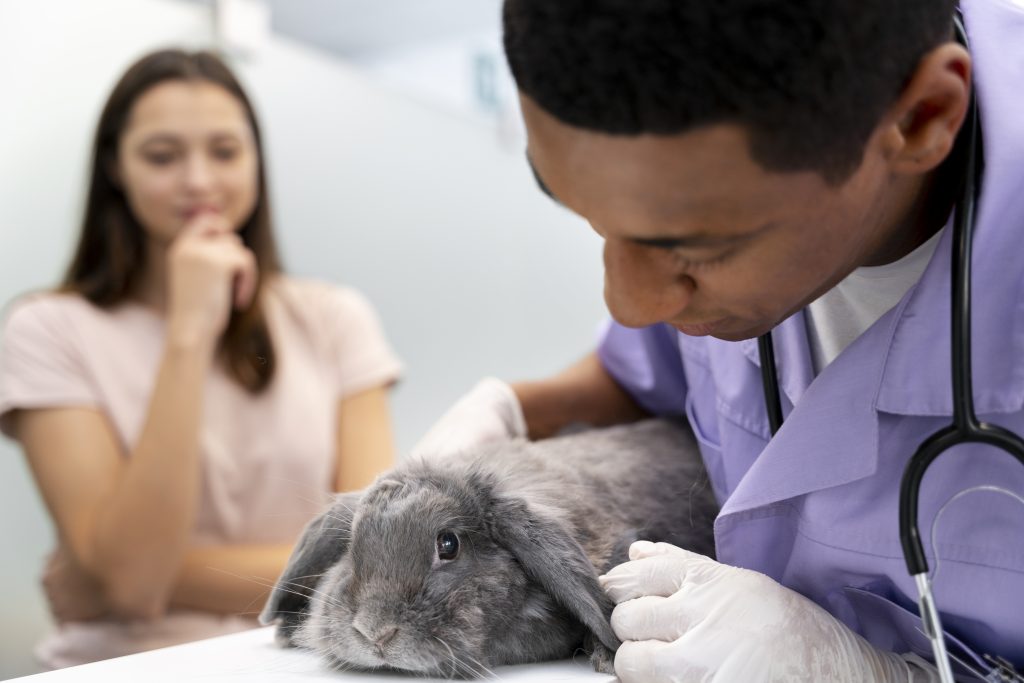
Upon arrival, the veterinary team will bypass standard waiting protocols to stabilize the patient through a coordinated medical sequence.
Stabilization and triage steps
- Pain Management: Vets immediately administer potent, fast-acting analgesics, typically opioids like buprenorphine. This shuts down the severe pain reflex, which helps drop the rabbit’s heart rate into a safer window and stabilizes their nervous system.
- Surgical Debridement: Under carefully managed sedation or gaseous anesthesia, the medical team shaves a wide perimeter around the affected area. They manually remove the visible larvae and surgically cut away dead or infected flesh to halt further tissue decay.
- Fluid Therapy: Warm, balanced electrolyte solutions are delivered via intravenous or subcutaneous lines. This treatment restores failing blood pressure, combats severe hypothermia, and helps the kidneys flush out circulating toxins to combat dehydration.
- Gastrointestinal Support: The patient is moved to a temperature-controlled incubator for close monitoring. Structural husbandry variables detailed within the Journal of Animal Shelter Veterinary Medicine stress that secondary systemic stressors must be countered immediately using targeted recovery feeding to prevent a rapid onset of gastrointestinal stasis.
Clinical Intervention vs. Home Mitigation Pitfalls
| Veterinary Surgical Protocol | Intended Therapeutic Outcome | Common Home Alternative | Consequence of Home Postponement |
| Opioid Analgesia | Blocks severe pain pathways; stabilizes heart rate to prevent shock-induced failure. | Over-the-counter anti-inflammatories or topicals. | Inadequate pain control; delays the essential systemic stabilization window. |
| Surgical Debridement | Clears coat borders; exposes hidden subsurface channels; removes dead tissue. | Manual removal with cosmetic household tweezers. | Misses deep larval tracks; risks rupturing larvae and releasing toxic proteins into the bloodstream. |
| Intravenous Fluids | Restores blood pressure; supports vital organ filtration; dilutes metabolic waste. | Syringe-feeding water or offering extra water bowls. | High risk of aspiration if the animal is semi-conscious; fails to reverse crashing blood pressure. |
| Incubator Triage | Restores normal core body temperature; manages shock recovery safely. | Placing standard heating pads under a home enclosure. | Creates an uneven heating environment; risks external thermal burns on compromised skin. |
9. When Is Flystrike Most Common?
Flystrike is predominantly a seasonal threat, peaking significantly during the spring and summer months when wild blowfly populations surge. Increased ambient humidity and warm temperatures create an environment where insect life cycles move at an accelerated pace.
However, it is important to recognize that flystrike can happen during cooler months as well. Clinical evaluations documented in the Vet Times Journal on Rabbit Health and Welfare Management note that if a residential space is well-heated and an indoor fly remains active, an indoor rabbit with mobility or digestive challenges remains a viable target. Vigilance must be maintained year-round, with peak focus during damp, warm weather stretches.
10. Recovery and Prognosis After Flystrike
If a rabbit successfully clears the critical 48-hour post-treatment window, the focus shifts to intensive home care. Complete physical healing can take anywhere from a few weeks to several months depending on the depth and extent of the surgical wounds.
When bringing your pet home, ditch the loose bedding or straw entirely. Instead, line a clean, dust-free recovery space with fresh, soft, white towels. The white background isn’t for aesthetics; it’s a practical diagnostic tool that allows you to monitor the surgical wounds for any unexpected bleeding or discharge at a single glance.
Post-operative monitoring and care
Managing home recovery requires strict adherence to your veterinary team’s medical plan:
- Medication Administration: Administer prescribed oral pain medications (such as meloxicam) and antibiotics exactly as directed, even if the rabbit appears comfortable. Unmanaged discomfort can cause an immediate drop in food intake, leading directly to secondary GI stasis.
- Frequent Physical Inspections: Gently check the surgical wounds multiple times per day to monitor for swelling, redness, or foul odors.
- Nutritional Encouragement: Ensure unlimited access to high-quality timothy hay and fresh, water-saturated leafy greens to support hydration. Be prepared to step in with nutritional syringe-feeding formulas immediately if their independent appetite wanes.
- Immediate Relapse Triggers: Any signs of lethargy, self-trauma to the stitches, drop in fecal output size, or drop in ear temperature require an immediate return trip to the veterinary hospital.
Survival odds and prognostic indicators
The overall outlook for an affected rabbit is tied directly to how quickly they receive veterinary care:
- Favorable Prognosis: Rabbits treated early, when the infestation is limited to surface-level egg plaques or newly hatched, superficial larvae, generally have an excellent outlook. If the skin barrier remains largely intact and the animal shows normal alertness, recovery rates are quite high with professional extraction.
- Guarded Prognosis: Occurs when the skin barrier has been broken and multi-point larval tunneling is evident. The rabbit may display mild lethargy and a reduced appetite, requiring intensive 48-hour clinical stabilization and fluid therapy.
- Critical Prognosis: Marked by extensive tissue decay, severe hypothermia, pale or blue mucous membranes, and total unresponsiveness. At this stage, systemic shock is highly advanced, and surgical repair may no longer be clinically viable.
Smaller rabbit breeds possess a highly sensitive metabolic baseline. Because their physiological reserves are limited during acute parasitic stress, their core systems can destabilize rapidly, making early environmental detection paramount.
Pathological Status & Prognostic Indicators
| Prognostic Level | Visual Examination Markers | Underlying Systemic State | Clinical Outlook |
| Favorable / Surface | Tiny egg clusters attached to hair; skin barrier completely intact; alert behavior with warm ears. | Localized superficial contamination; zero systemic toxin absorption. | High recovery rate with prompt professional intervention. |
| Guarded / Tunneling | Skin barrier broken with visible entry holes; decreased appetite; mild lethargy. | Active localized tissue breakdown; secondary bacterial exposure; early signs of GI stasis. | Moderate outcome; highly dependent on immediate 48-hour stabilization. |
| Critical / Sepsis | Large zones of tissue decay; cold ears; complete immobility; pale or blue gums. | Advanced circulatory collapse; severe hypothermia; systemic toxemia from waste absorption. | Poor outcome; requires intensive emergency resuscitation and life support. |
11. How to Prevent Flystrike in Rabbits
Because treating an active strike is physically exhausting for the rabbit and financially draining for the owner, maintaining a strict prevention routine is the single best approach.
Daily Flystrike Prevention Checklist
Morning Protocol
- [ ] Physical Rear-End Inspection: Flip your rabbit gently or lift their tail to check for dampness, stool buildup, or tiny white egg clusters.
- [ ] Litter Box Maintenance: Remove heavily soiled bedding and damp patches; replace with fresh substrate.
- [ ] Diet and Hydration Check: Provide fresh water and check that their morning hay consumption is normal.
Evening Protocol
- [ ] Repeat Rear-End Inspection: Perform a second thorough check of the perineal area before nightfall.
- [ ] Grooming Maintenance: Brush out any mats in long-haired rabbits; remove any trapped debris or loose undercoat.
- [ ] Enclosure Security: Verify that window screens are secure and ensure indoor UV fly traps are operational.
Long-term Care Adjustments
- Maintain Enclosure Cleanliness: Clean and disinfect the entire housing area regularly. Regular maintenance eliminates the heavy ammonia scents that serve as natural attractants for wild insects.
- Manage Chronic Wetness: If your rabbit experiences chronic dirty bottom issues due to physical limitations, consult specific peer-reviewed data on Lagomorph Husbandry and Handling via Southampton ePrints to help plan structural adjustments that avoid handling exhaustion while safely clearing skin zones.
- Groom Long-Haired Breeds Daily: Keep the coats of Angoras, Lionheads, and cashmere breeds free of tangles. Dense matting easily traps ambient moisture and body heat, creating an invisible, ideal environment for nesting pests.
- Address Weight Concerns: Keeping your pet on a healthy rabbit feeding plan prevents obesity and ensures they remain agile enough to perform routine self-cleaning without any trouble.
- Utilize Seasonal Veterinary Guards: During peak fly seasons, ask your rabbit veterinarian whether a veterinary-approved flystrike prevention product, long-acting topical guard, or protective skin barrier cream is appropriate for your rabbit’s specific health needs.
12. Frequently Asked Questions
Can indoor rabbits get flystrike?
Yes. Flies can easily enter residential homes through open doors, windows, or garage spaces. If an indoor house rabbit has mobility issues, a temporary digestive upset, or a slightly soiled backend, a single indoor blowfly can locate and target them easily.
What do flystrike eggs look like?
They appear as dense, small clusters of elongated white or cream-colored specks glued firmly to the base of the hair shafts. They look very similar to a small cluster of uncooked white sesame seeds or tiny grains of rice positioned directly against the skin.
How fast do maggots appear?
In warm, humid weather, blowfly eggs can hatch into active larvae in as little as 8 to 12 hours after the fly deposits them on the animal.
Can rabbits recover completely?
Yes. If the condition is detected early and the rabbit receives immediate professional veterinary care before extensive tissue degradation or systemic shock occurs, they can make a full recovery with zero long-term mobility issues.
Is flystrike contagious?
No, flystrike cannot be transmitted directly from one rabbit to another. However, if multiple rabbits reside in the same enclosure and share similar risk factors—such as an uncleaned litter box or digestive imbalances—the same group of flies will likely target all animals in that space.
Should I remove maggots before seeing a vet?
No. Attempting to pull burrowed larvae out at home can cause them to rupture, which releases harmful toxins directly into the rabbit’s bloodstream and can accelerate systemic shock. It also causes significant pain and delays essential transit time to the clinic. Focus entirely on immediate evacuation.
How often should I check my rabbit in hot weather?
Rabbits should be physically inspected at least twice per day during warm weather stretches—ideally once in the morning and once again in the evening.
13. Conclusion
Flystrike is an undeniably serious condition that requires swift, decisive action from owners, but it is by no means an automatic death sentence. When managing a health risk that can escalate within hours, consistency in your daily care routine is your most effective tool. Transitioning from reactive fixes to proactive daily checks closes the specific environmental loopholes that foraging blowflies rely on.
If you ever find yourself facing an active strike, remember that immediate transit always takes priority over home remedy attempts. Remain calm, secure the animal, and proceed directly to a veterinary professional. Understanding standard physical cues is critical for every owner, as being able to interpret rabbit body language allows you to spot early signs of distress long before a health issue escalates.
Medical & Veterinary Disclaimer: Bunnyowners.com is an informational resource for rabbit owners and enthusiasts. We are not veterinarians. The content on this website is for educational purposes only and is not a substitute for professional veterinary advice, diagnosis, or treatment. Always consult a qualified veterinarian with any questions or concerns regarding your pet’s health, medical conditions, diet, or overall care. If you have concerns about your rabbit’s health, it’s always best to reach out to a veterinarian rather than relying solely on information found online.