
Veterinary & Affiliate Disclaimer: Bunnyowners.com shares educational rabbit care resources, not professional veterinary advice. Always consult a qualified veterinarian regarding your rabbit’s medical, dietary, or behavioral needs. This post may also contain affiliate links; as an Amazon Associate and affiliate partner, we earn from qualifying purchases at zero extra cost to you.
If you’re deciding whether to adopt a single rabbit—or worrying that your lone bunny at home is secretly lonely—you’ve likely encountered plenty of conflicting advice online. Forum posts often insist that keeping a solo rabbit is inherently cruel, saddling well-meaning owners with unnecessary guilt. Before rushing out to adopt a second bunny, it helps to pause, examine actual rabbit behavior, and see how an indoor home environment shifts what a rabbit truly needs to thrive.
Rabbits can live alone and still lead happy, healthy lives under the right conditions. While domestic rabbits are naturally social animals that often thrive in bonded pairs, a solo rabbit can flourish when provided with regular daily interaction, spacious housing, and varied foraging enrichment. Living alone is often the safest choice for rabbits with severe territorial aggression, specific medical needs, or failed bonding histories.
Navigating this decision comes down to your specific rabbit’s personality, age, and medical history—not rigid online rules. In this guide, we’ll explore key aspects of rabbit behavior and social dynamics, pinpoint when a solo lifestyle is actually the safest path, and decode subtle body language so you can be certain your bunny is genuinely thriving.
1. The Reality of Rabbits Living Alone
When evaluating whether a rabbit can live on its own, care must extend beyond basic survival to focus on total behavioral and physical well-being. A single rabbit will not automatically experience poor welfare simply because there isn’t another rabbit present, provided their physical, behavioral, and social needs are appropriately addressed.
To evaluate social housing decisions effectively, consider this practical way to think about solo housing:
- Best-Case Setup: Compatible rabbit companionship combined with dedicated human care.
- Viable Alternative: A single rabbit receiving exceptional space, enrichment, social interaction, and attentive care.
- Poor Welfare: A single rabbit with inadequate space, minimal stimulation, limited interaction, or neglected medical needs.
Tailoring Care to the Individual
A single rabbit’s quality of life rests on the layout of their environment, their freedom of movement, and the quality of regular engagement they receive from their human caregivers. Every rabbit is an individual shaped by genetics, early development, and life history. Animal welfare is best evaluated by considering the individual rabbit’s physical health, behavioral needs, environment, and ability to express normal behaviors.
Paying close attention to your bunny’s body language is essential. While one rabbit might get noticeably vocal or withdrawn without a sidekick, another may happily settle into the routine of being the sole pet, enjoying the fact that they don’t have to share their space, their toys, or your attention with another rabbit.
2. Why Rabbits Are Naturally Social Animals
To understand a rabbit’s social drives, it helps to take a quick look at where their wild counterparts come from. In nature, wild European rabbits live in complex underground networks known as warrens. Living in tight-knit social groups gives them key advantages for survival:
- Group Vigilance: Multiple individuals scanning the environment allows for faster predator detection and collective signaling, such as thumping hind legs.
- Social Grooming (Allogrooming): Mutual grooming around the head and ears reinforces social stability within the group. This type of mutual grooming is an important part of how bonded rabbits communicate affection, trust, and social status.
Domestic rabbits retain many of these social behaviors and instincts, even though their living environment is vastly different from a wild warren. Extensive animal welfare research recognizes the significant social benefits of appropriate, compatible companionship for rabbits.
However, indoor life completely changes the dynamic. House rabbits don’t need to watch the ceiling for hawks, nor do they need to huddle together for warmth in a climate-controlled room. While domestic rabbits still retain their natural social instincts, living indoors shifts their daily companionship needs in ways that vary significantly depending on their individual temperament, history, and home setup.
3. Can a Single Rabbit Be Happy?

A single rabbit can live a content and enriched life, but it requires an attentive owner who treats them as a true companion rather than a low-maintenance pet.
When single rabbits receive regular contact, they can form incredibly close bonds with their humans, and some owners notice their rabbits actively seek them out and respond to changes in their daily routine. Some solo rabbits follow their caregivers from room to room, become closely attached to daily household routines, and actively hop up on the couch to demand their evening head rubs.
The Richness of a Solo Routine
Predictability and stimulation are critical for a single rabbit’s daily routine. Establishing a consistent daily care schedule—including regular play periods, grooming routines, and varied foraging opportunities—keeps a single rabbit mentally sharp.
It is also important to note that continuous activity is not necessary for contentment. Even when living in pairs, bunnies spend a significant portion of their day resting, stretching out, and observing their surroundings. A single rabbit provided with a secure, enriched environment can still display relaxed, comfortable behavior and enjoy a good quality of life.
4. When Living Alone May Be an Appropriate Choice
While bonded pairs provide valuable social benefits for many rabbits, specific circumstances make keeping a single rabbit the safer or more practical management choice.
Situations Where Solo Housing May Be Appropriate
| Rabbit Status or Condition | Primary Behavioral or Medical Reasoning | Long-Term Management Strategy |
|---|---|---|
| Senior or Frail Bunnies | May be vulnerable to stress or physical injury during energetic bonding or dominance attempts. | Evaluate carefully; some seniors thrive with a gentle companion, while others are better suited to single housing if introductions risk health. |
| Disabled or Chronically Ill | May require specialized medical zones, strict hygiene monitoring, or non-competitive feeding areas. | Prioritize medical stability; pair only if the companion safely accommodates health needs without risking injury or disease transmission. |
| Hyper-Territorial Individuals | Display severe, persistent aggression despite appropriate spay/neuter status and carefully managed bonding attempts. | Accept single status to prevent severe physical injury, chronic stress, and repeated bonding trauma. |
| Household Constraints | The owner cannot safely accommodate two rabbits with adequate individual space and medical emergency funds. | If you cannot safely manage two rabbits, do not acquire a second out of obligation; maximize care and space exclusively for one pet as a responsible compromise. |
Personality plays a massive role in whether two rabbits will ever get along. Living with my own bunnies, Mocha and Chino, has shown me just how fiercely individual they can be when it comes to personal space and boundaries. Territorial behavior is often the biggest hurdle in bonding, especially if a rabbit is determined to guard its domain. Pushing through repeated, failed bonding dates with a hyper-territorial bunny only creates severe stress and risks real physical injury—making a solo setup the much safer, kinder choice.
5. When Rabbits Benefit Most From a Companion
There are plenty of times when bringing in a compatible bunny buddy makes a world of difference. Energetic young rabbits who crave constant interaction often thrive when they have a friend to zoom around with. A second rabbit is also a huge help for busy households where everyone is out for long stretches, giving your bunny a built-in companion to hang out with when you can’t be there.
Companionship can also be vital when a rabbit loses a bonded partner. Surviving rabbits may show behavioral changes after a bonded partner dies, including reduced activity, altered eating habits, or increased searching for their companion. When a rabbit experiences grief and behavioral changes after losing a companion, introducing a new compatible partner can eventually help provide social comfort and restore familiar daily routines.
After an adequate mourning period, introducing a compatible new partner can help provide comfort and restore familiar social dynamics.
Critical Veterinary Note: If a surviving rabbit stops eating or shows a sharp decline in energy following the loss of a partner, seek immediate veterinary care. A rabbit that stops eating can deteriorate quickly, so owners should recognize the early warning signs of GI stasis rather than attributing the change solely to grief.
6. Can Humans Replace Another Rabbit?
Human companionship is valuable, but it is not a complete substitute for rabbit companionship.
Human Care vs. Rabbit Companionship Capabilities
| What Humans Can Provide | What Only Another Rabbit Can Provide |
|---|---|
| Targeted head scratches, brushing, and handling | Continuous, mutual allogrooming sessions |
| Interactive toys, training, and puzzle games | Nuanced, silent rabbit body language and ear communication |
| Safe, supervised free-roam exercise time | Coordinated, side-by-side flopping and shared rest |
| Regular, dedicated daily social contact | Uninterrupted 24-hour physical presence |
Knowing this shouldn’t make you feel guilty; view it as an environmental design challenge instead. When human caregivers cannot sit on the floor and groom ears around the clock, creating an enriched living space with tunnels, chew materials, and foraging challenges helps bridge that social gap and keeps a single rabbit mentally stimulated.
7. Signs Your Rabbit Is Doing Well
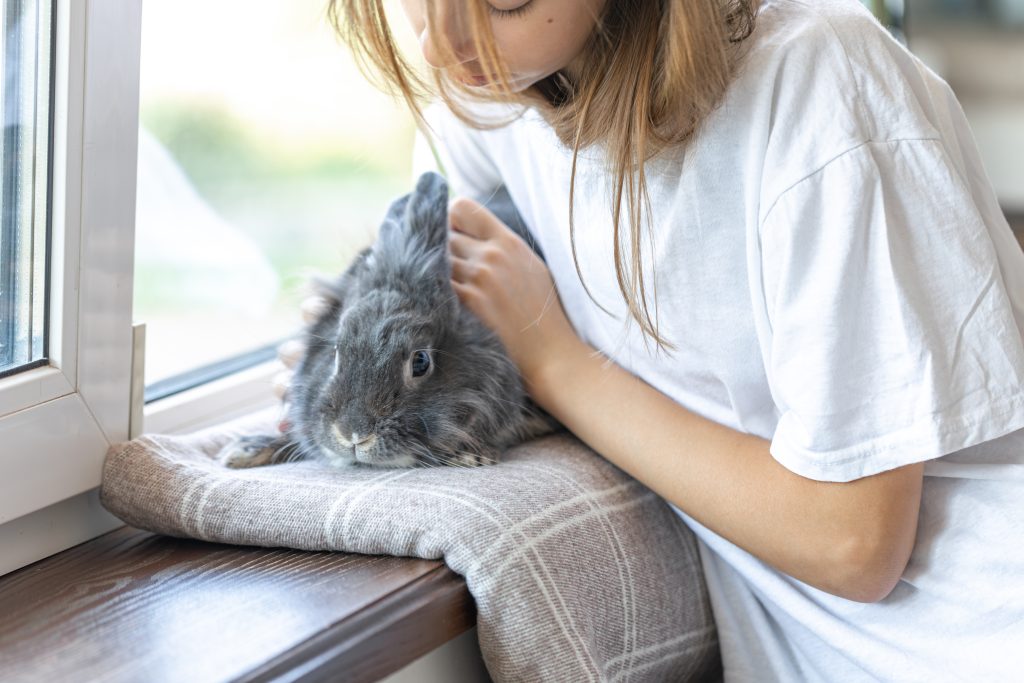
Rather than assuming a single rabbit is inherently lonely, observe their daily behaviors for clear indicators of overall health and welfare. Learning to interpret rabbit body language is especially useful because relaxed behavior, fear, discomfort, and social interest can sometimes look surprisingly similar to inexperienced owners:
- Consistent Appetite: Eagerly consuming hay, greens, and pellets throughout the day.
- Relaxed Body Language: Stretching out flat in a “superman” pose or dropping into a full side-flop, consistent with a relaxed and comfortable state.
- Active Exploration: Investigating new objects, cardboard setups, or temporary changes in the room with curious, upright ears.
- Stable Litter Habits: Consistently using their litter box without sudden stress-induced territorial spraying or scattering.
- Interaction with Caregivers: Approaching humans calmly for treats, grooming, or casual contact, and willingly engaging with their caregivers.
These behaviors are more meaningful when viewed as a pattern over time rather than as proof that a rabbit is either happy or unhappy based on one isolated action.
8. Identifying and Evaluating Behavioral Changes
When a single rabbit is under-stimulated or experiencing stress, their behavior changes. However, these changes must be interpreted carefully alongside potential medical causes:
Emotional and Physical Distress Signals in Rabbits
| Distress Indicator | Observable Behavior Breakdown | Potential Underlying Causes |
|---|---|---|
| Destructive Behavior | Excessive carpet digging, baseboard chewing, or wire biting | High energy, boredom, or lack of chew outlets |
| Repetitive Behaviors | Continuous cage bar-biting, persistent over-grooming | Environmental stress, confinement, or skin irritation |
| Lethargy & Withdrawal | Sitting hunched in corners, ignoring treats or interaction | Primary Risk: Dental pain, GI problems, illness, fear, stress, or other medical issues |
| Sudden Aggression | Lunging, boxing, or biting during routine care | Hormonal shifts, fear, territorial guarding, or acute pain |
Caution: Sudden behavioral shifts like lethargy, withdrawal, aggression, or over-grooming don’t automatically mean your rabbit is lonely. Issues like dental disease, GI trouble, fear, or hidden pain can cause those exact same symptoms, which is why it helps to recognize when your bunny is struggling with physical discomfort or distress before assuming they just need a friend. If a personality change comes on suddenly, persists, or coincides with a drop in appetite or fewer droppings, reach out to a rabbit-savvy vet right away rather than mistaking a medical issue for a need for extra companionship.
9. Spay and Neuter Status: The Hidden Key to Solo Rabbit Success
Before evaluating whether a single rabbit needs a partner, their reproductive status must be addressed. Hormonal drives are one of the leading causes of territorial aggression, destructive chewing, spraying, and sudden mood swings in single rabbits.
- Behavioral Stabilization: Spaying or neutering significantly reduces stress, calms territorial instincts, and allows a single rabbit’s true personality to emerge. Many single rabbits that seem “lonely” or “restless” are simply dealing with unmanaged hormones.
- The Post-Fix Waiting Period: If you decide to adopt a companion later, both rabbits must be fully altered and healed. Male rabbits remain fertile for up to six weeks after neutering, meaning immediate introductions can lead to unexpected litters or severe territorial fights.
Prioritizing reproductive health creates a far calmer single-rabbit setup—and lays the essential foundation if you ever decide to begin the bonding process down the road.
10. Should You Get a Second Rabbit?
Adopting a second rabbit requires careful evaluation of financial, spatial, and time commitments.
Key Logistics Before Adopting a Second Rabbit
| Evaluation Category | Practical Requirements | Long-Term Commitments |
|---|---|---|
| Financial Overhead | Veterinary bills, food, hay, litter, and equipment | Potential doubling of routine and emergency medical costs |
| Enclosure Setup | Space for two distinct enclosures during integration | Temporary or permanent reduction in living area space |
| The Bonding Phase | Neutral territory setup, persistent direct supervision | Significant owner time commitment over weeks or months |
| Compatibility Risks | Potential for persistent bonding failure or fighting | Readiness to house two separate single rabbits permanently if needed |
You can’t just bring a new bunny home, pop them into your current rabbit’s space, and assume they’ll hit it off. The bonding process takes time, requiring completely separate housing at first and slow introductions on neutral ground. Taking the time to learn how rabbits build trust and navigate new relationships can make the whole experience much smoother for everyone involved.
During those introductions, owners may also see mounting, chasing, circling, or other behaviors related to establishing social hierarchy. However, persistent or severe aggression during introductions should never be dismissed as something the rabbits simply need to “work out.” If two rabbits prove permanently incompatible, owners must be prepared to maintain two separate setups for the rest of their lives.
11. Common Myths About Rabbits Living Alone
Misconceptions about rabbit social needs frequently circulate on pet forums. Separating these myths from behavioral science leads to better decisions for your pet:
Myth: Every rabbit must have a companion.
This one-size-fits-all rule completely ignores individual health, history, and temperament. While paired housing is ideal for most rabbits, single housing remains the appropriate choice for certain individuals with extreme territoriality or severe health complications.
Myth: Two rabbits will automatically get along.
Rabbit bonding is highly complex and governed by strict social hierarchies. Forcing incompatible rabbits together can cause serious fights that result in severe injuries and lasting psychological stress.
Myth: A guinea pig is a suitable companion for a rabbit.
Rabbits and guinea pigs should never live together. They have vastly different nutritional needs and communication styles, and a rabbit’s powerful hind legs can easily cause severe injury to a smaller guinea pig. When planning your household setup, it’s essential to evaluate companion animal compatibility before introducing other species to your rabbit’s space.
Myth: Sex alone determines if a rabbit can live alone.
Sex alone doesn’t determine whether a rabbit will do well as a solo pet. Personality, history, health, and reproductive status (spay/neuter) all influence behavior and bonding capabilities.
12. How to Support a Single Rabbit’s Welfare
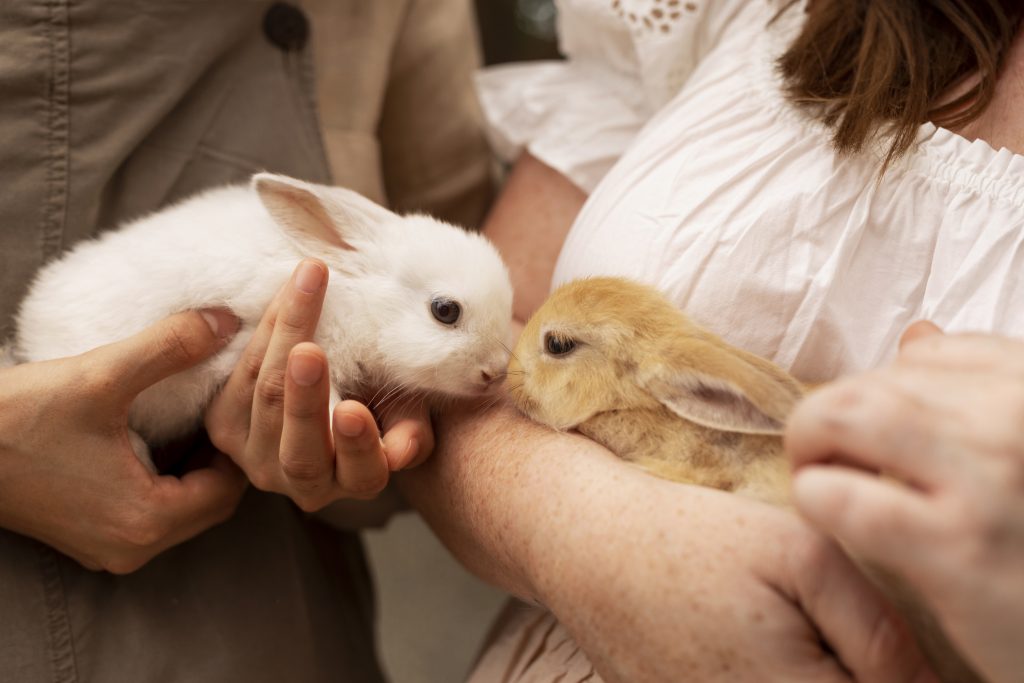
If maintaining a single rabbit is the right choice for your home, establishing a structured daily environment ensures they remain healthy and engaged.
Daily Care Protocol for Solo Rabbits
| Management Area | Targeted Strategy | Practical Benefit |
|---|---|---|
| Daily Interaction | Dedicated ground-level interaction, grooming, and play | Builds human-animal trust and provides social contact |
| Advanced Enrichment | Foraging boxes, chew toys, paper digging zones, toy rotation | Prevents boredom and encourages natural foraging behaviors |
| Ample Exercise Space | Large exercise pens or proofed free-roam areas | Supports physical fitness, sprinting, and natural binky behaviors |
| Predictable Schedules | Set feeding, exercise, and interaction routines | Reduces stress by creating an environment of predictability |
| Proactive Health Care | Regular wellness exams with an exotic specialist vet | Catches early dental disease, arthritis, or gastrointestinal issues |
Daily Interaction
Make time for meaningful floor-level interaction every day. Don’t just sit up on the couch looking down at them—dropping down to their eye level during free-roam time turns you from a looming giant into an approachable companion, allowing your rabbit to seek out nose rubs or explore on their own terms.
Advanced Enrichment
Prioritize enrichment that encourages natural behaviors such as foraging, digging, chewing, and exploration. Give them a cardboard box filled with shredded paper and hidden pellets to dig through, hang fresh herbs just out of reach so they have to stretch, and rotate their toys weekly to keep things from getting stale.
Ample Exercise Space
A bunny confined to a small cage is more likely to become bored, frustrated, or destructive. Giving your solo rabbit adequate space for daily exercise and sprinting during their natural high-energy times at dawn and dusk is essential for physical and mental welfare.
Consistent Routines
Rabbits love predictability. In my daily routines with Mocha and Chino, maintaining strict schedules for morning greens and evening floor time has proven essential for keeping stress levels low. Predictable routines can help reduce stress and give rabbits a consistent sense of what to expect throughout their day.
Proactive Health Care
Because rabbits are prey animals, low-grade physical pain from dental issues or early arthritis often looks exactly like boredom, depression, or laziness. Regular wellness checks with a qualified exotic veterinarian ensure that subtle behavioral shifts are accurately caught and treated early.
13. Frequently Asked Questions
Can one rabbit be happy by itself?
Yes, a single rabbit can have a good quality of life, but living alone does not automatically mean all of their social needs are being met without proactive human interaction, spacious housing, and mental enrichment.
Is it cruel to keep one rabbit?
No, keeping a single rabbit is not inherently cruel. Poor welfare stems from confinement in small cages, zero mental stimulation, neglect, or lack of medical care—not single housing itself.
How much attention does a single rabbit need?
There is no universal number of hours that applies to every rabbit. A solo rabbit needs regular daily social interaction, adequate exercise, enrichment, and opportunities to engage with people throughout the day. The exact amount varies based on the rabbit’s personality, setup, and age.
Should I get another rabbit for my bunny?
Only do this if you have the financial room for double the vet bills, physical space for separate housing during the integration phase, and the time required to manage a slow, careful bonding process.
Can older rabbits live alone?
Yes. Senior rabbits can live alone successfully, but age or chronic health conditions do not automatically mean a rabbit should remain single. Some seniors benefit from a calm, carefully selected companion, while others are better suited to a quiet single setup that allows their medical and mobility needs to be managed more easily.
What if my rabbit refuses to bond?
If a rabbit displays persistent, intense aggression during carefully managed introductions with multiple potential partners, consult an experienced rabbit rescue, bonding professional, or rabbit-savvy vet. If appropriate bonding attempts consistently fail or create significant stress, maintaining the rabbit as a single pet with dedicated human care is often the safest option.
14. Conclusion
When you strip away rigid online rules, deciding if a rabbit can live alone comes down to evaluating the individual animal in front of you. While nature built them to be social, domestic rabbits are resilient and adaptable. When paired housing isn’t feasible due to health, temperament, or living space, owners can give a single bunny an extraordinarily rich life by prioritizing spacious environments, consistent enrichment, and reliable daily interaction.
Pay close attention to their daily habits, respect their unique boundaries, and let your rabbit show you exactly what they need to thrive.
Medical & Veterinary Disclaimer: Bunnyowners.com is an informational resource for rabbit owners and enthusiasts. We are not veterinarians. The content on this website is for educational purposes only and is not a substitute for professional veterinary advice, diagnosis, or treatment. Always consult a qualified veterinarian with any questions or concerns regarding your pet’s health, medical conditions, diet, or overall care. If you have concerns about your rabbit’s health, it’s always best to reach out to a veterinarian rather than relying solely on information found online.