
Veterinary & Affiliate Disclaimer: Bunnyowners.com shares educational rabbit care resources, not professional veterinary advice. Always consult a qualified veterinarian regarding your rabbit’s medical, dietary, or behavioral needs. This post may also contain affiliate links; as an Amazon Associate and affiliate partner, we earn from qualifying purchases at zero extra cost to you.
Watching two rabbits suddenly transform from peaceful companions into a frantic, fur-flying brawl is terrifying for any owner. Whether you are dealing with young rabbits reaching adolescence or bonded rabbits suddenly fighting after years of peace, your immediate goal is understanding whether your pets are in real danger and how to restore calm safely.
Rabbit fights are usually triggered by surging hormones, space conflicts, environmental stress, underlying pain, unfamiliar scents, or a disrupted bond. Mild chasing and mounting can be part of routine social communication, but true violence—including biting, rolling, or flying fur—demands instant separation. Rebuilding their relationship depends on identifying the root cause rather than assuming your pair is permanently broken.
Rabbit fights rarely happen without warning. Long before a full brawl breaks out, rabbits rely on subtle behavior—from body posture and scent shifts to dominance displays—to set social boundaries. In this guide, we will help you decode what your rabbits are trying to communicate, step in safely if a fight is happening right now, and address the root triggers so your pair can safely live together again.
1. Emergency Action Checklist: If Fights Are Happening Right Now
If your rabbits are actively attacking each other, follow this rapid-response checklist before reading further:
- 1. Do not use bare hands: Use a thick folded towel, cardboard barrier, or heavy gloves to break them up safely.
- 2. Separate immediately: Move one rabbit out of line-of-sight to a secure, neutral enclosure.
- 3. Inspect for hidden bite wounds: Check ears, eyelids, feet, and under dense fur for punctures.
- 4. Enforce a 24–48 hour cooldown: Keep them completely separated while adrenaline levels settle down.
- 5. Identify the trigger: Do not attempt reintroductions until you determine why the fight occurred.
2. Are Your Rabbits Actually Fighting or Just Chasing?
Before intervening, it is vital to distinguish between normal hierarchy behavior and true rabbit aggression. Separating rabbits during harmless social communication can unnecessarily disrupt their relationship, while ignoring a real rabbit fight risks severe injury.
To help you quickly evaluate what is happening between your pets, use the comparison below to identify key differences between normal play or dominance displays and genuine violence:
Normal Behavior vs. Serious Fighting
| Behavior Feature | Normal Hierarchy / Playing | Serious Fighting |
|---|---|---|
| Movement | Brief chasing with quick pauses | Continuous, relentless pursuit |
| Physical Contact | Mounting or light, brief nips | Deep biting, locking together, rolling |
| Fur Loss | Minimal or none | Clumps of fur flying everywhere |
| Resolution | One rabbit moves away; short disagreement | Neither backs down; escalation |
| Post-Interaction | Rabbits settle down nearby | One rabbit trapped, cowering, or living in fear |
Dominance displays—such as brief mounting, light chasing, or demanding grooming—are standard ways rabbits communicate rank. Brief mounting behavior is often part of normal rabbit communication rather than a sign that rabbits are trying to harm each other.
These interactions are part of how rabbits establish social order and decide their place within a group. Recognizing fear, submission, and defensive body language can help owners intervene long before a minor disagreement becomes a serious fight.
3. Signs Your Rabbits Need to Be Separated Immediately
If you witness any of the following red flags, step in immediately to prevent trauma or permanent bond damage:
- Locked-together rolling: Rabbits form a tight, spinning ball while kicking and biting.
- Fur flying: Large tufts of fur pulled out during an attack.
- Visible blood or bite wounds: Any physical damage requires instant separation.
- Trapping or cornering: One rabbit actively prevents the other from moving, eating, or drinking.
- Relentless aggression: Repeated, unprovoked lunging without cool-down periods.
- Stress-induced anorexia: One rabbit refuses food due to constant intimidation.
4. The Most Common Reasons Rabbits Fight
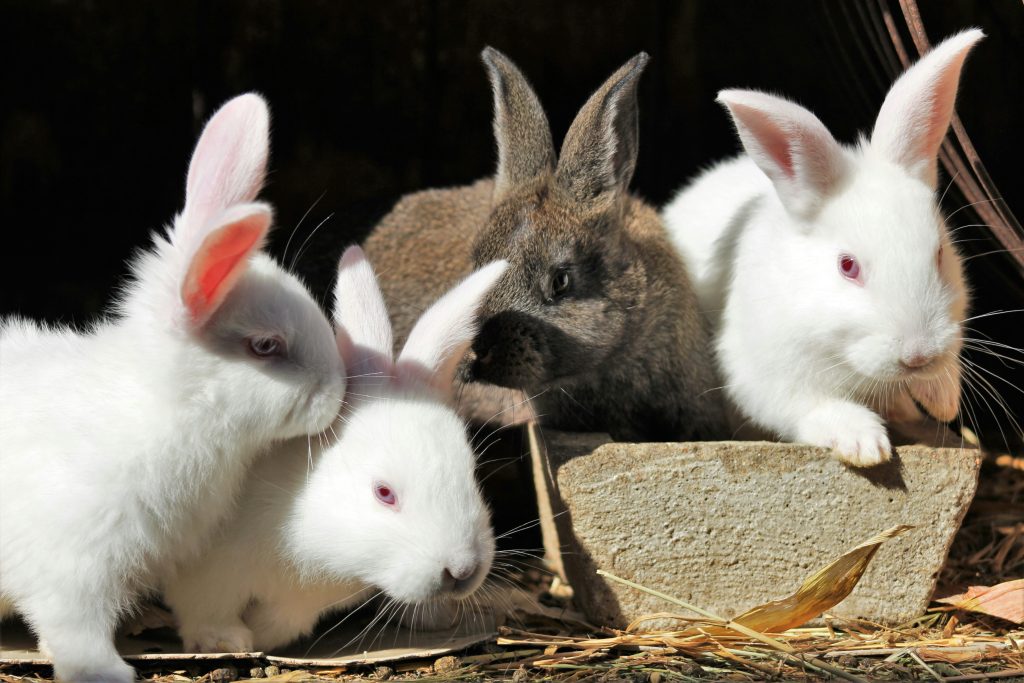
Identifying why the fight occurred is the first step toward fixing the problem. Most aggression stems from specific environmental, physical, or social drivers:
Hormones, Sexual Maturity, and Adolescence
When rabbits reach puberty (usually between 3 and 6 months of age), rising reproductive hormones trigger sudden territorial guarding, mounting, and aggression toward companions. A relationship that worked peacefully during infancy can destabilize rapidly once puberty hits. Following a structured step-by-step introduction process ensures both animals are healthy and neutered before spending time together, which drastically lowers hormone-driven conflicts.
The “Baby Bond” Myth: Why Sibling Rabbits Start Fighting
Many owners assume littermates raised together stay bonded for life. In reality, young rabbits often snuggle and sleep together simply because they haven’t reached sexual maturity. Once adolescence begins, hormonal shifts alter their relationship, often leading to sudden chasing, lunging, and territorial brawling.
Could Your Rabbits Be Missexed?
Young rabbits are notoriously difficult to sex accurately before maturity. If two rabbits believed to be the same sex suddenly begin fighting around 3 to 5 months old, have an exotic veterinarian confirm their sexes. Accidental male-male or intact male-female pairings can contribute to sudden aggression.
Why Rabbits May Still Fight After Spaying or Neutering
Spaying or neutering reduces hormone-driven aggression, but the shift isn’t immediate. Reproductive hormones take several weeks to dissipate after surgery, meaning altered rabbits may continue displaying behavioral outbursts and dominance disputes during this transition window.
Territorial Behavior and Resource Competition
Rabbits are fiercely territorial. This territorial instinct is one reason rabbits may defend specific areas, objects, or resources even against familiar companions. Aggression frequently erupts over high-value real estate like cages, favorite hiding spots, litter boxes, or tight corners, especially when access to food bowls or hay racks is limited.
Unintentional Scent Shifts
Rabbits rely heavily on scent for recognition. When one rabbit returns from a vet visit smelling like antiseptics, medications, or unfamiliar animals, their partner may fail to recognize them. When observing my own rabbits, Mocha and Chino, after a trip to the clinic, the shift can happen in seconds—one will approach for a normal greeting, pause to sniff the strange scent, and instantly thump, avoid, or lunge at their partner until their familiar shared scent returns.
Undetected Illness or Pain
Rabbits mask discomfort, but conditions like dental disease, arthritis, ear infections, abscesses, or GI issues cause irritability that leads to lashing out. Sudden aggression is often a physical symptom rather than a permanent personality change. Alternatively, a healthy rabbit may sense a partner’s physical weakness and aggressively assert dominance.
Environmental Stressors
Sudden household disruptions undermine a rabbit’s sense of security. Providing ample room and creating a stable environment helps maintain peace, as keeping pets in spacious and compatible living quarters minimizes chronic stress and territorial friction.
Common triggers include:
- Moving to a new home or re-arranging furniture
- Loud construction or sudden jarring noises
- Introducing a new domestic pet
- The nearby presence of an unfamiliar rabbit
Loss of a Bonded Companion or Group Dynamics
The loss or removal of a bonded companion disrupts social hierarchy. Surviving rabbits often fight as they attempt to re-establish rank, while introducing a replacement rabbit too quickly can trigger defensive aggression from a grieving survivor.
5. Why Did My Bonded Rabbits Suddenly Start Fighting?
One of the most distressing situations for an owner is when bonded rabbits suddenly start fighting after months or years of harmony. This phenomenon, known as a bond breakdown, rarely happens without an underlying trigger.
One of the most common causes of a sudden fallout is referred aggression. When a rabbit is startled by a loud noise or senses a nearby predator, it may redirect its fear toward its bonded companion. Likewise, sudden pain can make a normally friendly rabbit more defensive or aggressive. When these sparks occur, the recipient naturally defends themselves, escalating a momentary scare into a serious fight.
Once bites are exchanged or deep fear sets in, mutual trust breaks down. Because rabbit relationships depend on trust, scent recognition, and repeated positive interactions, rebuilding a damaged bond requires understanding how rabbits originally form connections. When a fight disrupts an established pair, reviewing troubleshooting tips from the House Rabbit Society can help you safely reset their relationship on neutral ground.
6. What Should You Do Right Now If Your Rabbits Fight?
Once the physical fight has been halted, focus on these critical post-separation management steps to stabilize both animals:
- Establish Secure Housing: Move one rabbit to a separate enclosure where they cannot see or reach each other. Ensure visual and physical barriers prevent bar-biting or fence-fighting.
- Conduct a Thorough Medical Inspection: Feel beneath dense fur from nose to tail. Performing a routine health check can help identify small wounds, tear marks, or physical changes that are easy to miss beneath thick fur.
- Enforce a Full Cooldown Window: Keep both rabbits in complete isolation for at least 24 to 48 hours. The stress response can remain elevated long after physical fighting stops, and immediate reintroduction may trigger another conflict before both rabbits have fully calmed down.
- Evaluate Recent Environmental Triggers: Review changes from the past week. Did a recent vet visit, room rearrangement, diet change, or sound disruption precede the brawl?
- Prepare for Gradual Reintroductions: Do not return the rabbits to shared space until both display relaxed posture, normal eating habits, and the root cause of the conflict has been addressed.
For a broader look at how environmental changes impact daily routines and social interactions, review my definitive guide to rabbit behavior.
7. Can Rabbits Be Friends Again After Fighting?
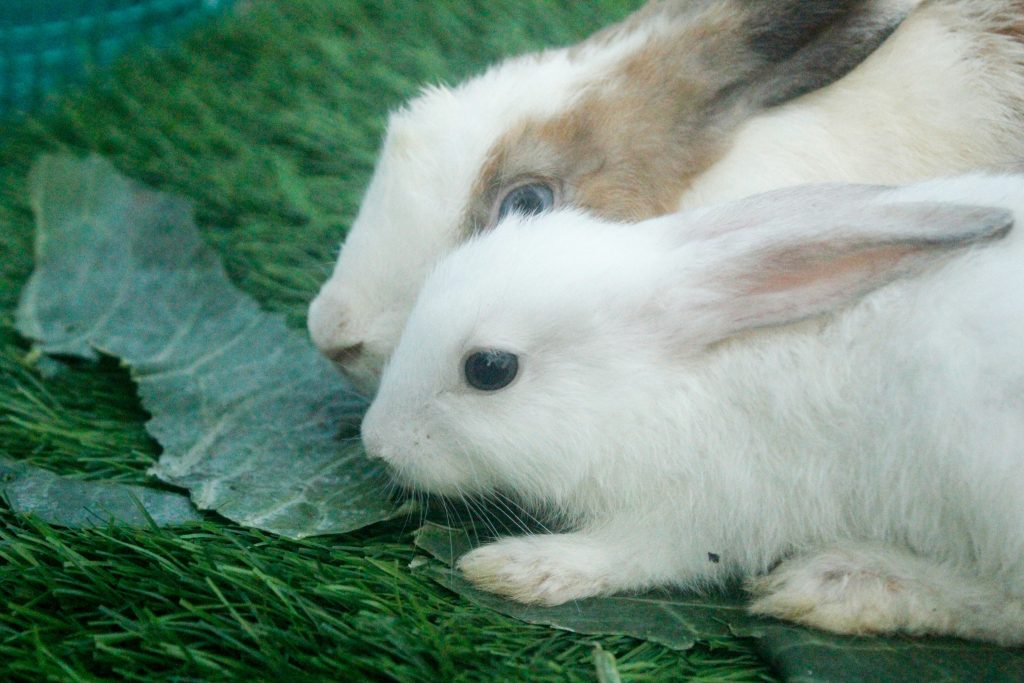
In many cases, yes—rabbits can rebuild their relationship after a fight. However, success depends heavily on the cause of the conflict and how quickly you intervened before serious trauma occurred.
Understanding the underlying trigger helps set realistic expectations for your pair’s recovery. The overview below outlines common conflict scenarios and the recommended approach for each:
Rebonding Prognosis by Scenario
| Rebonding Prognosis | Common Scenarios | Recommended Action |
|---|---|---|
| High Success Rate | Intact rabbits that are now spayed/neutered; temporary vet scent disruption; minor environmental stress. | 24–48 hour cooling-off period; gradual re-scenting; systematic reintroductions in neutral territory. |
| Moderate Success Rate | Referred aggression from a sudden loud shock; minor resource guarding. | Extended separation; full rebonding process starting from scratch on neutral ground. |
| Low / Difficult Success Rate | Severe physical trauma or deep wounds; prolonged, unmanaged hostility lasting weeks. | Long-term physical separation with visual barriers; professional behavioral assessment. |
How to Rebond Rabbits After a Fight
To rebuild mutual trust, you will need to reset their relationship completely and walk them back through the bonding steps as if they were unbonded strangers:
- Step 1: Complete Isolation Cooldown: Maintain total separation for 24 to 48 hours until eating, sleeping, and litter habits return to normal.
- Step 2: Side-by-Side Housing: Place enclosures next to each other with a 2-to-3-inch gap between wire panels so they can smell and see each other without reaching through to bite.
- Step 3: Scent and Territory Swaps: Swap their litter boxes or swap their living spaces daily so both rabbits continuously adjust to sharing a unified group scent.
- Step 4: Short Sessions in Neutral Territory: Move both rabbits to a completely unfamiliar space (like a bathtub, hallway, or laundry room) for brief 5-to-10 minute supervised dates.
- Step 5: End on a Positive Note: Always end dates while both rabbits are calm or showing neutral body language, such as grooming themselves or eating hay nearby, rather than waiting for tension to boil over.
8. How to Prevent Future Rabbit Fights
Preventing future conflicts comes down to proactive healthcare and thoughtful space management. Implementing a few essential environmental safeguards can significantly reduce territorial friction.
Spay and Neuter Both Rabbits
Ensure both rabbits are altered by an experienced exotic veterinarian. Scheduling a routine procedure to desex your pets is the single most effective way to eliminate hormone-driven territoriality and mating aggression.
Double Essential Resources
Always provide two water bowls, two hay feeders, and multiple litter boxes in shared housing. Doubling key stations prevents a dominant rabbit from resource-guarding necessities.
Design Dual-Exit Structures
Ensure every hiding box, tunnel, or house features at least two openings. Dual exits prevent one rabbit from cornering or trapping its companion inside a tight space.
Manage Vet Appointments and Scent Shifts
Bring both bonded rabbits along to routine veterinary appointments whenever possible to preserve their shared group scent. When returning home from separate visits, rub a damp towel over both pets to blend their scents before reuniting them. If only one rabbit must travel to the veterinarian, avoid immediately placing them back together if the other rabbit reacts aggressively; allow a calm, gradual reintroduction instead.
9. When to Call a Veterinarian
Physical fights can produce hidden injuries or severe emotional distress that require urgent medical care. Rabbits often hide discomfort, so owners should learn to recognize subtle behavioral changes that may indicate pain.
You should schedule a veterinary examination immediately if you notice any of the following warning signs after a brawl:
- Deep Puncture Wounds: Rabbit bite wounds heal over rapidly on the skin’s surface, easily trapping dangerous bacteria underneath and forming deep, severe abscesses.
- Limping or Mobility Issues: Dragging a leg, hopping awkwardly, or displaying an unusual posture points to potential fractures, joint dislocations, or soft tissue tears caused by high-impact kicking.
- Refusal to Eat (GI Stasis Risk): A rabbit that stops eating after a fight is experiencing critical pain or extreme distress, which can rapidly trigger life-threatening gastrointestinal stasis.
- Unexplained Behavioral Changes: Paying close attention to daily health and wellness indicators helps catch subtle signs of pain or illness early before physical discomfort turns into behavioral aggression.
10. Can Rabbits Kill Each Other?
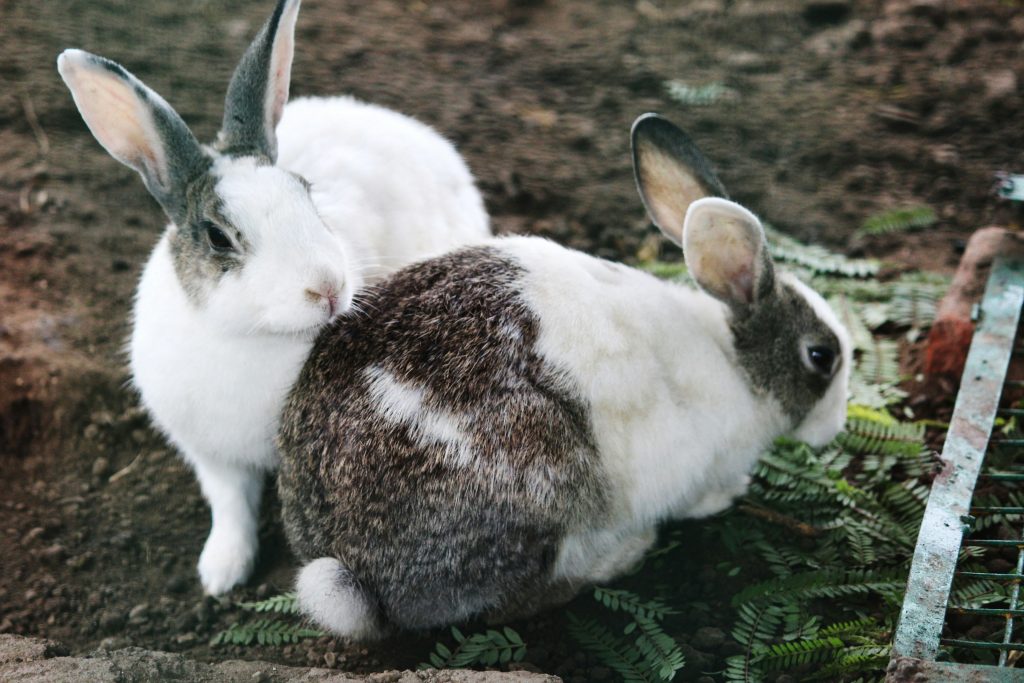
Yes, severe rabbit fights can be fatal if you don’t step in. While rabbits look gentle, their powerful hind legs can cause serious internal harm, and their teeth can do terrible damage in seconds.
During an intense brawl, rabbits can bite through delicate skin—badly injuring ears, eyelids, noses, or genitals. Even small bite punctures can easily trap bacteria underneath and turn into deep, painful abscesses later on.
On top of physical wounds, the sheer panic and pain of an attack can send a rabbit into shock or cause their digestive system to shut down (GI stasis), which is a critical emergency. Never leave fighting rabbits to simply ‘work it out’ on their own.
11. Frequently Asked Questions
Should I let my rabbits “work it out” themselves?
No. While you can allow brief, mild mounting or harmless chasing to establish rank, never allow rabbits to engage in biting, kicking, or rolling. Rabbits can severely injure or kill one another in a matter of seconds.
How long should rabbits stay separated after a fight?
Keep them separated for at least 24 to 48 hours to let their stress hormones subside fully. If bite wounds occurred or trauma was high, keep them in adjacent housing with a small space between grids for several days before assessing if they are calm enough for neutral-territory interactions.
Can two female or two male rabbits live together peacefully?
Yes, same-sex pairs can live together happily provided both individuals are spayed or neutered. Intact same-sex pairs almost always experience intense territorial fights as they reach sexual maturity.
Will spaying or neutering stop rabbit fighting immediately?
Not immediately. It takes 4 to 6 weeks after surgery for reproductive hormones to dissipate completely from a rabbit’s system and for behavioral habits to settle. Keep newly altered rabbits safely separated during this transition window.
12. Conclusion
It is deeply unsettling when rabbits fight, but a sudden brawl rarely means your pets have undergone an unfixable personality change. In almost every case, aggression is a symptom of an underlying trigger—whether that is surging hormones, temporary scent disruption, territorial guarding, hidden pain, or environmental stress.
Focus first on immediate physical safety, allow both animals time to calm down completely, and investigate the root cause before attempting any reintroductions. With patience, safety protocols, and proper root-cause management, many rabbit pairs can successfully rebuild trust and live peacefully together again.
Medical & Veterinary Disclaimer: Bunnyowners.com is an informational resource for rabbit owners and enthusiasts. We are not veterinarians. The content on this website is for educational purposes only and is not a substitute for professional veterinary advice, diagnosis, or treatment. Always consult a qualified veterinarian with any questions or concerns regarding your pet’s health, medical conditions, diet, or overall care. If you have concerns about your rabbit’s health, it’s always best to reach out to a veterinarian rather than relying solely on information found online.