
Veterinary & Affiliate Disclaimer: Bunnyowners.com shares educational rabbit care resources, not professional veterinary advice. Always consult a qualified veterinarian regarding your rabbit’s medical, dietary, or behavioral needs. This post may also contain affiliate links; as an Amazon Associate and affiliate partner, we earn from qualifying purchases at zero extra cost to you.
Many rabbit owners notice their bunny acting differently after vacations, work trips, or even a few hours away. Some rabbits become clingier when their owner returns, while others seem distant or stressed. Tracking behavioral patterns over long absences reveals clear changes in their daily routines, mapping out exactly how much they notice when you are gone. So, do rabbits actually miss their owners?
Yes, rabbits form strong emotional attachments to their owners and distinctly notice when a trusted caretaker disappears from their daily routine. While they map out absence through schedule disruptions rather than abstract human thoughts, bonded bunnies display undeniable signs of separation stress when left alone. Upon your return, these behaviors transition into hyper-focused proximity seeking, localized excitement, or temporary avoidance as they re-verify that their human companion is safe.
This article explores how rabbit attachment works, the specific behavioral signs that show they notice your absence, what affects bonding strength, what happens during long separations, and how to reduce separation stress. For a foundational look at decoding their wider communication signals, explore my rabbit behavior Guide. We will skip the speculative anthropomorphism and dive straight into the actual cognitive mechanics of why your long-eared roommate acts the way they do when you walk out the front door.
1. Can Rabbits Form Emotional Bonds With Humans?
Rabbits are highly social prey animals. In the wild, they rely on the safety and predictability of a herd structure—a survival strategy built entirely on knowing who belongs and who is a threat. When integrated into human homes, domestic rabbits often transfer these sophisticated social instincts onto their human caretakers, viewing their owners as part of their social environment and core support network. Essentially, you aren’t just a giant butler; you are an honorary, albeit vertically integrated, member of their warren.
How Rabbits Recognize Their Owners
Rabbits do not just see humans as generic, upright food dispensers. They utilize a remarkably sharp array of sensory tools to cross-reference and identify their favorite people:
- Scent Recognition: Rabbits possess an olfactory system that puts human capabilities to shame. They quickly memorize the distinct, complex scent profile of their primary caretaker according to guidelines by the House Rabbit Society.
- Voice Recognition: They are excellent listeners—and not just because of the ear-to-body ratio. Well-socialized domestic rabbits possess highly sensitive auditory processing, allowing them to use both spectral and temporal acoustic cues to distinguish between different pitch frequencies and recognize familiar human voices, according to auditory research published in the National Library of Medicine.
- Footsteps and Routine: Buns are meticulous environmental scientists. They rapidly learn the specific cadence of their owner’s footsteps and map those precise acoustic patterns to daily expectations.
Table 1: Sensory Tracking Cues Used by Bonded Rabbits
| Sensory Recognition Channel | How the Rabbit Interprets It | Behavioral Response to Familiar Cue |
| Olfactory (Scent Tracking) | Detects unique skin and clothing scent profiles. | Calms down rapidly; marks owner with chin scent glands. |
| Auditory (Voice & Steps) | Filters specific pitches, tones, and step cadences. | Perks ears forward; moves toward the front of enclosure. |
| Visual (Routine Mapping) | Associates specific human shapes with positive events. | Begins begging behaviors or circling feet for food. |
Why Some Rabbits Bond More Deeply Than Others
Predictably, rabbit psychology is not a one-size-fits-all equation. The velocity and depth of a rabbit’s attachment depend heavily on a matrix of variables: individual personality, early socialization, whether they were a rescue or hand-raised, the daily quantity of interaction, and their unique trust-building history. A naturally bold rabbit might bond instantly, whereas a traumatized rescue might look at you like an undercover predator for months before granting you inner-circle clearance.
2. Do Rabbits Actually “Miss” Their Owners?
To accurately determine if a rabbit “misses” you, it is important to separate human emotional projections from actual lagomorph cognition and emotion. Rabbits likely do not conceptualize absence the way we do; your bunny is not sitting by a window, sighing wistfully, or picturing your face on a billboard. However, as creatures of habit, they absolutely register structural drops in environmental predictability and notice when a primary attachment figure vanishes.
Missing a Person vs. Missing a Routine
Because rabbits thrive on relentless consistency, separation anxiety in this species is typically a complex cocktail of missing emotional security and experiencing an abrupt operational disruption.
- The Schedule: The highly anticipated, mechanistic arrival of fresh greens, pellets, and pristine water.
- The Attachment Figure: The specific, trusted individual who validates that the immediate territory is safe from predators.
Observational data from home environments highlights this distinction perfectly. For instance, when looking closely at domestic rabbit behaviors, individual pets like My house rabbit Mocha and Chino, demonstrate that even when a temporary caregiver executes their feeding routine precisely on time, their behavioral dynamics shift. A highly bonded rabbit may refuse to relax fully or alter their resting positions to face entryway doors, proving that the presence of their specific human matters just as much as the accuracy of the clock.
Table 2: Rabbit Separation Anxiety vs. Human Missing Concept
| Aspect of Separation | Human Emotional Experience | Rabbit Behavioral Experience |
| Cognitive Awareness | Ponders past memories; actively calculates time spent apart. | Responds directly to immediate changes in daily social routine. |
| Primary Comfort Source | Missing unique personality traits and shared verbal dialogue. | Missing safety indicators, familiar voices, and scent security. |
| Stress Manifestation | Expresses verbal sadness, psychological longing, or worry. | Displays altered resting spots, reduced activity, or pacing. |
3. Signs Your Rabbit Misses You
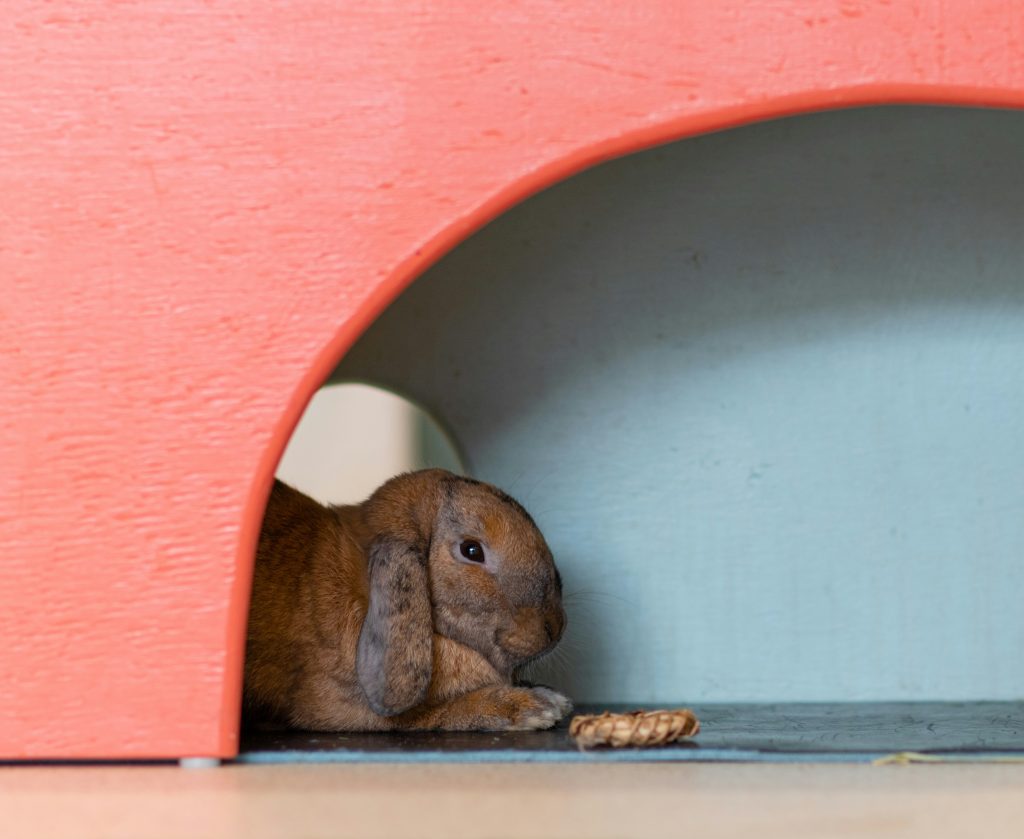
When a primary owner is away, or during the immediate aftermath of a reunion, rabbits express their relational assessment through very specific behavioral adjustments. These calibrated shifts in their baseline actions allow researchers and owners alike to quantify the exact depth of the human-lagomorph bond by tracking changes in real-time environmental engagement.
Increased Excitement When You Return
The most overt confirmation of a strong attachment bond is an unmitigated explosion of kinetic joy upon your return. This includes performing rapid, erratic sprints known as “zoomies,” mid-air twists and flips called “binkies,” charging directly to their enclosure gate, or circling your feet like an over-caffeinated satellite while demanding head scratches.
Waiting Near the Door or Usual Area
During an extended absence, a rabbit who notices the deficit will frequently adjust their geography. They may spend hours sitting near the room entrance or parked by the front door, monitoring the perimeter and listening intently for the familiar auditory cue of your arrival.
Acting Clingier Than Normal
Upon your return, an attached bunny may temporarily lose their sense of personal space. They may shadow you relentlessly from room to room, executing targeted ankle-nudges, and remaining within striking distance for pets to re-verify the social contract.
Reduced Appetite or Activity During Absence
According to clinical veterinary guidance on rabbit health from the RSPCA, a mild dip in playfulness or a sudden, picky attitude toward their standard hay can point to localized separation stress. However, as we will discuss later, a total strike on food is a biological emergency, not an emotional statement.
Ignoring Temporary Caregivers
Attached rabbits are notorious for staging silent protests, a phenomenon known as “caregiver rejection.” Rabbits will routinely turn their backs completely on perfectly pleasant pet sitters, refuse premium treats from unfamiliar hands, or stamp their feet in grumpy disapproval just because the person serving dinner isn’t you.
Table 3: Positive vs. Negative Behavioral Signs of Attachment
| Rabbit Behavior Type | Normal Attachment Signs upon Return | Stress Warning Signs during Absence |
| Activity Level Shifts | Executing high-energy binkies and rapid zoomies. | Remaining in hiding boxes; general lack of exploration. |
| Proximity Preferences | Following you closely; demanding constant head pats. | Sitting permanently facing walls; ignoring pet sitters. |
| Dietary Tracking | Eating treats eagerly; normal consumption of hay. | Drop in pellet intake; complete refusal of fresh greens. |
4. How Long Can Rabbits Remember Their Owners?
Do not let the small brain size fool you; rabbits possess excellent long-term associative memory, specifically regarding the parameters of safety, territorial architecture, and positive social bonds.
Most rabbits can remember familiar owners even after days or weeks apart. Bonded rabbits often recognize voices, smells, routines, and handling patterns long after separation.
Anecdotal owner profiles and rescue database insights collected by organizations like the PDSA confirm that rabbits can recognize the distinct scent markers or handling techniques of past owners months, or sometimes years, down the line. If you pack up for a two-week vacation, your established bond is structurally safe. Your rabbit will not suffer an amnesic reset, though they may put you through a brief visual and olfactory screening process when you first walk back through the door to ensure you are who you claim to be.
5. Are Single Rabbits More Likely To Miss Their Owners?
The architecture of a rabbit’s immediate social environment fundamentally dictates how acutely they process a human’s departure.
Table 4: Single vs. Pair-Bonded Rabbit Separation Profiles
| Social Arrangement | Primary Emotional Support | Impact of Owner Absence |
| Single Human-Bonded Rabbit | Human caretaker fills 100% of social needs. | Higher risk of acute separation stress and behavior shifts. |
| Bonded Rabbit Pair | Companion rabbit provides 24/7 interaction. | Moderate emotional buffer; less dependent on continuous human presence. |
According to data trends published by the Welfare Association for Rabbits, single rabbits look to their humans to fulfill the entirety of their evolutionary herd requirements. While a bonded pair still recognizes, enjoys, and actively interacts with their owner, their emotional baseline is continuously stabilized by their companion. A solo rabbit, conversely, has all their social eggs in one human basket, leaving them much more exposed to loneliness when that basket goes on a business trip.
6. What Happens When You Leave for Vacation?
If you are coordinating travel, understanding the operational reality of how rabbits cope with an empty house is vital for their physical preservation.
Will Your Rabbit Be Okay for a Few Days?
To put it bluntly: absolutely not if left entirely alone. Rabbits should never be left unattended without active, daily human oversight. Because their specialized digestive machinery can stall catastrophically in a matter of hours, a competent caregiver must physically evaluate them at least once or twice a day. Leaving an extra-large bowl of kibble and hoping for the best is a recipe for disaster.
Ways To Reduce Separation Stress
To keep your rabbit’s stress hormones within safe parameters while you are away, utilize these clinical stress-reduction interventions recommended by the American House Rabbit Society:
- Enforce Schedule Invariance: Instruct your pet sitter to deliver meals and manage lighting cycles at the exact timestamps you do.
- Deploy Sensory Comforts: Leave a heavily worn, unwashed t-shirt or towel near their primary lounge area. The continuous ambient output of your scent acts as a reliable sensory anchor.
- Avoid Relocation Shock: Keep the rabbit in their established territory rather than sending them to a boarding facility, as compounding a missing owner with an alien environment can trigger severe anxiety.
- Escalate Cognitive Enrichment: Introduce fresh willow sticks, complex cardboard labyrinth systems, and challenging puzzle feeders to keep their minds actively occupied.
7. Can Rabbits Become Too Attached to Their Owners?

While a deeply affectionate pet is validating, extreme overdependence can eventually degrade a rabbit’s quality of life. Rabbits do not experience human-style clinical separation anxiety, but chronic boredom combined with a complete deficit of independent stimulation can manifest as stress-induced behavioral pathologies.
Signs that the bond has mutated into unhealthy codependency include:
- Continuous, frantic pacing, or obsessive digging at enclosure boundaries the second you leave the room.
- Destructive, targeted chewing of furniture, baseboards, or metal bars that stops exclusively when you return.
- Obsessive over-grooming (barbering) resulting in patchy bald spots or raw skin.
To engineer healthy psychological independence, expand their autonomous play options. Introduce complex foraging mats where they must hunt for their daily rations, rotate their physical toys on a weekly schedule, and ensure their environment is interesting enough to merit exploration even when you aren’t there to watch. For a comprehensive look at decoding and redirecting these complex actions, read through my definitive guide to rabbit behavior.
8. When Behavioral Changes Are Not About Missing You
As owners, it is incredibly easy to fall into the trap of romanticizing a sick rabbit’s symptoms as an emotional “pouting” session because they miss you. This mistake can be fatal.
A rabbit that suddenly stops eating, hides constantly, or acts depressed should not automatically be assumed to “miss” an owner. Serious behavioral changes can also signal illness or stress and may require veterinary attention.
As rigorously documented by the Cornell University College of Veterinary Medicine, conditions like Gastrointestinal (GI) Stasis, where the digestive tract undergoes a dangerous slowdown or total paralysis, can be brought on by acute environmental stress, including the sudden departure of an owner. If a rabbit is refusing their favorite greens, producing noticeably smaller droppings (or none at all), or pressing their abdomen flat against the floor in pain, this is not an emotional sulk. It is a medical emergency that requires immediate intervention from an exotic animal veterinarian.
9. Frequently Asked Questions (FAQ)
Do rabbits get lonely when you go to work?
Rabbits are crepuscular, meaning their peak metabolic and social hours occur at dawn and dusk. While you are sitting in a corporate office during the middle of the day, your rabbit is biologically programmed to spend those hours sleeping. Short, daytime absences rarely cause distress as long as they have a mountain of hay to munch on if they wake up.
Can a rabbit hold a grudge after a vacation?
When your rabbit turns their back to you or thumps after you get home, they aren’t executing a calculated human vendetta. It is a classic trust-reset. They are communicating distinct displeasure at the broken routine and require a few hours of passive scent and vocal re-familiarization to update their safety files.
How long is it safe to leave a rabbit alone?
Twenty-four hours is the absolute psychological and physical ceiling, and even that requires a flawless automated setup. Because their health can collapse quietly and rapidly, daily physical eyes-on evaluation is non-negotiable.
Will my rabbit forget me after a two-week trip?
No. Your rabbit’s brain is highly optimized to retain vital data regarding their primary source of safety. An established, long-term bond will easily survive a standard holiday timeline.
Do rabbits cry when they are sad?
Rabbits lack the physiological machinery to shed emotional tears. If you see white discharge or wet fur around their eyes, skip the psychological analysis and book a vet appointment—this is a clear sign of dental issues, a blocked tear duct, or localized infection.
Can a rabbit die from loneliness?
Indirectly, yes. Extreme grief or severe isolation can elevate cortisol levels to a point that triggers systemic stress. This stress can stall their sensitive digestive system, leading to fatal GI stasis if medical intervention is delayed.
10. Conclusion
Rabbits develop incredibly deep, structurally complex bonds with their humans—bonds forged in the fires of sensory recognition and ironclad daily predictability. They might not write you a sonnet or leap into your arms like a golden retriever, but their subtle shifts in body language, spatial preferences, and routine tracking prove that they notice exactly when an important human drops out of their world.
By swapping ungrounded anthropomorphism for an understanding of their true evolutionary needs, you can easily navigate their subtle emotional landscape, keeping your bunny secure, stable, and deeply connected—whether you are hanging out together on the carpet or unlocking the front door after a long trip away.
Medical & Veterinary Disclaimer: Bunnyowners.com is an informational resource for rabbit owners and enthusiasts. We are not veterinarians. The content on this website is for educational purposes only and is not a substitute for professional veterinary advice, diagnosis, or treatment. Always consult a qualified veterinarian with any questions or concerns regarding your pet’s health, medical conditions, diet, or overall care. If you have concerns about your rabbit’s health, it’s always best to reach out to a veterinarian rather than relying solely on information found online.