

Veterinary & Affiliate Disclaimer: Bunnyowners.com shares educational rabbit care resources, not professional veterinary advice. Always consult a qualified veterinarian regarding your rabbit’s medical, dietary, or behavioral needs. This post may also contain affiliate links; as an Amazon Associate and affiliate partner, we earn from qualifying purchases at zero extra cost to you.
Hearing your rabbit scream is terrifying, and if you are searching for answers right now, you are likely dealing with a sudden, frightening event. Because rabbits are naturally quiet prey animals, a piercing shriek is never a normal sound—it is an unmistakable distress signal that demands immediate attention.
Rabbits scream when they experience overwhelming panic, severe physical trauma, or sudden, excruciating pain. Because they are silent prey animals by nature, a scream is a rare emergency vocalization that may indicate a life-threatening injury, illness, or severe distress. If your rabbit screams, immediately secure a quiet environment, check for signs of shock or injury, and contact an emergency veterinarian right away.
To better understand this rare vocalization, this article explains what a scream sounds like compared to other noises, details the primary physical and psychological causes, and walks through the exact emergency steps you should take immediately. For a broader look at rabbit communication, explore our rabbit behavior hub.
2. What Does a Rabbit Scream Sound Like?
A true rabbit scream sounds surprisingly human—often compared to the piercing cry of a frightened child. It is a loud, high-pitched shriek that erupts suddenly and instantly cuts through household noise. Screaming is one of the rarest vocalizations a rabbit can make, standing in stark contrast to quieter, everyday sounds.
How Screaming Compares to Other Rabbit Noises
To help you figure out exactly what sound your rabbit made, it helps to compare a scream to the more common vocalizations you might hear day-to-day. As outlined in the Missouri House Rabbit Society’s body language guide, a true rabbit scream is fundamentally different from typical vocalizations:
| Vocalization | Sound Quality | Primary Trigger | Urgency Level |
|---|---|---|---|
| True Scream | High-pitched, piercing shriek | Extreme terror, excruciating pain | Immediate Emergency |
| Grunting | Low, brief, throaty growl | Annoyance, territorial defense | Normal / Mild |
| Honking | Rhythmic, soft buzzing | Excitement, affection, courtship | Normal |
| Teeth Chattering (Soft) | Soft, gentle vibration | Relaxation, contentment | Normal |
| Teeth Grinding (Loud) | Harsh, crunching noise | Severe abdominal pain, discomfort | Needs Prompt Attention |
Although screaming is the most alarming vocalization, rabbits also communicate through a wide variety of quieter sounds and physical cues. See my complete rabbit sounds guide to learn what different noises mean.
3. Is It Normal for Rabbits to Scream?
No. It is never normal for a rabbit to scream. In wild settings, rabbits depend on silence and subtle cues from body language to avoid drawing the attention of predators. Vocalizing loudly advertises their position to everything in the area. Consequently, their evolutionary hardwiring dictates hiding pain and staying completely quiet.
When a rabbit vocalizes with an open, true rabbit scream, their survival instincts have been totally overwhelmed by shock or catastrophic panic.
4. Why Do Rabbits Scream? Common Causes
When a rabbit screams, the root cause falls into one of two major categories: physical trauma or severe psychological fright.
Physical Pain Triggers
- Spinal Fractures & Dislocations: Rabbits possess powerful hind legs paired with a lightweight, fragile skeleton. If they kick out violently while slipping or being held insecurely, they can fracture their own spine—a major reason behind why rabbits limp or experience paralysis. According to PetMD, rabbits are especially vulnerable to spinal injuries because their powerful hind legs are paired with a lightweight skeletal structure.
- Gastrointestinal Emergencies: Although severe gastrointestinal emergencies cause intense distress, according to the House Rabbit Society, rabbits that experience early signs of GI Stasis or gas usually become quiet rather than vocal despite significant pain. A scream should prompt immediate veterinary evaluation regardless of the cause.
- Severe Physical Accidents: Getting a limb snagged in enclosure wire, falling from a height, or being accidentally stepped on can trigger acute scream responses.
- Neurological Emergencies: Brain trauma, severe neurological disorders, or accidental poisoning can produce involuntary shrieks. If there is a chance your rabbit ingested something dangerous, check our list of toxic foods for rabbits
and review these emergency rabbit poisoning symptoms.
Fear and Panic Triggers
- Predator Cornering: The sight or smell of a predator—such as a neighborhood cat, dog, or bird of prey—can induce total panic.
- Restraint Panic: Feeling trapped or restricted during improper handling simulates being caught by a predator, provoking a panic scream.
- Acute Startle Response: Sudden high-impact noises or furniture collapsing nearby can startle a sensitive rabbit into shock.
5. Can Rabbits Scream During Handling?

Yes. Handling is one of the most common non-predator triggers for screaming in domestic rabbits. Because rabbits are prey animals, being lifted off the ground can simulate the experience of being caught by a predator. If a rabbit feels insecure, slips, or panics while being held—like during nail trims or medication time—they can scream out of sheer fear.
In my years caring for my bonded pair, Mocha and Chino, I’ve noticed that vocal panic during handling almost always comes down to a sudden loss of foot support. Mocha actually let out a sharp, startled squeak once when her back feet slipped on a slick scale during a routine weight check. The moment I scooped her up and anchored her hindquarters firmly against my chest, she settled right back down.
6. Can Rabbits Scream Without Being Injured?
Yes, a rabbit can scream without suffering a direct physical injury. Extreme terror alone—such as a sudden predator encounter, being cornered, or panic during capture—can occasionally trigger a true rabbit scream.
However, even if there are no visible wounds, you should still examine your rabbit carefully and monitor them closely. Internal injuries, joint sprains, and physiological shock are not always immediately obvious from a distance.
7. What Should You Do Immediately? (Step-by-Step Emergency Protocol)
If your rabbit screams, keeping a cool head is essential. Escalating your own panic increases their stress, accelerating physiological shock.
- Remove Threats & Create Calm: Immediately clear out dogs, cats, or small children. Dim bright overhead lights and eliminate background noise. Keeping the environment quiet and minimizing unnecessary handling can help reduce additional stress while you prepare for transport.
- Conduct a Visual Scan: Check for visible injuries from a short distance first. Look for active bleeding, unnatural limb placement, or open-mouth breathing. Avoid handling them right away, as unnecessary movement can worsen hidden spinal damage.
- Check for Signs of Shock: A screaming episode frequently pushes a rabbit into circulatory shock. During shock, core body temperature drops quickly. Look for cold ears, pale gums, unresponsiveness, and shallow breathing.
- Warm & Transport: Rabbit Advocates recommends wrapping the rabbit loosely in a warm, dry towel to help preserve body heat without pressing on their torso. Contact an emergency exotic veterinarian right away.
8. Triage Table: When Is a Scream an Emergency?
Every screaming situation is a bit different, and deciding what to do next depends on what happened right before the sound. Use the guide below to quickly assess your rabbit’s situation and determine how urgently they need care:
| Scenario / Context | Likely Cause | Is It an Emergency? | What to Do Right Away |
|---|---|---|---|
| Confrontation with a dog, cat, or wild animal | Bite trauma, severe shock | Immediate Emergency | Cover with a warm towel and transport to a vet immediately. |
| Scream following a jump, drop, or fall | Broken bone, spinal fracture | Immediate Emergency | Keep the rabbit flat; minimize handling to prevent further spinal damage. |
| Screamed once, now lying flat with cold ears | Severe shock, internal pain | Immediate Emergency | Call an emergency vet; keep warm en route. |
| Screamed during a rabbit bonding session | Territorial bite wound, panic | High Priority | Separate immediately; inspect skin carefully under the fur for deep puncture wounds. |
| Screamed during deep sleep, then woke up & ate hay | Brief unexplained scream | Monitor Closely | Check mobility; observe appetite and droppings over the next 24 hours. |
9. Other Situations Where Rabbits May Scream
Although most rabbit screams are caused by extreme fear, trauma, or sudden pain, there are a few less common situations where this rare vocalization may occur.
Baby Rabbits in Distress
Baby rabbits (kits) can produce high-pitched distress sounds when they are cold, injured, accidentally stepped on, or handled too roughly.
Because young rabbits have limited ability to regulate body temperature and are more fragile than adults, any kit making unusual distress noises should be checked immediately. Keep the baby warm, avoid unnecessary handling, and contact a rabbit-savvy veterinarian if there are signs of weakness or injury.
Wild Rabbits Under Attack
Wild rabbits can scream when they are captured or attacked by predators such as foxes, hawks, cats, or dogs.
In these situations, the scream is an involuntary response to extreme fear and physical distress. Unlike normal rabbit communication, it signals that the rabbit is experiencing a life-threatening situation.
10. How to Prevent Trauma and Extreme Stress
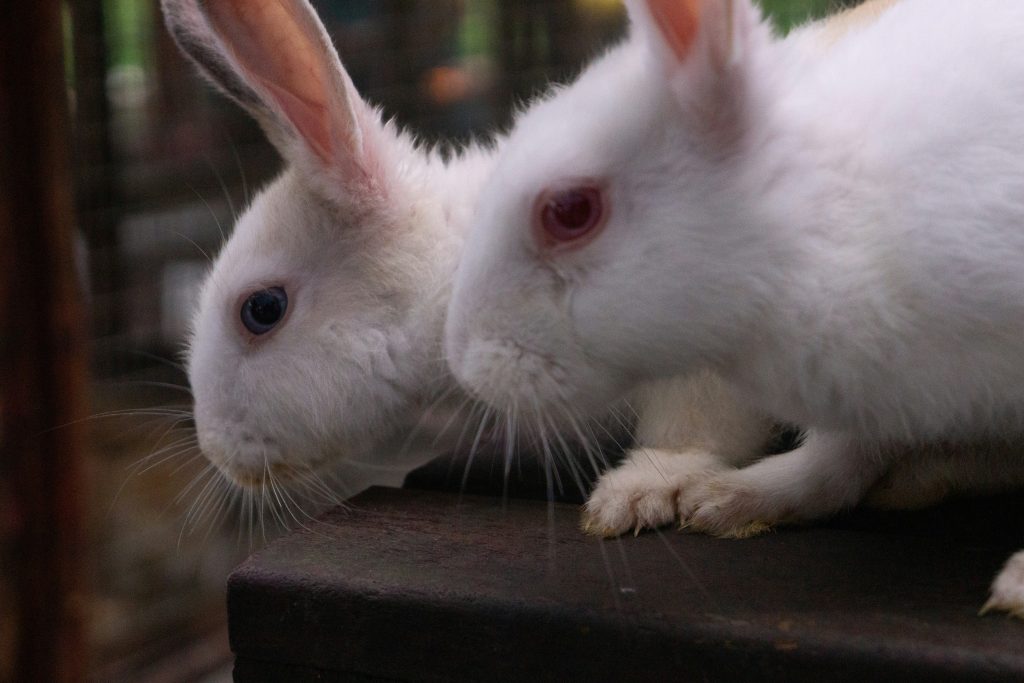
Preventing scenarios that trigger screaming comes down to proper environment design and handling techniques:
- Minimize Unnecessary Handling: Avoid holding or lifting a rabbit unless necessary, and always ensure their hindquarters are fully supported to prevent sudden kicks that can injure the spine. Tree of Life Exotic Pet Medical Center notes that sudden kicking during improper handling can contribute to spinal injuries in rabbits.
- Predator-Proof All Housing: Ensure outdoor runs have top covers, sturdy latches, and dig-proof perimeter barriers. Outdoor rabbits can suffer fatal fear reactions even if a predator never enters the cage.
- Eliminate Indoor Hazards: Block off narrow spaces behind heavy appliances, cover electrical cords, and keep jumping surfaces at reasonable heights.
- Supervise Bonding Sessions: Never leave unbonded rabbits together unattended. Keep a large towel and heavy gloves nearby to break up fights before bite trauma occurs. Understanding normal rabbit behavior patterns can also help you recognize subtle stress signals before they escalate into fear or panic.
11. When to See a Veterinarian
Checking your bunny over using a quick rabbit health check at home is a great way to figure out what is going on. That said, some signs mean you should skip the home check and head straight to an emergency clinic. Seek immediate vet care if a scream happens alongside any of these warning signs:
- Breathing through an open mouth, gasping, or struggling for air
- Ice-cold ears, pale or bluish gums, or sudden weakness and collapse
- Refusing treats, ignoring food, or making no droppings—check my guide on what to do if your rabbit is not eating
- Dragging their back legs, limping heavily, or being unable to hop
- Wobbling, losing balance, or showing a sudden head tilt
- Showing obvious posture changes or subtle red flags covered in our list of rabbit pain signs
As the Rabbit Welfare Association & Fund’s emergency guidance emphasizes, screaming in rabbits indicates severe physical pain or trauma that requires an immediate veterinary evaluation.
12. Frequently Asked Questions
Why did my rabbit scream all of a sudden?
A sudden rabbit scream is usually caused by extreme fear, sudden pain, or a traumatic event such as a fall, injury, predator encounter, or panic during handling. Because rabbits rarely vocalize loudly, an unexpected scream should always be taken seriously.
Is rabbit screaming always an emergency?
In almost all cases, yes. A true rabbit scream is not a normal communication sound. It usually indicates severe distress, overwhelming fear, or a painful event that has exceeded the rabbit’s ability to cope. If your rabbit screams, check for injuries, signs of shock, breathing problems, and changes in appetite or movement.
Do rabbits scream when they are scared?
Yes. Extreme fear can trigger a rabbit scream, especially during predator encounters, being trapped, sudden restraint, or frightening situations where the rabbit feels unable to escape. However, fear and pain can look similar, so a screaming rabbit should always be monitored carefully.
Can rabbits scream in their sleep?
True screaming during sleep appears to be uncommon. Rabbits may twitch, move their feet, or make small noises while sleeping, but a loud scream should still be investigated. If your rabbit wakes up normally, eats hay, moves normally, and shows no signs of injury, monitor them closely. If anything seems unusual, contact your veterinarian.
Do rabbits scream before they die?
A rabbit may scream during a severe medical crisis, catastrophic injury, or extreme distress, but screaming is not a reliable sign that death is imminent. Many rabbits survive screaming episodes when the underlying problem is identified and treated quickly.
What should I do if my rabbit screamed once but seems fine now?
Check your rabbit carefully for hidden injuries, bite wounds, limping, breathing changes, or unusual behavior. Offer fresh hay and their normal food, then monitor eating, drinking, movement, and droppings over the next 24 hours. Any changes should be discussed with a rabbit-savvy veterinarian.
Can a rabbit die purely from fear?
Severe fear can contribute to shock and worsen an underlying emergency, but rabbits rarely die from fright alone. More commonly, a scream is caused by an injury, trauma, or serious health problem that requires immediate attention.
13. Conclusion
Hearing a rabbit scream is an alarming experience, but knowing how to respond quickly can save your pet’s life. Because rabbits are quiet animals that naturally hide distress, a scream is an unmistakable sign that something has gone wrong. Whether triggered by extreme fear, a sudden accident, or severe internal pain, treat every screaming episode as a serious event.
By staying calm, securing a quiet environment, checking for signs of shock, and reaching out to a rabbit-savvy veterinarian right away, you give your rabbit the best possible chance of recovery. Protecting their living space from hazards and practicing safe handling techniques will go a long way toward keeping them healthy, comfortable, and safe.
Medical & Veterinary Disclaimer: Bunnyowners.com is an informational resource for rabbit owners and enthusiasts. We are not veterinarians. The content on this website is for educational purposes only and is not a substitute for professional veterinary advice, diagnosis, or treatment. Always consult a qualified veterinarian with any questions or concerns regarding your pet’s health, medical conditions, diet, or overall care. If you have concerns about your rabbit’s health, it’s always best to reach out to a veterinarian rather than relying solely on information found online.