
Veterinary & Affiliate Disclaimer: Bunnyowners.com shares educational rabbit care resources, not professional veterinary advice. Always consult a qualified veterinarian regarding your rabbit’s medical, dietary, or behavioral needs. This post may also contain affiliate links; as an Amazon Associate and affiliate partner, we earn from qualifying purchases at zero extra cost to you.
Hearing your rabbit make a soft, pig-like “oink” or nasal buzzing sound for the first time can be surprising—especially if you assumed rabbits were completely silent pets. This rabbit honking noise usually occurs when your bunny is excited, affectionate, or feeling hormonal, but the meaning depends on what your rabbit is doing at the same time.
A rabbit honks to express positive excitement, affection, food anticipation, or courtship behavior. This soft, nasal “oink” or buzzing sound is a normal form of vocal communication often accompanied by relaxed body language like foot-circling, binkying, or begging for treats. It rarely indicates illness unless the sound is accompanied by labored breathing, wheezing, or nasal discharge.
Recognizing the context behind your bunny’s noises makes it much easier to connect with them and meet their needs. This guide covers what a honk sounds like, the primary reasons behind it, how body language changes its meaning, and how to tell normal vocal chatter apart from health concerns. Getting familiar with these everyday patterns in rabbit behavior gives you the confidence to read their posture, volume, and daily moods accurately.
1. What Does a Rabbit Honk Sound Like?
Rabbits aren’t as vocal as dogs or cats, so hearing your bunny honk for the first time can catch you by surprise. The good news? It’s almost always a sign of excitement rather than a reason to worry. To understand how honking fits into the broader world of rabbit sounds, it helps to look at how they pair their noises with body language.
Owners often describe rabbit honking as a tiny pig’s “oink,” a quiet goose, or a soft nasal buzz. Some owners describe this sound as rabbit oinking because it resembles a tiny pig noise. The sound usually comes in short bursts while the rabbit is moving or circling. Some produce a tiny squeaky honk, while others have a deeper, louder nasal tone.
Pet owners frequently confuse honking with grunting or snorting. While honking is usually associated with excitement, affection, or hormones, context and body language determine what your rabbit is communicating. A grunt, by contrast, is sharper and signals annoyance or territorial defense.
2. The Primary Reasons Your Rabbit Is Honking
Rabbits usually rely on body language to get their point across, but they’ll use their voice when they get really excited or worked up. Pairing what you hear with what their body is doing is the easiest way to decode rabbit body language. To get a full picture of how these noises connect with their daily habits, check out my guide to rabbit behavior.
Excitement and Joy
High-energy activities—such as exploring a new room, executing energetic binkies, or tossing a toy—often trigger soft honks. This vocal outburst mirrors open body language, usually accompanied by relaxed ears and rapid hopping.
Anticipation of Food
The rustle of a treat bag frequently produces a chorus of honks. Learning to recognize when a rabbit is happy makes identifying these treat-anticipating moments easy.
Affection and Social Bonding
Bonded pairs and human-centric rabbits use soft honks to signal comfort and affection. During my long-term behavioral observations with my two bonded rabbits, Mocha and Chino, honking consistently surfaced as a social bridge—Mocha would frequently emit a low, rhythmically timed honk when settling in next to Chino during group grooming sessions, signaling total relaxation and social trust.
Attention-Seeking
Rabbits learn quickly. If a rabbit realizes emitting a soft honk causes their human to offer a head rub or hand over hay, they will deliberately repeat the noise to get attention.
3. Hormones, Courtship, and the “Mating Honk”
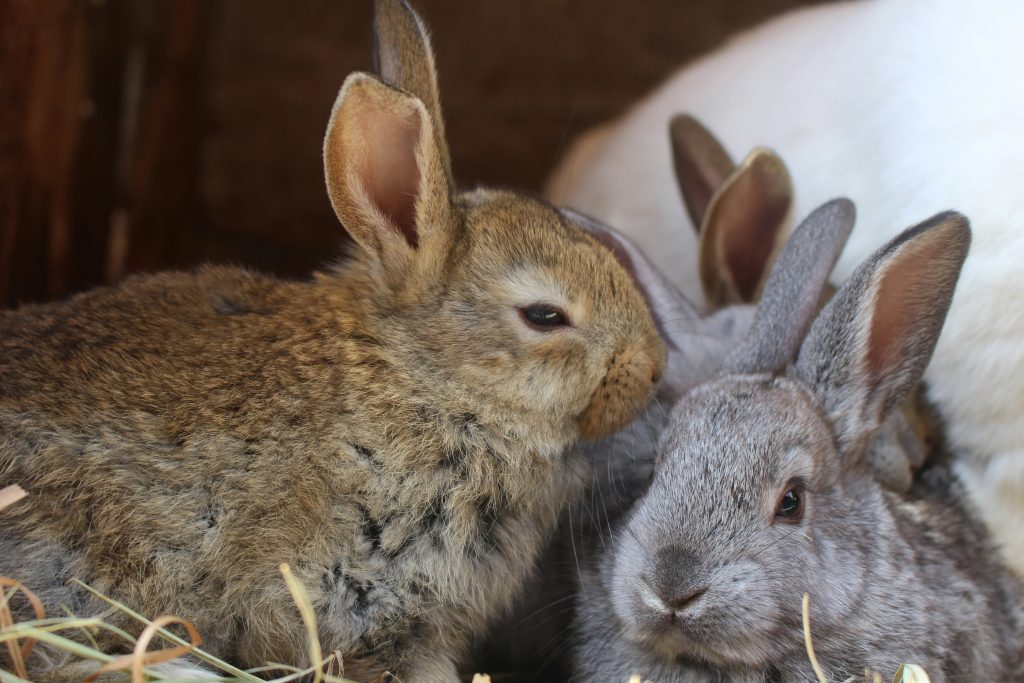
Hormone-driven vocalization represents one of the most prominent triggers for rabbit honking, particularly in unneutered males (bucks) and unspayed females (does).
Hormonal honking rarely occurs by itself. Most rabbits also circle your feet, hold their tail upright, buzz continuously, chin nearby objects, or attempt to mount your leg. If your bunny is weaving around your ankles, understanding why rabbits circle your feet sheds light on the instincts driving that behavior. During sexual maturity (between 3 and 6 months), rabbits develop strong instincts to court partners, making the sound a common courtship signal.
Behavioral guides from the House Rabbit Society associate buzzing and honking sounds with courtship behavior, especially in intact rabbits.
4. What Your Rabbit’s Honking and Body Language Mean
Your rabbit’s body language often reveals why they are honking, as the same sound can mean excitement, affection, or hormonal behavior depending on what they are doing at the same time. The quick reference guide below breaks down common postures, their likely meanings, and the underlying drivers behind them:
Rabbit Honking Body Language Guide
| If Your Rabbit Is… | Honking Usually Means… | Underlying Driver / Context |
|---|---|---|
| Binkying or running zoomies | Joy or playfulness | High positive energy |
| Circling your feet tightly | Courtship or intense greeting | Hormones or misrouted courtship |
| Following you toward food | Treat anticipation | Meal expectation |
| Nudging your hands or legs | Attention-seeking | Requesting pets or interaction |
| Relaxed in a loaf position | Affection | Contentment and social bonding |
| Tail raised, ears forward | Hormonal arousal | Mating drive |
| Lunging forward with pinned ears | It’s a grunt, not a honk! | Territorial warning |
Pet care resources from the American Veterinary Medical Association highlight that spaying and neutering significantly tones down these hormone-driven behavioral displays and health risks in house rabbits.
5. Honking vs. Buzzing vs. Grunting vs. Tooth Purring
Rabbit sounds often overlap, but decoding them is essential for recognizing whether your bunny is happy, courting, or defensive. Comparing gentle everyday vocalizations with rare emergency expressions—like why a rabbit screams when terrified or hurt—helps you read every situation accurately. Use the comparison chart below to quickly match their sounds and body language:
Rabbit Sounds Comparison Chart
| Noise Type | Acoustic Description | Primary Emotional State | Accompanying Body Language |
|---|---|---|---|
| Honking | Soft, pig-like oink; mid-pitch nasal burst | Happiness, excitement, anticipation | Relaxed posture, binkies, seeking interaction |
| Buzzing | Continuous, low-frequency nasal vibration | Sexual arousal, intensive courtship | Circling feet, raised tail, chinning objects |
| Tooth Purring | Soft, rhythmic clicking or crunching of teeth | Deep relaxation, contentment, joy | Half-closed eyes, floppy ears, loafed posture |
| Grunting | Sharp, harsh, short vocal pop | Agitation, territorial defense, warning | Thumping, ears pinned back, lunging forward |
For defensive noises, review the warning signs associated with rabbit grunting. You can also look over veterinary advice on Veterinary Partner to better understand physical cues and subtle behavioral changes in house rabbits.
6. Why Is My Rabbit Suddenly Honking More Than Before?
If a quiet rabbit suddenly becomes vocal, a change in environment, hormones, or trust is usually behind the surge.
- Onset of Puberty: Reaching 3 to 6 months triggers reproductive hormones, leading to sudden courtship honking and foot-circling.
- Seasonal Shifts: Springtime often prompts increased activity and courting instincts in indoor rabbits.
- Growing Trust and Bonding: As a rescue or new pet warms up to you, they become much more vocal about expressing excitement.
- A New Rabbit Companion: Introducing another rabbit can trigger courtship buzzing or social excitement. Bonding tips shared by the RSPCA point out that new partners frequently spark temporary communication spikes.
- Changes in Routine: Adjusting treat schedules or extending free-roam hours can make rabbits more vocal as they anticipate rewards.
7. Is It a Honk or Respiratory Distress?
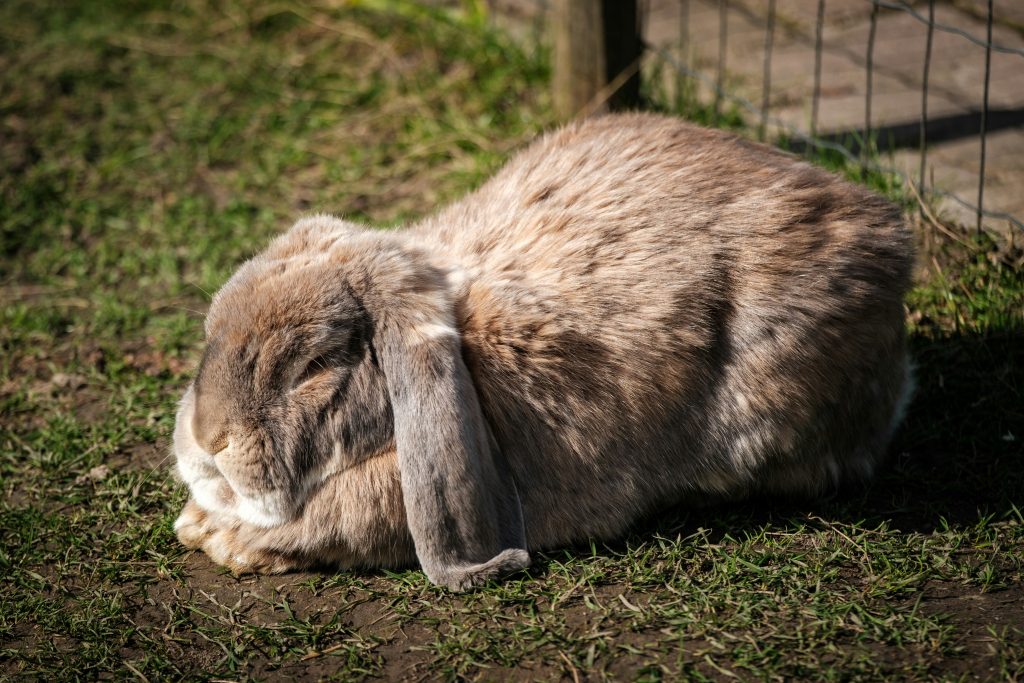
A normal rabbit honk is usually occasional and connected to a specific activity, whereas respiratory problems tend to produce ongoing noises along with visible physical symptoms. The breakdown below highlights key red flags to help you distinguish emotional chatter from health concerns like rabbit snuffles:
Normal Rabbit Honking vs. Signs of Respiratory Distress
| Feature | Happy / Emotional Honk | Respiratory Distress / Illness |
|---|---|---|
| Timing | Occurs during specific events (treats, play) | Continuous noise regardless of activity level |
| Resting State | Stops when the rabbit rests or sleeps | Persists or worsens while lying down |
| Nasal Signs | Clear eyes and dry nostrils | Visible nasal discharge or wet front paws |
| Breathing Effort | Effortless, normal chest rhythm | Flared nostrils, mouth breathing, or labored movement |
Symptom guides from the PDSA Pet Health Hub point out that genuine distress usually involves matted fur on front paws from wiping discharge, accompanied by raspy breathing.
8. What Should You Do When Your Rabbit Starts Honking?
Your response depends on what your rabbit is telling you:
- Affection or Excitement: Reward them with gentle head scratches, soft praise, or a small treat. Enjoy the moment—it means your rabbit feels safe and happy around you.
- Hormonal Behavior: Avoid reinforcing intense foot-circling or mounting attempts, and talk to an exotic vet about spaying or neutering.
- Demanding Treats: Wait until they settle down before handing over a snack so you don’t accidentally train them to honk insistently whenever they want food.
Managing context is key. For example, Chino developed a habit of delivering loud, rhythmic honks while circling my office chair whenever lunch approached—a classic mix of excitement and learned demand behavior that required consistent timing boundaries so as not to reward pushy behavior.
Veterinary research indexed by the National Institutes of Health shows that paying attention to your rabbit’s daily routines helps you read their emotional state and catch subtle health changes early.
9. Rabbit Honking FAQs
Can female rabbits honk?
Yes, female rabbits honk just as frequently as males. Unspayed females demonstrate territorial and courtship honks, while neutered females honk out of excitement, affection, or food anticipation.
Can neutered rabbits still honk?
Neutering or spaying usually reduces hormone-driven honking, but it does not alter a rabbit’s core personality. Outgoing, expressive rabbits will continue to honk during playtime, meals, or greetings.
Do baby rabbits honk?
Young rabbits can honk, although many develop more noticeable vocal habits as they mature and reach sexual maturity.
Why does my rabbit never honk?
Vocalizations vary by individual personality, breed traits, and temperament. Many healthy rabbits remain naturally quiet throughout their lives, preferring subtle posture changes, ear shifts, and soft tooth purring to communicate how they feel.
Why does my rabbit honk when it sees me?
Your rabbit is displaying positive excitement and recognition, associating your presence with safety, social interaction, affection, or incoming food.
Why does my rabbit honk while circling my feet?
Circling combined with honking is a classic courtship ritual indicating hormonal arousal in intact rabbits, or extreme affection and playfulness in neutered rabbits.
Can rabbits honk when they are scared?
No. Honking is strictly reserved for positive excitement, courtship, or social interaction. When rabbits feel frightened or threatened, they rely on defensive signals like thumping, growling, freezing, or in extreme emergencies, screaming.
Is rabbit honking dangerous or a sign of pain?
No. Honking is a positive or hormonal emotional expression. Pain in rabbits is almost always expressed through silence, tooth grinding (crunching), hunching, or complete withdrawal.
10. Summary & Final Takeaways
Rabbit honking is one of the most reassuring signs of an engaged pet. Whether prompted by an approaching treat bowl, zoomies, or deep affection for a human companion, this soft vocalization suggests your rabbit feels comfortable, engaged, or excited. Pay close attention to body language and environmental context. As long as the noise is intermittent, accompanied by bright eyes, and free of nasal discharge or labored breathing, you can sit back and enjoy your rabbit’s unique way of speaking.
Medical & Veterinary Disclaimer: Bunnyowners.com is an informational resource for rabbit owners and enthusiasts. We are not veterinarians. The content on this website is for educational purposes only and is not a substitute for professional veterinary advice, diagnosis, or treatment. Always consult a qualified veterinarian with any questions or concerns regarding your pet’s health, medical conditions, diet, or overall care. If you have concerns about your rabbit’s health, it’s always best to reach out to a veterinarian rather than relying solely on information found online.