
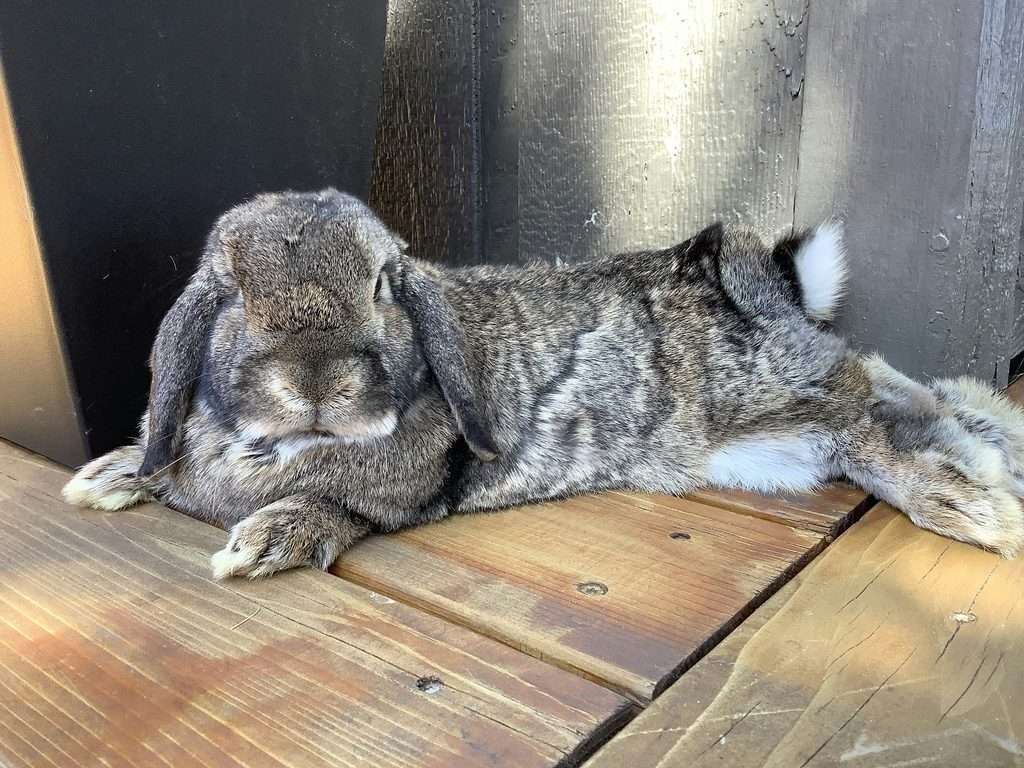
Veterinary & Affiliate Disclaimer: Bunnyowners.com shares educational rabbit care resources, not professional veterinary advice. Always consult a qualified veterinarian regarding your rabbit’s medical, dietary, or behavioral needs. This post may also contain affiliate links; as an Amazon Associate and affiliate partner, we earn from qualifying purchases at zero extra cost to you.
When a rabbit wakes up from a nap and goes straight for the baseboards, carpet, or sofa, it is tough to tell what is actually going on. Chewing, digging, and sudden bursts of destruction can easily look like boredom, leaving many owners wondering if their bunny is truly frustrated and understimulated or just acting like a normal rabbit.
Rabbits can get bored when they lack enough space, social interaction, variety, and safe outlets to dig, chew, and forage. Common signs include destructive chewing, persistent carpet digging, bar biting, restless pacing, or simply losing interest in their environment. Giving them room to explore, puzzle feeders, rotated toys, and regular companionship usually solves the problem without requiring you to entertain them all day.
The trick is knowing when a chewed baseboard is just a rabbit doing rabbit things, and when it’s an actual cry for more daily enrichment. In this guide, we’ll walk through how to spot the real signs of boredom, rule out normal resting habits or health issues, and give your bunny the right outlets before the rest of your furniture pays the price.
1. Do Rabbits Get Bored Easily?
Rabbits can get bored pretty quickly if their daily routine and living space stay exactly the same day in and day out. In the wild, rabbits spend most of their active hours hopping through underground tunnels, dodging predators, sorting out group dynamics, and hunting down good grasses to eat. When a pet rabbit gets placed in a home where food simply sits in a bowl and the room never changes, that natural drive to investigate has nowhere to go.
At its core, rabbit care comes down to a simple principle: rabbits need regular opportunities to forage, dig, chew, and explore. Without safe outlets for those natural behaviors, an intelligent, curious rabbit will happily invent their own entertainment—which rarely aligns with a human’s interior decorating preferences.
Why Indoor Rabbits Can Become Bored
Living indoors is safe, warm, and comfortable, but that safety often means every day is entirely predictable. A setup that never changes can make even an energetic rabbit lose their spark.
Common reasons an indoor rabbit runs out of things to do include:
- A predictable territory: Running around the exact same floor plan with no new smells, platforms, or obstacles to explore.
- Toy clutter that never changes: Leaving the same chew sticks or balls on the rug for months until they simply blend into the furniture.
- Meals served in bowls: Emptying a pellet bowl in two flat minutes, taking away hours of natural grazing and sniffing time.
- Too much time confined: Spending hours in an enclosure with barely enough room to stretch out or get up a good run.
- Long stretches alone: Spending quiet days without human company or a bonded bunny friend to groom and sit with.
Living indoors does not automatically mean a rabbit will be bored. The problem starts when every day looks exactly like the one before it.
Do Rabbits Need Constant Entertainment?
The goal is not to keep your rabbit busy every minute of the day. Rabbits do not need you hovering over them or waving toys in their face like a camp counselor. Give them a few good choices—a quiet place to nap, something new to check out, safe things to chew, and room to run—and let them decide what sounds interesting on their own schedule, providing mental stimulation through environmental enrichment.
2. What Are the Signs of a Bored Rabbit?
Boredom doesn’t look exactly the same in every rabbit. One bunny may start ripping at carpet and rattling pen bars, while another simply seems to lose interest in everything around them. That is why it’s important to look at the whole picture rather than blame one annoying habit on boredom.
Here’s a quick way to compare common boredom signs with some of the other things they can mean:
Common Signs of Boredom and Alternative Explanations
| Possible Sign | What You Might Notice | What Else to Consider |
|---|---|---|
| Destructive Chewing | Attacking baseboards, carpet, furniture legs | Normal chewing instinct |
| Repetitive Digging | Frantic burrowing at the same rug corner | Natural burrowing drive |
| Bar Biting & Pacing | Pulling pen wires, running along fences | Wanting more room, frustration, or meal anticipation |
| Attention-Seeking | Persistent nudging, nipping ankles, tossing bowls | Natural social bonding or hunger |
| Overgrooming | Excessive licking, thinning patches of fur | Skin parasites, allergies, or pain |
| Low Engagement | Rarely investigates toys, forage, or new items | Normal resting, age, stress, or illness |
| Food Fixation | Constantly waiting by the bowl, begging | Routine expectation or dietary imbalance |
Destructive Chewing
Rabbits need to chew regularly because their teeth grow continuously throughout their lives. Chewing becomes more suspicious for boredom when your rabbit spends half the evening systematically dismantling the baseboards or sofa corners and doesn’t have much else available to gnaw. Fresh apple twigs, woven grass mats, and plain cardboard boxes give them somewhere better to aim those teeth. Just remember that chewing itself isn’t a bad habit—it’s something rabbits naturally need to do.
Repetitive Digging
Wild rabbits are built to dig. They can spend a surprising amount of time scratching, scraping, and moving dirt around their burrows. When an indoor rabbit does not have loose dirt or safe materials to move around, that digging drive gets redirected into carpet seams or sofa cushions. If your rabbit scratches frantically at the rug under the couch, they may just need a sturdy digging box where they can safely sink their claws into shredded paper or clean straw.
Bar Biting and Pacing
If your rabbit keeps rattling the pen bars or pacing along the same edge, they may simply be frustrated that they cannot get to the space on the other side. This often crops up when an enclosure is on the smaller side for their activity level, or when a rabbit knows their morning pellet bowl or exercise run is just around the corner. Giving them more free-roam time often calms this down, but it usually points to a space issue rather than simple boredom on its own.
Constant Attention-Seeking
A rabbit that constantly nudges your shins, circles your ankles, nips your socks, or flips their food bowl across the floor is usually looking for some company. For a single rabbit, you are their entire social world. After spending a quiet day waiting around while everyone is at work, a rabbit will often release an entire afternoon’s worth of pent-up social energy the moment you enter the room.
Overgrooming or Fur Chewing
Some rabbits may groom themselves excessively or even start chewing at their fur when they’re stressed or have very little to do. But don’t assume boredom is the cause of a thinning or bald patch. Mites, fleas, skin problems, and pain can cause similar behavior, so unexplained fur loss is worth discussing with your vet.
Losing Interest in Their Surroundings
Not every bored rabbit starts destroying the house. Some go the other direction and seem to lose interest in what’s around them. A bored rabbit may spend long stretches of the day sitting around and showing little interest in exploring or interacting with familiar things. Just be careful with this one, because a rabbit that suddenly becomes withdrawn or sluggish may be showing signs of underlying disease rather than boredom.
3. Is My Rabbit Bored or Just Resting?
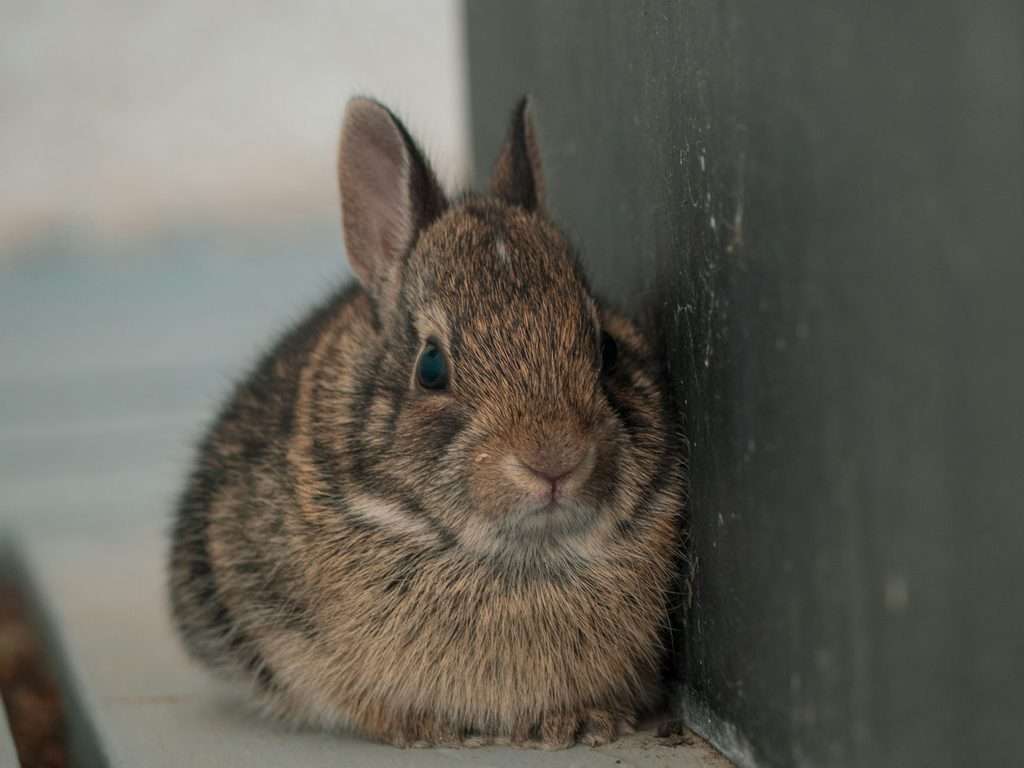
A rabbit sleeping through half the afternoon isn’t necessarily bored at all. Rabbits naturally have quieter parts of the day, and midday is prime nap time for many of them. Rabbits are often described as crepuscular, meaning they’re especially active around dawn and dusk. So a bunny loafed under a chair at 2:00 PM may be doing exactly what a rabbit wants to be doing.
The table below contrasts typical daytime resting habits with patterns that suggest a rabbit needs more to do:
Relaxed Resting vs. Boredom Behaviors
| Normal Relaxed Rabbit | Possible Bored or Frustrated Rabbit |
|---|---|
| Stretches out, loafs, or flops comfortably onto its side | Repeatedly paces the enclosure perimeter or pulls on pen bars |
| Rests deeply during midday and becomes active at dawn/dusk | Stays unresponsive and disengaged during typical active hours |
| Enthusiastically greets food, fresh hay, and leafy greens | Seems interested mainly when food appears |
| Explores, chews, and hops when the room layout changes | Ignores the environment entirely or attacks objects out of frustration |
Telling the difference comes down to timing and response. If your rabbit snoozes all afternoon but sprints, jumps, and tosses cardboard tubes around at dusk, their routine is likely completely normal. I’d pay more attention if that same rabbit stays checked out once evening rolls around, or spends their active hours pacing, rattling bars, or obsessively working on the same carpet corner.
4. Is My Rabbit Bored, Lonely, or Sick?
Pain, stress, loneliness, and boredom can sometimes look surprisingly similar on the surface. Because rabbits are prey animals that often hide signs of illness or discomfort, working out what is going on means looking at how your rabbit behaves across the entire day.
Signs That Point Toward Boredom
One clue is what happens when you give your rabbit something interesting to do. A rabbit that has been lounging around may suddenly perk up when a hay-filled cardboard box, tunnel, or new place to explore appears. If everything else seems normal and they suddenly come alive when there’s something new to investigate, boredom moves a little higher on the list.
Signs Your Rabbit May Need More Social Interaction
Rabbits are social animals, and many enjoy having another rabbit around. Even a rabbit with plenty of toys and room to run may still want more company. Following you everywhere, constantly asking for attention, or becoming noticeably quieter during long stretches alone can be clues. For many rabbits, a compatible bonded partner provides a kind of everyday companionship that a pile of toys simply can’t replace.
Signs That Shouldn’t Be Blamed on Boredom
A sudden loss of appetite, significantly reduced or absent droppings, a hunched posture, obvious signs of pain, weakness, or difficulty moving should never be blamed on boredom. Those are signs that something more serious may be going on, including problems such as GI stasis or dental pain. That’s a reason to call your vet, not head to the toy box.
5. Why Is My Rabbit Bored?
Rabbit boredom usually develops when a rabbit has plenty of time but too few meaningful ways to spend it. The problem is rarely an absence of plastic toys; it stems from a lack of space, company, variety, or chances to do normal rabbit things.
Too Little Space or Exercise
When a rabbit spends too much time in a small enclosure or doesn’t get enough room to run throughout the day, all that unused energy has to go somewhere. For some rabbits, it comes out as bar biting, carpet digging, or chewing anything within reach.
Not Enough Outlets for Natural Behavior
Even a huge rabbit setup can get pretty boring when there is nothing interesting to do in it. Rabbits want to forage, chew, dig, hide, and explore, so giving them safe ways to do those things makes the space much more interesting.
Too Much Time Alone
You can give a rabbit a huge pen, piles of toys, and all the cardboard in the world, but they may still get lonely if they spend most of the day by themselves.
6. How Do You Keep a Rabbit Entertained?

The best rabbit entertainment usually isn’t very complicated. Give them things to sniff out, boxes to investigate, stuff they’re allowed to destroy, and food that occasionally takes a little work to find. Build a few of those activities into everyday life and your rabbit has plenty to keep busy with.
Turn Meals Into Foraging Opportunities
Instead of serving pellets and greens in a plain dish, make your rabbit search for part of their daily ration. Scatter pellets through a pile of hay, tuck leafy greens across different room levels, or stuff timothy hay into plain cardboard tubes. You’re feeding the same amount—you’ve just made dinner take longer than two minutes.
Give Them Something Safe to Chew
Clean apple wood branches, willow balls, unbleached seagrass braids, and plain cardboard give rabbits appropriate things to gnaw, shred, and push around. This helps steer chewing away from furniture and baseboards. Always choose untreated, rabbit-safe materials and avoid painted, chemically treated, or questionable chew items.
Create a Dedicated Dig Box
Rather than scolding a rabbit for pulling up carpet seams, give them an approved spot to dig. A wide, low-sided storage tub or cardboard box filled with shredded crinkle paper, clean packing paper, or fresh hay lets them scratch and burrow vigorously without damaging your floors.
Add Tunnels, Hideouts, and Lookout Points
A few boxes and tunnels can turn a boring open floor into somewhere worth poking around. Many rabbits also love a low, sturdy platform where they can sit up and keep an eye on the room. Having dark hideaways with cut-out exits gives them confidence to hop and explore on their own.
Give Them Objects to Toss and Manipulate
Many rabbits love rearranging the items in their territory. Hard plastic baby stacking cups, lightweight willow rings, and plain cardboard tubes can be picked up, tossed, and knocked over. Some rabbits seem to get a ridiculous amount of enjoyment out of picking these things up, throwing them aside, and doing it all over again.
Teach Simple Reward-Based Behaviors
Rabbits learn surprisingly fast with positive reinforcement. Using small pieces of fresh herbs or a pellet as a reward, you can teach your rabbit to touch a target stick, spin in a circle, hop onto a low footstool, or come running when called. Even a five-minute training session gives them something different to think about, and some rabbits become enthusiastic little students once they realize treats are involved.
Spend Focused Floor Time With Your Rabbit
Entertaining your rabbit does not mean picking them up or holding them, which most rabbits dislike. Simply sit or lie flat on the floor at their eye level while reading a book or working on your laptop. When you enter their space without forcing contact, curiosity takes over; your rabbit will often hop over, climb across your back, and nudge your hand for gentle forehead rubs.
Watching a rabbit work through a boredom breaker is the easiest way to see what clicks. Here are a few simple, tested setups that channel digging and chewing into safe outlets:
7. How Long Should I Play With My Rabbit Each Day?
There is no universal amount of playtime you have to hit each day. What matters far more is giving your rabbit enough room to run, interesting things to do, and regular company, while letting them choose when to explore and when to take a nap.
Your rabbit’s total daily exercise needs are separate from the amount of time you personally spend playing with them. Blending passive company—like working at your desk while your rabbit potters around the room—with quick bursts of interaction fits their natural routine much better than an intensive, scheduled play session.
8. How Often Should You Change Your Rabbit’s Toys?
Rotating some of your rabbit’s toys periodically can keep familiar items interesting without causing unnecessary clutter. Try keeping a few favorites available while occasionally swapping secondary toys, tunnels, or chew items with ones that have been stored away.
Don’t completely rearrange their whole living space every time you rotate toys, either. Rabbits like knowing where their important stuff is. Keep the litter box, water bowl, and favorite sleeping spot where they belong, then switch out a tunnel, forage box, or chew toy here and there.
9. What If My Rabbit Doesn’t Play With Toys?
If your rabbit ignores every ball and wooden chew you put in front of them, that doesn’t mean they’re lazy or impossible to entertain. They may simply prefer doing something else. Unlike dogs that might happily chase the same ball over and over, many rabbits are more interested in things they can dig through, tear apart, toss, or search for food inside.
Take my rabbits, Mocha and Chino. If I toss down a bunch of toys, Mocha walks right past the wooden blocks to tear into an Amazon box, peeling off strips of cardboard until she’s made her own doorway. Chino doesn’t care about cardboard at all—he just wants to chuck his baby cups across the rug until every last herb falls out.
Watch what your rabbit already chooses to do, then give them more ways to do it without wrecking the house. If they’re a digger, give them somewhere to dig. If they’re a cardboard destroyer, keep the boxes coming.
The table below gives you a few places to start:
Matching Enrichment to Your Rabbit’s Play Style
| If Your Rabbit Loves To… | Try Providing… |
|---|---|
| Dig | Cardboard boxes filled with shredded paper, timothy hay, or woven grass mats |
| Chew | Fresh apple wood branches, untreated wicker balls, and seagrass braids |
| Forage | Hay-filled cardboard tubes, simple cardboard puzzle boxes, and scattered pellets |
| Explore | Modular cardboard mazes, fabric tunnels, and multi-entrance hideaways |
| Toss | Plastic baby stacking cups, willow rings, and empty paper towel tubes |
| Climb | Solid, low wooden platforms, step stools, or sturdy cardboard castles |
| Deconstruct | Plain corrugated boxes with staples and packing tape carefully stripped away |
| Learn | Target sticks, spin cues, and gentle obstacle navigation |
10. Can Rabbits Get Bored When They Have Another Rabbit?

Having a bunny friend doesn’t automatically mean a rabbit can never get bored. Bonded rabbits have each other to groom, nap beside, and interact with, but they still need room to run and interesting things to investigate. Put two rabbits in the same small, unchanging setup with nothing to do and both can still become bored. Companionship is important, but it isn’t a substitute for a good environment.
11. Can Free-Roam Rabbits Get Bored?
Even a free-roam rabbit can get bored. Having an entire room—or even an entire house—to explore is fantastic, but eventually they know every chair leg, hiding spot, and doorway by heart. A few changing forage games, cardboard boxes, tunnels, and chew projects can make an otherwise familiar home interesting again.
Frequently Asked Questions
Can rabbits watch TV or listen to the radio to stay entertained?
Some rabbits may notice the movement and sounds from a television, but TV isn’t a substitute for rabbit-friendly enrichment. Quiet background sound may be fine for a rabbit that’s comfortable with it, but activities that let them forage, chew, dig, explore, and interact with their surroundings give them much more meaningful ways to stay occupied.
Do rabbits get bored of their food?
A rabbit losing interest in hay isn’t something I’d automatically chalk up to boredom. Hay should remain a major part of a rabbit’s diet, but you can make feeding time more interesting by encouraging natural foraging instead of serving everything in one easy spot. Stuffing hay inside cardboard tubes or hiding greens in different places gives your rabbit something to search for while they eat.
Can you give a rabbit a mirror to keep them company?
A mirror isn’t a substitute for real companionship. Some rabbits may investigate their reflection, while others may ignore it or react cautiously, so watch your rabbit’s response and remove the mirror if it seems to cause stress. A reflection can’t groom or interact with your rabbit the way a compatible bonded rabbit can.
12. Final Thoughts
Keeping a rabbit entertained doesn’t require an endless toy budget or a packed schedule of activities. Give them enough room to move, plenty of safe things to chew and dig through, food they occasionally have to work for, and the freedom to decide when they want to play or nap.
Sometimes something as simple as hiding a few pellets in hay or dropping a fresh cardboard box on the floor is enough to send a curious rabbit straight over to investigate. Keep giving them small opportunities to explore, forage, chew, and make a little rabbit-approved mess, and you’ve already done most of the hard work.
Medical & Veterinary Disclaimer: Bunnyowners.com is an informational resource for rabbit owners and enthusiasts. We are not veterinarians. The content on this website is for educational purposes only and is not a substitute for professional veterinary advice, diagnosis, or treatment. Always consult a qualified veterinarian with any questions or concerns regarding your pet’s health, medical conditions, diet, or overall care. If you have concerns about your rabbit’s health, it’s always best to reach out to a veterinarian rather than relying solely on information found online.