
Veterinary & Affiliate Disclaimer: Bunnyowners.com shares educational rabbit care resources, not professional veterinary advice. Always consult a qualified veterinarian regarding your rabbit’s medical, dietary, or behavioral needs. This post may also contain affiliate links; as an Amazon Associate and affiliate partner, we earn from qualifying purchases at zero extra cost to you.
Walk down the small-pet aisle of almost any pet store, and you’ll find shelves packed with colorful wooden blocks, plastic balls, and hanging chews. Yet every rabbit owner knows the feeling of bringing home an expensive new toy, only to watch their rabbit ignore it completely and spend the next two hours destroying the cardboard box it came in. The trick is figuring out which toys actually satisfy natural rabbit instincts without putting their health at risk.
The best toys for rabbits encourage natural behaviors such as chewing, digging, foraging, hiding, tossing, and exploring. Safe choices include untreated willow and applewood chews, plain cardboard, woven seagrass mats, sturdy tunnels, and simple food puzzles. Avoid toys with small detachable parts, toxic finishes, synthetic threads, or materials your rabbit actively swallows rather than shreds.
Keeping a rabbit active and out of trouble is a huge part of day-to-day rabbit care. In this guide, we’ll walk through the best toy options for your rabbit’s personal play style, which materials are genuinely safe to chew, and the common pet-store items you should leave on the shelf.
1. The Best Types of Toys for Rabbits
The best rabbit toys generally fall into a few clear groups based on what rabbits naturally love to do: chew, dig, forage, explore, and toss things around. A solid mix includes wood or woven grass toys for chewing, simple food puzzles to search through, cardboard tunnels for darting in and out of, and a dig box to save your carpets.
Offering a few different options, and swapping them out now and then, keeps everyday boredom from turning into destructive habits by giving rabbits safe outlets for natural behaviors and daily exercise.
Rabbits don’t play with toys the way a dog or cat does. They interact with their space by altering it—shredding what they can reach, rearranging loose objects, and investigating anything with food tucked inside.
Here is how the primary toy categories break down, what they do best, and the main hazards to watch out for:
Rabbit Toy Categories and Safety Considerations
| Toy Category | What It Does Best | Top Safe Examples | Avoid / Risk Factors |
| Chew Toys | Gnawing, stripping bark | Willow sticks, applewood twigs, compressed hay blocks | Cedar, treated lumber, glued dowels |
| Foraging Toys | Searching, working for food | Hay-packed paper tubes, woven seagrass mats, snuffle mats | Toys requiring sugary commercial treats |
| Digging Toys | Tunneling, denning | Cardboard dig boxes, unprinted paper strips, clean cotton towels | Synthetic carpet scraps, treated potting soils |
| Tunnels & Hides | Darting, resting in cover | Corrugated cardboard tubes, plain shipping boxes | Narrow wire coils, collapsible tunnels with exposed wire |
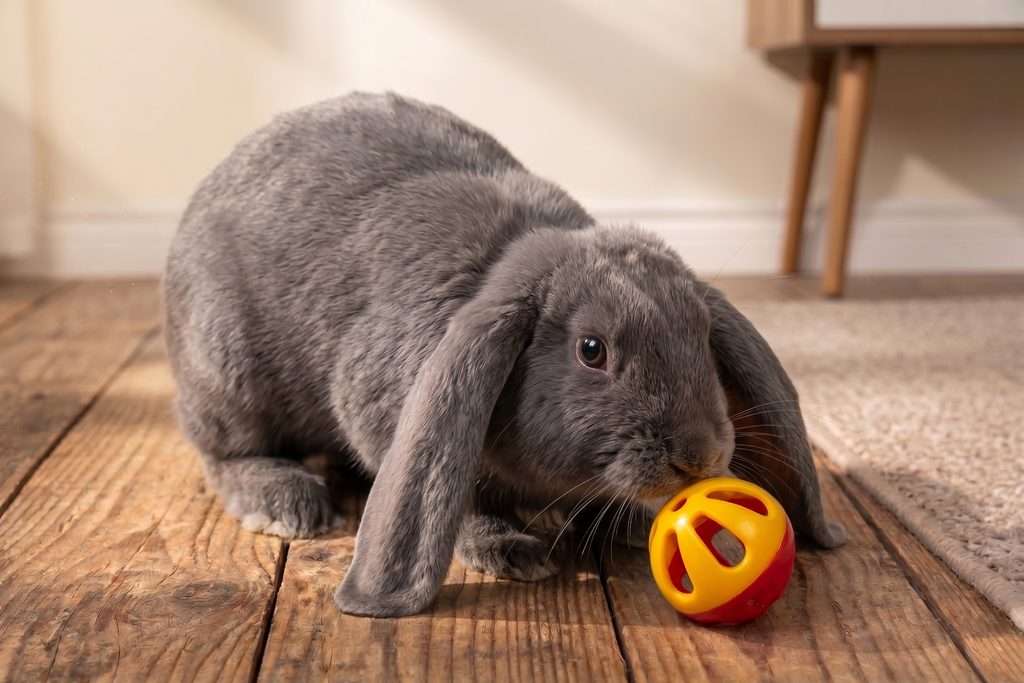
| Toss Toys | Nudging, rearranging territory | Hard plastic stacking cups, lightweight unpeeled willow balls | Heavy ceramic or brittle plastic that chips easily |
| Shredding Toys | Tearing, nesting behavior | Plain brown cardboard, brown packing paper | Heavy packing tape, staples, glossy coatings |
| Puzzle Feeders | Problem-solving, nose work | Sliding wooden boards, rolling kibble balls | Small loose pegs that could be swallowed |
Toys for Rabbits That Like to Toss Things
Some rabbits simply love moving things around—picking up objects with their teeth, flinging them aside, or nudging them out of the way like small bulldozers.
- Hard Plastic Stacking Cups: Standard baby nesting cups are one of the most versatile rabbit toys you will find. Most rabbits love knocking over tall stacks, pulling nested sets apart, and carrying individual cups across the room by the rim. Tucking a pellet between each cup turns it into a quick, rewarding puzzle.
- Lightweight Wooden Dumbbells: Small, untreated wood dumbbells and willow balls roll easily across the floor with a nose nudge and are light enough for a rabbit to pick up and fling across the rug.
Sometimes it’s easier to see what rabbit play actually looks like than to describe it. The video below shows a few simple toy ideas and how rabbits can interact with them:
2. What Makes a Rabbit Toy Safe?
A good rabbit toy should be safe to chew, difficult to get stuck in, and sturdy enough to survive some fairly determined destruction. Before handing anything over, check for loose strings, tiny pieces, sharp edges, questionable finishes, or anything your rabbit could break off and swallow.
A toy isn’t automatically safe just because a manufacturer printed a bunny on the packaging. Look at what it’s made from, whether anything can break off, and most importantly, what your rabbit actually does with it. Choosing safe toys is just one part of caring for a pet rabbit, but it’s an important one when those toys may be chewed, shredded, and tossed around every day.
Pay attention to what your rabbit does with a toy once the chewing starts. Shredding a cardboard box and leaving the pieces scattered around is very different from actually eating those pieces. If your rabbit starts swallowing chunks instead of just shredding them, take the toy away and switch to something edible to prevent an intestinal blockage.
Start With Rabbit-Safe Materials
Rabbit teeth never stop growing, so chewing is part of everyday life. Unlimited grass hay does most of the heavy lifting for healthy dental wear, while safe wood, cardboard, and woven grass toys give rabbits extra things to gnaw and tear apart.
For wooden toys, stick with rabbit-safe choices such as dried apple, willow, and hazel. Avoid pressure-treated lumber, strongly aromatic woods such as fresh cedar, and any branch you’re not completely sure is safe for your rabbit.
Watch for Small Parts
Bird and rodent toys often come with bells, metal clips, painted beads, or thin string. A rabbit can tear through those in minutes, leaving behind cracked bits and sharp edges that are far too easy to swallow.
Watch for Holes a Rabbit Could Get Stuck In
Rabbits are remarkably good at sticking their noses and heads into places they shouldn’t. Check holes in wire toys, puzzle feeders, and tunnels before leaving them out. An opening should either be too small for your rabbit to push into or comfortably large enough for their whole head and shoulders to pass through.
Anything in between can become a trap, especially if your rabbit panics and tries to pull backward.
Inspect Toys as They Wear Out
A toy that starts out perfectly safe can look very different after a week of determined chewing. Give toys a quick check now and then for:
- Wire support rings poking through fabric tunnels.
- Splintered wood with sharp, jagged points.
- Unraveling strings or cords that could wrap around feet or teeth.
- Cardboard tubes crushed into rings that could slide onto a foot or neck.
Are Fabric Toys and Stuffed Animals Safe?
Some rabbits are perfectly happy to cuddle or groom a stuffed animal without damaging it, and in that case a simple fabric toy can be fine. The trouble starts when your rabbit decides the toy is something to chew, because torn seams can expose thread, stuffing, or plastic pieces underneath.
Long strands of thread are especially concerning because they can cause an intestinal blockage. If your rabbit mostly cuddles or grooms a stuffed toy, choose one with embroidered features instead of plastic eyes, and check it regularly for damage.
Supervise New Toys at First
Never set an unfamiliar toy in a rabbit’s enclosure and leave the house. Take a moment to remove price tags, barcode stickers, tape, and any loose staples. Introduce the toy while you are in the room and your rabbit is active so you can observe how they interact with it. Make sure your rabbit is nudging or shredding the item rather than swallowing pieces of non-food material, and check for sharp points, splintering, or broken edges before leaving it out long-term.
3. Best Chew Toys for Rabbits
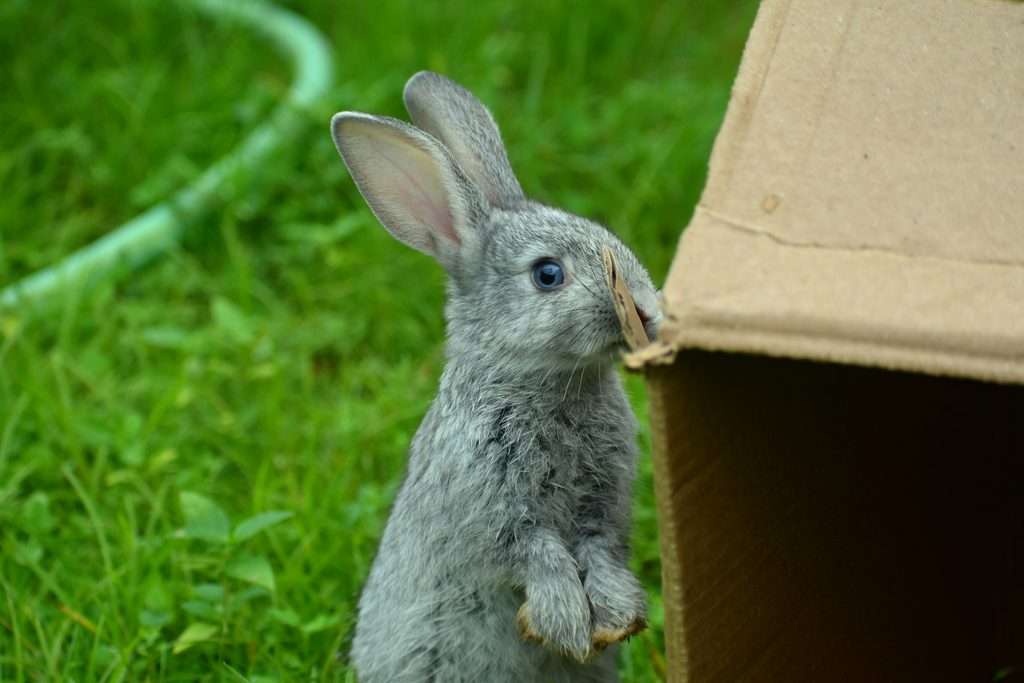
You don’t need anything fancy for a rabbit that loves to chew. Untreated willow and applewood, woven grass toys, compressed hay toys, and plain cardboard can all give busy teeth something better to work on than your furniture. Hay should still be doing most of the heavy lifting when it comes to everyday chewing.
If your rabbit seems determined to chew everything in sight, giving them several acceptable things to destroy can help redirect some of that attention away from furniture and baseboards.
Willow and Applewood Toys
Untreated applewood and willow twigs are dependable favorites. Most rabbits peel off every scrap of bark first, then happily gnaw the branch down to a clean little toothpick. Just make sure the cuttings are pesticide-free, or pick woven willow balls made without hidden glues.
Seagrass and Woven Grass Toys
Woven mats made from seagrass, timothy hay, or water hyacinth give rabbits a satisfying surface to shred while lounging. Just give them a quick once-over before handing them over to make sure the pieces are tied with natural twists of grass or raffia, rather than hidden hot glue, plastic fasteners, or nylon thread.
Cardboard Chew and Shredding Toys
You don’t need to spend much here. Plain brown boxes, unbleached egg cartons, and clean paper rolls can all make useful shredding toys, especially for rabbits with a strong urge to destroy everything around them.
Keep an eye on how your rabbit plays with a new cardboard toy for the first few days. Ripping off chunks and leaving a trail of confetti across the rug is completely normal shredding. But if you notice they are actually eating the cardboard rather than spitting it out, take it away and swap it for an edible woven hay toy instead.
4. Best Foraging and Puzzle Toys
A good foraging toy makes your rabbit do a little searching before dinner appears. Pellets tucked into hay, a cardboard tube stuffed with herbs, or a forage box filled with paper can turn a meal that disappears in sixty seconds into something they have to sniff, dig, and work through, making these setups an easy way to add more enrichment activities to your rabbit’s day.
Hay-Stuffed Cardboard Tubes
Take an empty paper towel or toilet paper roll, pack it tightly with fresh grass hay, and tuck a few pellets or a pinch of dried chamomile or mint in the middle. The rabbit has to use their front paws and teeth to work the hay out strand by strand to reach the hidden flavors.
Forage Boxes
A shallow cardboard box layered with paper bedding, a sprinkle of pellets, dried herbs, and crumpled brown packing paper makes an easy homemade foraging pit. Rabbits love rooting through the mess nose-first, tossing scraps of paper aside as they hunt down every last hidden bite.
Puzzle Feeders and Rolling Treat Balls
Small treat-dispensing balls designed for cats or small dogs work remarkably well for rabbits. Adjust the opening so that standard pellets drop out only when the ball is nudged across the floor. It keeps your rabbit busy while making their usual pellet portion last a little longer.
5. Best Digging Toys
Digging isn’t a bad habit you need to train out of your rabbit. It’s something they’re built to do, which is why giving them an approved digging spot usually works better than constantly shooing them away from the carpet.
Instead of fighting it, redirect that energy with a safe, approved spot:
- Cardboard Dig Boxes: Take a medium shipping box or a high-sided storage container, cut a comfortable entry hole a couple of inches off the floor, and fill it with torn cardboard strips, crinkled craft paper, and handfuls of hay.
- Fabric Digging Mats: For rabbits that insist on scratching at carpet seams, laying down a heavy, tightly woven cotton mat can give them somewhere better to scratch and dig. Avoid looped terry towels or rugs with loose weave where toenails can get caught.
6. Best Tunnels and Hiding Toys
Many rabbits are much more adventurous when they have somewhere to duck for cover. Put a tunnel or a couple of cardboard hideouts in a wide-open room, and you’ll often see a hesitant rabbit start exploring much more confidently:
- Cardboard Tunnels: Thick corrugated play tubes or large builder’s tubes can take plenty of running, scratching, and chewing before they need replacing.
- Multi-Entrance Cardboard Forts: A box with only a single opening can make a rabbit hesitant to enter if they feel trapped inside. Cutting two separate doorways on opposite sides transforms a closed box into an inviting, low-stress runway.
- Fabric Play Tunnels: Lightweight pop-up tunnels are easy to fold away, but check them often. Take them out of rotation if your rabbit begins tearing through the lining or if the internal wire coil starts to poke through.
7. Are Cardboard and Toilet Paper Rolls Safe?
Plain toilet paper rolls, paper towel tubes, and ordinary brown cardboard are usually fine for rabbits to shred and play with. Just remove tape, shipping labels, staples, and anything else you wouldn’t want ending up in your rabbit’s mouth.
What matters most is what your rabbit does with it. Tearing cardboard into pieces and leaving the mess behind is normal shredding; regularly eating the pieces is different. Avoid tubes with heavy glue residue, unusual coatings, added fragrance, or other materials you cannot identify. If your rabbit eats cardboard rather than spitting it out, stick to edible woven hay products.
8. Are Plastic Toys Safe?
Plastic toys can be fine for rabbits that like to push, flip, and toss them around without chewing them. Stacking cups are a good example. Once your rabbit starts leaving deep tooth marks, breaking off edges, or actually removing pieces of plastic, though, the toy needs to go.
When I first introduced my rabbits, Mocha and Chino, to a set of heavy stacking cups, their different habits made this boundary obvious. Chino spent half an hour flipping them across the rug by their edges, while Mocha went straight to gnawing the rim to see if she could shear off flakes. Mocha lost access to the plastic set that afternoon and went back to compressed timothy pucks.
If pieces are missing, assume your rabbit may have swallowed them and take the toy away. Plastic doesn’t break down in the digestive tract and can cause a blockage.
9. What Toys Should Rabbits Avoid?
The toys I’d avoid are the ones that become dangerous the moment a rabbit starts doing what rabbits do best—chewing them apart. Loose strings, exposed wire, brittle plastic, tiny detachable pieces, questionable glues or finishes, and soft materials that tear into swallowable chunks are all reasons to choose something else.
Not everything sold in the small-animal aisle belongs in a rabbit’s pen. Some products are unnecessary, while others contain parts or materials you don’t want your rabbit chewing or swallowing.
Here are the ones I’d skip:
Dangerous and Unsafe Rabbit Toys
| Prohibited Toy / Material | Why It Can Be a Problem |
|---|---|
| Mineral & Salt Licks | Generally unnecessary for rabbits on a balanced diet of hay and greens; avoid unless specifically recommended by a veterinarian. |
| Flexible Wire Hay Balls | Rabbits reaching deep for hay strands can catch feet, nails, or lower jaws between flexible wire rungs. |
| Chemically Glued Chews | Industrial adhesives, colorants, and unknown binders should not be chewed or swallowed. |
| Cedar & Uncured Softwoods | Fresh cedar and other strongly scented softwoods are best avoided because their aromatic oils can irritate a rabbit’s airways. |
| Soft Rubber or Vinyl Toys | Soft rubber and vinyl can tear into pieces that may cause an intestinal blockage if swallowed. |
| Loose Bells & Tiny Beads | Can break into sharp pieces or leave small parts that a rabbit could swallow. |
10. How Do You Know What Toys Your Rabbit Will Like?
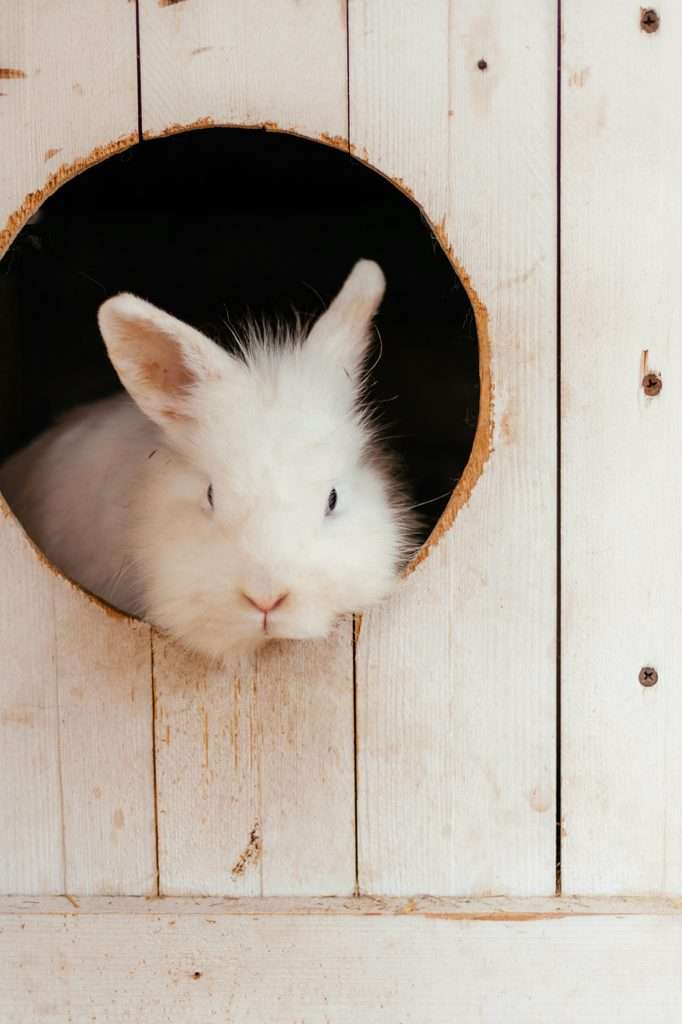
Your rabbit will usually tell you what kind of toys they want—you just have to watch what they’re already getting into. A rabbit that attacks the carpet may love a dig box, a baseboard chewer may go for willow or cardboard, and a bunny that spends half the day rearranging bowls might have a great time with stacking cups or toss toys.
Toys can encourage plenty of movement, but they don’t replace the open floor space rabbits need for daily exercise.
Match the habit you’re seeing to a toy that gives your rabbit a better place to put that energy:
Matching Natural Rabbit Behaviors to Toys
| What Your Rabbit Does | Why They Do It | Toy to Try |
| Chews baseboards or table legs | Urge to chew; clearing path barriers | Thick applewood sticks, willow rings, flattened cardboard boxes |
| Scratches at carpet corners | Wants to dig or make a burrow | High-sided dig box filled with unprinted kraft paper and hay |
| Flips water bowls or tosses items | Likes moving things out of the way | Hard plastic baby stacking cups, lightweight willow balls |
| Squeezes behind sofas and furniture | Looking for a covered place to explore | Rigid cardboard tunnels, multi-entrance hideout boxes |
| Roots through laundry or rug folds | Likes searching underneath things | Snuffle mats, hay-stuffed tubes, clean cotton towels |
11. How Many Toys Do Rabbits Need, and Should You Rotate Them?
You don’t need to fill every corner of the pen with toys. Give your rabbit a few different things to do—something to chew, somewhere to explore, and something that makes them work for food—while leaving plenty of open room to run. When those toys start getting ignored, swap one or two for something different.
A good starting point is to give your rabbit three different things to do:
- Something to chew: An untreated willow branch, wooden chew stick, or woven grass ball.
- Something to explore or hide in: A tunnel or a cardboard box with two doorways.
- Something that encourages foraging: A hay-stuffed tube, a forage box, or a simple puzzle feeder.
Whatever toys you choose, keep enough open space for your rabbit to hop, stretch out, turn comfortably, and build up speed.
Like us, rabbits can get bored with the same setup. Once they’ve sniffed, chin-marked, chewed, and thoroughly investigated a toy, it may lose some of its appeal. You don’t need to keep buying new ones—just keep a few extras aside and swap one or two every few days.
12. Frequently Asked Questions
Do rabbits need toys if they have a bonded partner?
Yes. A bonded partner gives a rabbit companionship, grooming, and someone to nap beside, but the pair still needs things to do. Two rabbits can be perfectly bonded and still decide that your baseboards look more interesting than their empty pen. Offering rabbit chew toys gives both rabbits a constructive outlet for everyday energy.
Can rabbits play with cat toys?
Some can, but you have to choose carefully. Hard plastic rolling balls without small openings can work well for tossing, provided they are sturdy enough not to crack under pressure. Avoid cat toys with dangling elastic strings, synthetic feathers, jingle bells, or foam mice that are easily chewed apart. While catnip itself is non-toxic to rabbits, cat toys scented with it often encourage unwanted chewing or licking of synthetic fabrics.
Can rabbits play with baby toys?
Yes, certain infant toys make fantastic rabbit playthings. Rigid plastic stacking cups, solid plastic links, and untreated wooden building blocks are durable, washable, and easy to clean. Avoid soft vinyl squeeze toys, liquid-filled teething rings, or anything with a battery compartment.
Can rabbits play with balls?
Yes. Lightweight balls that are easy to roll with a nose or grab with teeth are ideal. Natural woven willow, timothy, or seagrass balls are good options. Solid wooden balls also work very well for active tossers.
Do rabbits need chew toys if they have unlimited hay?
Yes. Hay should still do most of the work when it comes to chewing and dental wear, but chew toys give rabbits extra ways to gnaw, shred, and keep their teeth off your furniture.
Why does my rabbit ignore its toys?
Sometimes you’ve simply picked the wrong kind of toy. A rabbit that couldn’t care less about wooden blocks might spend half an hour digging through a forage box or dragging hay out of a stuffed paper tube. Try a few different types and pay attention to what gets the strongest reaction.
How often should rabbit toys be replaced?
Replace toys based on their condition rather than a set schedule. Immediately discard any wooden toy that has split into sharp points, any woven grass structure that begins exposing internal wire or string, and any cardboard item that has become soiled or damp.
13. Conclusion
The best rabbit toys are often surprisingly simple. A cardboard box to destroy, a willow branch to strip, a tunnel to race through, and a handful of pellets hidden in something they have to investigate can provide more entertainment than a shelf full of fancy pet-store toys.
Watch what your rabbit naturally enjoys doing, choose toys that give them a safe way to do it, and check those toys regularly for damage. If your rabbit would still rather play with the cardboard box the toys arrived in, well—that’s pretty normal too.
Medical & Veterinary Disclaimer: Bunnyowners.com is an informational resource for rabbit owners and enthusiasts. We are not veterinarians. The content on this website is for educational purposes only and is not a substitute for professional veterinary advice, diagnosis, or treatment. Always consult a qualified veterinarian with any questions or concerns regarding your pet’s health, medical conditions, diet, or overall care. If you have concerns about your rabbit’s health, it’s always best to reach out to a veterinarian rather than relying solely on information found online.