
Veterinary & Affiliate Disclaimer: Bunnyowners.com shares educational rabbit care resources, not professional veterinary advice. Always consult a qualified veterinarian regarding your rabbit’s medical, dietary, or behavioral needs. This post may also contain affiliate links; as an Amazon Associate and affiliate partner, we earn from qualifying purchases at zero extra cost to you.
When a domestic rabbit shows up for morning feeding with puffy eyelids, crusty fur, or a localized pink tint around the eye socket, finding out what went wrong becomes an immediate priority. The real challenge with lagomorphs is their evolutionary wiring as a prey species. Because rabbits are prey animals, they instinctively hide signs of pain or illness to avoid looking vulnerable. A tiny squint that looks like minor irritation can easily mask a deep bacterial issue that has been quietly building for days, making early detection vital.
Rabbits with eye infections typically display swollen eyelids, conjunctival redness, squinting, matted fur, and a thick white, yellow, or green purulent discharge. These infections are commonly triggered by bacterial pathogens like Pasteurella, injuries, environmental irritants, or underlying dental and respiratory diseases that block tear drainage. Because untreated cases can rapidly cause permanent corneal ulceration, blindness, or painful deep abscesses, prompt veterinary treatment with targeted antibiotics is critical.
To help you successfully navigate this condition, this comprehensive guide provides a detailed clinical breakdown of the entire recovery process. As part of my commitment to managing everyday rabbit health issues, we will explore how to analyze specific discharge profiles, evaluate the critical anatomical relationship between a rabbit’s tooth roots and the tear ducts, and look at the exact diagnostic tests used during a specialized exotics exam. Finally, we will cover targeted medical treatments, what critical mistakes you must avoid at home, and practical supportive handling techniques to help your rabbit make a full, low-stress recovery.
2. What Are the Symptoms of a Rabbit Eye Infection?
An eye infection in a rabbit rarely presents as a single, tidy symptom. Instead, you will almost always see a combination of localized tissue changes and subtle shifts in how your rabbit carries themselves.
Red or Bloodshot Eyes
The inner lining of the eyelids, the conjunctiva, is highly vascular. When bacteria colonize this space, it triggers rapid inflammation (hyperemia), turning the normally pale pink tissue into a brilliant, angry red. Clinical notes from the Merck Veterinary Manual on Bacterial Diseases of Rabbits emphasize that this localized conjunctivitis is frequently the very first observable sign of a systemic or opportunistic bacterial bloom. In severe cases, this tissue swells so heavily with fluid that it actually bubbles out from beneath the eyelids, a clinical presentation known as chemosis.
White, Yellow, or Green Eye Discharge
Ocular moisture changes drastically depending on the internal health of the eye. Differentiating simple, clear tear overflow from an active immune response is critical for correct triage:
Table 1: Diagnostic Profile for Rabbit Ocular Discharge
| Discharge Color & Profile | Primary Clinical Indication | Pathophysiological Mechanism |
|---|---|---|
| Clear, Watery (Serous) | Environmental irritation, early allergy, or early mechanical tear duct obstruction. | Overproduction of standard tears to flush a non-bacterial irritant or foreign body. |
| Thick, Opaque White | Active localized bacterial infection or early stage dacryocystitis. | High accumulation of dead white blood cells (heterophils) fighting off pathogens. |
| Yellow to Creamy | Advanced bacterial colonization or localized abscess formation. | Progressive infection; typical of Pasteurella multocida or Staphylococcus strains. |
| Greenish-Tinted | Severe, deep-seated bacterial infection requiring urgent care. | Often indicates opportunistic Pseudomonas aeruginosa colonization or deep corneal necrosis. |
Swollen Eyelids
When an infection takes hold, the surrounding tissues quickly fill with fluid. The delicate skin around the eye margins can look puffy, tight, and hot to the touch, sometimes swelling so severely that the rabbit struggles to slide the lids apart naturally.
Squinting or Keeping One Eye Closed
If a rabbit is holding one eye partially closed or blinking rapidly, it is a direct sign of sharp ocular pain. According to ophthalmic diagnostic papers hosted by the Veterinary Vision Center on Dacryocystitis, this protective flinch reflex is common when a foreign object is trapped behind the third eyelid, or when the smooth surface of the cornea has been compromised by a scratch or a painful ulcer.
Excessive Tearing or Watery Eyes
Increased fluid production is the eye’s primary defense mechanism. When an infection begins, the lacrimal glands overproduce fluid to flush out the microbial threat, turning the eye highly reflective and constantly wet. For a deeper look at non-infectious tearing, check out our guide on evaluating chronic watery eyes in rabbits.
Crusting Around the Eye
Rabbits have thin, sensitive skin on their faces. When thick, purulent fluid continuously leaks from the inner corner of the eye, it mats the surrounding fur into hard crusts. As this bacteria-laden moisture sits on the skin, it strips away the fur (alopecia) and leaves the skin raw, inflamed, and prone to secondary bacterial skin infections.
Changes in Behavior or Appetite
Physical signs can sometimes be difficult to spot early on, making a rabbit’s behavior your best warning system. A rabbit with a painful eye will often retreat to dark corners, rub their face repeatedly against their forelimbs or enclosure bars to clear the fluid, or turn aggressive when handled. Learning how to accurately tell if your rabbit is hurting requires looking past obvious vocalization, as subtle shifts in posture, hiding behaviors, or tight facial expressions are far more accurate pain indicators.
The biggest warning sign is a sudden change in how they view food.
In my daily observations with my own rabbits, Mocha and Chino, I have learned that behavioral baseline shifts are far more telling than physical changes alone. If Chino suddenly fails to show up at the front of the enclosure for his morning pellets, or if Mocha ignores a fresh green treat, it immediately flashes an alarm. When a rabbit stops eating due to localized eye pain, it alters their entire metabolic stability, which can rapidly lead to systemic complications.
3. What Causes Rabbit Eye Infections?
An infected eye is frequently a secondary symptom of a completely different internal structural breakdown. Treating the eye without diagnosing the root cause ensures the infection will return.
Bacterial Eye Infections
Rabbits naturally harbor a baseline population of microbes, but stress, poor airflow, or low immunity can trigger opportunistic overgrowth. Pasteurella multocida is the most common bacterial culprit behind rabbit eye infections. Other common pathogens isolated in veterinary cultures include Staphylococcus aureus and Pseudomonas aeruginosa. These bacteria can colonize the conjunctival sac directly or travel from the nasal passage up into the eye.
Eye Injuries and Corneal Scratches
Rabbits love to burrow into fresh forage, which introduces the risk of mechanical injury. A sharp piece of coarse orchard grass or timothy hay can easily scratch the eye, a common injury known as a “hay poke.” These minor scratches compromise the protective outer layer of the eye, giving environmental bacteria an easy pathway to establish a deep infection. If severe ocular pain causing unmanaged physical stress leaves your pet completely lethargic or unwilling to move, immediate stabilization and clinical observation are required.
Dental Disease and Tooth Root Problems
Because a rabbit’s teeth grow continuously throughout their lives, their dental health directly dictates their ocular health. The roots of the upper incisors and cheek teeth sit directly beneath the thin tear duct that drains fluid from the eye into the nose. When a rabbit develops overgrown teeth or dental disease, those long tooth roots can push upward into the jawbone.
This upward growth crushes or punctures the tear duct overhead, trapping normal fluid and creating a stagnant pool where bacteria rapidly multiply. This often forces thick white pus to back up and spill directly out into the eye socket.
Respiratory Infections (Snuffles)
The tear duct creates a direct open pathway between the eyes and the nasal cavity. The Veterinary Information Network (VIN) Respiratory Disease Archive notes that because rabbits are obligate nasal breathers, upper respiratory tract infections fluidly track retrograde up the nasolacrimal canal, resulting in a dangerous combination of sneezing, wet breathing sounds, and heavy bilateral conjunctivitis. This clinical respiratory syndrome is colloquially referred to by owners as rabbit snuffles.
Blocked Tear Ducts
This represents a deep histopathological breakdown. The fluid completely shifts from clear water to a dense, gluey exudate packed with heterophils (the avian and lagomorph equivalent of neutrophils) and cellular debris. As documented in clinical review pamphlets by the Unusual Pet Vets on Dacryocystitis Protocols, the mucosal lining of the nasolacrimal duct or conjunctival sac undergoes dramatic structural changes, including mucosal swelling, hyperplastic tissue bundling, tracking micro-abscesses, and eventual duct fibrosis.
Dust, Hay, and Environmental Irritants
Rabbits have highly sensitive respiratory systems and eye membranes. High concentrations of ambient ammonia vapors from urine-soaked bedding directly chemically irritate the conjunctiva. Fine dust particles from low-quality hay can also accumulate in the corners of the eyelids, weakening local tissue defenses and making it easy for everyday bacteria to establish an infection.
Table 2: Structural and Pathological Comparison of Rabbit Eye Conditions
| Feature | Simple Epiphora | Purulent Eye Infection |
|---|---|---|
| Fluid Composition | Clear, translucent, watery serous fluid. | Thick, opaque white, yellow, or green mucopurulent exudate. |
| Primary Cellular Profile | Standard lacrimal epithelial cells; low to no white blood cells. | Massive sheets of dead and active heterophils, bacteria, and sloughed necrotic epithelial cells. |
| Tissue Pathology | Normal, smooth mucosal lining; localized skin scalding externally if chronic. | Mucosal swelling, hyperplastic tissue bundling, tracking micro-abscesses, and eventual duct fibrosis. |
| Anatomical Root Cause | Upward compression of the duct by elongated tooth roots, or simple dust/mucus plugs. | Opportunistic bacterial overgrowth (Pasteurella, Staphylococcus) secondary to trauma or stagnation. |
4. When Is a Rabbit Eye Infection an Emergency?
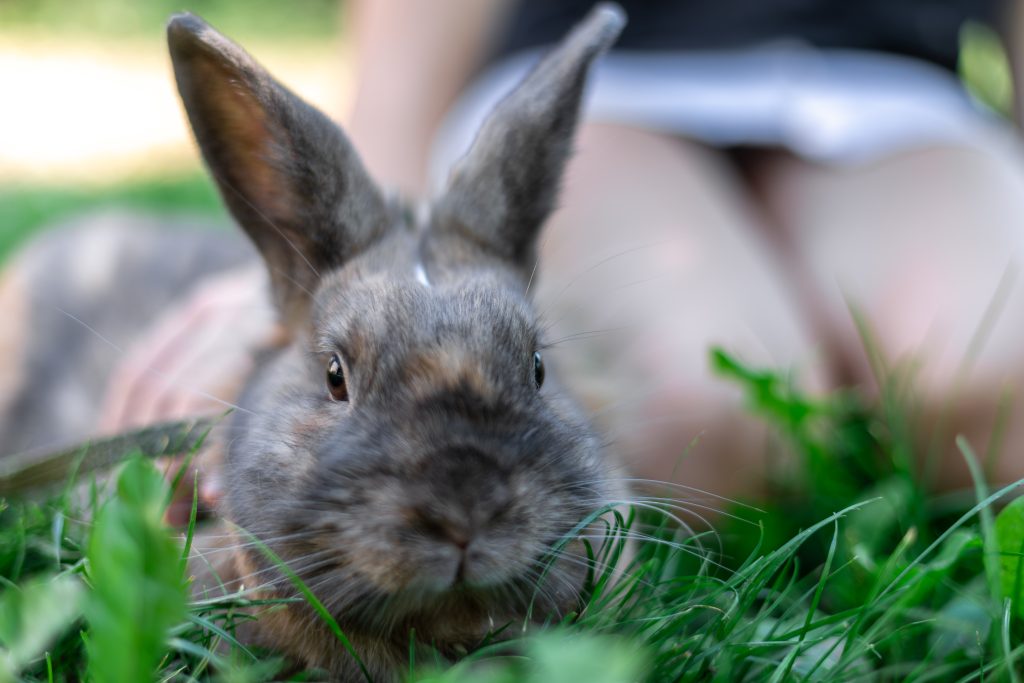
A true rabbit eye infection should never be approached with a “wait and see” strategy. Because a rabbit’s eyes have a thin cornea and lack a robust local vascular defense system, surface infections can quickly turn into deep corneal melting, permanent blindness, or internal eye rupture. While monitoring your pet’s overall well-being through a standard rabbit health guide is excellent for everyday preventive care, acute ocular changes require immediate clinical evaluation.
Signs Your Rabbit Needs an Emergency Vet
Beyond the immediate threat to their sight, ocular pain carries a major systemic risk: Gastrointestinal (GI) Stasis. When a rabbit experiences severe, unmanaged pain, their sympathetic nervous system slows down intestinal motility. If a rabbit completely stops eating due to pain for a 12-to-24-hour window, they face a life-threatening digestive shutdown. Take your rabbit to an exotic animal veterinarian immediately if you notice any of the critical indicators mapped in the triage protocol below.
Table 3: Triage Matrix for Rabbit Ocular Presentation
| Clinical Observation | Severity Level | Immediate Veterinary Actions Required |
|---|---|---|
| Mild red inner lids, clear fluid overflow, normal food intake. | Non-Emergency | Schedule outpatient veterinary appointment within 24–48 hours for diagnostic evaluation. |
| Eyelids partially closed, thick white discharge, mild appetite drop. | Urgent | Seek a same-day exotic veterinary appointment to halt bacterial spread and address localized pain. |
| Eyelids swollen shut, blue/cloudy cornea, bulging eye globe, zero food intake. | Critical Emergency | Immediate emergency transport to an exotic specialist clinic to prevent globe rupture and deadly GI stasis. |
Can an Eye Infection Cause Blindness?
Yes. Untreated bacterial activity can quickly corrode the outer layer of the eyeball. Progressive necrosis of the corneal stroma can cause the internal structures of the eye to herniate outward, leading to permanent structural damage or partial to total blindness.
5. How Vets Diagnose Rabbit Eye Infections
Because simple epiphora and purulent eye infections look similar on the surface but stem from entirely different structural issues, a veterinarian’s diagnostic toolkit shifts from simple surface checks to deep structural imaging depending on the character of the fluid.
Physical Eye Examination
The clinical check begins with a close visual inspection under magnification. The vet will look for mechanical debris, assess the state of the third eyelid, check for structural symmetry between both eyes, and evaluate the severity of the surrounding skin irritation.
Fluorescein Stain for Corneal Ulcers
Since infections are highly corrosive, a fluorescein stain is immediately used to check for corneal ulcers. The green dye sticks to exposed stroma, glowing brightly under a cobalt blue light to map out surface scratches or deep “melting” ulcers caused by destructive bacterial enzymes.
Tear Duct Flushing
When a rabbit presents with clean, clear tearing, the diagnostic goal is to locate the mechanical bottleneck along the winding nasolacrimal duct. A clinician applies a topical numbing drop, then inserts a flexible cannula into the lower punctum to gently flush sterile saline. If the fluid hits an unyielding wall or pushes backward out of the eye, it maps out a physical obstruction.
Dental Examination
Because the rabbit’s tear duct curves right past the incisor and premolar roots, checking the teeth is vital. The vet will use a specialized oral speculum or endoscope to inspect intraoral crown wear, while high-resolution skull radiographs or a CT scan are used to see if elongated tooth roots are physically crushing the drainage pipe from inside the bone.
Bacterial Culture and Sensitivity Testing
When the eye is gummed shut with thick white or yellow pus, the exudate is swabbed and sent to a lab. This isolates the exact bacterial strain (such as Pasteurella multocida) and tests it against a panel of medications, providing a targeted treatment roadmap rather than relying on clinical guesswork.
6. Rabbit Eye Infection Treatment Options
Treating a rabbit eye infection requires a targeted medical strategy. Never use generic over-the-counter medications or products intended for other species.
Antibiotic Eye Drops and Ointments
Veterinarians prescribe specific ophthalmic drops or ointments based on the suspected or cultured bacteria. These often include broad-spectrum topical agents like ciprofloxacin, gentamicin, or tobramycin. Ointments stick to the eye longer but can blur vision temporarily, whereas drops must be applied more frequently throughout the day.
Oral Antibiotics
If the eye infection stems from a deep respiratory disease or a dental root infection, surface drops alone will not reach the source. Research updates from the University of Missouri College of Veterinary Medicine on Pasteurellosis Profiles indicate that systemic pathogens require oral medications that target the bacteria without destroying the delicate fiber-fermenting microbes in the rabbit’s cecum. Safe options typically include trimethoprim-sulfamethoxazole or enrofloxacin.
Critical Safety Warning: Oral lincosamides and certain penicillins are highly toxic to rabbits if swallowed, as they can cause fatal intestinal dysbiosis. Always verify that oral medications are prescribed by an experienced exotics specialist.
Pain Relief for Rabbits
Managing your rabbit’s pain is just as important as clearing the bacteria. Non-steroidal anti-inflammatory drugs (NSAIDs)—such as liquid meloxicam—are routinely prescribed to reduce painful swelling, lower inflammation, and keep your rabbit comfortable enough to maintain their regular eating habits.
Treating the Underlying Cause
If the diagnostic sweep reveals a secondary issue, the medical focus must shift. This may involve long-term management of upper respiratory conditions, adjustments to your rabbit’s living conditions, or intensive therapies to treat deep-seated internal bacterial colonies.
When Surgery May Be Needed
When infections are tied to severe, structural root causes, surgery may be the only long-term option. If an elongated tooth root has formed a deep facial abscess or completely destroyed the nasolacrimal canal, the affected teeth must be surgically extracted. In advanced cases where a massive abscess forms directly behind the eye or the globe itself suffers irreversible structural damage, the vet may need to surgically remove the entire eye (enucleation) to relieve chronic pain and eliminate the infection.
7. How to Care for a Rabbit With an Eye Infection at Home
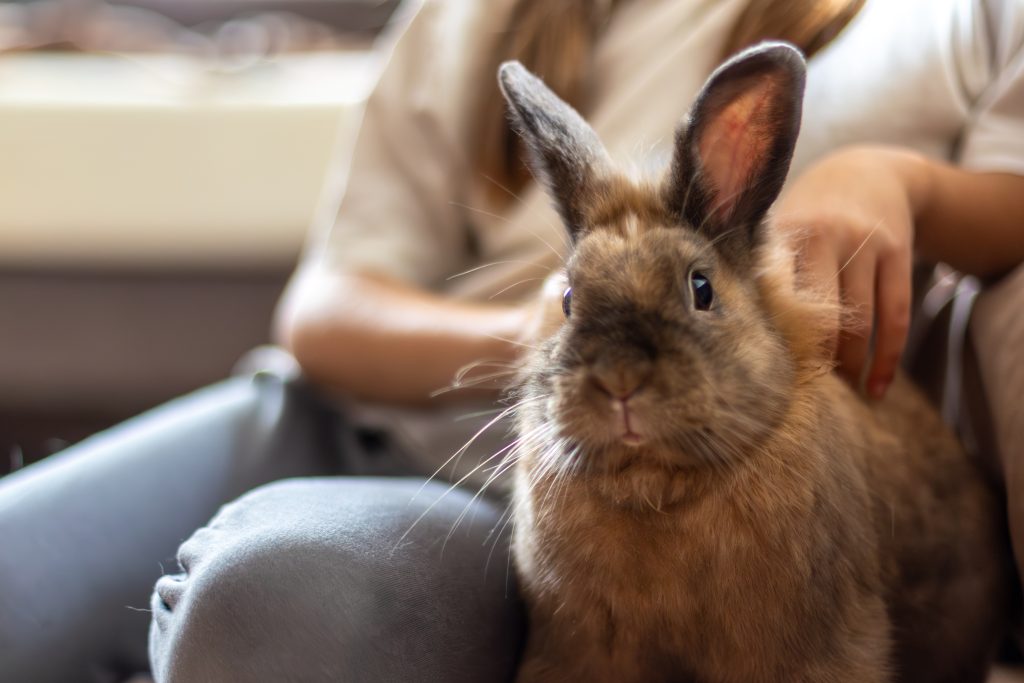
Administering treatment at home requires a gentle, deliberate approach to keep your rabbit’s stress levels as low as possible. Stress can compromise their immune recovery and make handling more difficult.
How to Clean Your Rabbit’s Eye Safely
Before applying any prescribed eye drops, you must clear away any dried, crusty discharge matting the surrounding fur. If you apply medication directly onto dried crust, it cannot absorb into the eye tissue.
Clean the area safely by following these steps:
- Avoid direct pressure: Never apply direct pressure to the eyeball or rub the delicate cornea.
- Soften the crusts: Moisten a sterile gauze pad or a soft, lint-free cloth with lukewarm sterile saline solution, and gently hold it against the crusts for 30 to 60 seconds.
- Wipe away from the eye: Once the secretions have softened, gently clear them away, wiping outward and away from the eye.
Clearing this debris prevents bacteria from being re-introduced to the eye during treatment and stops the surrounding skin from developing raw, painful urine-and-pus scald. Always use a fresh section of the cloth or a new gauze pad for each wipe to prevent spreading pathogens across the facial tissue.
Giving Eye Medications Correctly
When it comes to giving eye drops, proper handling makes all the difference. In my experience caring for Mocha and Chino, trying to force an eye drop onto a panicked rabbit usually ends with medication spilled across their nose and a broken bond of trust.
To make home treatments safer and less stressful, follow this straightforward step-by-step method:
- Step 1: Secure the “Bunny Burrito”Securely wrap your rabbit in a large, plush towel to gently restrain their legs. This completely prevents jumping, scratching, or sudden kicking.
- Step 2: Set Up a Stable WorkspacePlace the wrapped rabbit on a steady, non-slip tabletop at waist height. Avoid holding them loosely in your arms, which significantly increases the risk of a dangerous escape.
- Step 3: Block the Reverse MotionPosition your forearm gently but firmly along their hindquarters. This creates a physical boundary that stops them from reversing backward out of the towel.
- Step 4: Form the Lower Lid PocketCup your non-dominant hand under their jaw to lift the head slightly upward. Use your thumb to gently slide down the lower eyelid, forming a small, open pocket to catch the fluid.
- Step 5: Administer from the Blind SpotBring the medication dropper in strictly from directly above or behind their ears. Because rabbits have a permanent visual blind spot directly in front of their nose, introducing a bottle straight toward their face triggers intense defensive panic. Dropping the fluid from behind bypasses this startle reflex, letting the medication fall cleanly onto the globe to be spread naturally by blinking.
Note: Once the drop lands, keep your rabbit secure for just a few extra seconds. They will instinctively shake their head immediately, but keeping them still briefly ensures the liquid coats the eye membrane completely rather than being instantly flung onto your walls or clothes.
Keeping Your Rabbit Eating and Hydrated
Because ocular pain can rapidly trigger digestive slowdowns, tracking nutritional intake is vital. If a rabbit experiences a secondary drop in gut motility due to metabolic shock, it is critical to implement supportive feeding protocols immediately to reverse the effects of clinical GI stasis in rabbits. Provide a constant supply of fresh, clean water
Reducing Dust and Other Irritants
During the healing process, optimize the environment to support recovery. Shake out loose hay thoroughly outside before bringing it to the litter box, swap out dusty pine or cedar shavings for dense paper-based bedding, and ensure the enclosure has excellent baseline airflow to prevent built-up chemical vapors.
Signs the Infection Is Getting Worse
Stay alert for structural changes during the treatment window. If the discharge transitions to a darker green hue, the eye globe starts protruding from the socket, the cornea turns a milky blue, or the rabbit completely refuses food, contact your exotic specialist immediately.
8. What Not to Do if Your Rabbit Has an Eye Infection
When dealing with an acute eye condition, well-meaning mistakes can cause quick, permanent damage.
Avoid these four common missteps:
Don’t Use Human Eye Drops
Products like Visine or human allergy drops contain localized vasoconstrictors or specific steroid agents. Applying steroids to a rabbit eye with an undiagnosed corneal scratch can cause the cornea to rapidly degrade and melt, destroying the eye within days.
Don’t Use Leftover Antibiotics
Do not apply leftover drops from a previous illness or a different pet. If the drop contains a steroid or the wrong type of antibiotic, it can mask critical symptoms while allowing the underlying pathogen to spread unchecked.
Don’t Force the Eye Open
If the eyelids are tightly shut due to heavy swelling, forcing them apart with rough physical pressure can exert dangerous force on a structurally weakened globe. Let your veterinarian evaluate and open the eye safely under proper magnification.
Don’t Delay Veterinary Treatment
Waiting to see if a cloudy eye or thick white pus will clear up on its own is the most dangerous choice an owner can make. Early intervention keeps the infection superficial and highly manageable, while delay risks permanent blindness or internal skull issues.
9. Can a Rabbit Eye Infection Heal Without Treatment?
No. Unlike simple clear eye tearing caused by a temporary speck of dust, a true bacterial eye infection will not clear up on its own. Rabbit pus is much thicker than the pus produced by dogs or cats. That makes infections much harder for the eye to drain naturally, which is one reason veterinary treatment is usually necessary. Left untreated, a simple surface infection will steadily invade the deeper ocular tissues, turning a minor problem into permanent eye damage.
10. How Long Does a Rabbit Eye Infection Take to Heal?
The timeline for clinical recovery depends entirely on how early the condition was detected and what structural root cause triggered the issue.
- Acute Superficial Cases: If the condition is a straightforward case of bacterial conjunctivitis caught within the first 48 hours, the prognosis is excellent. With consistent application of targeted antibiotic drops, most superficial infections show major improvement within 3 to 5 days and resolve completely within a 10-to-14-day treatment window.
- Chronic and Structural Cases: When an eye infection is linked to advanced dental disease or deep-seated Pasteurella carriers, the prognosis shifts from a quick cure to long-term management. Ophthalmic case studies published by The Unusual Pet Vets on Deep Uveitis Tracking indicate that if pathogens or structural dental roots have permanently scarred or closed the nasolacrimal duct, the rabbit may experience permanent epiphora (tearing) and require lifelong monitoring, regular veterinary flushes, or intermittent anti-inflammatory treatments to keep the eye comfortable.
11. How to Prevent Rabbit Eye Infections
Proactive preventative management is always simpler and safer than navigating active medical recovery. By building a solid defense strategy into your daily care routine, you can eliminate environmental and structural triggers before they compromise your rabbit’s health.
Feed a High-Hay Diet for Healthy Teeth
Since continuous dental growth directly shapes the health of the tear duct, maximizing chewing wear is your first line of defense against secondary ocular issues. Provide unlimited access to high-quality timothy or orchard grass hay. The high silica content and specific side-to-side grinding motion required to break down long fiber stalks wear the crowns down evenly, preventing retrobulbar elongation (the painful upward growth of tooth roots into the eye sockets).
Keep Your Rabbit’s Living Area Clean
Ammonia vapor emitting from old urine spots is a primary chemical tissue irritant for small animals. Clean litter boxes regularly and completely replace soiled paper substrate to protect the delicate mucosal lining of the eyes from persistent chemical inflammation. Maintaining a strict sanitation schedule keeps the surrounding air crisp and drastically reduces the risk of opportunistic bacterial blooms.
Reduce Dusty Bedding and Hay
When stocking supplies, actively minimize environmental debris. Avoid finely chopped hay styles or dusty, low-quality shavings that shed fine particulate matter whenever your rabbit digs. These tiny airborne particles easily track straight into the conjunctival sac, causing microscopic scratches and physical blockages that invite infection.
Check Your Rabbit’s Eyes Regularly
Incorporate a thorough visual inspection into your daily grooming and feeding routines. Spotting a faint, clear moisture line at the inner corner of the nose or a slight morning squint allows you to address structural or environmental problems long before thick white pus takes hold. Early detection is key to avoiding deep-seated infections.
Schedule Routine Veterinary Checkups
Annual or bi-annual physical exams with an exotics specialist are essential for tracking subtle structural developments that happen hidden inside the skull. Veterinarians can use specialized oral speculums to check for early dental spurs or evaluate tear duct flow before any physical facial swelling or discharge ever manifests.
12. Frequently Asked Questions About Rabbit Eye Infections
What Does a Rabbit Eye Infection Look Like?
An infected eye typically looks red, swollen, and wet. The surrounding fur is often damp or matted into crusts, and the eye itself may produce a thick white, yellow, or cream-colored discharge. You will also notice your rabbit squinting or protecting the eye from bright light.
Can Rabbits Get Pink Eye?
Yes. Rabbits can contract a form of conjunctivitis commonly called pink eye, where the clear mucous membranes lining the eyelids become highly inflamed, red, and swollen. This condition can stem from direct bacterial contact, environmental debris, or secondary respiratory illnesses.
Can a Rabbit Eye Infection Spread to the Other Eye?
Yes, frequently. Because the nasolacrimal ducts are linked through the nasal cavity and rabbits constantly rub their faces with their front paws to clear fluid, bacteria from one eye can easily transfer directly across to the opposite eye socket.
Are Rabbit Eye Infections Contagious?
Generally, no. The bacteria involved are highly species specific and pose no threat to humans, dogs, or cats, though they spread easily to other rabbits via direct contact. Many infections are completely non-contagious mechanical blocks; when dental roots grow upward, normal tears can no longer pass through to the nose, creating a stagnant, isolated pool of pus that cannot spread to any other animal.
Can Dental Problems Cause Rabbit Eye Infections?
Yes, frequently. Because a rabbit’s tooth roots grow continuously and sit directly beneath the tear drainage path, any overgrowth or root infection can compress the nasolacrimal duct, block tear drainage, and create a breeding ground for bacterial eye infections.
Why Does My Rabbit Have Eye Discharge but No Redness?
Why Does My Rabbit Have Eye Discharge but No Redness? This presentation often points to a mechanical tear duct issue rather than an active bacterial infection. If you notice fluid spilling onto your pet’s face without obvious inflammation, you should learn more about how to evaluate chronic watery eyes in rabbits to check for a physical block.
Can I Use Human Antibiotic Eye Drops on My Rabbit?
No. Human ophthalmic medications frequently contain specific anti-inflammatory or steroid components that can cause rapid corneal melting or systemic toxicity in rabbits. Only use targeted medications prescribed by an experienced exotics veterinarian.
How Much Does Treatment for a Rabbit Eye Infection Cost?
The financial cost shifts dramatically based on the root cause. A basic superficial checkup with standard antibiotic drops can run between $100 and $250. However, if the issue is dental root elongation requiring high-resolution skull radiographs, duct flushing, or intraoral surgical extractions under sedation, bills can range from $600 to upwards of $1,500 depending on your regional clinic costs.
Can Hay Cause a Rabbit Eye Infection?
Yes. A sharp strand of hay can physically scratch the protective outer layer of the eye during foraging or digging. This injury breaks the skin barrier, allowing environmental bacteria to easily enter the tissue and establish a painful infection.
13. Conclusion: Final Thoughts on Rabbit Eye Care
Managing a rabbit eye infection requires quick observation and a clear understanding of their unique anatomy. Because rabbits naturally hide pain, minor signs like a wet cheek or a persistent squint should never be ignored. Identifying whether your rabbit has simple tearing or an active infection is the first step toward getting them the right care.
Whether the issue stems from a simple hay scratch or complex tooth root overgrowth blocking the tear duct, partnering with an experienced exotics vet is vital for an accurate diagnosis. At home, you can support their recovery by minimizing handling stress, keeping their enclosure dust-free, and monitoring their food intake closely. Taking swift action protects your rabbit’s vision and prevents life-threatening digestive issues, ensuring they stay comfortable and healthy.
Medical & Veterinary Disclaimer: Bunnyowners.com is an informational resource for rabbit owners and enthusiasts. We are not veterinarians. The content on this website is for educational purposes only and is not a substitute for professional veterinary advice, diagnosis, or treatment. Always consult a qualified veterinarian with any questions or concerns regarding your pet’s health, medical conditions, diet, or overall care. If you have concerns about your rabbit’s health, it’s always best to reach out to a veterinarian rather than relying solely on information found online.