
Veterinary & Affiliate Disclaimer: Bunnyowners.com shares educational rabbit care resources, not professional veterinary advice. Always consult a qualified veterinarian regarding your rabbit’s medical, dietary, or behavioral needs. This post may also contain affiliate links; as an Amazon Associate and affiliate partner, we earn from qualifying purchases at zero extra cost to you.
If your rabbit spends their free time aggressively scratching carpet corners, bunching up blankets, or excavating the litter box, they aren’t misbehaving—they’re following a strong natural urge to dig. Digging is a normal part of life for wild rabbits, and house rabbits haven’t lost that urge just because they live indoors. Rather than trying to train away a natural habit, giving them somewhere they’re actually allowed to dig is usually a much better solution—and it may save your baseboards and rugs in the process.
A rabbit digging box is a simple container packed with rabbit-safe materials that lets house rabbits scratch, burrow, toss things around, and hunt for snacks. You can make one in a couple of minutes using an ordinary cardboard box or smooth plastic bin filled with common materials like shredded paper, cardboard pieces, or feeding hay. Putting the box right over the spots your rabbit already loves to scratch gives them a much better place to put all that digging energy.
Giving them a dedicated digging spot is one of the simplest wins in a good rabbit care routine. In this guide, you will learn what materials are safe to use, how to make a box in minutes from household items, and how to handle common snags like litter box confusion or bunnies who refuse to step inside.
2. What Is a Rabbit Digging Box?
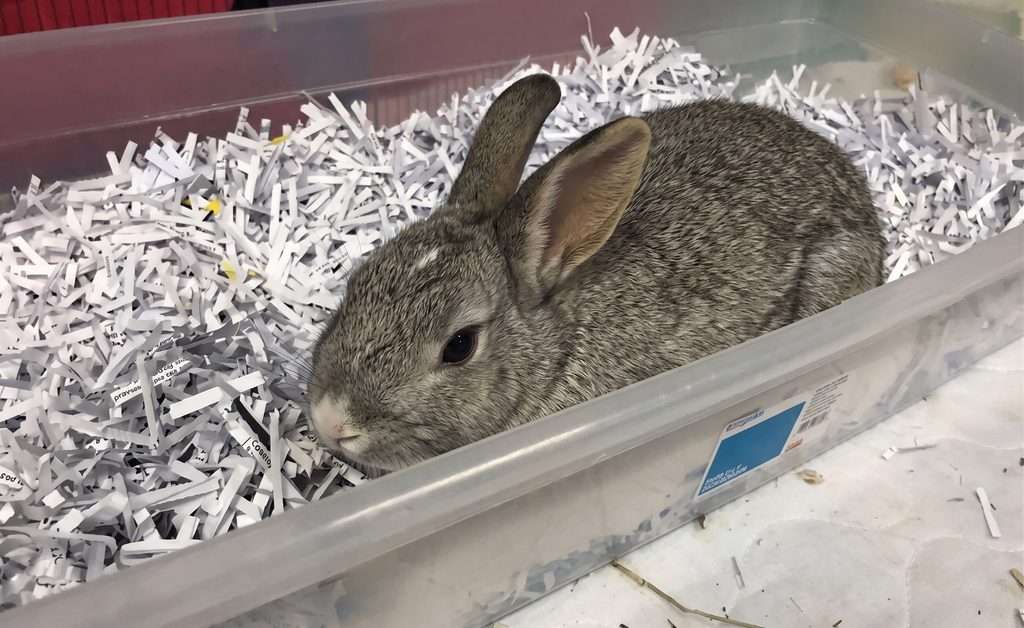
A rabbit digging box is an indoor play bin packed with safe materials like plain paper, hay, or cardboard to give house rabbits a healthy way to scratch, toss, and burrow. Setting up an untreated cardboard box or plastic tote over their favorite trouble spot lets your rabbit satisfy their natural digging instinct without taking it out on your carpets and baseboards.
Instead of constantly trying to stop the digging, you’re giving your rabbit an addition to your indoor rabbit care setup that they can happily destroy instead. Give a rabbit a good digging box and they’ll usually make their own fun with it—scratching paper behind them, shoving their nose into the corners, tossing cardboard around, and hunting through the filler for bits of hay.
Not every rabbit needs a dedicated dig box, but they can be especially useful for rabbits that constantly scratch the carpet, bunch up blankets, or empty half the litter box onto the floor. A good dig box gives your rabbit somewhere they’re actually allowed to enjoy digging, foraging, and other natural behaviors, which can make life easier for both of you.
Will a Dig Box Stop My Rabbit Digging the Carpet?
A digging box works wonders as a distraction, but it isn’t an overnight cure for carpet digging. Once a rabbit decides a particular corner of carpet is worth digging, they have an annoying habit of going straight back to it.
A dig box works best when paired with temporary protection over the problem spot. Sliding a smooth ceramic tile, a heavy wooden board, or a plastic floor runner over the targeted carpet while placing the dig box right beside it gives your rabbit a fun alternative while protecting your floor.
3. What Should You Put in a Rabbit Digging Box?
Good rabbit digging box fillers include shredded paper, crumpled kraft paper, clean cardboard, cardboard tubes, and feeding hay. Whatever you use should be clean, low in dust, unscented, and reasonably safe if your rabbit takes an occasional nibble while digging.
Every rabbit seems to have their own personal demolition style, so here’s how the most common fillers compare:
Safe and Unsafe Rabbit Digging Box Materials
| Material | Good Choice? | Best For | What to Keep in Mind |
|---|---|---|---|
| Plain Shredded Paper | Yes | Tossing, scratching, and light burrowing | Use non-glossy, unbleached, or standard newspaper with non-toxic ink. |
| Crumpled Kraft Paper | Yes | Resistance, rustling, and active pushing | Inexpensive packaging filler; easy to recycle when soiled. |
| Cardboard Scraps & Tubes | Yes | Chewing, tossing, and gnawing | Strip away all plastic packaging tape, glue lines, and metal staples. |
| Feeding Hay (Timothy/Oat) | Yes | Combined digging and natural foraging | Safe to nibble; replace if damp or soiled. |
| Clean Straw | Conditional | Deeper digging and burrowing | Ensure it is completely clean and dry; offers negligible nutritional value. |
| Unscented Paper Bedding | Yes | Soft, dense burrowing | Avoid scented varieties; may cause toilet confusion if used in their litter pan. |
| Additive-Free Topsoil | Conditional | Natural outdoor-style digging | Messy indoors; must be 100% free of added fertilizers, perlite, and chemicals. |
| Play Sand | Generally Avoid | Not recommended indoors | Dusty; can irritate eyes and may be ingested during paw grooming. |
| Clumping Clay or Crystal Cat Litter | Avoid | None | Not appropriate as digging substrate; ingestion and dust can present risks. |
As a rule of thumb, keep your dig box not too dusty, completely unscented, and free from tape, shipping staples, or synthetic stuff like foam and fabric scraps. If a material puffs up when wet, creates dusty clouds, or shouldn’t end up in a rabbit’s stomach, leave it out.
Paper, Cardboard, and Hay
Plain paper, scrap cardboard, and a few handfuls of good hay make the easiest, cheapest setup for an indoor box:
- Shredded and Kraft Paper: Plain shredded printer paper and crumpled brown packaging paper give rabbits plenty to push, scratch, and throw around. Rabbits love grabbing paper balls with their teeth, flinging them across the box, and stomping them flat.
- Cardboard Tubes and Scraps: Tear or cut clean shipping boxes into manageable pieces or save up toilet paper and paper towel tubes. Pile a bunch together and they’ll roll around under your rabbit’s paws, giving them plenty to push around and gnaw on.
- Feeding Hay: Tossing in handfuls of Timothy, Meadow, or Orchard grass hay turns the box into an active search for food. Rabbits naturally graze throughout the day, so mixing hay into the box gives them something safe to nibble while they dig.
If you decide to try paper-based pet bedding to give them a softer burrowing layer, make sure it feels and smells completely different from whatever you use in their litter pan. If the dig box feels just like their toilet, accidents will follow.
Can You Put Soil in a Rabbit Dig Box?
Rabbits can dig in clean, additive-free topsoil, but soil is usually messier than paper or cardboard for an indoor dig box. Avoid potting mixes or soil containing fertilizers, pesticides, perlite, vermiculite, or other added chemicals.
You’ll find mixed opinions on whether soil belongs in a rabbit’s dig box. Some groups list clean soil as a fun, natural option for rabbits, while others caution against garden dirt because of the mud, dampness, and cleanup headaches. If you do use soil, make sure it’s clean, additive-free topsoil with no amendments.
Stay far away from standard potting soil, as many commercial potting mixes contain white perlite beads, moisture-locking crystals, chemical plant food, or fungicides. If the soil is dusty, a little moisture can help keep the dust down, but don’t soak it until it turns muddy. Given how messy it gets, soil is usually much easier to handle in an outdoor pen or a deep plastic wash tub rather than on your living room rug.
Can You Put Sand in a Rabbit Dig Box?
Sand isn’t my first choice for an indoor rabbit digging box because it can be dusty, messy, and stick to your rabbit’s paws and fur. Paper, cardboard, and hay are usually much easier materials to manage indoors.
Fine sand can kick up a surprising amount of dust, especially once a rabbit starts digging enthusiastically. It can irritate your rabbit’s eyes, make a huge mess on your floor, and end up in their mouth during grooming. For an indoor box, paper, cardboard, and hay are usually cleaner and much easier to deal with.
4. How to Make a Rabbit Digging Box
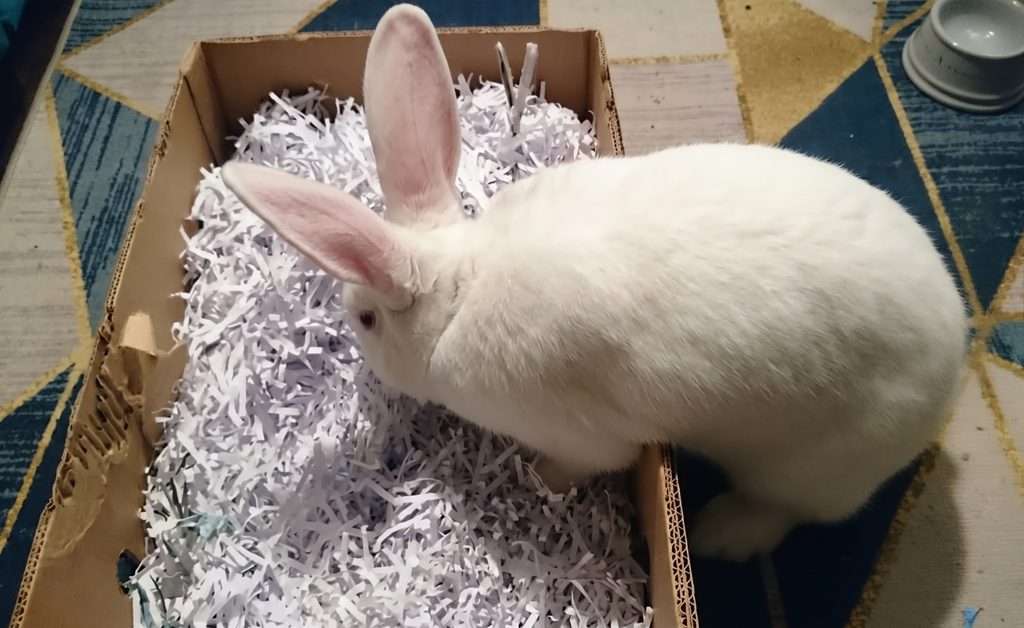
To make a rabbit digging box, start with a roomy cardboard box or plastic container, remove any tape, staples, or sharp edges, and fill it with shredded paper, cardboard, or hay. Hide a little hay or part of your rabbit’s daily pellets inside, then put the box near a spot where your rabbit already likes to dig.
Choose a Cardboard Box or Container
Pick a container that fits your rabbit’s size and how much mess you want to sweep:
- Cardboard Box: A plain delivery box is the easiest starting point because it’s free, completely fine for them to chew, and simple to recycle once it’s beaten up.
- Plastic Storage Tote: A smooth plastic tote keeps flying bits contained much better and wipes clean, though you’ll want to watch out if your rabbit decides the rim is a chew toy.
- Under-Bed Storage Trays: A wide, low-sided plastic tray makes a great shallow box for senior rabbits or those dealing with arthritis who can’t hop over high walls.
Whatever you use, just make sure your rabbit has enough room to hop inside, turn around, and kick their feet without feeling cramped.
Remove Tape, Staples, and Sharp Edges
Peel off all the clear plastic tape, brown packing tape, and shipping labels from the outside of your cardboard box. Take a screwdriver or pair of pliers and pull out any heavy metal shipping staples.
If you’re working with a high-sided container, cut out a simple entry door on one side. Keep the bottom edge of the entrance a few inches off the floor so the filler doesn’t spill out every time your rabbit digs. If you’re cutting into a plastic bin, run a piece of sandpaper along the cut plastic edges so there aren’t any sharp points.
Add the Digging Material
Dump in a generous helping of your chosen fillers. You want enough depth so your rabbit can actually push things aside, tunnel in, and bury their paws, rather than just scraping against the bare floor of the box.
Mixing textures makes the box a lot more interesting. A layer of shredded paper with crumpled kraft paper and empty cardboard tubes on top gives them several different things to push, toss, and dig through.
Hide Hay or Pellets Inside
Give your rabbit another reason to investigate the box by hiding a little food inside:
- Stuff a few handfuls of sweet-smelling meadow or botanical hay down into the corners.
- Scatter a small portion of their usual daily pellets throughout the middle layers.
- Drop in an untreated apple-wood stick or willow ball for extra chewing variety.
Once they realize there’s food hiding in there, they’ll have a pretty good reason to keep rummaging through the pile.
Put It Where Your Rabbit Already Likes to Dig
Where you put the box matters a lot more than where it looks best. If your rabbit spends every evening attacking the carpet corner behind the sofa, set the new digging box directly on top of or right beside that spot.
Putting it right where the habit already lives makes them far more likely to check it out. Once your rabbit starts using the box every day, you can slowly slide it toward a better corner over the course of a week.
If you’d rather watch someone throw this together instead of reading through every step, this quick video shows how to prep the box, trim the doorway, and pile in the filler:
5. How to Get Your Rabbit to Use the Dig Box
Rabbits are naturally suspicious of new items showing up in their territory, and understanding their cautious habits and instincts helps make introducing new setups much smoother. If you drop a fresh box right in the middle of the room, don’t be surprised if your rabbit thumps at it or acts like you just invited a stranger in.
I’ve seen the preference difference with my rabbits, Mocha and Chino. Chino is far more interested in heavier cardboard he can toss around, while Mocha prefers lighter paper she can shovel out of the way. If your rabbit ignores the first setup, try changing the filler before giving up on the box.
To get them curious without scaring them off:
- Keep it accessible: Don’t pick up your rabbit and drop them inside. Rabbits hate being forced into tight, unfamiliar spaces, and it will only make them avoid the box.
- Leave a welcome mat: Put a small pile of familiar, fresh hay right at the entrance.
- Toss in fresh greens: Scatter a few sprigs of fresh cilantro, parsley, or dandelion leaves across the top of the filler so they hop in voluntarily to munch.
6. Why Is My Rabbit Peeing in the Dig Box?
A rabbit may pee in a digging box because the soft filler, shape, or location makes it feel a lot like another litter box. If it keeps happening, try a different digging material, clean away urine smells, and move the dig box farther from their normal bathroom area.
To sort out litter box confusion:
- Switch the filler: If their litter box uses paper pellets or shredded paper, fill the dig box with crumpled packaging paper, toilet paper tubes, and loose hay instead. Making the two boxes feel different can help your rabbit tell which is which.
- Clean accidents right away: Toss out damp paper or dirty hay immediately so old pee smells don’t tell your rabbit this is their new bathroom. If you’re using a plastic tub, wipe the bottom with water and white vinegar.
- Move the boxes apart: Keep the dig box away from their normal bathroom corner while they’re still getting the hang of it.
- Don’t sweat dry droppings: Finding a few hard, dry droppings in the box may simply be your rabbit marking the box as theirs, not a sign that they’ve forgotten their litter habits. Sweep them back into their litter tray and let your rabbit settle in.
7. How to Keep a Rabbit Dig Box Clean
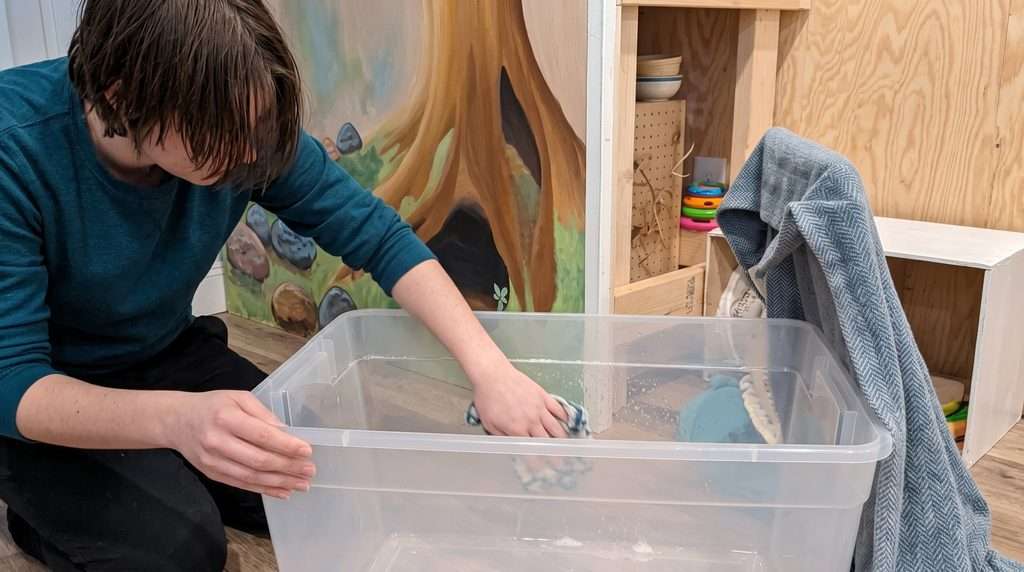
You don’t need a strict cleaning schedule for a dig box. Keeping it fresh just takes a little practical common sense:
- Spot check daily: Give the box a quick look for damp corners, spilled water, or dirty hay. Toss wet spots out immediately so mold doesn’t have a chance to grow.
- Clear out dust: Over time, paper and hay crumble into fine dust at the bottom of the box. Once the filler looks crushed and messy, dump it into the compost or recycling and reload with fresh stuff.
- Replace or wash up: Cardboard boxes can just be recycled once the sides get soggy, chewed flat, or dirty. If you’re using a plastic tote, give it a quick wash with warm water, mild soap, or diluted vinegar whenever you change the filler, and let it dry before refilling.
8. Frequently Asked Questions
What is the best filler for a rabbit digging box?
A mix of plain shredded paper, crumpled brown packing paper, clean cardboard pieces, and fresh grass hay makes the most practical everyday filler. These materials provide plenty of resistance for tossing and digging, keep dust low, and won’t cause issues if tiny scraps are accidentally chewed during play.
Bonded pairs can easily share a digging box as long as the container gives both enough room to move around without stepping on each other. Make sure to cut two separate entrance holes so neither rabbit ever feels cornered or trapped, and scatter foraging treats across the whole box to prevent food squabbles.
Should a rabbit digging box have a lid or be open-topped?
Both styles work well depending on your setup. An open box is easier to clean, refresh, and supervise, while a covered box with an entry hole on the side does a much better job of keeping flying paper and hay off your floor. If you choose a covered container, ensure it has plenty of ventilation, ample headroom, and an entryway your rabbit can hop through comfortably.
How do I stop my rabbit from eating the digging box itself?
A little nibbling on plain cardboard is completely normal, but your rabbit shouldn’t be sitting there eating large amounts of the container. If they seem more interested in consuming the box than digging through the filler, switch to a smooth-sided plastic storage tub and add plenty of fresh hay, apple twigs, or willow balls inside to redirect that chewing urge toward appropriate food and toys.
9. Conclusion
Sharing your home with a rabbit isn’t about shutting down their wild habits; it’s about giving those habits a safe place to go. Digging, scratching, and throwing things around are just part of what makes a rabbit happy and healthy.
By taking an ordinary cardboard box and tossing in some paper scraps, cardboard rolls, and sweet hay, you give them a great mental and physical workout. Your rabbit gets to dig to their heart’s content, and your carpets get to stay in one piece. Find a simple container, experiment with different fillers, and let your rabbit make a mess somewhere they’re actually allowed to.
Medical & Veterinary Disclaimer: Bunnyowners.com is an informational resource for rabbit owners and enthusiasts. We are not veterinarians. The content on this website is for educational purposes only and is not a substitute for professional veterinary advice, diagnosis, or treatment. Always consult a qualified veterinarian with any questions or concerns regarding your pet’s health, medical conditions, diet, or overall care. If you have concerns about your rabbit’s health, it’s always best to reach out to a veterinarian rather than relying solely on information found online.