
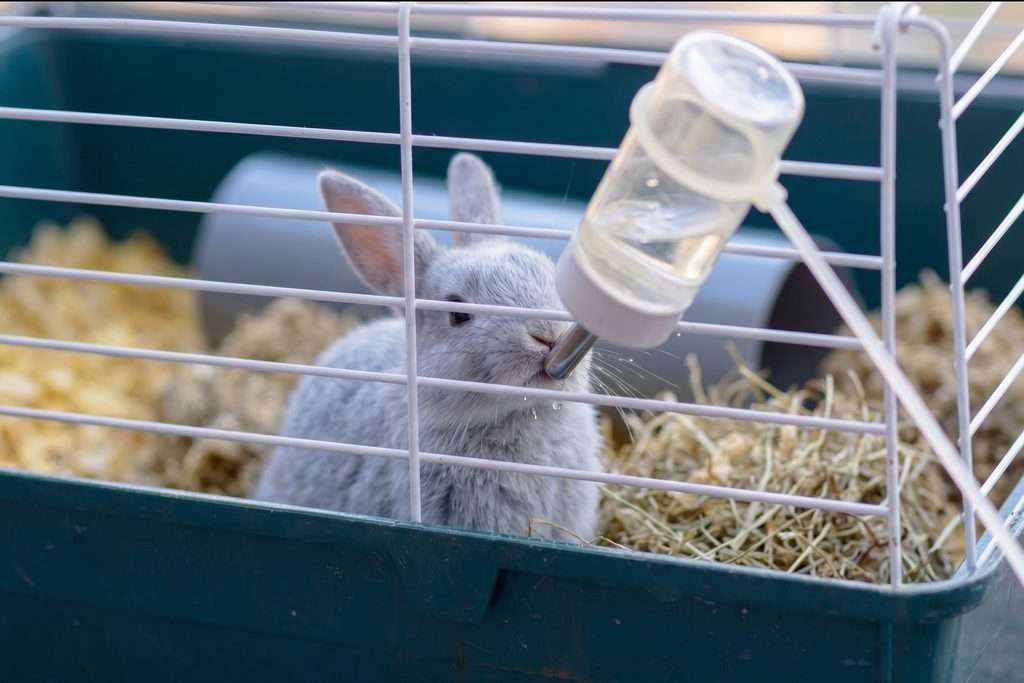
Veterinary & Affiliate Disclaimer: Bunnyowners.com shares educational rabbit care resources, not professional veterinary advice. Always consult a qualified veterinarian regarding your rabbit’s medical, dietary, or behavioral needs. This post may also contain affiliate links; as an Amazon Associate and affiliate partner, we earn from qualifying purchases at zero extra cost to you.
Figuring out how much water a rabbit actually needs can be confusing, especially since every bunny’s daily drinking habits vary based on body size, room temperature, and just how many fresh greens they eat. Knowing the right daily intake helps you ensure your pet stays healthy and catch early warning signs of illness before they become serious.
A healthy rabbit typically needs roughly 50 to 150 mL of total water per kilogram of body weight each day (about 0.75 to 2.3 fluid ounces per pound), depending on diet, temperature, activity, and individual needs. This total includes all daily fluid, not just what is consumed directly from the water bowl. Rabbits that eat a daily serving of fresh, wet leafy greens absorb much of their hydration from food and will naturally drink noticeably less from their dish.
Knowing whether your bunny is well-hydrated comes down to understanding their individual routine rather than stressing over a single textbook number. In this guide, you’ll find an easy-to-use weight chart, practical steps to measure what your rabbit actually drinks at home, and helpful tips on building a healthy daily rabbit diet and hydration routine so you can quickly spot the subtle changes that mean it’s time to call the vet.
1. Daily Rabbit Water Intake by Weight
Because rabbits range from tiny two-pound Netherland Dwarfs to twelve-pound giants, one universal number just doesn’t work. Veterinary texts and clinical references evaluate total fluid requirements relative to body mass, making a weight-based range far more useful than a single blanket amount.
Daily Water Intake Reference Chart
To find the right daily range for your rabbit, match their body weight on the chart below to see their approximate fluid needs in both milliliters and fluid ounces:
| Rabbit Weight (lb) | Weight (kg) | Approximate Daily Range (mL) | Approximate Daily Range (fl oz) |
| 2 lb | 0.9 kg | 45 – 135 mL | 1.5 – 4.6 fl oz |
| 3 lb | 1.4 kg | 70 – 210 mL | 2.4 – 7.1 fl oz |
| 4 lb | 1.8 kg | 90 – 270 mL | 3.0 – 9.1 fl oz |
| 5 lb | 2.3 kg | 115 – 345 mL | 3.9 – 11.7 fl oz |
| 6 lb | 2.7 kg | 135 – 405 mL | 4.6 – 13.7 fl oz |
| 8 lb | 3.6 kg | 180 – 540 mL | 6.1 – 18.3 fl oz |
| 10 lb | 4.5 kg | 225 – 675 mL | 7.6 – 22.8 fl oz |
| 12 lb | 5.4 kg | 270 – 810 mL | 9.1 – 27.4 fl oz |
Keep in mind: These numbers are general benchmarks, not strict daily targets you have to hit. A rabbit that loves fresh greens may naturally drink less from their bowl.
Estimating Your Rabbit’s Reference Range
If you want a rough ballpark for your bunny:
- Convert your rabbit’s weight to kilograms (divide their weight in pounds by 2.2).
- Multiply that number by 50 mL for the lower end of the range.
- Multiply by 150 mL for the higher end.
Example: A 5 lb rabbit is about 2.3 kg.
- 2.3 × 50 mL = 115 mL
- 2.3 × 150 mL = 345 mL
That gives you a broad reference range of 115 to 345 mL (3.9 to 11.7 fl oz) in total daily fluid.
2. Bowl Water vs. Total Water Intake
What disappears from the bowl is only part of your rabbit’s daily water intake. Fresh leafy greens contribute a surprising amount of moisture too, with only a small amount coming from normal metabolism.
Picture two healthy 4-pound rabbits living side by side. Rabbit A eats mostly dry timothy hay and pellets with very few greens; with relatively little moisture coming from food, this rabbit may drink substantially more directly from the dish. Rabbit B gets the same hay and pellets alongside a generous daily plate of wet, freshly rinsed greens. Because Rabbit B takes in plenty of hydration with breakfast, the water bowl stays fuller for longer.
Both bunnies can stay perfectly hydrated—their water just comes from different places. That is why dialing in your rabbit’s daily food portions makes it much easier to understand their normal drinking habits.
3. What Influences How Much a Rabbit Drinks?
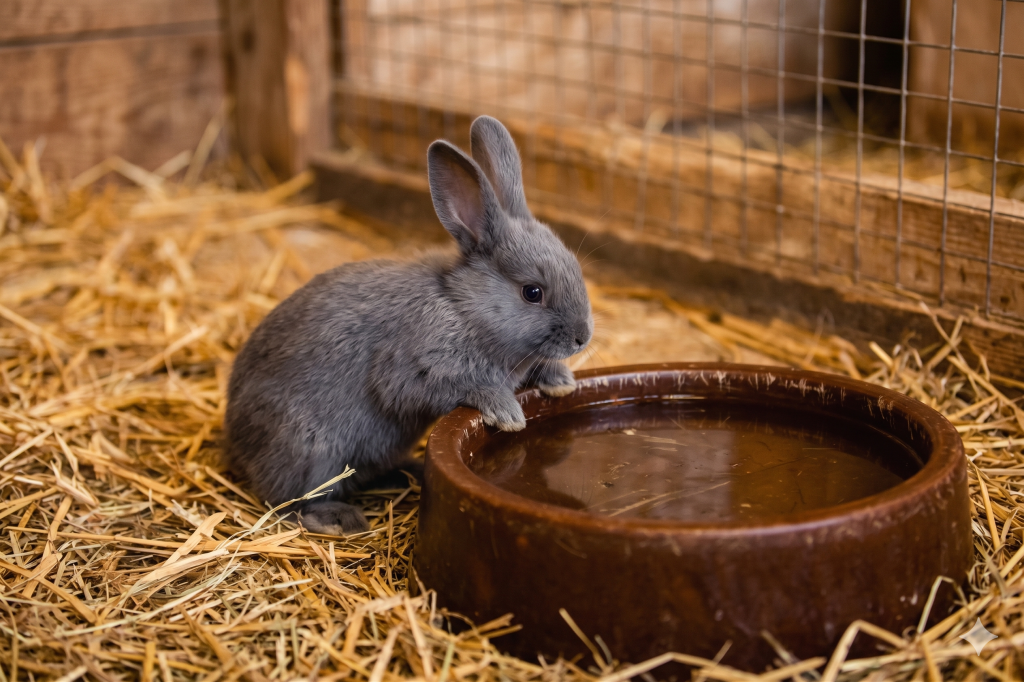
How much your rabbit drinks can change quite a bit from one day to the next, especially when their diet, activity, or room temperature changes:
- Diet: Dry hay and pellets provide relatively little moisture, while the leafy greens and vegetables rabbits commonly eat can contribute substantially more water through food.
- Temperature: Warmer rooms and hot summer days can increase fluid needs.
- Body Size: Bigger rabbits simply need a larger total volume of water than smaller breeds.
- Activity Level: A free-roam bunny doing zoomies around the living room may drink more than a relatively sedentary rabbit.
- Life Stage & Health: Major life changes, like nursing a litter of kits or recovering from an illness, can alter normal fluid needs and daily drinking habits.
4. How to Check What Your Rabbit Actually Drinks
If you are curious about your rabbit’s daily routine, you can easily track it over a few days at home.
The 24-Hour Check
- Measure What Goes In: Fill a clean dish with an exact amount of fresh water (say, 500 mL) using a kitchen measuring cup around the same time each morning.
- Check 24 Hours Later: The next morning, pour whatever is left back into your measuring cup to see how much is gone.
- Do the Math: Subtract the leftover amount from what you started with.
- Repeat for a Few Days: Average it out over 3 to 5 normal days to get a clear picture.
Spills, Evaporation, and Bonded Pairs
Measuring at home isn’t an exact laboratory science. Open dishes can lose a small amount of moisture to evaporation, particularly in dry, heated rooms during winter. Rabbits also love chinning, nudging, and occasionally stepping right into their water bowls.
Living with my own two rabbits, Mocha and Chino, has taught me that figuring out who is drinking what from a shared bowl is pretty much impossible unless you split them up. If you have a bonded pair, don’t worry about measuring down to the ounce for each bunny.
Just keep an eye on how much water the dish loses as a whole, and take note of their usual post-breakfast drink routines and daily veggie intake. As long as the bowl empties at a steady pace and both are acting like their normal selves, you can trust they’re staying well-hydrated.
5. Is My Rabbit Drinking Enough Water?
A rabbit that is drinking normally will usually keep eating, pooping, peeing, grooming, and acting like themselves. The exact amount consumed from the bowl may vary with diet, but a sudden change from your rabbit’s usual pattern is far more meaningful than whether it matches a single textbook number.
If you notice that your bunny has suddenly stopped drinking water, you will want to check their water setup and daily habits right away to figure out what changed. When a drop in drinking happens alongside physical signs like lethargy or appetite loss, knowing how to spot the early warning signs of dehydration in rabbits becomes critical for getting prompt veterinary help.
6. Can a Rabbit Drink Too Much Water?
A temporary increase in drinking can be perfectly normal after warmer weather, a shift toward a drier hay-and-pellet diet, or increased physical activity. The bigger concern is an ongoing increase that continues for several days without an obvious environmental or dietary reason.
If your bunny is suddenly drinking and peeing much more than usual, it could be an early sign of an underlying issue like kidney or bladder trouble, and it is definitely worth having your vet check things out.
7. Water Bowls vs. Bottles: Does It Make a Difference?
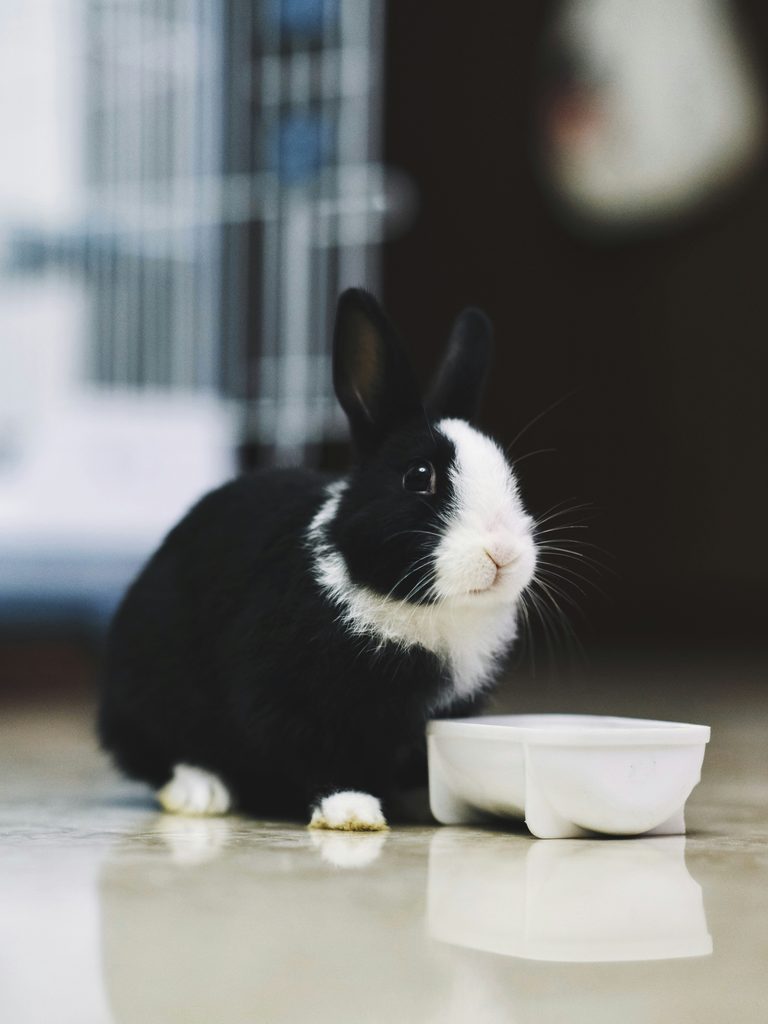
The type of water container can affect how easily a rabbit accesses water. When researchers evaluated differences in water intake between open dishes and hanging water bottles, they found that drinking behavior and water intake varied with the feeding conditions, with open bowls allowing greater fluid intake under some conditions.
A heavy ceramic bowl also lets rabbits drink from an open water surface rather than through a nipple spout, making it a practical everyday option for many rabbits. Whichever system you choose, check it daily to confirm clean water is freely available and dispensing smoothly.
8. Practical Ways to Encourage Higher Water Intake
Water is easiest to monitor when it becomes part of the same daily routine you already use to feed your rabbit.
If you want to support your rabbit’s daily fluid consumption:
- Provide Continuous 24/7 Access: Always make sure your bunny has unrestricted access to fresh water throughout the day and night.
- Rinse and Refill Daily: Empty and refresh water dishes every single day so it stays fresh and clean.
- Serve Leafy Greens Wet: Rinse your rabbit’s usual leafy greens before serving and leave some water clinging to the leaves.
- Add an Extra Bowl: Place water dishes in multiple spots across larger pens or free-roam rooms.
- Keep Water Plain: Avoid adding commercial vitamin drops or flavorings, as unfamiliar scents may discourage drinking.
9. What Kind of Water Should Rabbits Drink?
Can Rabbits Drink Tap Water?
Regular tap water is usually fine for rabbits if it is safe and pleasant for people to drink. If household water has a strong chlorine odor, it may deter sensitive rabbits.
Do Rabbits Need Filtered Water?
Filtered water is a reasonable everyday choice if your tap water has an unpleasant smell or heavy chlorine taste. A standard household carbon filter often makes the water much more appealing to picky bunnies. If your home uses well water, make sure it is regularly tested for safety and contaminants, as rabbits can be sensitive to off-flavors, heavy metals, or high mineral levels that might discourage them from drinking.
What Temperature Should Rabbit Water Be?
For most indoor rabbits, fresh cool or room-temperature water is perfectly fine. There is generally no need to alter the temperature significantly under normal indoor conditions.
10. When Drinking Changes Require Veterinary Care
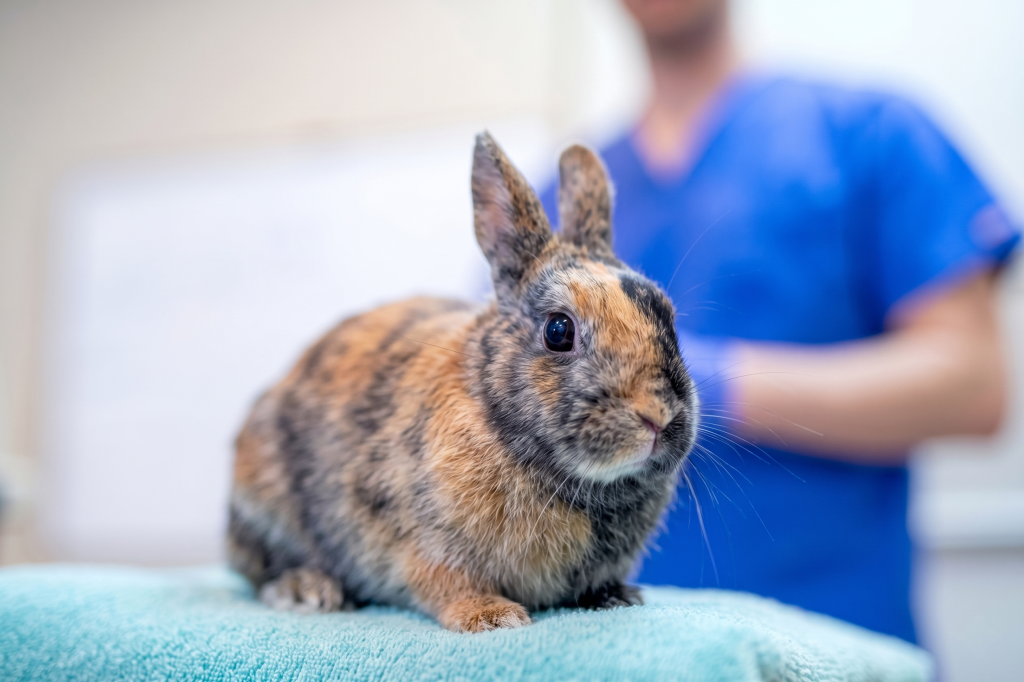
Because rabbits instinctively mask discomfort, changes in fluid intake can serve as an early alert.
Contact a rabbit-savvy veterinarian when a substantial change in drinking is accompanied by:
- Reduced or absent appetite
- Substantially reduced or absent fecal output
- Difficulty urinating or straining in the litter box
- Abnormal lethargy, hunching, or behavioral changes
- Persistent, unexplained excessive thirst or urination
11. Daily Hydration Checklist
- [ ] Clean, fresh water accessible all day and night
- [ ] Dishes rinsed and refilled at least once every 24 hours
- [ ] Fresh foods prepared appropriately as part of the rabbit’s normal diet
- [ ] Approximate daily drinking baseline understood for your specific rabbit
- [ ] Noticeable shifts in drinking or litter-box habits investigated promptly
12. Frequently Asked Questions
How much water should a 5-pound rabbit drink in a day?
A 5-pound (2.3 kg) rabbit generally needs around 115 to 345 mL (3.9 to 11.7 fl oz) of total water each day. If they eat a good plate of wet greens, what they actually drink from their bowl may sit closer to the lower end of that range.
How many ounces of water do rabbits need daily?
As a broad reference range, total daily water intake is roughly 0.75 to 2.3 fluid ounces per pound of body weight, including both drinking water and moisture obtained from fresh foods.
Do rabbits drink a lot of water?
Rabbits can drink a surprisingly large amount relative to their body weight, particularly when eating a predominantly dry, hay-based diet with relatively little moisture coming from food.
Why is my rabbit drinking less water than usual?
They might be getting more hydration from fresh leafy greens, living in a cooler room, or avoiding a dish that needs cleaning. However, if lower drinking occurs alongside a loss of appetite or fewer droppings, contact your vet.
Do rabbits drink less when they eat fresh vegetables?
Yes. Fresh leafy greens consist largely of water. When rabbits eat a regular serving of washed greens, they take in meaningful hydration right through their food, naturally reducing trips to the bowl.
Can rabbits drink regular tap water?
Yes, as long as it is clean and palatable. If your local tap water has a heavy chlorine smell, running it through a standard filter pitcher may improve its taste or odor.
How often should I change my rabbit’s water bowl?
Give it a fresh rinse and refill at least once every 24 hours, and give the bowl a thorough wash with warm soapy water every couple of days to prevent buildup.
Why is my rabbit suddenly drinking all the time?
Warmer weather, higher activity, or eating more dry hay can all boost thirst. But if your bunny is suddenly draining their bowl day after day without an obvious reason, have a rabbit-savvy vet check for underlying health issues.
13. Keeping Hydration Simple
Keeping your rabbit well-hydrated is really about knowing what is normal for your pet rather than worrying about exact measurements. Water is only one part of the bigger picture, alongside unlimited hay, measured pellets, and appropriate fresh foods that make up a healthy everyday diet for your bunny.
As long as your bunny has continuous access to fresh water and maintains a consistent drinking pattern alongside normal eating, activity, and litter-box output, those are reassuring signs that their usual hydration routine is working well. By tracking what is normal for your pet in your home, you can quickly spot meaningful changes and keep your rabbit feeling their best.
Medical & Veterinary Disclaimer: Bunnyowners.com is an informational resource for rabbit owners and enthusiasts. We are not veterinarians. The content on this website is for educational purposes only and is not a substitute for professional veterinary advice, diagnosis, or treatment. Always consult a qualified veterinarian with any questions or concerns regarding your pet’s health, medical conditions, diet, or overall care. If you have concerns about your rabbit’s health, it’s always best to reach out to a veterinarian rather than relying solely on information found online.