
Veterinary & Affiliate Disclaimer: Bunnyowners.com shares educational rabbit care resources, not professional veterinary advice. Always consult a qualified veterinarian regarding your rabbit’s medical, dietary, or behavioral needs. This post may also contain affiliate links; as an Amazon Associate and affiliate partner, we earn from qualifying purchases at zero extra cost to you.
Rabbits are sensitive, deeply social little creatures. They feel emotional slumps just like any dog or cat, but you’ll easily miss their low points because they don’t exactly cry out or make a fuss when they’re miserable. When a rabbit deals with boredom, isolation, or chronic stress, they don’t typically act out. Instead, their world quietly shrinks. To protect your pet, you need to learn how to decode the tiny shifts in their daily routine and spot the physical cues that show what’s actually going on inside their heads.
Do rabbits get sad? Yes, rabbits can experience sadness-like emotional states and situational depression when their social or environmental needs aren’t met. Because they are prey animals, a sad rabbit rarely makes a scene. Instead, they show emotional distress through quiet social withdrawal, subtle drops in appetite, and a noticeable lack of energy. If your rabbit suddenly stops binkying, hides persistently during their usual active hours, or ignores their favorite treats, they might be dealing with psychological distress.
Reading a rabbit’s mood means looking at things from a prey animal’s perspective. While a temporary attitude adjustment is a normal reaction to an interrupted afternoon, a long-term behavioral flatline points to deeper issues. Because these emotional shifts are completely tied to their overall psychology, understanding their baseline body language is your first step; you can explore this further at my rabbit behavior hub. This guide breaks down the signs of long-term distress, their environmental root causes, and practical ways to lift your bunny’s spirits—including how to spot when a “bad mood” is actually a life-threatening medical emergency.
1. Can Rabbits Feel Sad?
While old-school science used to view animals as simple machines, modern veterinary medicine proves that social mammals have the exact brain structures needed to process complex feelings. If you want to look closely at the evolutionary science behind these bonds, it helps to understand how deeply rabbits feel emotions on a neurological level. When a rabbit bonds with you or a furry companion, their brain releases oxytocin and dopamine, it’s a literal chemical safety net.
Break those bonds or leave them in a stressful environment, and their system gets flooded with stress hormones. As highlighted by the House Rabbit Society’s guidelines on vigilance, a chronic spike in these hormones actually alters their brain chemistry over time. The result is lethargy, anxiety, and a total behavioral shutdown that looks an awful lot like clinical depression.
Human Sadness vs. Rabbit Sadness
Let’s be real here: we shouldn’t over-humanize our pets. Your rabbit isn’t sitting in their litter box weeping over past choices or worrying about tomorrow (and as far as we know, they haven’t discovered existential dread yet). Human sadness involves a lot of complex overthinking. Rabbit emotional distress, on the other hand, is intensely situational and instinctual.
A rabbit feels “sad” simply because their immediate needs for safety, mental stimulation, and companionship are completely unfulfilled. However, because they are so attuned to their environment and social partners, owners often wonder whether rabbits can feel your sadness when you are having a rough day.
Temporary Bad Moods vs. Depression
You really need to distinguish between a passing bad mood and long-term emotional distress. A rabbit might stomp their feet, flick their tail, and give you the cold shoulder for an hour just because you had the audacity to clip their nails or move their favorite tunnel. That’s just a normal reaction to being annoyed. Chronic emotional distress takes weeks or months to build. It shows up as a persistent flatline in your rabbit’s personality, where they completely stop caring about the things that used to make them pop random mid-air twists.
Table 1: Rabbit Mood Swings: Acute Annoyance vs. Chronic Distress
| Emotional State | Duration | Typical Triggers | Primary Behaviors |
|---|---|---|---|
| Acute Annoyance | Minutes to Hours | Nail trimming, grooming, minor space changes | Thumping hind legs, flicking tail, turning back on owner |
| Chronic Distress | Weeks to Months | Loneliness, lack of enrichment, permanent loss | Persistent hiding, flat affect, loss of interest in treats |
2. Signs of Sadness and Behavior Changes
One of the biggest red flags is anhedonia—which is just a fancy veterinary term for losing interest in fun activities. In their guide to normal rabbit behaviour, the Rabbit Welfare Association & Fund (RWAF) notes that a happy rabbit is a busy rabbit: binkying, zooming around, chinning furniture to claim it, and standing on their hind legs to snoop. To better recognize what you’re missing, read up on how to tell if your rabbit is happy. A sad rabbit just stays flat. They move only when they absolutely have to, usually hunching in a corner with a glazed-over look, totally indifferent to what’s happening around them.
Hiding and Social Withdrawal
Rabbits obviously love dark, cozy spots for a good nap, but there’s a huge difference between a relaxed snooze and defensive hiding. A secure bunny will happily sleep out in the open or flop onto their side with their legs sprawled out completely relaxed. A distressed rabbit, however, stays permanently wedged under the bed or stuffed in a box during dawn and dusk, their natural peak active hours. If you approach them, they shrink away instead of hopping forward for a head rub.
Loss of Appetite
A sad rabbit’s relationship with food usually changes. They might not completely stop eating, which is an immediate medical emergency, but the enthusiasm vanishes. They might ignore their morning pellets for hours, pick lazily at their hay instead of pulling it out enthusiastically, or let fresh greens wilt on the plate. When shaking a treat bag gets zero reaction from a notoriously greedy bunny, you’re looking at a major psychological red flag.
Poor Coat Condition and Over-Grooming
Emotional slumps hit a rabbit’s grooming habits hard, usually swinging to one of two extremes. A depressed rabbit might just stop trying entirely, leaving their fur dull, messy, or matted around the tail and paws. On the flip side, chronic anxiety can trigger obsessive over-grooming. As the House Rabbit Society details on overgrooming, this frantic coping mechanism leads to bald patches, raw skin, and a dangerous risk of hairballs clogging their digestive tract.
Destructive Behavior and Aggression
When a rabbit is stuck in an environment with zero control or mental outlets, sadness quickly turns into pure frustration. You’ll start seeing repetitive, stereotypic behaviors like frantic bar biting, obsessive digging at the carpet, or aggressively tossing bowls around while grunting. As Oxbow Animal Health’s aggression guide points out, they aren’t just acting out or being “bad”; these are desperate attempts to self-soothe when their brain is completely starved for stimulation.
Table 2: Recognizing Sadness: Normal Baseline vs. Distressed Behaviors
| Behavioral Shift | Healthy Baseline | Sad/Distressed Presentation | Psychological Indicator |
|---|---|---|---|
| Activity Level | Binkying, zooming, curious exploration | Hunching in one spot, glazed expression | Anhedonia (loss of joy) / Lethargy |
| Social Preference | Flopping in the open, greeting owners | Hiding under furniture or inside dark boxes | Defensive isolation / Withdrawal |
| Appetite Response | Rushing toward treat bags or morning pellets | Ignoring food for hours, slow or sluggish chewing | Stress-induced appetite reduction |
| Grooming Habits | Clean, sleek, well-maintained coat | Over-grooming bald patches or messy, unkempt fur | Displacement anxiety / Self-neglect |
3. Causes of Rabbit Sadness
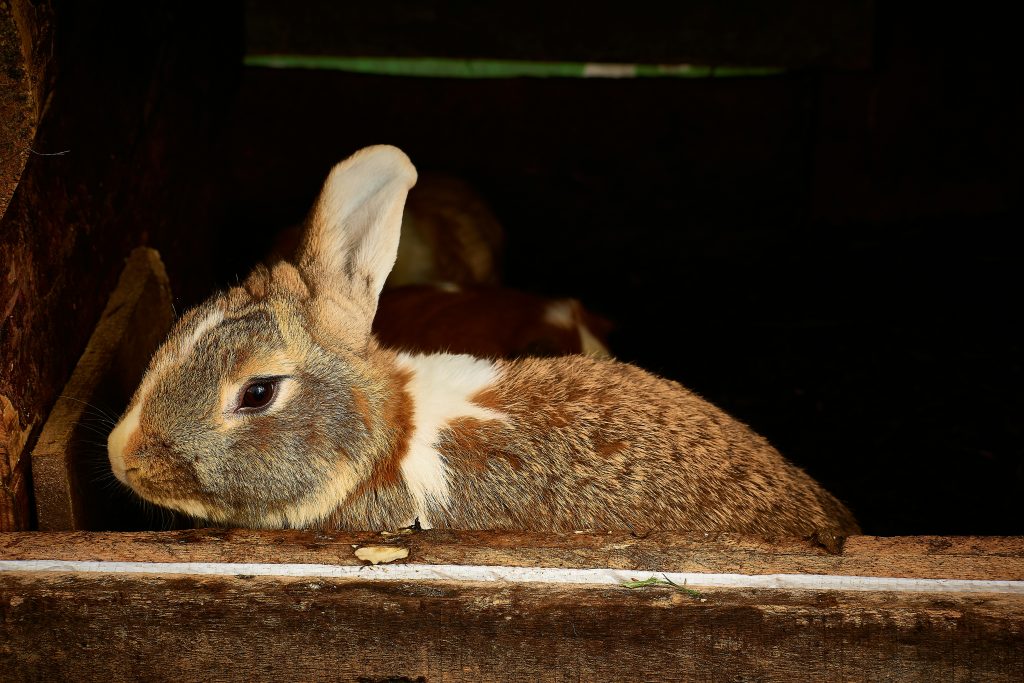
While a temporary foul mood is usually tied to a passing annoyance, long-term sadness stems from systemic gaps in a bunny’s daily lifestyle that actively conflict with their natural evolutionary drives. Rabbits are incredibly smart. They are wired to forage, dig, map out territory, and solve daily problems.
Shoving a rabbit into a standard pet-store cage with nothing to do is the psychological equivalent of solitary confinement. Without mental challenges, their brain simply powers down. The PDSA’s guide on preventing boredom highlights that this lack of an outlet frequently leads straight to learned helplessness, where the bunny completely gives up on trying to interact with their world.
Stressful Changes to Their Environment
Because they are prey animals, a rabbit’s mental health relies heavily on predictability. Oxbow Animal Health’s veterinary stress indicators point out that major disruptions can easily shatter their sense of security. Things like moving houses, rearranging the whole living room, bringing home a new barking dog, or even just dealing with loud local construction noise can throw them off. If a rabbit is stuck in a constant state of hyper-vigilance, their baseline emotional health collapses.
Loneliness and Social Deprivation
Bunnies are herd animals down to their very core. In the wild, they survive by tackling life together, grooming each other, swapping guard duties, and sleeping in a tight pile. To understand the root of this social deficit, it helps to explore the specific psychological mechanics behind why rabbits get lonely when they are left by themselves.
If a single rabbit is kept isolated in a spare bedroom with only a few minutes of human contact a day, they are going to suffer. You can buy them all the plastic toys in the world, but a life completely devoid of social interaction is a fast track to emotional decline.
Grief and Losing a Bonded Partner
Rabbits form incredibly deep, lifelong bonds with their partners, and sometimes with their favorite humans too. When a bonded mate passes away or a primary owner leaves the home permanently, a rabbit feels that loss intensely. As detailed in the House Rabbit Society’s support for bereaved bunnies, they don’t understand the concept of where their friend went. They are simply left with a massive, sudden void in their daily social rituals, which kicks off a very real grieving process.
Table 3: Environmental Triggers and Their Psychological Impact
| Environmental Root Cause | Impact Level | Primary Trigger Examples | Direct Psychological Effect |
|---|---|---|---|
| Enclosure Boredom | High | Small cages, lack of toy rotation, no foraging | Learned helplessness, pacing, bar biting |
| Social Deprivation | Critical | Living isolated, single rabbit, lack of daily contact | Deep loneliness, social shutdown |
| Environmental Instability | Moderate to High | Moving houses, loud construction, predator scents | Constant hyper-vigilance, baseline anxiety |
| Loss & Mourning | Critical | Death of a bonded partner, caretaker leaving | Acute grief, absolute emotional retreat |
4. How to Help a Sad Rabbit
Reversing an emotional slump means rolling up your sleeves to modify their ecosystem, restore a sense of personal control, and remind them that their environment is safe. To bring down your rabbit’s baseline anxiety, you need to build a rock-solid, predictable routine. Feed them greens, top off their hay rack, and open the pen for free-roam exercise at the exact same times every single day. When a rabbit can accurately predict when their needs will be met, their cortisol levels drop, giving them the confidence to start exploring again.
Add Toys and Mental Enrichment
To pull a rabbit out of a boredom funk, you have to challenge their brain. Ditch the passive plastic balls and bring in dynamic, destructible items they can rip apart. Organizations like the RSPCA strongly advocate for rotating their toys frequently so their living space never feels stale or stagnant.
Table 4: Targeted Enrichment Solutions for Boredom Behaviors
| Target Boredom Sign | Enrichment Category | Actionable Solution / Project | Primary Benefit |
|---|---|---|---|
| Obsessive Carpet Digging | Instinctual Outlet | DIY Dig Box: Large box filled with shredded paper or safe topsoil | Safe redirect for natural digging drives |
| Cage Bar Chewing | Destructible Play | Chew Rotation: Willow balls, seagrass mats, organic apple wood sticks | Satisfies dental needs and reduces frustration |
| Pellet Gulping / Lethargy | Foraging Activity | Mental Challenges: Snuffle mats, wooden puzzle sliders, hidden herbs | Forces active problem-solving for meals |
| Social Fear / Avoidance | Passive Bonding | Floor-Level Cohabitation: Lying flat on the floor, letting rabbit approach | Rebuilds trust without handling pressure |
Use Passive Bonding Techniques
If you try to force cuddles and pick up a withdrawn rabbit, they’ll just run away and trust you less. Instead, try passive bonding. Lie completely flat on the floor in their play area with a book or your phone, and basically ignore them. Getting down on their physical level makes you look less like a towering predator and sparks their natural curiosity. Let them come to you, sniff your socks, and hop over your legs on their own terms. When they look relaxed, you can offer a gentle finger stroke right on the top of their head.
Understanding Your Rabbit’s Personality (Case Study)
Real-world observations, many of which I dive into in the definitive guide to rabbit behavior, show that emotional distress looks completely different depending on the rabbit’s personality. Take a sensitive rabbit like Mocha, for example. When a schedule change stresses her out, she internalizes it completely. She’ll retreat behind a favorite chair and freeze for hours, refusing to acknowledge anyone.
Conversely, a male rabbit like Chino handles his frustration externally. Disrupt his routine, and he’ll start furiously digging at the floor, biting his willow toys, or aggressively slamming his food bowls around. Knowing whether your rabbit is an internalizer like Mocha or an externalizer like Chino is half the battle in catching an emotional slump early.
5. When It Is a Medical Emergency
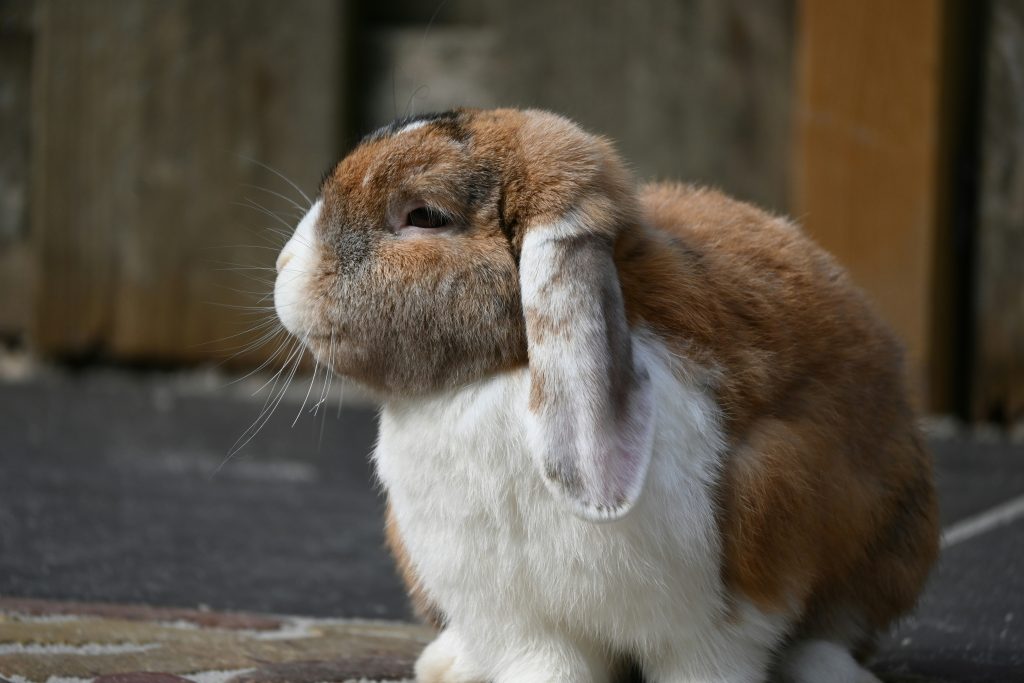
Here’s the trickiest part of lagomorph husbandry: because rabbits can’t complain about where it hurts, physical agony perfectly mimics emotional sadness. A rabbit dealing with sharp dental spurs, chronic arthritis, an ear infection, or early-stage GI Stasis is going to hide, sit hunched, and ignore their toys. Never just assume your rabbit is having a bad mental health week until you’ve completely proven their physical body is fine.
Table 5: Symptom Matrix: Emotional Sadness vs. Medical Emergencies
| Clinical Presentation | Psychological Sadness Baseline | Medical Emergency Red Flags | Required Owner Action |
|---|---|---|---|
| Appetite Tracking | Eats slowly, lacks normal excitement for food | Zero food intake or treat refusal for 6–8 hours | Immediate Vet Visit (High risk of GI Stasis) |
| Fecal Output | Drop-off in normal amount, but consistent size | Complete absence of droppings or tiny, misshapen pellets | Immediate Vet Visit (Bowel shutdown risk) |
| Vocalization & Sound | Silent or occasional low grunt of annoyance | Loud, harsh teeth grinding (sounds like clicking rocks) | Immediate Vet Visit (Indicates severe physical pain) |
| Physical Posture | Sitting comfortably, eyes bright but distant | Hunched tight like a ball, squinted eyes, cold ears | Immediate Vet Visit (Acute physical suffering) |
Red-Flag Symptoms That Need Immediate Vet Care
If your rabbit’s “sadness” comes with serious clinical signs, skip the environmental tweaks and get to a clinic. Veterinary networks like the Veterinary Information Network (VIN) warn that conditions like GI stasis, where the digestive tract completely stops moving, can turn fatal in less than 24 hours. If your rabbit hasn’t touched food in 6 to 8 hours, isn’t pooping, is loudly grinding their back teeth, or is sitting tightly hunched with squinted eyes, consider it an absolute medical emergency.
Why You Must Rule Out Illness First
When a rabbit’s behavior changes overnight and there’s no obvious environmental reason for it, treat it as a medical issue until a professional tells you otherwise. Always get them evaluated by an exotic mammal vet. They can run bloodwork, check those hard-to-see molar teeth with an otoscope, and take x-rays to catch hidden physical issues before they become life-threatening.
6. Frequently Asked Questions
Can rabbits cry tears when they are sad?
No, rabbits don’t cry emotional tears. If you see wet fur around their eyes, milky discharge, or heavy tear staining, they aren’t weeping out of grief. It’s a clinical symptom of a physical problem—usually a blocked tear duct, a respiratory infection, or overgrown dental roots pushing up into their eye sockets.
Do rabbits get depressed?
Yes, they absolutely can experience a severe state of behavioral shutdown that mimics clinical depression. This usually happens after long-term environmental neglect, chronic unmanaged pain, or losing a closely bonded mate. Depressed rabbits will stop interacting with the world entirely, and their health will decline rapidly if you don’t step in to help.
How long does it take for a rabbit to cheer up?
It totally depends on what caused the slump and how fast you change things up. If a rabbit is just bored, a few new foraging outlets and extra floor time can perk them up in a couple of days. But if they are actively mourning the loss of a companion, it can take weeks or even months of patient reassurance, extra attention, and careful monitoring to help them adjust to a new baseline.
Can indoor rabbits get sad in large enclosures?
Absolutely. Having a massive enclosure means very little if there’s nothing to do inside it. A big empty pen is just a larger cage. Indoor rabbits need cognitive challenges, rotating foraging spots, and regular social interaction to keep their minds sharp and their spirits up.
7. Conclusion
In the rabbit world, emotional well-being and physical health are a complete package deal. Chronic stress or sadness takes a direct toll on their immune system and slows down gut motility, leaving a depressed rabbit incredibly vulnerable to life-threatening conditions like GI stasis. Taking care of your rabbit’s mind with solid routines and engaging enrichment is just as vital as managing their physical space.
At the end of the day, your absolute best defense is to become an expert on your specific rabbit’s normal baseline patterns. Because they instinctively hide their vulnerabilities, spotting those tiny, quiet shifts in how they eat, sleep, and move is the only way you can step in early and provide the comfort, environmental changes, or life-saving medical care they actually need.
Medical & Veterinary Disclaimer: Bunnyowners.com is an informational resource for rabbit owners and enthusiasts. We are not veterinarians. The content on this website is for educational purposes only and is not a substitute for professional veterinary advice, diagnosis, or treatment. Always consult a qualified veterinarian with any questions or concerns regarding your pet’s health, medical conditions, diet, or overall care. If you have concerns about your rabbit’s health, it’s always best to reach out to a veterinarian rather than relying solely on information found online.