
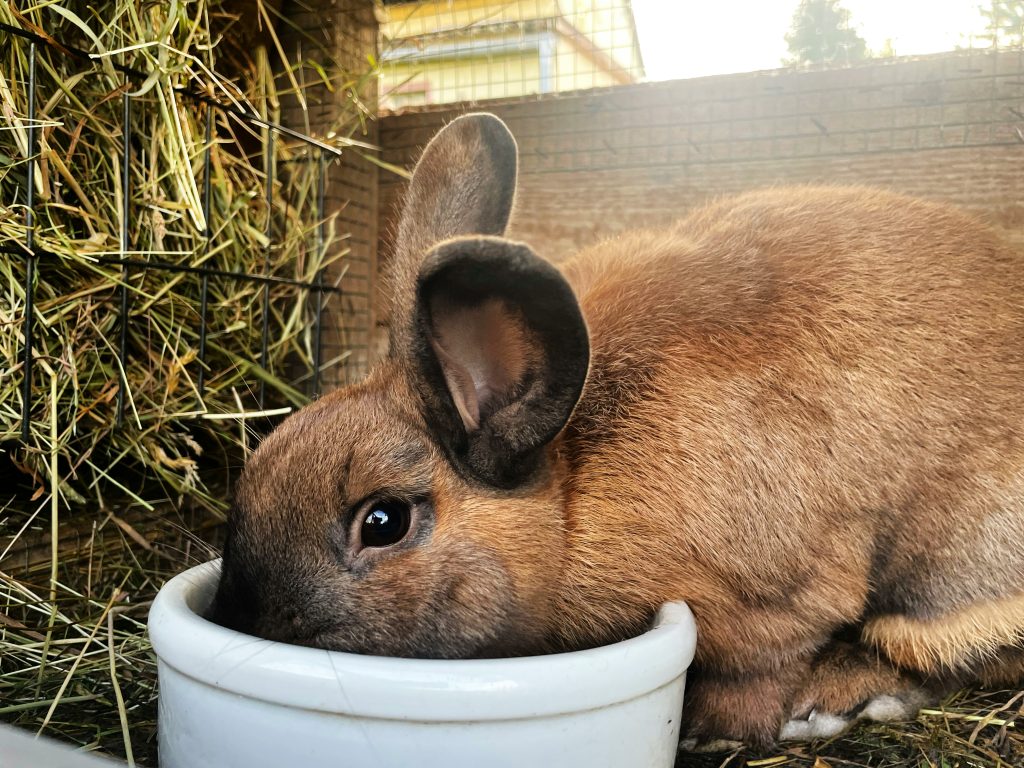
Disclaimer: The information provided on bunnyowners.com is for educational purposes only and does not constitute veterinary medical advice; always consult your vet before changing your rabbit’s diet. Additionally, this post contains affiliate links. As an Amazon Associate, and other affiliate advertising programs, I earn from qualifying purchases at no extra cost to you
Many rabbit owners look at wild rabbits and wonder if commercial pet food is truly necessary. Because wild rabbits survive entirely on wild vegetation, it is logical to question whether your domestic pet can also thrive on an unprocessed forage diet. While the short answer hinges on your rabbit’s specific age, weight, and health status, diving into the biological reality reveals why dropping the bowl completely isn’t always straightforward.
Healthy adult rabbits can live without pellets if their diet is carefully structured around unlimited high-quality grass hay and a diverse rotation of fresh leafy greens. However, because commercial pellets provide a concentrated dose of essential vitamins and minerals, they remain biologically necessary for growing babies, seniors, and rabbits recovering from illness. Ultimately, while pellets are not mandatory for a standard adult house pet, they provide a reliable nutritional safety net that protects against micro-nutrient deficiencies.
Simply throwing away the pellet bowl overnight is a recipe for a digestive disaster. Transitioning an indoor rabbit to a mostly natural forage diet requires a calculated strategy to prevent dangerous nutritional gaps. Before making any sudden changes, reviewing the framework laid out in this guide will help you understand lagomorph digestion, protect vulnerable life stages, spot nutritional deficiencies, and evaluate the best rabbit food options before implementing a safe, 4-week taper protocol to keep the gut moving.
1. What Do Rabbits Naturally Need to Stay Healthy?
To figure out if pellets belong in your setup, you have to look at the bizarre internal mechanics of a rabbit’s digestive tract. Rabbits are hindgut fermenters. In plain English, that means their stomach handles the initial intake, but the heavy extraction happens all the way at the back of the bus, specifically in the cecum, which functions like a tiny, live-animation compost bin filled with specialized bacteria.
Ideal Daily Diet Proportions for Domestic Rabbits
| Component | Targeted Percentage | Key Health Benefit |
| Grass Hay | 80–90% | Crucial for constant GI motility and dental wear |
| Fresh Leafy Greens | 10–15% | Delivers essential moisture and natural vitamins |
| Standard Pellets | 5% | Provides a concentrated nutritional safety net |
The Truth About the 90% Rule
Because of this unique setup, raw fiber runs the entire show. If you look at the math of a solid domestic rabbit diet, grass hay needs to command a massive 80% to 90% of the daily intake to keep the gut from locking up. Fresh, wet leafy greens should fill out another 10% to 15% to keep the kidneys hydrated. That leaves pellets sitting at a tiny 5% sliver. To see a detailed graphic breakdown of these exact dietary components, check out the veterinary-reviewed Lafeber Vet Basic Rabbit Care Guide.
Why the Bowl is Overrated
Processed pellets were originally engineered after World War II for commercial livestock setups and laboratory cages. The goal back then wasn’t longevity, it was rapid mass growth and cheap, shelf-stable vitamin insurance. Pellets themselves aren’t toxic villains, but problems explode when indoor house rabbits get unlimited access to them.
A rabbit stuffed to the brim on calorie-dense pellets will completely abandon its hay rack. Without that coarse grass grinding down their teeth and regulating cecal pH, you are looking at a fast track to dental spurs and severe digestive distress. For precise historical notes on early agricultural concentrates, read the Rise and Shine Rabbitry Feed History.
2. Which Rabbits Still Require Pellets?
Going pellet-free might sound like a great all-natural goal, but for certain rabbits, it is an absolute health hazard. This is a massive blind spot on the internet. Certain life stages carry metabolic demands that raw grass hay cannot meet, no matter how green or expensive the bale is.
Life Stages Requiring Pellet Supplementation
| Lifecycle Stage | Specific Dietary Need | Primary Risk of Removing Pellets |
| Juvenile Phase (Under 7 Months) | High calcium and dense protein | Stunted skeletal growth and developmental delays |
| Senior Rabbits | Highly bioavailable calories | Accelerated muscle wasting and low energy levels |
| Clinical/Recovery Cases | Easily digestible nutrients | Inability to maintain healthy body mass during healing |
Baby Rabbits
Growing kits under seven months old are essentially bone-and-muscle factories. They need a heavy hit of protein and calcium to build up their frames, and standard Timothy hay just doesn’t pack that kind of punch. Adolescence is definitively not the time to experiment with a minimalist lifestyle trend. Young rabbits need the fortified density of alfalfa-based pellets to avoid developmental stunting, a growth requirement thoroughly detailed in the North Carolina State University Veterinary Hospital Clinical Guide.
Senior or Ill Rabbits
The golden years change a rabbit’s metabolic efficiency down to the cellular level. Older animals frequently battle age-related muscle wasting, stiff joints, and poor nutrient absorption. You see a similar drop in rabbits recovering from a brutal round of GI stasis or dental surgery. When an animal is too weak or sore to spend hours chewing dry forage, the highly concentrated calories in a premium pellet function as a therapeutic ration to keep their weight from plummeting, as documented in the Oxbow Technical Recovery Guidelines.
3. The Risks of Removing Pellets From the Diet
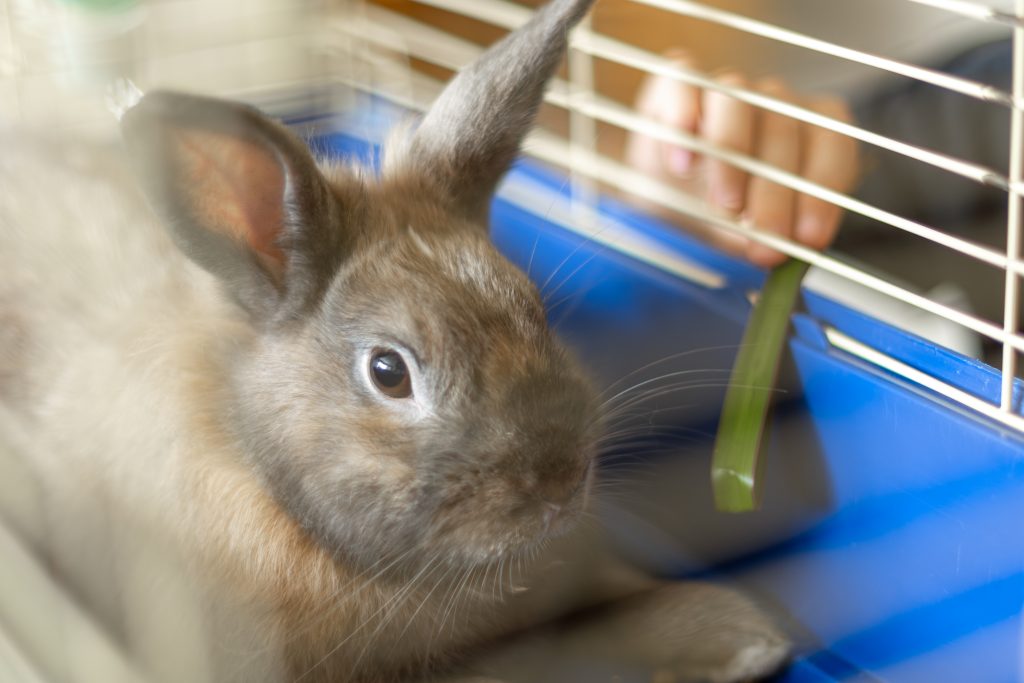
If you decide to pull the trigger on a 100% pellet-free lifestyle for a healthy adult, you have to be ready for the nutritional fallout. The danger isn’t the absence of the pellet itself. The real threat is the slow, silent creep of micronutrient deficiencies that don’t show up until the biochemical damage is done.
The Invisible Vitamin Drain
A rabbit eating nothing but a single type of dry grass hay will eventually run dry on fat-soluble vitamins, specifically Vitamins A, D, and E, along with trace minerals like zinc. Over a long timeline, a sustained calcium deficit forces the body to siphon minerals from its own skeleton. This softens the jawbone, causes the tooth roots to elongate, and turns a well-intentioned organic diet into a structural nightmare. To verify how low-calcium, pellet-free environments alter bone development, check out the clinical warnings on the Open Sanctuary Project Nutritional Profiles.
Litter Box and Body Warning Signs
Keep an eye out for clear physical signals that your pellet-free experiment is tanking:
- Run your hands along their spine and hindquarters; if the bones feel sharp and prominent, they are losing actual muscle mass.
- Watch their coat. A dull, patchy, or perpetually unkempt look means they don’t have the nutrients to complete a clean shedding cycle.
- Check the litter box. Tinier, dry fecal droppings are a direct warning that the gut transit time is slowing down to a dangerous crawl. For a peer-reviewed perspective on how poor dietary history compromises gut transit time, see the Veterinary Record GI Stasis Evaluation.
4. How Pellets Affect Rabbit Behavior and Appetite
Rabbits are hardwired opportunistic feeders. In the wild, they hunt down high-calorie fuels to survive. Put that same survival drive into a carpeted living room with a bowl full of sweet, dense pellets, and your rabbit will choose the junk food every single time. They will gladly ignore their raw forage if given the option.
Inside the Mind of a Pellet Addict
Dump a massive scoop of pellets into a cage, and the natural grazing drive drops off a cliff. I’ve observed this exact dynamic with my own rabbits, Mocha and Chino, if given unlimited access, they become entirely pellet-focused and camp out by the bowl. To understand how excessive concentrate intake alters feeding behaviors, view the data on the San Diego House Rabbit Society Educational Hub.
Behavioral Shifts Based on Pellet Ration Changes
| Feeding Approach | Behavioral Outcome | Impact on Long-Term Health |
| Unrestricted/Generous Pellets | Intense pellet focus, ignoring hay racks | Reduced dental wear, high risk of cecal pH shift |
| Strictly Measured Daily Portions | Return to natural grazing instincts | Consistent tooth grinding, stable cecal microflora |
But if you restrict that supply down to a tiny, timed ration, the behavioral shift is almost instantaneous. When the easy calorie source dries up, their biological clock resets. They pivot directly back to their grazing instincts, leading to hours of active tooth-grinding and a beautifully stable cecal environment.
The Danger of Alternative Treats
The biggest mistake you can make here is pulling a dietary rug-pull and cutting the pellets cold turkey. A sudden drop in available calories can shock the digestive tract. Even worse is the temptation to soften the blow by handing out high-sugar bribes like extra carrots, apple slices, or commercial seed mixes.
This floods the hindgut with simple sugars, triggering acute cecal dysbiosis and life-threatening enterotoxemia, an enterotoxemia risk cataloged by the University of Miami Biology Department Lagomorph Care Blueprint. Trading one form of junk food for another works out just as poorly for lagomorphs as it does for humans.
5. How to Safely Reduce Pellets and Introduce Variety
Succeeding with a low-pellet or pellet-free setup requires a highly controlled, gradual transition paired with an immediate upgrade to your forage game.
Smashed Monotony in the Hay Rack
Rabbits get incredibly bored with uniform textures. When I started reducing pellets for Mocha and Chino, I learned quickly that mixing the visual and tactile profile of their forage—blending tough first-cutting Timothy with soft second-cutting options or aromatic orchard grass—kept them engaged and stopped them from holding out for junk food.
When you are ready to drop the pellet volume, use a deliberate four-week taper:
The 4-Week Safe Pellet Reduction Protocol
| Timeline | Pellet Ration Adjustment | Monitoring Action Required |
| Week 1 | Reduce current daily portion by 25% | Increase leafy green variety; track daily water intake |
| Week 2 | Reduce portion by another 25% (50% total) | Introduce alternative hay textures to maintain interest |
| Week 3 | Drop to minimal baseline or zero-pellet ration | Check size, shape, and moisture of fecal output daily |
| Week 4 | Maintain the new pellet-free/low baseline | Score physical body condition gently along the spine |
Tracking the Weekly Metric
Throughout this multi-week transition, owners should utilize a digital kitchen scale to track their rabbit’s body weight at the exact same time each week. Any weight loss exceeding 5% of the rabbit’s total body mass within a single week is a clear signal to halt the reduction and consult a professional, as we are aiming for athletic maintenance, not clinical starvation. For reference charts detailing target crude fiber and dental attrition rates during pellet tapers, consult the House Rabbit Resource Network Ration Matrix.
6. Medical Warning Signs That Require a Vet
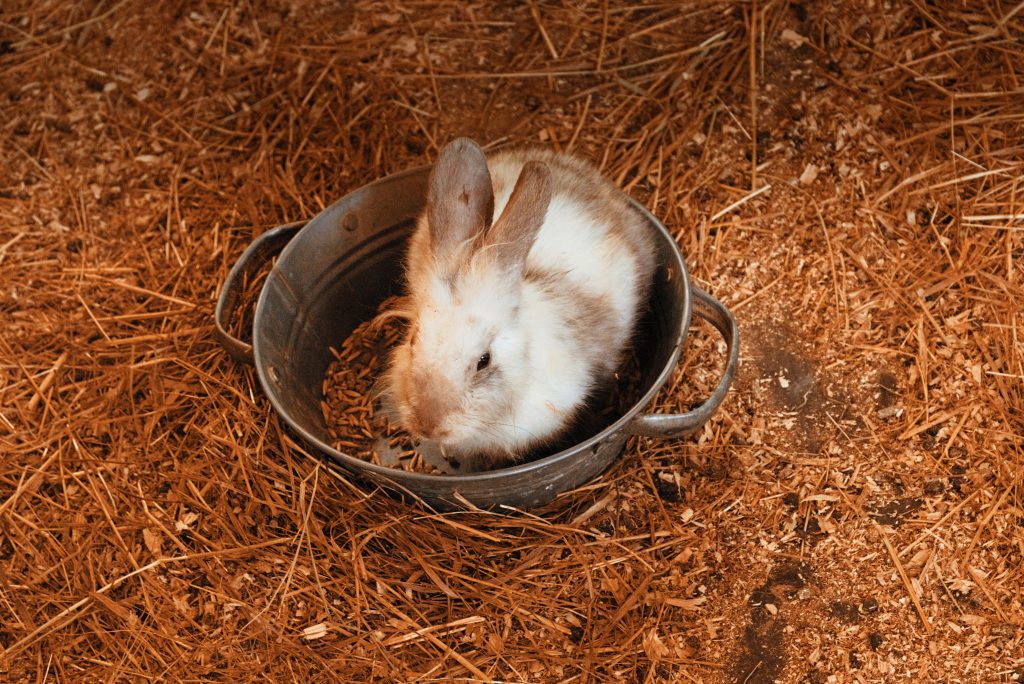
You cannot navigate a diet shift purely on hope. Rabbits are prey animals, which means they are evolutionary masters at masking pain and weakness. By the time they look visibly sick to you, they have usually been struggling for days.
Silent Signals to Watch For
Get a rabbit-savvy vet on the phone immediately if you hit any of these operational red flags:
- A sudden, complete refusal to eat either pellets or their standard grass hay.
- Clear signs of dental pain or sharp molar spurs, such as drooling, damp fur around the neck, or dropping half-chewed greens from the mouth.
- A total absence of fecal droppings for a 12-hour window, which means you are officially dealing with a GI stasis emergency. To explore clinical strategies for maintaining cecal flora during motility drops, consult the Veterinary Information Network (VIN) Clinical Portal.
- Sudden weight loss or an unprovoked drop in their daily energy levels. If you decide to continue using pellets as a standard safety net and want to see an evaluated selection of top-tier brands, read through my comprehensive guide on the best rabbit food options currently on the market.
7. Frequently Asked Questions
Can rabbits survive on hay alone?
For a few weeks, sure. Over a long timeline, absolutely not. A 100% pure hay diet inevitably causes severe micronutrient and vitamin deficiencies. If you want to eliminate pellets entirely, you have to run a tight operation that includes a large, rotating daily plate of fresh, safe leafy greens to supply the missing water-soluble vitamins.
Do wild rabbits eat pellets?
No, and they also don’t live on treated, dried farm hay. Wild rabbits have access to a living matrix of fresh grasses, seasonal weeds, woody bark, and roots. Their high daily workloads and massive botanical variety allow them to balance their nutrient intake naturally in ways an indoor pet cannot replicate without help.
Are pellets necessary for indoor rabbits?
They aren’t mandatory for a perfectly managed adult, but they are a fantastic insurance policy. A high-quality pellet gives you a guaranteed dose of critical minerals and essential vitamins—like Vitamin D, which indoor rabbits often run low on due to a lack of direct, unfiltered sunlight.
Is it bad if my rabbit does not like pellets?
Not at all. If your adult rabbit naturally blows off their pellets in favor of packing away piles of fresh grass hay and varied greens, count your blessings. As long as their weekly weight is rock-solid, their energy is high, and their droppings are large and round, you don’t need to force the issue.
8. Final Thoughts
Transitioning a healthy adult rabbit to a pellet-free lifestyle is completely doable, but it is not a lazy option. It demands a serious, ongoing commitment to sourcing and prepping diverse fresh forage. For the vast majority of indoor pet owners, total elimination is rarely the smartest play. Instead of trying to zero them out completely, the real victory lies in strict moderation.
Keeping a small, precisely rationed daily spoonful of a high-quality, timothy-based pellet in their routine is a stress-free safety net. It rounds out the micro-nutrition without triggering the obesity, lazy chewing habits, and digestive issues that come with an open-bowl buffet. It keeps them lean, active, and structurally sound for the long haul.
Medical & Veterinary Disclaimer: bunnyowners.com is an informational resource for rabbit owners and enthusiasts. We are not veterinarians. The content on this website is not a substitute for professional veterinary care, diagnosis, or treatment. Always seek the advice of your veterinarian with any questions you may have regarding your pet’s medical condition, diet, or overall health.