
Disclaimer: The information provided on bunnyowners.com is for educational purposes only and does not constitute veterinary medical advice; always consult your vet before changing your dog’s diet. Additionally, this post contains affiliate links. As an Amazon Associate, and other affiliate advertising programs, I earn from qualifying purchases at no extra cost to you
If you’ve ever observed a pet rabbit, you’ve likely witnessed the “furry loaf.” They sit perfectly still, staring blankly with wide-open eyes, looking more like a fluffy statue plotting a household takeover than a resting animal. Even after years of taking observational notes on my bonded pair, Mocha and Chino, I still occasionally catch myself waving a hand in front of their faces just to check if they are actually asleep or simply ignoring me.
Adult rabbits require 8 to 12 hours of sleep per day, which they partition into short, polyphasic naps rather than one continuous resting period. Because they are naturally crepuscular, they schedule the bulk of this downtime during the midday and midnight hours to reserve energy for dawn and dusk. To feel safe enough to achieve deep sleep, they must be situated in a secure, enclosed hideout located in a quiet, low-traffic area of your home.
Because rabbits are prey animals, their survival relies on masterful deception. They don’t clock out for the night like humans or nap in sunbeams like cats, making their rest habits incredibly easy to misunderstand. To figure out what a truly restful environment looks like for your companion—and why their schedule seems so utterly chaotic to us—we first need to explore how thousands of years of evolutionary hardwiring dictate their downtime.
When Do Rabbits Catch Their Zs?
Most humans are diurnal (awake during the day), and common household pets like hamsters are largely nocturnal (awake at night). Rabbits, however, operate on an entirely different biological clock: they are crepuscular. This means their absolute peak hours of activity naturally occur during the twilight hours of dawn and dusk.
The Crepuscular Advantage
In the wild, this twilight schedule is a matter of life and death. The dim light of early morning and late evening provides optimal cover from predators whose vision is adapted either to the bright midday sun (like hawks) or the pitch black of night (like owls). Crepuscular activity also helps wild rabbits avoid the stifling heat of the afternoon. Even though your indoor rabbit doesn’t have to worry about birds of prey swooping into your living room, their DNA still tightly dictates this schedule.
Navigating the Mid-Day Crash
Consequently, your rabbit is going to do the vast majority of their sleeping right in the middle of the day. Having raised rabbits since I was five years old, and having spent the last decade deeply observing their behaviors, I’ve seen this biological clock at work firsthand. For the observational studies on this site, I constantly monitor my bonded pair of pet rabbits.
It never fails that right around noon, my female rabbit, Mocha, completely checks out for her mid-day crash. She finds a cool, shaded corner and remains mostly inactive until the late afternoon. According to the behavioral guidelines outlined by the House Rabbit Society, enforcing a quiet, low-stress environment during these prolonged mid-day lulls is absolutely essential for their overall physical and mental well-being.
The Midnight Foraging Habit
While the daytime sleep is often their longest stretch of rest, the middle of the night brings a secondary lull. Midnight is not a time of deep sleep, but rather a quiet period of low-to-medium activity. You might hear the rustle of hay or the clinking of a water bowl at 2 AM. They aren’t fully asleep, but they aren’t quite ready to do “zoomies” around the coffee table either.
| Time of Day | Biological Phase | Activity Level | Typical Behaviors |
| Dawn (5 AM – 8 AM) | Crepuscular Peak | Very High | Foraging, “zoomies,” eating, frantic digging |
| Mid-day (11 AM – 3 PM) | Diurnal Lull | Low | Deep sleep, resting, light grooming, hiding |
| Dusk (5 PM – 8 PM) | Crepuscular Peak | Very High | Socializing, playing, eating, begging for treats |
| Midnight (11 PM – 3 AM) | Nocturnal Lull | Low to Medium | Light sleep, occasional hay snacking, wandering |
How Much Do They Actually Sleep?
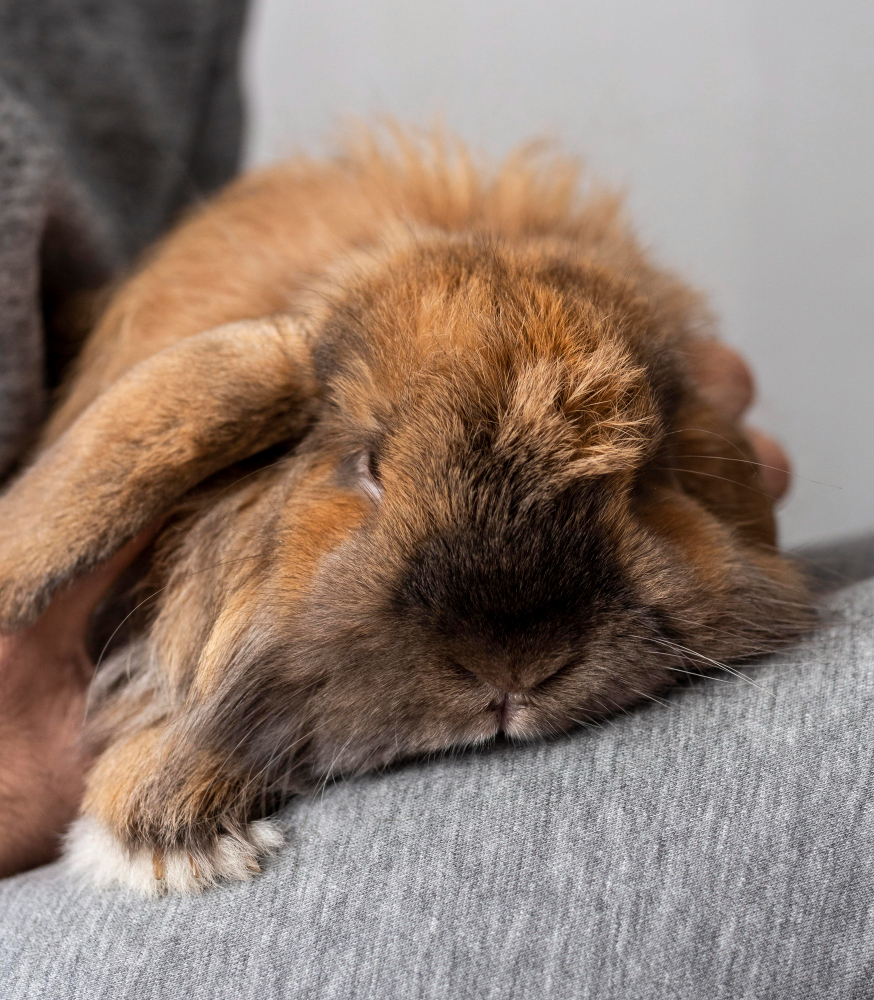
You might not realize how much your rabbit sleeps simply because they are incredibly stealthy about it. An average adult rabbit sleeps anywhere from 8 to 12 hours a day. However, this isn’t taken in one solid, uninterrupted eight-hour chunk like humans prefer. Instead, they piece together their daily rest through a series of frequent, shorter naps known as polyphasic sleep.
Age-Based Sleep Demands
Age plays a massive, often overlooked role in a rabbit’s daily schedule. Just like humans, growing kits and senior rabbits have vastly different metabolic demands than healthy adults in their prime. Young rabbits burn immense amounts of calories to fuel their rapid skeletal and cognitive growth, requiring frequent crashes to recuperate. Conversely, senior rabbits find moving around more taxing and naturally slow down.
| Rabbit Age Group | Average Daily Sleep | Why They Need It |
| Kits (< 6 months) | 12 – 14 hours | Supports rapid physical and cognitive development |
| Adults (6 mo – 5 yrs) | 8 – 12 hours | General maintenance and routine energy recovery |
| Seniors (5+ yrs) | 10 – 13 hours | Resting aging joints and compensating for a slower metabolism |
The REM vs. Light Sleep Divide
Furthermore, a rabbit’s resting hours are strictly divided into two distinct biological phases. The vast majority of a rabbit’s rest is spent in light sleep. During this phase, they are resting their bodies but their senses remain fully alert to their surroundings—a survival trait heavily documented in the Merck Veterinary Manual. In light sleep, their ears act like radar dishes, constantly swiveling to pick up the faintest sound of approaching danger.
They only enter deep, restorative REM (Rapid Eye Movement) sleep for very short, intense bursts, often lasting no more than five to ten minutes at a time. This is the stage where genuine recovery happens. You’ll know they have finally achieved REM sleep when you see their ears twitch independently, their paws paddle softly against the floor, or their jaws move as if they are dreaming of chewing the ultimate dandelion green. Because true REM sleep is a state of immense vulnerability, a rabbit will fiercely resist entering this stage unless their environment is perfectly optimized.
| Sleep Stage | % of Total Rest | Physical Indicators | Responsiveness |
| Light Sleep | ~75% | Sitting up (“meatloafing”), eyes partially open, ears swiveling | High (Ready to bolt immediately) |
| Deep Sleep (REM) | ~25% | Flopped completely on side, twitching ears/paws, rapid breathing | Low (Deeply relaxed, fully trusting) |
The Ideal Bedroom: Where Should Your Bunny Sleep?
Because they are hardwired to worry about predators, a rabbit will not fall into a deep, restorative sleep unless they feel entirely secure. In the wild, rabbits dedicate incredible amounts of energy to digging complex, multi-chambered underground burrows known as warrens. These dark, enclosed spaces offer temperature regulation and protection from harm. In your living room, they desperately need a modern equivalent.
The Psychology of the Burrow
Providing a “hidey-house,” a covered enclosure, or a dedicated quiet corner is completely non-negotiable for an indoor setup. My male rabbit, Chino, provides a perfect example of this deep-rooted behavioral need. He is highly vigilant by nature and refuses to enter deep sleep unless he is wedged firmly inside a custom two-door cardboard castle we built for his pen. This specific setup allows him to feel a physical barrier between himself and the room, while the two doors ensure he never feels trapped, maintaining a clear escape route at all times.
Choosing the Right Location
The RSPCA heavily emphasizes that all domestic rabbits must have access to a safe hiding spot at all times to prevent chronic stress and anxiety. When choosing where to put this hidey-house or primary enclosure, location is everything. Ensure their sleeping area is tucked away from loud, sudden noises like booming home theater systems or the clatter of a busy kitchen. You should also be mindful of temperature and light. Avoid placing their sleeping quarters directly over heating vents, next to drafty windows, or in the path of blinding, direct afternoon sunlight. Rabbits are heavily insulated and prone to heatstroke, so a cool, shaded corner is always their preference.
Bedding and Accessories
While humans love plush, memory-foam mattresses, rabbits have different criteria for comfort. They often prefer a smooth, cool surface over a squishy one. Providing a soft fleece blanket is great, but don’t be surprised if they actively push it out of the way to sleep directly on the cool laminate floor or a designated ceramic tile.
Decoding Weird Sleep Behaviors
If you are new to the world of rabbit ownership, observing your pet while they sleep can be a slightly alarming experience. Rabbits have some incredibly bizarre sleeping quirks that often terrify first-time owners into making panicked phone calls to their local vet. Understanding these behaviors is the key to knowing your bunny is actually doing just fine.
The Nictitating Membrane (Sleeping With Eyes Open)
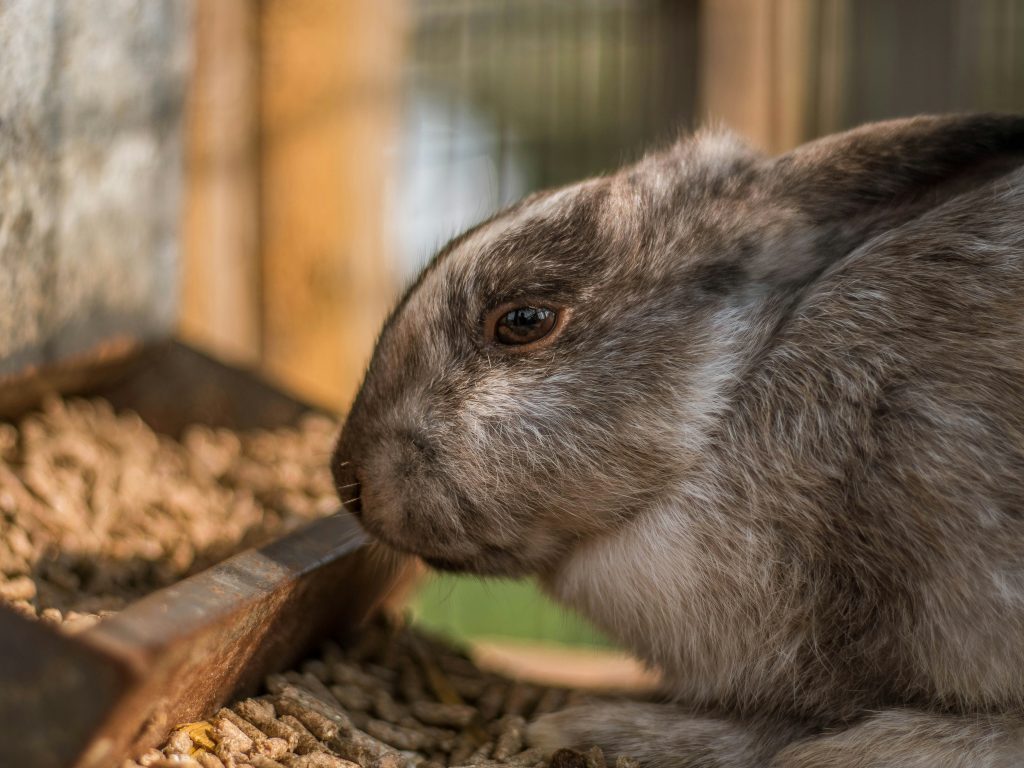
Perhaps the most unsettling habit is their ability to sleep with their eyes wide open. Yes, rabbits possess a highly functional third eyelid, scientifically known as the nictitating membrane. This thin, translucent layer of tissue sweeps across the eye to keep it moist and protected. Because it is clear, it allows them to sleep with their primary eyelids partially or completely open. The PDSA notes this incredible evolutionary adaptation allows the light receptors in a rabbit’s eyes to detect passing shadows—like the silhouette of a predator—even while the animal is completely unconscious.
The Dramatic Bunny Flop
If your rabbit is sitting normally and then suddenly, dramatically throws themselves onto their side, looking completely lifeless, don’t panic. You haven’t witnessed a medical emergency. According to the Rabbit Welfare Association & Fund (RWAF), this maneuver, universally known as the “bunny flop,” is the ultimate sign of trust, relaxation, and contentment. A rabbit only exposes their soft, vulnerable underbelly when they feel 100% safe in their environment.
Sleep Twitching and Dreaming
When a rabbit finally lets their guard down enough to enter REM sleep, their bodies often put on a show. You will likely observe rapid eye movements under their lids, their noses wiggling furiously, and their tiny paws kicking as if they are running in slow motion. This sleep twitching is perfectly normal and indicates a deep, healthy sleep cycle. Never abruptly wake a dreaming rabbit, as the sudden shock can be incredibly stressful for their delicate hearts.
Teeth Purring vs. Grinding
While resting, you might hear a soft, gentle, and rhythmic vibration coming from your bunny’s mouth. This is known as “teeth purring” and is the rabbit equivalent of a happy cat’s purr. It indicates deep contentment, a behavior frequently highlighted by Lafeber’s exotic companion guides. However, this should not be confused with a loud, grating, crunching sound, which indicates severe pain.
Prey animal psychology dictates almost everything your bunny does, from their highly fragmented sleep cycles right down to how they claim their territory. For a complete, deep dive into the complex instincts that make your long-eared companion tick, check out my 2026 Definitive Guide to Rabbit Behavior.
Common Mistakes Owners Make With Sleep Routines
As a well-intentioned pet owner, it’s incredibly easy to accidentally disrupt your bunny’s rest, leading to a cranky, stressed-out companion. Navigating their schedule requires a bit of compromise and a lot of understanding.
Forcing a Human Schedule
The single most frequent blunder new owners make is treating their rabbit like a golden retriever or a tabby cat, expecting them to seamlessly adapt to a human’s diurnal schedule. Waking your rabbit up at 2 PM for a brushing session or to show them off to guests might feel like a great idea to you, but to them, it’s highly disorienting. It is the biological equivalent of someone blasting an air horn by your bed at 3 AM. If your rabbit is tucked away in their hide at noon, respect the “Do Not Disturb” sign.
The High-Traffic Hazard
Another major misstep is placing their primary enclosure or resting area in the center of a high-traffic zone. Even if you have a free-roam rabbit that has the run of the house, they still fundamentally require strict boundaries and a designated sanctuary. If their primary resting spot is in a busy hallway where children are running, or next to a door that constantly slams, they will never be able to fully relax.
They will remain permanently locked in a state of hyper-vigilant light sleep. The Blue Cross strongly notes that chronic sleep deprivation stemming from persistent environmental stress can severely suppress a rabbit’s fragile immune system, leading to preventable long-term health issues like respiratory infections.
Constant Interruptions
Every time you reach into a rabbit’s sleeping area while they are resting, you reset their sleep cycle. Avoid the temptation to pet them every time you walk by. Rabbits thrive on predictable routines, and constant, unpredictable interruptions will make them increasingly neurotic and defensive of their space.
The Gut-Brain Axis: How Diet Dictates Sleep
To truly understand why a rabbit’s sleep schedule is so incredibly fragmented, you have to look past their brain and directly into their stomach. The connection between a rabbit’s digestion and their sleep cycle is an unbreakable physiological bond.
Hindgut Fermentation Mechanics
Rabbits are hindgut fermenters, meaning their gastrointestinal tract is essentially a highly calibrated, constantly running biological engine. Unlike human stomachs, which process a large meal and then rest, a rabbit’s GI tract never completely shuts down. Their digestive system relies on a constant influx of high-fiber material (hay) to push older material through the gut. If this process stops, the gut stops moving entirely, a fatal condition known as GI stasis.
The Midnight Snack Requirement
Because of this evolutionary design, long, unbroken periods of sleep—like an eight-hour stretch overnight—are a literal physical impossibility for a rabbit. They have to wake up constantly throughout their resting periods to keep their biological engine fueled. They will stir, hop over to their hay rack to nibble on some Timothy hay, take a long drink of water, and then settle back down.
Cecotropes and Rest
They also must wake up to pass and ingest cecotropes. These are soft, nutrient-dense droppings produced in the cecum that the rabbit must eat directly from their rear to absorb essential B vitamins and fatty acids. The British Small Animal Veterinary Association highlights that this continuous, non-negotiable need to forage, digest, and recycle nutrients is exactly why a rabbit’s sleep is stitched together in short 15-to-30-minute intervals rather than deep, multi-hour comas. If you observe a rabbit that appears to be sleeping “too well” for an unusually long, unbroken period without eating, they might actually be a rabbit with a stalled and highly dangerous digestive tract.
Red Flags: When to Worry About Your Rabbit’s Slumber
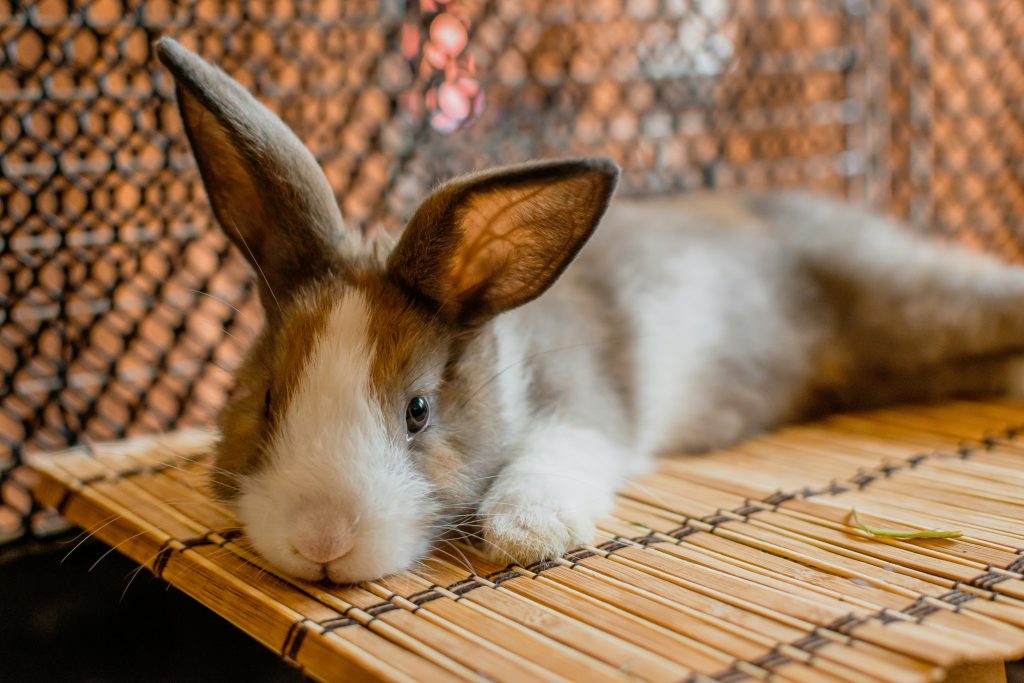
While a dramatic, floppy deep sleep is a wonderful sign of a happy, well-adjusted bunny, there is a very fine line between a relaxed nap and dangerous, life-threatening lethargy. Because rabbits are prey animals, they are absolute masters of deception, genetically wired to hide any signs of illness until their condition becomes critical. Observing the subtle differences in their daily resting routine is your best defense.
The “Meatloaf” of Pain
Watch out for sudden, unexplainable changes in their favored sleeping posture. If a normally sprawled-out, floppy bunny suddenly starts sleeping exclusively in a tight, highly tense “meatloaf” position, it is a major red flag. While normal meatloafing (sitting tucked up with paws beneath them) is a standard light-sleep posture, a rabbit in pain will look stiff. Their eyes may be squinted in a “pain face,” they will be reluctant to move when prodded, and they may press their belly firmly into the floor. This posture heavily indicates gastrointestinal distress or severe abdominal pain.
Lethargy vs. Relaxation
Another clear warning sign is a failure to activate during their peak hours. If your rabbit is uncharacteristically inactive or sluggish during their usual 6 AM or 6 PM “zoomie” hours, or if they completely ignore the rustle of a bag of their absolute favorite treats when they should be fully awake, it’s time to pay close attention. A healthy sleeping rabbit will wake up immediately for food; a lethargic, sick rabbit will ignore it.
Respiratory Distress During Rest
Similarly, carefully monitor how their body moves while they sleep. If you notice labored, heavy breathing, wheezing, clicking sounds from their nose, or if they are sleeping with their head thrown back and mouth open to catch air, consult an exotics vet immediately. Experts at VCA Animal Hospitals strictly warn that you should seek urgent care anytime a rabbit’s lethargy is paired with a lack of appetite, reduced fecal output, or breathing abnormalities. Waiting to see if they “sleep it off” is often a fatal mistake with rabbits.
Frequently Asked Questions
Do rabbits need the lights off to sleep?
While rabbits don’t strictly require total pitch-black darkness to sleep, dimming the artificial lights at night drastically helps maintain their natural circadian rhythm. They rely on the gradual changing of light to dictate their crepuscular schedules. Natural ambient light from a window is usually perfectly sufficient for indoor rabbits. Leaving a harsh overhead light on 24/7 can cause severe stress and sleep deprivation.
Is it normal for my rabbit to wake me up at 5 AM by rattling their cage?
Absolutely. Because they are crepuscular, dawn is their absolute peak time to wake up, forage, chew, and burn off excess energy. If they are confined to a pen overnight, they may rattle the bars or dig furiously at the floor out of sheer boredom and pent-up energy. Providing heavy chew toys or a cardboard digging box can help mitigate the early morning noise.
Can I sleep in the same bed as my rabbit?
It generally isn’t recommended under any circumstances. Aside from the obvious hygiene concerns of hay and stray droppings in your sheets, human beds are highly dangerous for rabbits. Humans toss and turn heavily in their sleep, which can easily crush or severely injure a fragile rabbit’s delicate spine. Furthermore, a rabbit might decide to “redecorate” by chewing through your expensive blankets or phone charger cords while you are asleep. It’s much safer to provide them with their own secure sleeping quarters nearby on the floor.
Do rabbits snore when they sleep?
Occasionally, yes! Some rabbits emit very soft, subtle snores, squeaks, or little sighs while they are in a deep REM cycle. However, loud, raspy, or consistent snoring is not normal and is often a primary indicator of a respiratory infection, an obstruction in their nasal passages, or obesity. If the snoring is a new development, a vet check is warranted.
Why does my rabbit twitch so violently in their sleep?
Twitching ears, paddling paws, and rapidly wiggling noses are perfectly normal signs that your rabbit has entered deep REM sleep and is actively dreaming. As long as the rabbit wakes up normally when gently roused and doesn’t exhibit these spasms while fully conscious, it is simply a sign of a very relaxed, deeply sleeping bunny.
Conclusion: Letting Sleeping Bunnies Lie
At the end of the day—or rather, the middle of the day—respecting your rabbit’s natural crepuscular rhythm is one of the easiest ways to ensure they live a long, low-stress life. By understanding the physiological differences between their light rests and REM cycles, building a secure “bedroom” environment, and learning to decode delightfully weird habits like the bunny flop, you can foster a habitat of total trust. So, the next time you see your furry friend passed out with their eyes wide open, just tiptoe away and let them dream in peace.
Understanding your rabbit’s crepuscular clock is just one piece of the puzzle. If you’re trying to figure out why your bunny thumps at the air vents or suddenly decides your baseboards look like a great midnight snack, exploring broader patterns in my rabbit behavior guides can help you fully decode their unique, non-verbal language.
Medical & Veterinary Disclaimer: bunnyowners.com is an informational resource for rabbit owners and enthusiasts. We are not veterinarians. The content on this website is not a substitute for professional veterinary care, diagnosis, or treatment. Always seek the advice of your veterinarian with any questions you may have regarding your pet’s medical condition, diet, or overall health.