
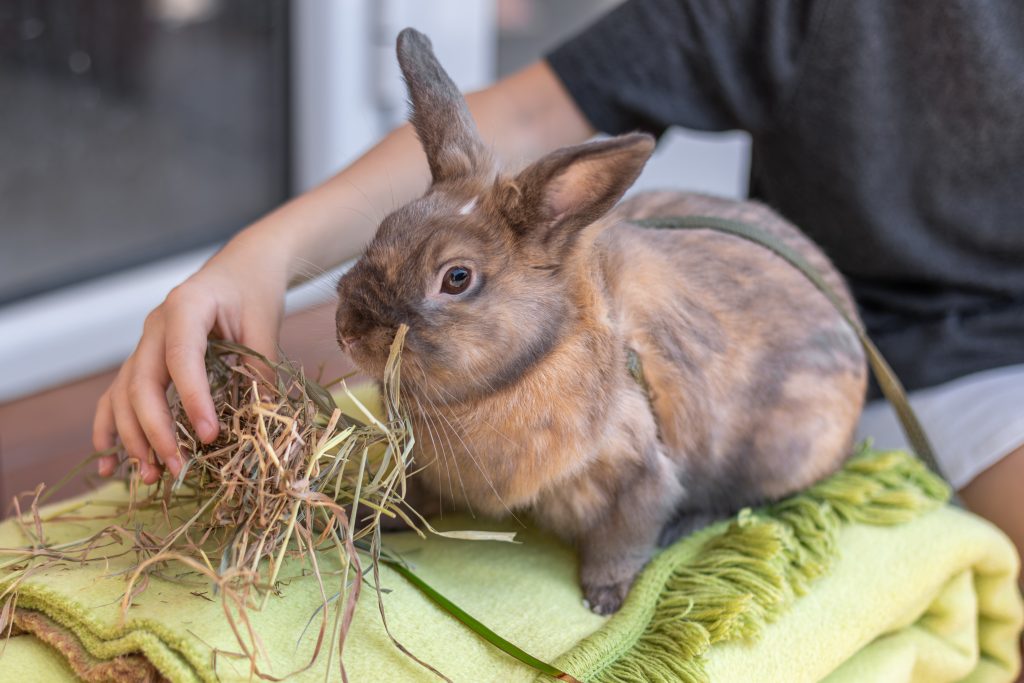
Disclaimer: The information provided on bunnyowners.com is for educational purposes only and does not constitute veterinary medical advice; always consult your vet before changing your rabbit’s diet. Additionally, this post contains affiliate links. As an Amazon Associate, and other affiliate advertising programs, I earn from qualifying purchases at no extra cost to you
You probably spent a premium on a bag of pristine Timothy hay, only to watch your rabbit treat it like expensive, aromatic bedding. I call this the Hay Paradox: the absolute healthiest, most biologically appropriate food is often the one they reject if the texture doesn’t align with their current dental or digestive mood. A rabbit’s “pickiness” is rarely about flavor; it’s a calculated evolutionary response to the mechanical resistance of the fiber sitting in front of them.
The best hay for adult rabbits is 2nd cut Timothy hay, which provides the optimal balance of protein, calcium, and abrasive fiber. While baby rabbits require the high-energy nutrients of Alfalfa, mature rabbits should transition to grass hays like Orchard or Meadow to prevent bladder sludge. To ensure dental health, look for “stemmy” textures rich in phytoliths, as these are the only fibers capable of naturally wearing down a rabbit’s continuously growing teeth.
Navigating this paradox means completely rethinking rabbit nutrition. In my observational research with my own bonded pair, Mocha and Chino, conquering their selective grazing habits was the first critical step in keeping their delicate, high-speed digestive machinery on track. If you are currently auditing your feeding protocol, exploring my rabbit diet and food guides can help you establish the exact ratios of long-stem fiber, fortified pellets, and fresh greens required for daily maintenance.
2. Why Rabbits Need Hay: Understanding the Gastrocolic Reflex
To understand why hay is non-negotiable, we have to move past the tired “fiber is good for them” advice and look at the actual biological engine of the lagomorph gut. A rabbit’s digestive tract is a high-speed locomotive that simply cannot idle. Unlike humans, who digest primarily through chemical breakdown in a highly acidic stomach, rabbits rely on constant mechanical motility to keep their system online.
This is the “Digestive Locomotive” principle: the system only works if it is constantly being pushed from the front by long-stem fiber. If the fuel stops, the engine dies.
The Biological Sorting Process
When coarse fiber enters the rabbit’s system, it physically sweeps through the digestive tract like a stiff broom. This indigestible material—primarily lignin and cellulose—is what actually stimulates the gastrocolic reflex. As noted in the House Rabbit Society’s breakdown on hay and gut motility, this mechanically signals the entire gut musculature to keep contracting and moving payloads forward.
As the fiber reaches the hindgut, the system acts like a microscopic centrifuge, undergoing a sophisticated sorting process:
- The “Fines” (Nutrients): The digestible, highly fermentable plant matter is routed into the cecum. Here, it ferments into nutrient-dense cecotropes—the soft, grape-like clusters that provide essential B-vitamins and protein when the rabbit naturally re-ingests them.
- The “Exhaust” (Waste): The heavy, abrasive, indigestible lignin gets pushed out as those familiar, dry, spherical droppings that litter boxes are filled with.
The Danger of a Stalled Engine
If this exhaust stops, the locomotive stalls. This condition is known as GI Stasis (gastrointestinal stasis), a rapid-onset and potentially fatal shutdown of the gut. As a researcher, I can tell you it is almost always caused by a lack of long-stem fiber to trigger that necessary mechanical push.
The Behavioral Hack: You can exploit this biological reality through clever habitat engineering. Since the gastrocolic reflex hardwires the act of eating to the act of elimination, putting your hay rack directly inside or hovering right next to the litter box encourages constant, simultaneous grazing and pooping. It is a highly effective behavioral hack grounded entirely in evolutionary biology—and it keeps the engine running 24/7.
3. Dental Health: The Phytolith Mechanism and Lateral Wear
One of the biggest blind spots in modern rabbit care is how dental wear actually works. Everyone knows rabbit teeth never stop growing (at a rate of 2–3mm per week!), but few understand the exact mechanics of how hay prevents a costly dental crisis.
3.1 The Abrasive Power of Phytoliths
Rabbits possess hypsodont teeth—open-rooted teeth that erupt continuously. A lot of owners assume chewing on wooden toys or eating hard, compacted pellets will keep things filed down. That is mechanically false.
- The Pellet Myth: Pellets require a vertical crushing motion and dissolve instantly in saliva. They offer zero abrasive wear for the back molars.
- The Wood Toy Myth: Wood toys wear down the front incisors but ignore the critical back molars entirely—which is akin to changing the oil in your car but ignoring the fact that your transmission is on fire.
Grass hay is a totally different structural beast. Grasses contain phytoliths, microscopic silica crystals embedded right in the plant’s cell walls.
Eating hay forces a rabbit to use a lateral, side-to-side grinding motion. Veterinary literature covering hypsodont dental wear confirms that this precise lateral grinding, combined with the biological “sandpaper” effect of the phytoliths, keeps the molars perfectly in check.
The Medical Risk: Without this constant silica scrape, rabbits develop molar spurs—sharp points that lacerate the tongue and cheeks, making eating an agony and leading to total gut shutdown.
4. Comparing Timothy Hay Cuts: Lignin vs. Protein Math
Timothy hay is not a monolith. The “cut” refers to the specific harvest cycle of the field, yielding wildly different ratios of leaf to stem. This dictates the balance of Lignin (indigestible fiber) to Protein, which you have to actively match to your rabbit’s specific clinical needs. To ensure you provide the right macronutrients, it helps to cross-reference these cuts with PetMD’s exotic animal feeding guide.
Table 1: Comparative Metrics by Harvest Stage
| Harvest Cut | Indigestible Fiber (Lignin) | Protein Content | Physical Texture | Primary Clinical Use |
| 1st Cut | Very High (35%+) | Low (7–9%) | Coarse, rigid stems | Weight loss, severe GI sluggishness |
| 2nd Cut | Moderate (30–32%) | Balanced (10–12%) | Pliable stems, leafy | Standard healthy adult baseline |
| 3rd Cut | Low (25–28%) | High (13%+) | Extremely soft, leafy | Dental disease, senior weight gain |
4.1 The Science of the Three Harvests
- 1st Cut: This is the first harvest of the season, usually in early summer. The plants have had all spring to grow thick, lignin-heavy stalks and large seed heads. It is the most abrasive option, perfect for wearing down teeth, but can be rejected by “lazy” chewers.
- 2nd Cut: The late-summer harvest. This is the gold standard. It strikes a reliable structural balance for the vast majority of healthy adults. It has enough leaf to be palatable and enough stem to be medically effective.
- 3rd Cut: The final harvest before the first frost. It is incredibly soft, dark green, and smells like a fresh-cut lawn. While rabbits love it, it lacks the structural lignin required for routine dental maintenance. Use it as a topper or for seniors with pre-existing dental damage.
5. Alfalfa vs. Grass Hay: Avoiding the Calcium Trap
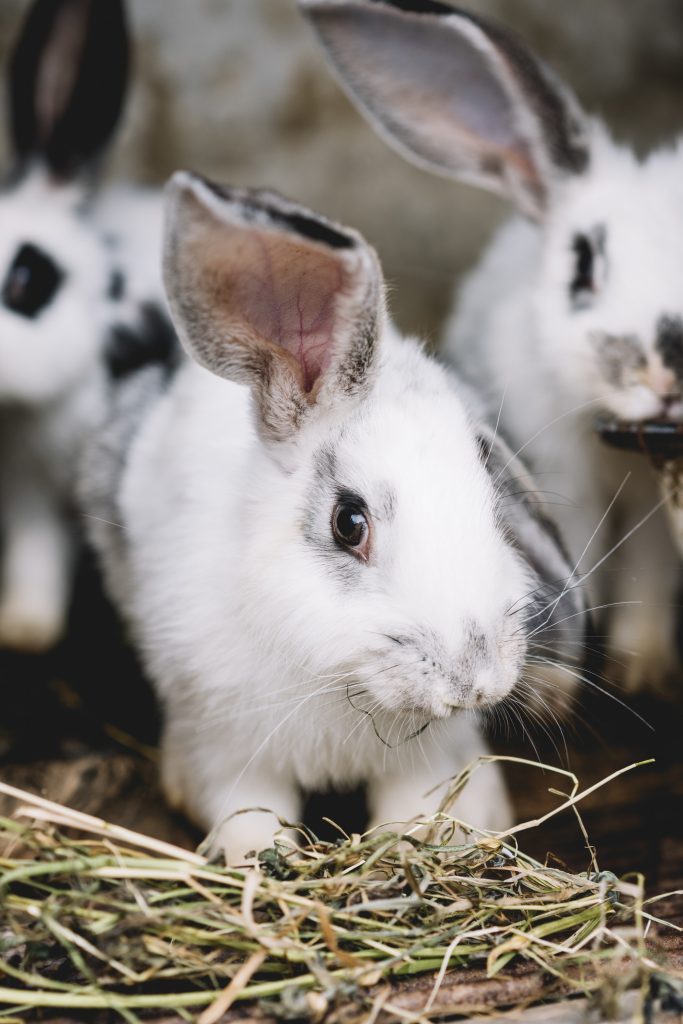
A major nutritional pitfall is ignoring the botanical classification of your hay. You have to respect the biological divide between grasses and legumes if you want to avoid kidney and bladder disasters.
5.1 The Unique Rabbit Metabolism
Alfalfa is not a grass; it is a legume. It is highly dense in calories, protein, and—most dangerously for mature lagomorphs—calcium. The lagomorph calcium metabolism is highly unique. Unlike humans and dogs, who absorb only the calcium they need, rabbits absorb nearly 100 percent of the calcium they ingest. The excess is then filtered through the kidneys and excreted in the urine.
Table 2: Grass vs. Legume Calcium Metrics
| Botanical Family | Hay Type | Average Calcium % | Life Stage Suitability |
| Grass | Timothy / Orchard | 0.3–0.5% | Adult Maintenance (6+ months) |
| Legume | Alfalfa / Clover | 1.2–1.5%+ | Growing Kits (0–6 months) |
5.2 The Bladder Sludge Crisis
Feed an adult rabbit Alfalfa long-term, and their system gets completely overwhelmed, essentially treating their urinary tract like a limestone quarry. Clinical data on lagomorph uroliths and nutrition shows this excess manifests as thick “bladder sludge” or solid urinary stones. The rule is absolute: transition kits to lower-calcium grass hays by their half-birthday. No exceptions.
6. Sourcing Tips: Soil Science and Regional Mineral Density
Hay is a crop, not a manufactured product. It grows in dirt and relies on regional weather patterns, which means the mineral density of your hay varies by zip code. For a deeper look into how local sourcing mimics natural grazing, PDSA’s veterinary guidance on rabbit diets highlights the importance of matching their evolutionary habits.
6.1 Why Volcanic Soil Matters
In the United States, Western Timothy (grown in the high-altitude, arid climates of the Pacific Northwest) is often considered the “Champagne” of hays.
- The Western Advantage: The volcanic soils and cool night temperatures allow the grass to grow slowly, which dramatically increases the concentration of silica and essential minerals.
- The Eastern Contrast: Eastern hay, grown in more humid environments, is often leafier but can carry a higher risk of dust or mold if it isn’t dried with mechanical assistance.
The Soil pH Variable The nutritional density of hay is also a direct reflection of the dirt it grew in. Ideal forage requires soil with a pH between 6.0 and 7.0.
The “Green” Illusion: If the soil is too acidic, the plant cannot effectively absorb phosphorus or calcium. This leads to a nutrient-deficient stalk that looks vibrantly green but offers nothing but “empty calories” to your rabbit.
Ask your supplier exactly where they source their bales; the good ones actually know their farmers’ soil metrics.
7. Types of Rabbit Hay: Timothy, Orchard, Meadow, and Oat
While Timothy might run the rabbit world, botanical diversity prevents dietary fatigue and offers great psychological enrichment. Each hay type brings a different “tool” to the nutritional table. To explore broader botanical diversity, review the House Rabbit Society’s life-stage feeding protocols.
Table 3: Comparative Hay Profiles
| Hay Type | Best Feature | Potential Drawback |
| Timothy | Optimal Calcium balance | 1st cut can be too coarse for some |
| Orchard | Low pollen, highly aromatic | Slightly lower mechanical wear |
| Meadow | Botanical diversity | Unpredictable batch quality |
| Oat | High foraging enrichment | High carbohydrate seed heads |
7.1 Orchard Grass: The Allergy Alternative
A softer, highly aromatic alternative. It is the premier choice for human owners dealing with severe hay fever, as it produces less airborne pollen than Timothy.
7.2 Meadow Hay: Behavioral Enrichment
Harvested from wild pastures rather than single-crop fields. It contains safe weeds (like plantain and dandelion) and dried flowers. It is the closest thing to a “wild” diet, but quality depends on the biodiversity of the field.
7.3 Oat Hay: The Mental Stimulant
Distinguished by its thick, golden stalks and large seed heads. It is incredibly crunchy and provides high mental stimulation. However, because the seed heads are essentially cereal grains, it should be limited to 10–15% of total hay intake to prevent obesity.
8. Proper Hay Storage: Preventing Mold and Spoilage
You can buy the most expensive hay on the market and ruin it in a week with bad storage habits. I’ve been there—I once sealed a fresh bale in a plastic bin to be “tidy,” only to create a moldy bio-hazard within two days. This is a matter of organic chemistry.
8.1 The Danger of Condensation
When hay is first baled, it goes through a process called “sweating.” Even well-cured hay has a moisture content (MC) of roughly 10–14%. If you seal this hay in a plastic tub, that moisture has nowhere to go. It evaporates, hits the lid, condenses, and rains back down on the hay. This creates a humid micro-climate that breeds lethal fungi.
Storage Rules of Thumb:
- Airflow is King: Use cotton bags, canvas sacks, or open cardboard boxes. Never use plastic tubs.
- Elevate the Pile: Never store hay directly on a concrete floor; concrete “wicks” moisture up into the bottom layer of the hay. Use a wooden pallet.
- Temperature Stability: Avoid storing hay in a hot attic or near a water heater. Heat and light accelerate the degradation of Vitamin A and E.
9. Health Risks: Identifying Dust, Mold, and Mycotoxins
The invisible killer in rabbit husbandry is mycotoxin development. Rabbits are obligate nasal breathers, meaning any particulate matter they inhale goes directly into their sensitive respiratory tract. Their lungs are incredibly sensitive to particulate matter that irritates their alveolar macrophages.
Do a quick “Dust Audit” before every meal: grab a handful and give it a firm shake over a trash bin. If a cloud of gray particulate matter fills the air, you essentially bought expensive floor sweepings. High-quality hay should be “dust-extracted” or at least significantly screened before bagging. Chronic exposure to dusty hay is a primary driver of upper respiratory distress and “snuffles” in domestic rabbits. Don’t risk it.
10. Troubleshooting: What to Do If Your Rabbit Refuses Hay
When a rabbit stops eating hay, owners immediately assume the animal is just “bored.” In my daily feeding trials with Mocha and Chino, hay refusal almost always boiled down to Caloric Displacement.
10.1 The Pellet Reduction Protocol
Rabbits are opportunistic foragers. If you put high-calorie, low-effort food (commercial pellets) in front of them, they will ignore the hard, mechanical work of grinding down silica-rich hay every single time. It’s the “Fast Food Trap.” Pellets are the rabbit equivalent of a burger and fries; they taste great and require zero effort to consume.
Table 4: Daily Caloric Ratio for Healthy Maintenance
| Food Source | % of Daily Intake | Function |
| Grass Hay | 85–90% | Dental wear / Gut motility |
| Leafy Greens | 5–10% | Hydration / Vitamins |
| Pellets | 3–5% | Trace mineral balance |
If your rabbit is on a hay strike, check the pellet bowl first. Limit pellets to a maximum of 1/4 cup per 6 pounds of body weight per day. Rationing the “fast food” forces their natural foraging drive to kick back in, moving them from the couch to the hay rack. A hungry rabbit is a rabbit that rediscovers the joy of Timothy hay.
11. Transition Guide: Switching from Alfalfa to Timothy
Transitioning a kit from the high-protein “growth phase” to the high-fiber “adult phase” is a critical medical milestone. The rabbit’s gut microbiome is a finely tuned machine. When you switch hays, the bacteria in the cecum have to pivot. Sudden changes lead to dysbiosis—a bacterial imbalance that causes gas, pain, and “mushy” cecotropes.
11.1 Phase One: Shifting the Gut Microflora
- Week 1: 75% Alfalfa / 25% Timothy. The initial reaction is usually rejection of the Timothy stalks.
- Week 2: 50/50 mix. This is where “calcium dumping” in the urine usually decreases. Fecal pellets should increase in size.
- Week 3: 25% Alfalfa / 75% Timothy. By this stage, the gut microbiome has shifted its enzyme production to better handle the complex lignins of the Timothy hay.
Failure to execute this transition properly often leads to messy tails and digestive discomfort. The gut hates surprises.
12. Environmental Impact: Sustainable Hay Sourcing
In 2026, we have to consider the environmental impact of our husbandry choices. Pellet manufacturing is an energy-intensive process involving grinding, heating, and binding. In contrast, loose hay is a low-processing “solar-powered” crop.
Sourcing your hay locally—even if it isn’t “Western Timothy”—significantly reduces the carbon footprint of your rabbit’s diet. A “local meadow” hay that traveled 50 miles is arguably a more sustainable choice than a premium Timothy that traveled 3,000 miles in a diesel truck, provided the nutrient density and physical texture meet the medical requirements of the rabbit. If the local stuff is clean and stemmy, buy it. You’re saving the planet while saving your rabbit’s gut.
13. Top 5 Hay Feeding Mistakes to Avoid
- Treating Hay as Bedding: If hay is placed directly on the floor where it gets trampled or peed on, a rabbit categorizes it as “bedding” within minutes. Once it is soiled, it is compost, not food. Always use a hay rack.
- The “Pellet First” Mentality: Dumping a large bowl of pellets in the morning instantly fills the rabbit’s tiny stomach. They will sleep the day away rather than actively graze. Use small scatter-feedings instead.
- Ignoring Texture Preferences: If an aging rabbit suddenly stops eating coarse 1st cut hay, they aren’t being stubborn; they likely have undiagnosed dental discomfort and need the softer 3rd cut to keep the gut moving.
- Buying in Plastic Bags: Many store hays sit in sealed plastic for months, losing nutrient density and risking mold. Look for farm-fresh or breathable packaging.
- Not Weighing the Pellets: Most owners “eyeball” the pellet ration, which almost always leads to overfeeding and subsequent hay avoidance. Get a scale or a proper measuring cup.
14. When to Call the Vet: Signs of Hay Avoidance
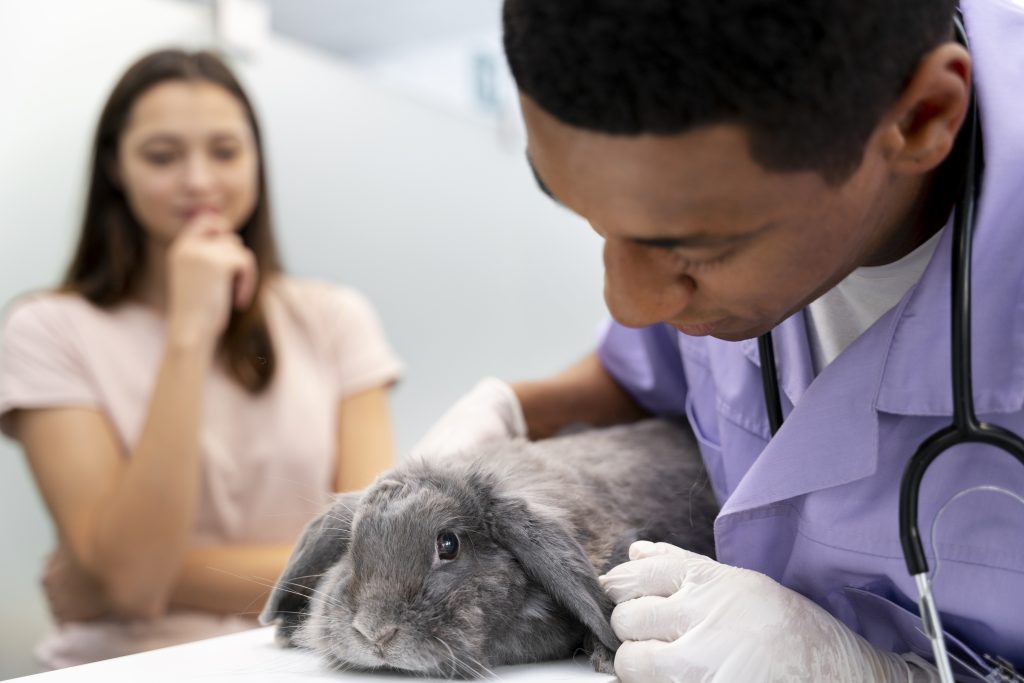
Hay refusal can escalate from a behavioral quirk to a medical emergency in hours. You need to know how to read the “output” of the gut to understand what’s happening inside.
Table 5: Diagnostic Guide to Hay Avoidance
| Clinical Sign | Probable Cause | Immediate Action Required |
| Teardrop/Tiny Feces | Dehydration or Low Fiber | Increase wet greens, monitor closely |
| Drooling (“Chincup”) | Molar spurs or root abscess | Schedule exotic vet dental exam |
| Severe Hunching | Acute GI Stasis | Immediate emergency vet visit |
The litter box is your daily diagnostic readout. Healthy droppings are large, round, and crumble like sawdust. A sudden shift to tiny, hard, or “linked” droppings (connected by hair) is the red alert for GI Stasis. If a rabbit roots around the hay but drops the stem while drooling, their teeth are razor-sharp. Move fast.
15. Switching Brands: How to Introduce New Hay Safely
Even within the same hay species, different brands or batches have different mineral and moisture profiles. A sudden swap can trigger gas and discomfort.
The Two-Week Mix-In Method:
- Days 1–4: 75% old hay, 25% new hay.
- Days 5–8: 50/50 mix.
- Days 9–12: 25% old hay, 75% new hay.
- Day 13+: 100% new hay.
Watch for changes in fecal size or behavior. If the droppings get small, slow the transition down. Again: the gut hates surprises.
16. Frequently Asked Questions (FAQ)
Is 3rd cut Timothy hay too soft for teeth?
Yes, if it’s the only thing a young, healthy rabbit eats. It’s like eating soft bread when you need to be chewing on celery. It lacks the rigid lignin and silica density required to file down molars. Use it only as a mix-in or for seniors.
Can my rabbit live on Orchard grass alone?
Absolutely. It shares a very similar nutritional profile with Timothy hay, boasting excellent fiber levels and safe calcium limits. It is a perfectly viable staple, especially for owners who are allergic to Timothy.
Why does my rabbit’s urine look white or “chalky”?
That white substance is precipitated calcium carbonate. Because Alfalfa and Clover are calcium-rich legumes, the body filters the massive excess straight through the kidneys. It’s a visual warning that you’ve overdone the legumes.
What does “dust-extracted” actually mean?
It’s a commercial processing step where hay passes through a vacuum or sieve system to suck out microscopic particles and field dirt before it hits the bag. Essential for sneezy rabbits.
How much hay is “unlimited”?
As a daily visual metric, a rabbit needs to consume a pile of loose hay roughly equal to the physical size of their own body every 24 hours. If the rack is empty, you failed.
17. Conclusion: Creating Your Rabbit’s Hay Strategy
Hay isn’t just a component of a rabbit’s diet—it is the biological foundation holding up every other health metric. Matching the right lignin-to-protein ratio to your rabbit’s specific life stage is active preventive healthcare. Understanding the mechanics—from phytoliths to the gastrocolic reflex—is the difference between an owner who “hopes” their pet stays healthy and a researcher who ensures they do.
Modern rabbit husbandry means sourcing long-stem fiber that respects the animal’s evolutionary history. According to research from the University of Nottingham, mimicking natural grazing habits is the true key to domestic longevity. Get the hay right, respect the biology, and the rest of the care plan generally follows.
You’ve got the data. Now, go check the litter box.
Medical & Veterinary Disclaimer: bunnyowners.com is an informational resource for rabbit owners and enthusiasts. We are not veterinarians. The content on this website is not a substitute for professional veterinary care, diagnosis, or treatment. Always seek the advice of your veterinarian with any questions you may have regarding your pet’s medical condition, diet, or overall health.