
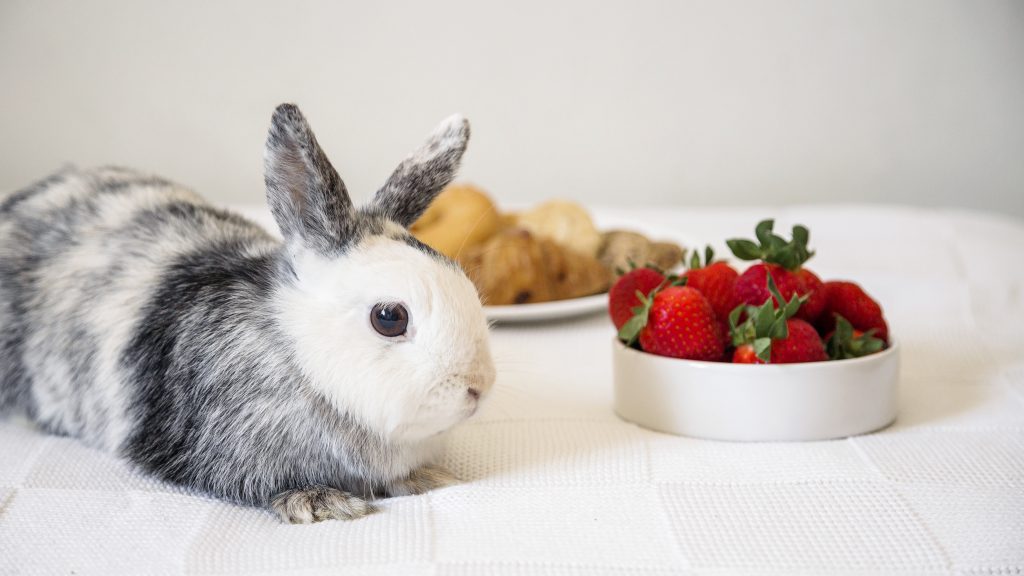
Disclaimer: The information provided on PoodleReport.com is for educational purposes only and does not constitute veterinary medical advice; always consult your vet before changing your dog’s diet. Additionally, this post contains affiliate links. As an Amazon Associate, and other affiliate advertising programs, I earn from qualifying purchases at no extra cost to you
Anyone who has ever lived with a rabbit knows the absolute truth: bunnies have a sweet tooth that rivals a child in a candy store. The mere sound of a refrigerator drawer opening is enough to send my two house rabbits, Mocha and Chino, into a frenzy, accurately anticipating that a refreshing snack might be on the horizon.This begs the question that every responsible owner asks: can rabbits eat fruit?
Yes, rabbits can safely eat fruit as an occasional treat, but their intake must be strictly limited to protect their highly specialized digestive systems. Because a bunny’s cecum is biologically engineered to ferment fibrous hay, processing complex sugars can rapidly destabilize their delicate gut flora and trigger dangerous gastrointestinal stasis. To safely manage their sweet tooth, clinical guidelines recommend offering a maximum of one to two tablespoons of low-sugar fruit per five pounds of body weight, just once or twice a week.
This guide will break down the science of why moderation is key, provide comprehensive safe and unsafe lists, and answer the biggest fruit myths circulating in the rabbit community.
The Golden Rule of Rabbit Digestion
The single most important concept to grasp about rabbit nutrition is that they are fibravores. Their entire digestive tract, specifically an organ called the cecum, is designed to ferment complex, fibrous material (like hay) through a delicate balance of healthy bacteria. They simply are not built to process simple sugars.
When a rabbit ingests too much sugar or starch (which fruit has in spades), it creates an imbalance in this gut flora. The harmful bacteria rapidly multiply, producing dangerous levels of gas and altering the pH of the cecum. This condition is the primary trigger for Gastrointestinal Stasis (GI Stasis), where the gut essentially shuts down. This is a life-threatening veterinary emergency that you can read about in depth on the House Rabbit Society website.
Because of this, the universal portion rule is strict: Limit fruit to 1 to 2 tablespoons per 5 pounds of adult body weight, and only offer it 1 to 2 times per week. Fruit should never make up more than 5% to 10% of their total weekly treat intake.
Lower-Sugar Safe Fruits
The best fruits to offer your rabbit are those with a lower sugar profile that also provide a boost of antioxidants or high hydration (crucial for urinary tract health). Berries and melons are generally fantastic options. When offering these fruits, remember to wash them thoroughly to remove any pesticide residue, as rabbits are highly sensitive to these chemicals, a topic well-documented by environmental groups like the EWG.
| Fruit | Safe Parts to Feed | Preparation & Tips | Primary Benefit |
| Blueberries | Whole berry (washed) | Offer 1–2 per treat. Great for foraging. | High antioxidants |
| Raspberries | Whole berry (washed) | Very delicate; often preferred mashed. | Vitamin C, fiber |
| Strawberries | Whole berry & green hull | Wash well; the leaves/stem are also safe. | Vitamin C, hydration |
| Watermelon | Red flesh and green rind | Remove all black and white seeds. Rind is less sugary. | Extreme hydration |
| Cantaloupe | Flesh and rind | Remove all seeds. Less messy than watermelon. | Vitamin A, hydration |
High-Sugar & Exotic Fruits
These fruits are also perfectly safe for rabbits, but they contain a significantly higher glycemic load. Think of these like a rich chocolate cake: amazing in tiny amounts, but debilitating if consumed in quantity. Feeding these fruits too often is a major contributor to pet obesity, which is cited by veterinary sources like VCA Animal Hospitals as a leading cause of related diseases like heart disease and arthritis. Exotic fruits like mango or kiwi are fine in theory, but offer only a blueberry-sized piece and monitor their stool carefully.
| Fruit | Safe Parts to Feed | Toxic Parts (MUST REMOVE) | Notes |
| Apple | Flesh and skin (washed) | All seeds and stem. Pits contain cyanide. | A quintessential bunny treat. |
| Banana | Fruit (peel is safe but rarely liked) | N/A | High potassium, very high sugar. |
| Grapes | Whole fruit (seedless) | All seeds must be removed if present. | High sugar. Cut in half. |
| Pear | Flesh and skin (washed) | All seeds and stem. Pits contain cyanide. | Very soft texture for older bunnies. |
| Mango | Flesh (peeled) | The large pit/seed and skin. | Treat as a high-sugar bomb. |
| Peaches/Plums | Flesh only | The hard pit/stone. | Stone fruits are highly risky due to pits. |
| Cherries | Flesh only | Pit/stone and stem. | Pits are a severe choking/toxin risk. |
Fruits to Never Feed (Strictly Forbidden)
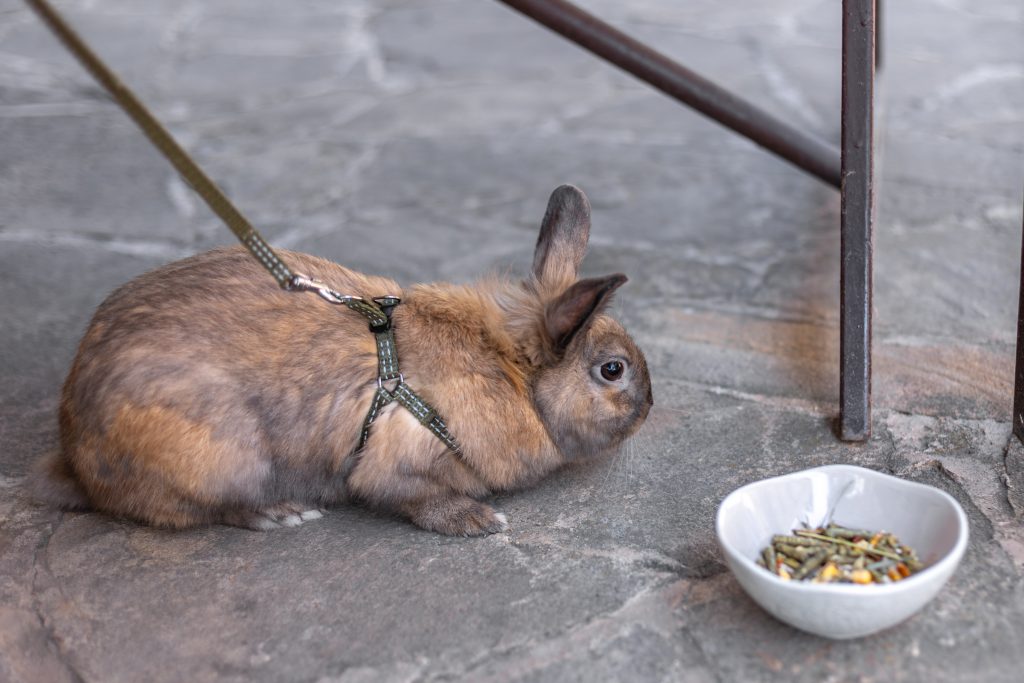
Some fruits are outright toxic, or their natural composition makes them too dangerous for a rabbit’s fragile gut. While the fruit itself may sometimes be safe, specific parts are deadly. For a complete list of what is toxic to animals, always refer to a trusted source like the ASPCA Animal Poison Control Center.
- Avocado: This fruit is toxic to rabbits. It is too high in fat, which their cecum cannot process, and it contains persin, which causes cardiac distress.
- Rhubarb: This plant contains extreme levels of oxalates and is completely toxic to rabbits.
- Fruit Pits and Seeds (Cyanide Risk): The pits and seeds of apples, peaches, apricots, plums, cherries, and pears all contain compounds that create cyanide when ingested. They are also severe choking hazards and should always be completely removed.
- Dried Fruit: Never feed raisins, dried cranberries, or dried apricots to a rabbit. Removing the water concentrates the sugar to dangerous levels. Dried fruit can also get glued to rabbit teeth, leading to severe dental disease.
The Great Hairball Debate: Pineapple and Papaya
A massive myth in the rabbit community surrounds this question: “Can rabbits eat pineapple or papaya to dissolve hairballs?”
The origin of this myth lies in the enzymes these fruits contain: bromelain (in pineapple) and papain (in papaya). Historically, it was believed that these enzymes could dissolve a hairball (trichobezoar). However, current veterinary understanding is that these enzymes do not break down hair itself. What they might do is help break down the sticky, mucous matrix holding the hair together, potentially easing its passage.
The reality is that the high sugar content of fresh pineapple or papaya often outweighs any enzyme benefit, as the sugar can exacerbate the GI stasis that a large hairball causes. The only true cure for avoiding hairballs is constant access to unlimited fresh hay and clean water, which keep gut motility high. If you are concerned about hairballs, contact an exotic vet immediately for proper advice, not a fruit smoothie.
How to Safely Prepare Fruit and Enrichment Hacks
If you are giving your rabbit a fruit they have never eaten before, offer only a tiny piece, about the size of a single blueberry. Then, wait 24 hours. Monitor their droppings. If their stool becomes soft or they produce watery cecotropes, stop feeding that fruit immediately. If all is well, you can gradually increase it to the standard tablespoon amount.
Instead of just dropping a piece in a bowl, use the strong scent of fruit to create foraging enrichment:
- The Summer Ice Block: Freeze a single blueberry or small slice of melon inside a water bowl block. As the rabbit drinks and the ice melts, they are rewarded with a treat.
- Syringe Trick: A brilliant trick for administering necessary medication is placing a tiny smear of mashed banana or strawberry on the tip of the syringe. It is the only way I can successfully trick Mocha into taking a liquid antibiotic without a wrestle.
- The Forage Box: Hide 1–2 strawberries inside a box of clean hay, forcing them to use their nose to find the prize.
Fresh vs. Frozen vs. Canned: Which is Safe?
Clarifying how preparation changes the safety of the fruit is incredibly important.
- Fresh Fruit: This is always the gold standard. It contains natural water content and intact fibers. Always wash thoroughly to remove pesticides.
- Frozen Fruit: Plain, frozen fruit (like bagged blueberries or strawberries) is generally safe and makes a great crunchy treat on a hot day. However, always check the ingredient list to ensure no artificial syrups or sugars were added. Let it thaw slightly before feeding to prevent it from sticking to their tongue.
- Canned Fruit: Absolutely not. Canned fruits are almost universally soaked in heavy syrups or artificial juices that skyrocket the sugar content to lethal levels for a rabbit’s gut. Even fruits canned in “100% water” are often stripped of their vital nutrients. For more on the dangers of processed and high-sugar diets in small herbivores, the Veterinary Information Network (VIN) offers stark warnings about dental decay.
Age Matters: Can Baby Rabbits Eat Fruit?
It is incredibly tempting to hand a tiny, eight-week-old bunny a slice of sweet banana, but doing so is one of the most dangerous mistakes a new owner can make. A rabbit’s age completely dictates their digestive capabilities.
- Baby Rabbits (Under 12 Weeks): Zero fruit. At this fragile stage, a kit’s cecum and gut flora are still rapidly developing. Introducing any complex sugars or watery fruits before 12 weeks can trigger severe, often fatal, diarrheal diseases like enteritis. When raising tiny kits, treats should be strictly limited to fresh, fragrant alfalfa hay.
- Adolescents (3 to 7 Months): This is the safe introduction phase. You can begin offering microscopic, blueberry-sized tastes of the lower-sugar fruits mentioned above. The 24-hour stool monitoring rule is absolutely critical during these months.
- Senior Rabbits (6+ Years): As bunnies enter their golden years, their metabolism naturally slows down. That standard tablespoon of fruit might start packing on unwanted weight. Older rabbits with dental disease might also struggle with harder treats like apple slices, so adapting to softer options like a mashed raspberry keeps them safe. The veterinary experts at Oxbow Animal Health provide fantastic, science-backed life-stage feeding guides.
The Warning Signs: Did My Rabbit Eat Too Much Fruit?

Even the most diligent owner might accidentally drop a large piece of banana, only to watch their rabbit vacuum it up in two seconds. If you suspect your rabbit has overindulged in fruit, watch them closely for the next 12 to 24 hours. The sudden influx of sugar will disrupt their cecum, often leading to:
- Uneaten Cecotropes: Too much sugar makes these nutrient-rich pellets unpleasantly mushy and sticky, often resulting in “poopy butt” (where the soft stool mats in their fur).
- Lethargy and Hiding: A rabbit with gas pain will often press their belly flat against the floor, grind their teeth loudly, or hide in a dark corner.
- Loss of Appetite: If they refuse their favorite hay or standard pellets, their gut flora is likely in distress.
- Small or Misshapen Poops: A healthy rabbit drops large, round, crumbly, golden-brown poops. Tiny, dark, strung-together, or liquid poops are a major red flag.
If any of these symptoms appear and last for more than a few hours, do not wait. A sugary gut imbalance can quickly cascade into full GI Stasis. Contact an exotic vet immediately, or refer to emergency triage guidelines from the Rabbit Welfare Association & Fund (RWAF).
FAQ
- Q: Can rabbits eat fruit skins and peels?A: Yes, the skin of apples and pears is safe and contains beneficial fiber, provided it is washed well. However, you should avoid citrus peels (like oranges or lemons), which are highly acidic and contain essential oils that can irritate their gut.
- Q: Can I give my rabbit fruit juice?A: Never. Juicing fruit removes all of the vital fiber and leaves only a massive, concentrated sugar bomb. This is almost guaranteed to cause cecal dysbiosis.
- Q: Are citrus fruits like oranges safe?A: Technically yes, the flesh is safe in tiny amounts. However, they are highly acidic and the strong smell deters most rabbits anyway. It is best to stick to the standard safe lists.
Conclusion
Ultimately, while your rabbit might act as though they haven’t eaten in weeks the second a piece of fruit appears, it is up to you to be the responsible gatekeeper of the fruit bowl. Fruit should always remain a carefully portioned, occasional treat rather than a dietary staple. By prioritizing high-fiber hay and leafy greens, and treating sugary snacks like the dietary equivalent of a decadent dessert, you protect their incredibly delicate digestive system from life-threatening imbalances.
Stick to safer, lower-sugar options like berries for routine rewards, triple-check your preparation to remove any toxic pits or seeds, and always introduce new foods at a glacial pace. When fed correctly, fruit is an unbeatable way to bond with your pet.
Medical & Veterinary Disclaimer: PoodleReport.com is an informational resource for Poodle owners and enthusiasts. We are not veterinarians. The content on this website is not a substitute for professional veterinary care, diagnosis, or treatment. Always seek the advice of your veterinarian with any questions you may have regarding your pet’s medical condition, diet, or overall health.