
Disclaimer: The information provided on PoodleReport.com is for educational purposes only and does not constitute veterinary medical advice; always consult your vet before changing your dog’s diet. Additionally, this post contains affiliate links. As an Amazon Associate, and other affiliate advertising programs, I earn from qualifying purchases at no extra cost to you
When the summer heat rolls in and the stone fruits hit the farmer’s market, it is natural to want to share the bounty with your pets. Peaches are among the most fragrant and enticing fruits available, but for a rabbit owner, they represent a significant nutritional crossroad. I approach every new food through the lens of a researcher. While peaches are not toxic in their fleshy form, their high sugar content makes them a “biological wildcard” for a digestive system built strictly for fiber.
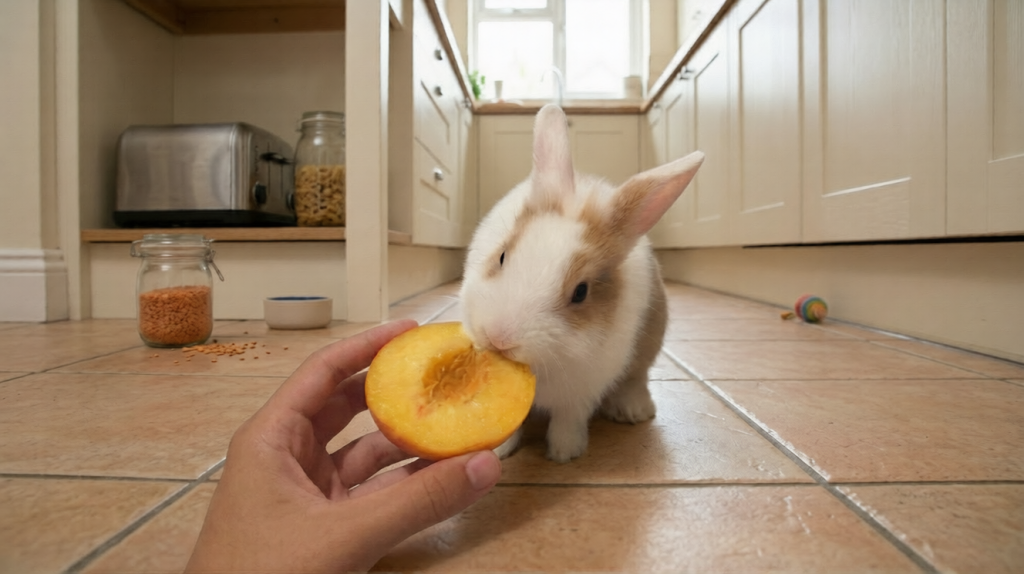
Yes, rabbits can safely eat peaches in small quantities, provided you only feed the flesh and skin. A safe serving size is 1–2 teaspoons per 2 lbs of body weight, offered no more than once or twice a week. You must remove the pit, leaves, and stems, as they contain amygdalin, which can release toxic cyanide. Always wash the peach thoroughly to remove pesticides and ensure it is pitted before serving.
Most advice on the web offers a surface-level “yes, but remove the pit” answer. However, providing superior care requires addressing a few critical details that often go unmentioned. To keep your rabbit truly safe, we are focusing on the specifics: the high toxicity of fresh foliage, the exact curing time needed for peach wood, and the strategic use of fruit for administering medication.
This guide provides the comprehensive information you need to move beyond the basics and care for your bun with total confidence.
The Nutritional Breakdown: What’s Inside?
Peaches are more than just sugar; they offer a decent array of vitamins that support rabbit physiology. They are particularly high in Vitamin A, which is essential for vision and skin health, and Vitamin C, which acts as an antioxidant. They are also a great source of potassium, which supports muscle and heart function. However, the VCA Animal Hospitals warns that the high water and sugar content can be a double-edged sword for sensitive guts.
Peach Nutrition Facts (Per 100g)
| Nutrient | Amount | Benefit for Rabbits |
|---|---|---|
| Water | 89% | Hydration and kidney flush |
| Sugar | 8.4g | Energy (Must be limited!) |
| Fiber | 1.5g | Digestive motility |
| Vitamin A | 326 IU | Immune system & Vision |
| Vitamin C | 6.6mg | Antioxidant support |
| Potassium | 190mg | Nerve and muscle function |
While peaches are an excellent high-value reward, they are only a small part of a healthy lagomorph lifestyle. To ensure you’re hitting the correct balance of long-strand fiber, high-quality pellets, and daily leafy greens, explore my extensive research in these Rabbit Diet and Food Guides to build a solid nutritional foundation.
The Amygdalin Danger: Pit, Leaves, and Bark
The most dangerous part of a peach isn’t the sugar—it’s the cyanide. Members of the Prunus genus produce amygdalin, a cyanogenic glycoside. When fresh leaves or the pit are crushed or chewed, they release hydrogen cyanide. Data from the RSPCA suggests that dietary variety is key, but “wild” foraging near stone-fruit trees requires extreme caution. Fresh peach foliage is strictly off-limits and can lead to rapid respiratory failure if consumed in large quantities.
The Wood-Curing Gap: Turning Danger into Enrichment
One area where many guides fail is the discussion of peach wood. Many owners are told it is toxic and should be avoided entirely. However, my research into lagomorph enrichment shows that peach wood can be an excellent chew toy if processed correctly. The key is the drying time. By cutting branches and allowing them to “cure” in a dry, sunlit area for at least 60 days, the amygdalin levels drop significantly as the wood dries out.
As an owner, you should only offer wood that has completely lost its “green” inner hue. This provides a hard, fibrous surface that is essential for wearing down those ever-growing teeth. It is this level of detail that separates a casual owner from a dedicated researcher.
Parts of the Peach Tree – Safety Status
| Part | Status | Reason |
|---|---|---|
| Flesh | Safe | High sugar, feed as treat only |
| Skin | Safe | Highest fiber content; wash well |
| Pit (Seed) | Toxic | Cyanide risk and choking hazard |
| Fresh Leaves | Toxic | High cyanide levels |
| Fresh Wood | Toxic | Amygdalin risk |
| Dried Wood (60d) | Safe | Great for dental wear |
Serving Sizes: The 5% Rule
How much is too much? Peaches should account for no more than 5% of a rabbit’s total diet. Overfeeding fruit can lead to cecal dysbiosis, where “bad” bacteria in the gut feast on the sugar, causing gas and soft stools. The Merck Veterinary Manual notes that sudden changes in the cecal pH can trigger GI stasis. For a standard 5lb rabbit, a piece the size of your thumb (about 1−2 tablespoons) once or twice a week is the maximum.
The “Med-Peach” Strategy: Strategic Sweets
One of the most useful applications for a juicy peach is medication administration. Rabbits are notoriously difficult to medicate, often engaging in “bunny boxing” when a syringe appears. If you have a rabbit on a long-term pill or a bitter liquid suspension, the strong scent and sweetness of a mashed peach can be a lifesaver. My rabbit, Mocha, recently required a round of antibiotics, and while he fought the syringe, he happily licked the “medicine-peach mash” off a flat plate without a second thought. This trick exploits the rabbit’s natural sweet tooth to reduce the stress of medical care.
Processed vs. Fresh: Navigating the Grocery Aisle
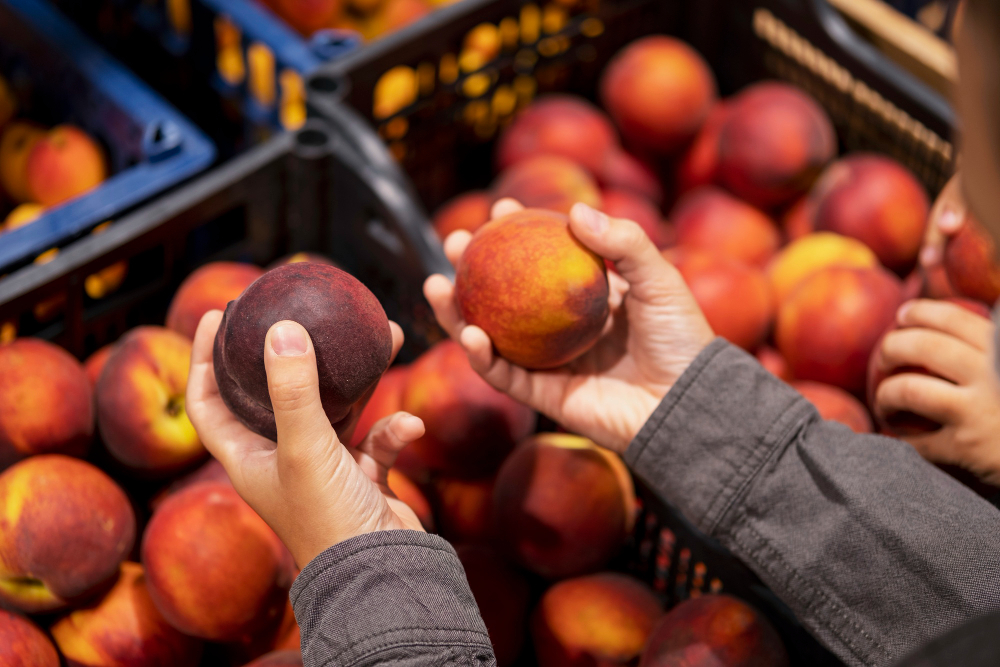
A well-informed owner knows that “peach-flavored” is not the same as a peach. Canned peaches are stored in heavy syrup or “natural” juice that has been concentrated, creating a sugar bomb that can shut down a rabbit’s digestive tract. Similarly, dried peaches concentrate sugar and should be avoided unless they are 100% unsweetened and fed in very small pieces. According to the Rabbit Welfare Association & Fund, fresh is always superior to any processed alternative.
Peach Product Safety Comparison
| Type | Safe? | Why or Why Not? |
|---|---|---|
| Fresh Peach | Yes | Natural sugar, high moisture |
| Frozen Peach | Yes | Safe if thawed; no additives |
| Canned (Syrup) | No | Dangerously high sugar levels |
| Canned (Juice) | No | Too much concentrated fructose |
| Dried (No Sugar) | Yes | Feed 1/2 the normal serving size |
| Peach Jam | No | Added sugars and preservatives |
Common Mistakes: The “Fuzz” and the “Baby”
The most frequent error in stone fruit supplementation is offering peaches to baby rabbits. A juvenile rabbit’s gut microbiome is exceptionally fragile; they are still in the process of stabilizing their internal pH levels to handle complex sugars. Introducing high-acidity fruits before the cecum is fully developed (typically before 12 to 14 weeks) can lead to fatal enteritis.
Another common misconception involves the texture of the fruit. Many owners meticulously peel the peach, worrying that the “fuzz” presents a choking hazard. In reality, the skin is where a significant portion of the fruit’s fiber resides. For an adult rabbit, the skin is perfectly safe and helps offset the sugar hit with necessary roughage. Consider prioritizing the skin for that extra “snap” during treat time.
Variety is the spice of life, but in the rabbit world, variety requires a bit of homework. If you’re wondering how peaches compare to other orchard finds or which summer treats should stay off the menu entirely, my 2026 Safe and Unsafe Fruit Guide provides a complete breakdown to keep your treat rotation scientifically sound.
Prep Guide: How to Serve a Peach
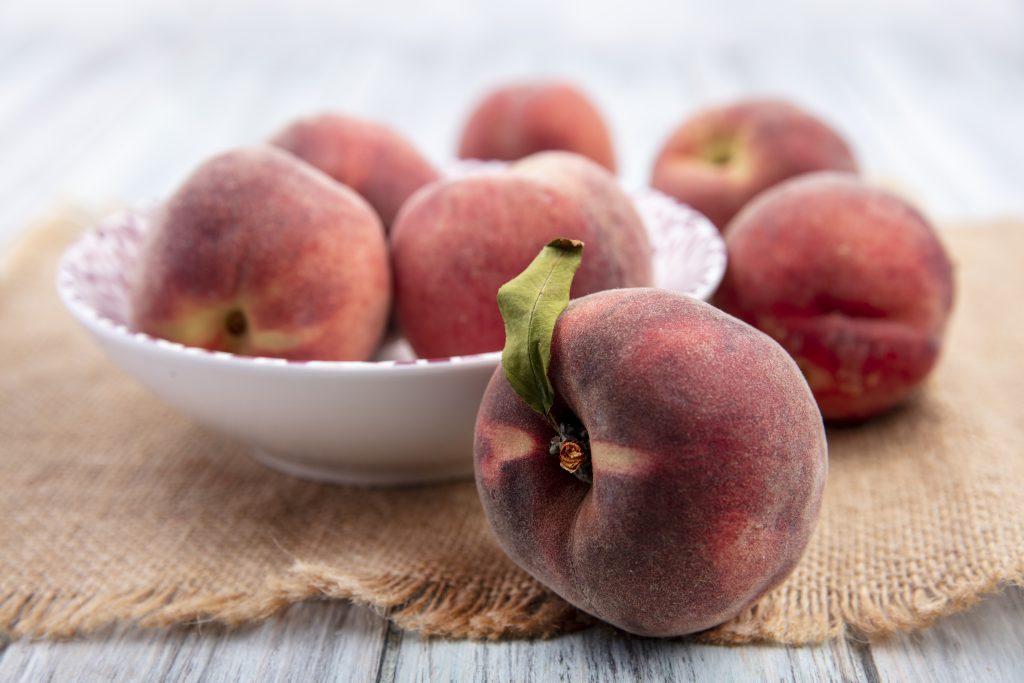
To ensure maximum safety and maintain a controlled nutritional environment, follow this standardized preparation protocol:
- Wash Thoroughly: Strip away pesticides and potential “stowaway” bugs that could introduce parasites.
- Remove the Pit and Stem: The pit is the primary source of amygdalin. The Merck Veterinary Manual notes that intestinal blockages are a leading cause of emergency visits.
- Keep the Skin: Retain the skin for the fiber content.
- Slice into Small Cubes: Aim for 1cm cubes. This prevents “bolting” behavior and allows you to monitor the rabbit while they eat.
- Serve at Room Temperature: Cold fruit can occasionally cause a “chill” to the digestive tract, slowing down motility.
When to Worry: Signs of Sugar Distress
As a informed owner, you must be diligent about monitoring the “output.” If you observe any of the following signs within 24 hours of a peach treat, pause all fruit and “treat” vegetables immediately:
- Soft Cecotropes: Clumpy, pungent stools that stick to the fur. This indicates that sugar has disrupted the cecal flora.
- Loud Gut Noises: Aggressive gurgling or “borborygmi” can indicate painful gas buildup.
- Lethargy: If your rabbit remains in a tightly hunched position for more than an hour, they may be experiencing abdominal cramping.
- Refusal of Hay: This is a behavioral red flag. If a rabbit ignores their vital fiber source in anticipation of more fruit, you have a nutritional issue.
FAQ: Frequently Asked Questions
Can rabbits eat nectarines? Yes. Nectarines are essentially “fuzz-less” peaches and share the same nutritional profile and safety rules. Some rabbits actually prefer nectarine because they are slightly firmer.
Is it okay if my rabbit ate a small piece of the pit? This is a potential medical emergency. Contact your vet immediately, as the pit contains cyanide. Watch for rapid breathing or bright red mucous membranes.
Do peaches cause diarrhea? They can if overfed. The high water and sugar content can lead to soft stools. If this happens, return to a hay-only diet for 24 hours.
Can I use peach juice to flavor water? No. It encourages a “sweet tooth” and can lead to dental decay. Stick to fresh, clean water for hydration.
Are wild peaches safe? Only if you are 100% sure the tree hasn’t been sprayed with chemicals and you have correctly identified the tree species.
Conclusion: The Balanced Treat
Peaches are a safe, delightful way to bond with your rabbit, provided you respect the biological boundaries of their digestive system. By sticking to the flesh and skin, avoiding the toxic wood and leaves, and following strict serving sizes, you can enjoy a “peachy” summer with your bun.
I prioritize the hay-to-treat ratio above all else. My rabbits Mocha and Chino might beg for more, but their longevity depends on your ability to say “no” to that second slice. Keep the pits away, keep the skin on, and keep your bunny hopping!
Medical & Veterinary Disclaimer: PoodleReport.com is an informational resource for Poodle owners and enthusiasts. We are not veterinarians. The content on this website is not a substitute for professional veterinary care, diagnosis, or treatment. Always seek the advice of your veterinarian with any questions you may have regarding your pet’s medical condition, diet, or overall health.