
Disclaimer: The information provided on bunnyowners.com is for educational purposes only and does not constitute veterinary medical advice; always consult your vet before changing your dog’s diet. Additionally, this post contains affiliate links. As an Amazon Associate, and other affiliate advertising programs, I earn from qualifying purchases at no extra cost to you
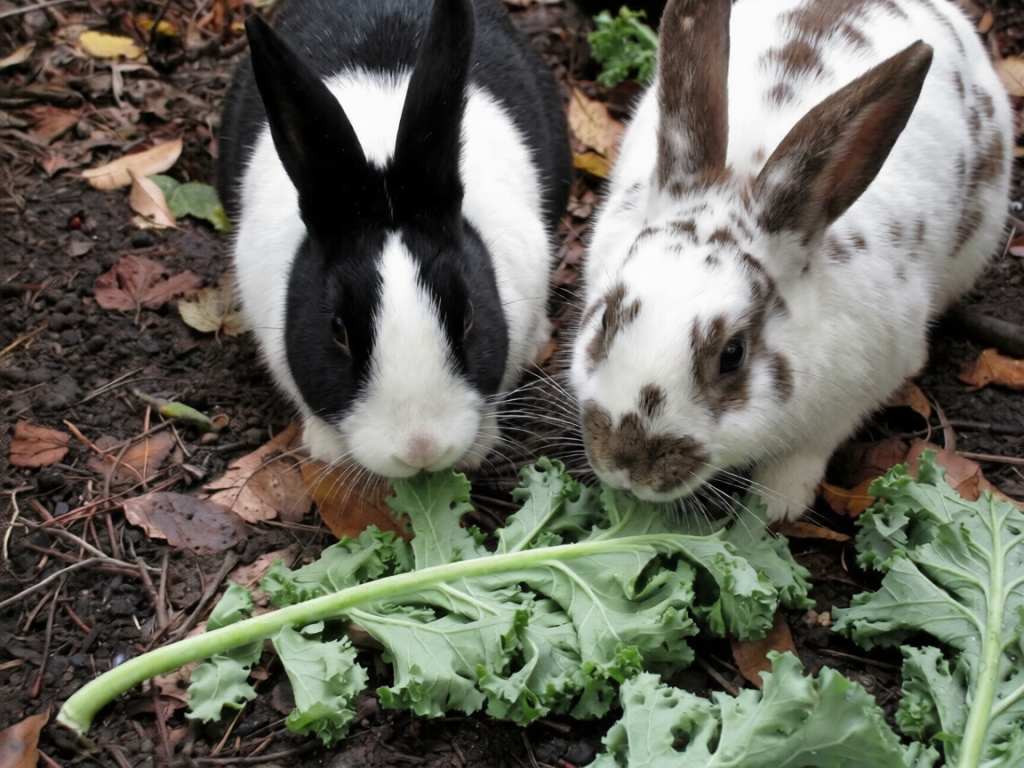
Strolling through the organic produce aisle, it is hard to ignore the “superfood” status kale has claimed in our own diets. While the fibrous leaves look like a nutrient-dense prize for a hungry pet, the unique metabolic requirements of a rabbit’s system often tell a more nuanced story than a glossy health magazine. Observing the dietary habits of my rabbits, Mocha and Chino, has shown that even the crunchiest greens require a data-driven approach, leading every cautious owner to ask: Can a rabbit eat kale?
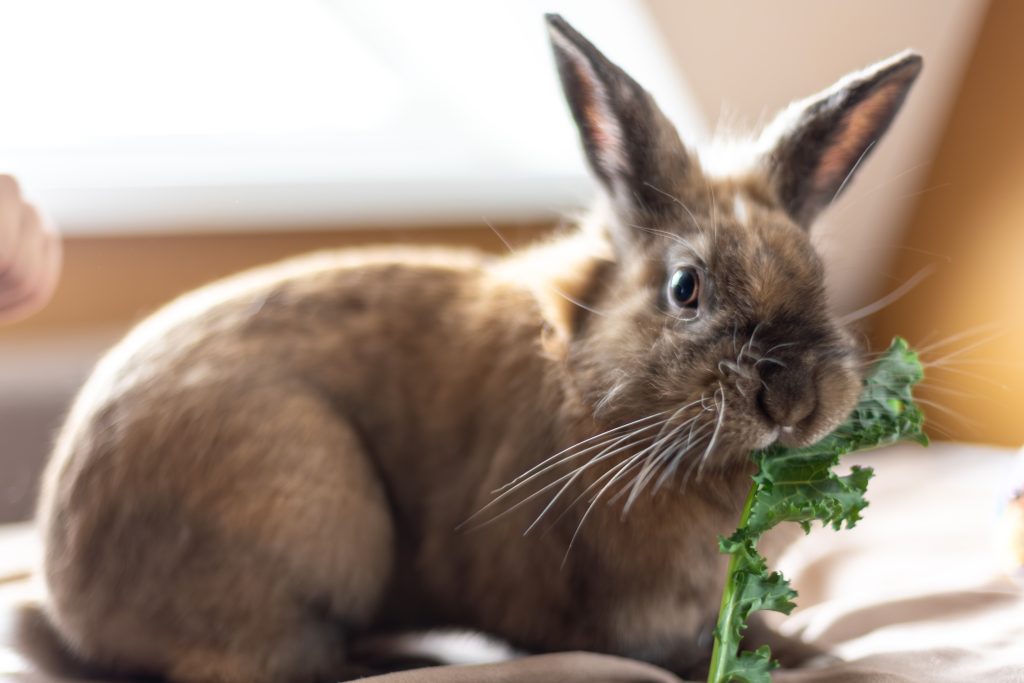
Yes, rabbits can eat kale, but it should be served as a rotational treat rather than a daily staple. While this leafy green is rich in essential vitamins A and K, its high calcium content can lead to bladder sludge and kidney issues if overfed. To maintain optimal health, offer your rabbit small portions of kale only two to three times per week alongside a variety of low-calcium greens.
The answer is far more nuanced than a simple “yes,” involving a complex interplay of high calcium levels and hidden goitrogens. By analyzing the data behind the crunch, we can determine how to safely integrate this leafy green into a balanced rotation without risking your rabbit’s long-term health. Let’s look at the facts to see if kale truly deserves a permanent spot in your rabbit’s bowl.
The Metabolic Speed Limit: Is Kale a Safe Daily Staple?
Understanding kale safety requires looking at how a rabbit’s metabolism processes dense nutrients. While non-toxic and vitamin-rich, its high calcium and goitrogen levels prevent it from being a “free-pass” food. In a balanced diet, kale serves as a supplemental accent—never a replacement for the essential, high-fiber foundation of Timothy hay.
Mimicking Wild Foraging Patterns
In the wild, rabbits are opportunistic foragers, consuming a wide variety of grasses, weeds, and occasionally leafy plants. They rarely encounter a mono-crop of dense brassicas like kale, which means their systems aren’t evolved to process it in high volumes daily. In a domestic setting, we have to replicate that variety manually to prevent nutritional imbalances.
The 75/25 Rule
According to the House Rabbit Society, a rabbit’s diet should consist of at least 75% high-quality hay. The remaining percentage should be a mix of pellets and fresh greens. When we introduce kale into that 25%, we must ensure it doesn’t crowd out lower-calcium options that are necessary for long-term renal health. It is an accent piece, not the main course.
Data-Driven Greens: The Nutritional Blueprint of Kale
From a purely analytical perspective, kale is a powerhouse. It offers a dense profile of antioxidants that support everything from immune function to bone density. However, the very nutrients that make it a human superfood can be “too much of a good thing” for a rabbit.
| Nutrient | Benefit for Rabbits | Potential Risk |
| Vitamin K | Essential for blood clotting and bone health. | Low risk in standard doses. |
| Vitamin A | Supports vision and healthy skin. | Toxicity is rare but possible with over-supplementation. |
| Calcium | Vital for teeth and skeletal structure. | High Risk: Leads to bladder sludge and stones. |
| Fiber | Keeps the complex digestive system moving. | Low risk; essential for gut motility. |
The Antioxidant Shield
Kale is rich in beta-carotene and lutein. These antioxidants help combat oxidative stress, which is particularly important for aging rabbits. By including small amounts of kale, you are essentially providing a natural multivitamin that supports cellular health and keeps their eyes bright and their coats lustrous.
The Competitive Landscape: How Kale Ranks Against Other Greens
Each owner must evaluate the “Calcium-to-Oxalate” ratio, as this determines how much of the mineral is available to form dangerous stones. Managing these mineral levels is the cornerstone of a healthy rabbit’s life. For a deeper dive into the science of hay, pellets, and treats, browse our complete archive of Rabbit Diet & Food research.
| Vegetable | Calcium Content | Oxalate Content | Recommended Frequency |
| Kale | High | Low | 2-3 times per week |
| Spinach | High | Extremely High | Rare treat only |
| Romaine Lettuce | Low | Low | Daily staple |
| Cilantro | Moderate | Low | Daily staple |
| Parsley | High | Moderate | Rotational only |
Decoding the Ratios
While spinach is often vilified for its oxalates, kale’s primary concern is its sheer calcium density. In a rabbit’s metabolic system, even low-oxalate greens can cause issues if the calcium concentration is high enough to saturate the urine.
The Calcium Paradox: Why High Mineral Content Requires Caution
One of the biggest gaps in standard pet care advice is the conflation of calcium and oxalates. Many older resources claim kale is high in oxalates (which can cause kidney stones), but modern analysis tells a different story.
How Rabbit Kidneys Process Calcium
Rabbits are unique because they absorb almost all the calcium they ingest, regardless of their body’s current needs. Most mammals only absorb what they need and discard the rest through feces. Rabbits, however, excrete the excess through their bladder. This is why you may sometimes see white, chalky urine—that is the body attempting to purge surplus minerals.
Oxalates vs. Calcium: Clearing the Confusion
As noted by the VCA Hospitals, an overabundance of calcium can lead to “bladder sludge”—a thick, gritty accumulation—or painful stones. This is the physiological “speed limit” for kale consumption.
Comparing Cultivars: Curly, Lacinato, and Red Russian
Most pet owners assume “kale is kale,” but the nutritional density varies significantly by variety. When I’m at the market, I look for three common types, as their fiber-to-calcium ratios differ. In my own research at home, I’ve noticed Chino is a “vacuum eater” who prefers the aggressive crunch of curly kale, while Mocha is far more discerning, often waiting for the softer Red Russian leaves to be served before she even considers a bite.
- Curly Kale: The most common variety. It has a high surface area and excellent fiber, but it is often the most bitter and can be slightly higher in calcium.
- Lacinato (Dino) Kale: This has a flatter surface and a deep blue-green color. It is generally considered slightly lower in calcium than the curly variety, making it a safer rotational choice.
- Red Russian Kale: This variety is sweeter and softer, making it a great choice for senior rabbits or those with minor dental issues who struggle with the tougher, woody stems of other cultivars.
The Thyroid Factor: Understanding Goitrogens
A topic often skipped over in basic guides is the presence of goitrogens in kale. Goitrogens are naturally occurring compounds found in brassicas that can, in theory, interfere with thyroid function by inhibiting iodine uptake.
What are Goitrogens?
Goitrogens are chemicals that can cause the thyroid gland to enlarge by making it difficult for the gland to produce necessary hormones. While the Royal Society for the Prevention of Cruelty to Animals (RSPCA) suggests that the risk of goitrogen-induced hypothyroidism is low in rabbits who eat a varied diet, it remains a compelling reason to keep kale as a “rotational” green.
The Iodine Inhibition Mechanism
If a rabbit’s diet is already low in iodine and they are fed high amounts of kale daily, their thyroid function could suffer, leading to metabolic slowing and weight gain. Most commercial pellets are fortified with iodine to prevent this, but relying on kale as a primary food source is still a strategic error.
Transition Protocols: Introducing New Greens Safely
If your rabbit has never tried kale, don’t just dump a bowl in their enclosure. Rabbits have a highly sensitive hindgut where the cecum—the fermentation vat—resides. To avoid a digestive upset, you must introduce new foods with the precision of a controlled trial.
The Postage Stamp Rule
Start with a piece of kale no larger than a square inch. This allows the bacteria in the cecum to adjust to the new enzymes required to break down the brassica without causing a massive gas spike.
Identifying a “Gut-Quake”
Monitor your rabbit for the 24 hours following the first taste. Are they still eating their hay? Most importantly, are their fecal pellets normal? If you notice any softening or a decrease in output, the kale is moving through too fast or causing fermentation issues.
Indicators of Concern: Identifying Digestive Disruptions
The litter box is the most honest health report a rabbit provides. According to Cornell University’s College of Veterinary Medicine, the rabbit digestive tract is a delicate balance of fermentation that can be easily disrupted by sudden dietary shifts. When a rabbit overindulges in kale or other dense brassicas, the resulting shift in gut motility can be dangerous. Because rabbits cannot vomit, any slowdown allows hair and food to accumulate, leading to bacterial gas production and painful bloating.
Monitor your bunny for these signs that kale may be overwhelming their specific internal chemistry:
The “Poop Pause”: Any reduction in the size, frequency, or texture of fecal pellets is a signal of Gastrointestinal (GI) Stasis. If this occurs after a heavy kale feeding, it is a clear sign that the fiber-to-green ratio is out of sync.
Abdominal Distension: If a rabbit sits in a hunched position and refuses treats, they may be experiencing gas. Brassicas like kale contain complex sugars (raffinose) that some rabbits process inefficiently, leading to painful bloat.
Sludge Detection: If urine becomes thick, white, or gritty, the high calcium content of the kale is overwhelming the renal system. This requires immediate dietary adjustment to prevent stones or urinary tract infections.
Nutritional Pitfalls: Avoiding Strategic Feeding Mistakes
Even with the best intentions, it is easy to stumble when incorporating kale into a long-term plan.
- The “Mono-Green” Trap: Feeding kale as the only fresh green prevents necessary variety.
- Pesticide Residues: Leafy greens often hold pesticide residues. The Environmental Working Group (EWG) frequently lists kale near the top of the “Dirty Dozen.” Always triple-wash kale or buy organic.
- The Alfalfa Overlap Error: If your rabbit is young and eating Alfalfa hay, adding kale is a recipe for a calcium crisis. Sticking to Timothy hay as the foundation is essential before introducing dense brassicas.
The Synergistic Salad: Strategic Pairings to Balance Mineral Load
Because kale is mineral-heavy, it should never stand alone. When I’m prepping the nightly bowl for Mocha and Chino, I look for “synergistic pairings”—vegetables providing high hydration and low calcium to dilute the impact of the nutrient density. While kale is a specific piece of the puzzle, knowing which leafy greens provide the most value without the metabolic risks is essential for any responsible owner. For a comprehensive ranking of safe options, consult our guide on the Best Vegetables for Rabbits.
| Weekday | Primary Green (Daily) | Secondary Green (Rotational) | Researcher’s Note |
| Monday | Romaine Lettuce | Cilantro | High-fiber baseline |
| Tuesday | Romaine Lettuce | Kale | Monitor for chalky urine |
| Wednesday | Butterhead Lettuce | Parsley | Shift in flavor profile |
| Thursday | Romaine Lettuce | Cucumber | High hydration day |
| Friday | Romaine Lettuce | Kale | End-of-week vitamin boost |
| Saturday | Mixed Field Greens | Bell Pepper | Low-calcium “rest” day |
| Sunday | Romaine Lettuce | Cilantro | Reset for the new week |
The Hydration Strategy
Since rabbits excrete calcium through their urine, keeping their water intake high is the best defense against stones. Pair kale with cucumbers or bell peppers to ensure their kidneys are well-flushed. According to the RWAF (Rabbit Welfare Association & Fund), providing a “cocktail” of different greens is the most effective way to prevent toxicity.
FAQ: Common Kale Queries
Can rabbits eat kale every day?
It is not recommended. Aim for kale no more than two to three times per week to prevent bladder sludge.
What should I do if my rabbit eats an entire bunch of kale?
Remove all remaining greens and provide only Timothy hay and plenty of water for 48 hours. Monitor their litter box habits closely to ensure no GI Stasis occurs.
Is kale better for rabbits than spinach?
Generally, yes. While both are high in calcium, spinach is significantly higher in oxalates, which are more directly linked to the formation of bladder stones.
Conclusion: The Balanced Bowl
Kale is a fantastic tool in your rabbit-care toolkit, but it must be used with precision. It provides a burst of vitamins that can keep a rabbit’s coat shiny and their eyes bright, but its high calcium and goitrogen content means it cannot be the foundation of their diet.
By treating kale as a rotational supplement and keeping an eye on the “data” provided by your rabbit’s litter box, you can safely enjoy watching them crunch away on this garden favorite. After all, a happy bunny is a well-fed bunny—provided they aren’t outsmarting you for an extra serving of the “good stuff.”
Medical & Veterinary Disclaimer: bunnyowners.com is an informational resource for rabbit owners and enthusiasts. We are not veterinarians. The content on this website is not a substitute for professional veterinary care, diagnosis, or treatment. Always seek the advice of your veterinarian with any questions you may have regarding your pet’s medical condition, diet, or overall health.