
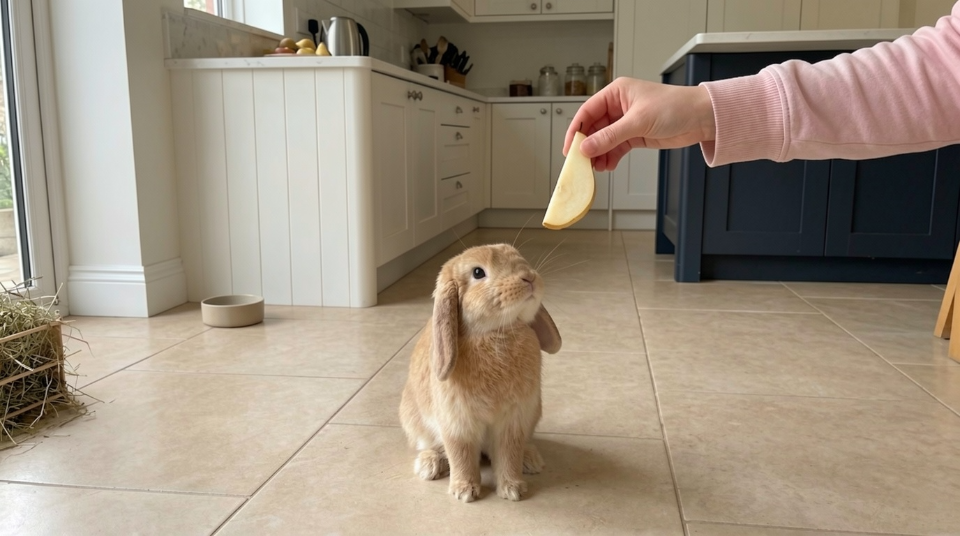
In the world of rabbit husbandry, every snack is a calculated risk. If you’re standing in your kitchen wondering if that slice of Anjou is a safe gift for your long-eared roommate, you aren’t just a pet owner—you’re a lead investigator in the lab of lagomorph health. I treat fruit as a biological luxury rather than a daily staple. My own rabbits, Mocha and Chino, often look at me with the expectation of a five-star dessert, but I know that their delicate systems operate on a very specific set of rules.
Yes, rabbits can eat pears in moderation as an occasional treat. Pears are non-toxic and provide beneficial fiber, Vitamin C, and Potassium. However, they are high in sugar, which can disrupt the pH balance of a rabbit’s digestive tract if overfed. You must always remove the seeds, as they contain trace amounts of cyanide, and limit servings to one or two teaspoons per two pounds of body weight.
While most surface-level pet blogs simply give a green light, a deeper audit of the pear’s chemical makeup reveals that not all parts of the fruit—or even all varieties—are created equal. To truly optimize your rabbit’s health, we need to look past the sweetness and understand the molecular impact of the Pyrus genus on the rabbit’s unique hindgut fermentation system.
The Nutritional Audit: Fiber vs. Sugar
The Role of Fructose in the Gut
Rabbits are hindgut fermenters, meaning their digestive tract is a finely tuned engine designed to process coarse cellulose (hay), not simple sugars. According to the House Rabbit Society, fruit should only make up a maximum of 5% of their total daily intake. When we introduce pears, we are introducing a “sugar spike” that can cause the cecum to over-ferment, potentially leading to a condition where harmful bacteria overpopulate the gut.
Pectin as a Soluble Benefit
From a researcher’s perspective, the pear is fascinating because it contains pectin, a type of soluble fiber. Pectin can actually assist in gut motility and support the growth of beneficial gut flora. However, this benefit only exists if the rabbit is already consuming a baseline of at least 80% high-quality grass hay. Without that insoluble fiber “buffer,” the sugar in the pear can slow down the movement of the gut, which is a significant red flag for any owner.
Micronutrient Density
Pears aren’t just empty calories. They offer Vitamin K, Vitamin C, and Potassium, which support bone health and cellular function. But because rabbits produce their own Vitamin C, these benefits are secondary to the primary goal: maintaining a stable digestive pH.
Nutritional Comparison — Timothy Hay vs. Fresh Pear
| Metric | Timothy Hay (Baseline) | Fresh Pear (Luxury) | Metabolic Impact |
| Fiber Content | High (30%+) | Low (~3%) | Motility vs. Fermentation |
| Sugar Level | Negligible | High (~10%) | Stable vs. Spiked Glucose |
| Water Content | Low (10%) | High (84%) | Hydration vs. Dilution |
| Pectin Level | Minimal | High | Flora Support vs. Overgrowth |
| Nutritional Role | Life Support | Behavioral Reward | Essential vs. Elective |
The Toxicity Filter: Evaluating Seeds and Cyanide
The Chemical Defense Mechanism
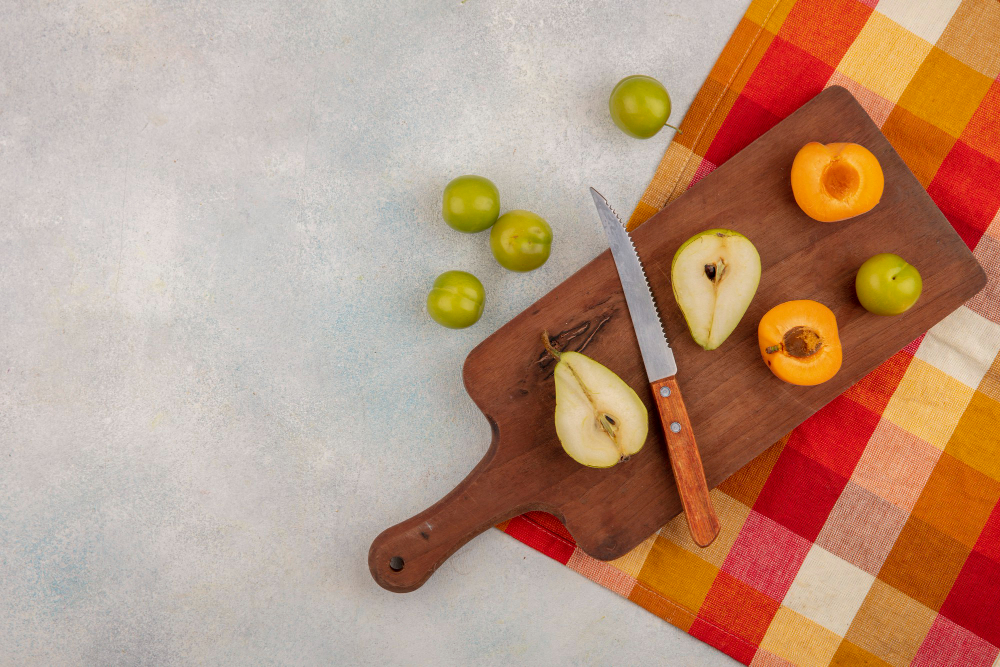
While the flesh of the pear is a safe “software update” for your rabbit, the “hardware”—specifically the seeds and core—contains chemical defense mechanisms that are hazardous to small mammals. Pear seeds contain amygdalin, a compound that releases cyanide during digestion.
Cyanide Sensitivity in Small Mammals
While a human might tolerate the trace amounts of cyanide in a few seeds, a rabbit’s small metabolic mass makes them significantly more susceptible. Cyanide interferes with the body’s ability to utilize oxygen at a cellular level, effectively starving the cells of energy. As noted by VCA Animal Hospitals, this can lead to rapid respiratory distress.
Mechanical Obstruction Risks
Beyond the chemical risk, the core and stem represent mechanical failure points. The fibrous, woody nature of the core can lead to choking or esophageal obstruction in smaller breeds. A surgical removal of the core and all visible seeds is the only safe serving protocol.
While pears are a perfectly fine occasional indulgence, they certainly aren’t the only option in the produce aisle. If you are looking to add a little variety to your rabbit’s treat rotation without causing a metabolic meltdown, read my comprehensive breakdown of what fruits rabbits can eat, which highlights the safest berries, melons, and orchard fruits for a sensitive lagomorph digestive tract.
Variety Audit: Bartlett vs. Bosc vs. Asian Pears
Selecting for Texture and Fiber
Not all pears offer the same sugar-to-water ratio. I look for the highest fiber density to ensure the glycemic load remains manageable. The variety you choose can dictate whether your rabbit experiences a gentle treat or a metabolic surge.
High-Moisture vs. High-Density Variants
Bartlett and Anjou pears are the “high-moisture” variants. While they provide excellent hydration, their sugar-to-fiber ratio is higher, making them more of a “confectionery” choice. Bosc pears have a denser, woodier texture. From a dental perspective, they offer slightly more resistance, which is always a plus for a rabbit’s ever-growing teeth.
The Polyphenol Advantage
According to data from Healthline, the skin of the pear contains up to six times more polyphenols than the flesh. For a rabbit, the skin is actually the most beneficial part of the fruit, acting as an antioxidant boost for their immune system. However, the skin is also where pesticide residue is most concentrated, necessitating a strict organic-only policy.
Variety Comparison Matrix
| Variety | Texture | Sugar Level | Fiber Density | Best Researcher Use |
| Bartlett / Anjou | Soft / Buttery | Very High | Moderate | Rapid Hydration |
| Bosc Pears | Crisp / Dense | Moderate | High | Dental Resistance |
| Asian Pears | Crunchy / Apple-like | Moderate | High | High-Volume Treat |
| Comice | Very Soft | Extremely High | Low | Rare Luxury Only |
The Ripeness Factor: Alcohol and Fermentation
The Maturity Threshold
The maturity of the pear is just as critical as the variety. As a pear ripens, its complex carbohydrates break down into simple sugars, and eventually, these sugars undergo anaerobic fermentation. This process produces ethanol, a compound that is highly toxic to the rabbit’s sensitive liver and central nervous system.
Ethanol Toxicity Hazards
Rabbits lack the metabolic pathways to efficiently process alcohol. Ingestion of fermented fruit can lead to loss of coordination, lethargy, or neurological depression. According to the Merck Veterinary Manual, a rabbit’s liver is optimized for filtering plant-based toxins but isn’t equipped for fermentation byproducts.
Identifying “Researcher-Grade” Produce
Always serve “human-grade” crisp pears. If a pear feels soft to the touch or emits a vinegary odor, it has already begun the fermentation process. For an informed owner, “mushy” is a synonym for “toxic.” Discard any fruit with brown bruising, as these spots are localized pockets of concentrated sugar and bacteria.
The Arborist’s Advantage: Leveraging Pear Wood
Solving the Dental Data Gap
The most overlooked “data gap” in rabbit care is the value of the pear tree itself, rather than just the fruit. Providing pear wood is a superior enrichment tool because it allows the rabbit to engage in natural foraging behavior for extended periods without the sugar crash.
Calculating Incisor Attrition
Rabbit teeth grow constantly at an approximate rate of about 2.0 to 2.5 mm per week. Without consistent “chew data” like pear branches to grind down the incisors and molars, rabbits can develop painful tooth overgrowths called malocclusions. Pear wood is classified as a “safe” hardwood, unlike the phenolic-heavy woods of the cedar or pine families.
Foliage and Bark Benefits
Unlike the fruit, pear leaves are high in fiber and low in sugar. According to the British Rabbit Council, safe wood chewing is a primary stress-reducer for rabbits. Incorporating branches from the pear tree provides mental stimulation without the metabolic spike. If you have access to a safe tree, the wood is an “essential” resource that outperforms the fruit in every metric of rabbit husbandry.
Identifying Clinical Warning Signs
Monitoring the Fecal Audit
Rabbits are evolutionarily designed to hide weakness, making it your job to spot subtle shifts in their biological output. When you introduce a pear, the primary risk is a disruption of the cecal balance. Even a small portion increase can lead to “mushy” droppings, which is a precursor to more serious digestive failure.
Establishing a Baseline
I recommend a daily “fecal audit.” You should terminate pear feeding and consult a professional if you observe a total cessation of droppings or a sudden decrease in size. According to PetMD, this is a clinical emergency known as GI Stasis.
Physical Indicators of Pain
Other warning signs include abdominal distention (a “hard” or bloated belly) and loud, rhythmic teeth grinding. If your rabbit ignores even their high-fiber hay after having fruit, their digestive motility is compromised, and the “pear experiment” should be halted immediately.
It is always worth repeating that any sugary fruit should merely be a minor footnote on your rabbit’s daily menu. To ensure you are hitting the correct fiber benchmarks and getting those crucial hay-to-pellet ratios exactly right, explore our broader resources on proper rabbit diet and food guidelines to keep their hindgut functioning exactly as nature intended.
Serving Protocol by Rabbit Weight
| Rabbit Weight (lbs) | Example Breed | Max Serving (Bi-Weekly) | Recommended Form |
| 2 lbs | Netherland Dwarf | 1 Teaspoon | Finely Diced |
| 5 lbs | Mini Lop | 2 Teaspoons | Thin Ribbon Slice |
| 10 lbs | Flemish Giant | 1 Tablespoon | Large Wedge |
Common Mistakes: Avoiding Owner Blunders
Identifying Systematic Errors
I’ve identified several recurring errors that turn a healthy snack into a biological liability. Most owners mean well, but failing to account for the rabbit’s unique chemistry can lead to long-term health issues.
The Pesticide Bioaccumulation Risk
Pears are frequently listed on the “Dirty Dozen” for high pesticide residue. The Environmental Working Group (EWG) provides updated data on these chemical loads. Failing to provide a thorough “lab rinse” or choosing non-organic options can introduce toxins to the rabbit’s sensitive liver.
Developmental Risks for Young Kits
Feeding pears to rabbits under 12 weeks of age is a critical error. Their gut flora is still in a formative state, and sugar can trigger fatal bacterial overgrowths. The Rabbit Welfare Association & Fund (RWAF) recommends a strict hay-and-water baseline for young kits to ensure their survival.
Preparation Checklist: The Researcher’s Protocol
Establishing a Serving Routine
Before a single milligram of pear enters the rabbit’s system, it should pass through a rigorous safety protocol. This ensures that the benefits of the micronutrients are not outweighed by the risks of contamination.
The “Lab Rinse” Method
Start by selecting organic produce whenever possible. Use a dedicated vegetable brush to scrub the skin under cold running water for at least 30 seconds. Next, use a knife to remove the center entirely, ensuring no seeds remain. Finally, cut the pear into thumbnail-sized pieces to prevent over-ingestion and monitor the dose accurately.
Pear Component Safety Breakdown
| Component | Safety Rating | Primary Risk | Researcher Protocol |
| Flesh | Safe | Sugar Spike | Limit to Micro-Dose |
| Skin | Highly Beneficial | Pesticides | Scrub/Organic Only |
| Seeds | TOXIC | Cyanide | Surgical Removal |
| Wood / Leaves | ESSENTIAL | None | Provide Ad-Lib |
| Stem / Core | Avoid | Choking | Discard |
FAQ: Rapid-Fire Retrieval Data
Can rabbits eat pear skin?
Yes, it is the healthiest part due to its high fiber and polyphenol content, but it must be organic or scrubbed to remove pesticide residue. Unwashed skin can carry harmful agricultural chemicals.
What if my rabbit accidentally ate a pear seed?
Monitor for lethargy, rapid breathing, or weakness. While one seed is rarely fatal, you should contact a rabbit-savvy vet immediately if behavior changes.
Can they have pear juice or canned pears?
No. Canned pears are often packed in syrup, which is a metabolic disaster for rabbits. Juice lacks the essential fiber “buffer,” leading to a dangerous metabolic crash and gut issues.
Is the stem of the pear safe?
No, it is a choking hazard and provides zero nutritional value. Always perform a surgical removal of the stem and core before serving.
Can baby rabbits eat pears?
No. As noted by RSPCA, rabbits under 12 weeks of age should avoid fruit to protect their developing digestive systems.
Conclusion: Engineering a Balanced Bounty
Integrating this fruit into a rabbit’s life is less about the sweetness and more about managing the biological load. By treating the sugary flesh as a metabolic luxury and the wood as a dental necessity, you ensure that your rabbits remain in peak physiological condition.
Engineering a safe environment means looking past the dopamine spike of the fruit to the structural benefits of the Pyrus tree. As long as you respect the cyanide boundaries of the seeds and the strict sugar limits of the flesh, you can successfully navigate this seasonal bounty without triggering a systemic crash. Keep your “fecal audit” sharp, your portions surgical, and your pear branches plentiful to maintain a truly optimized rabbit sanctuary.
Medical & Veterinary Disclaimer: PoodleReport.com is an informational resource for Poodle owners and enthusiasts. We are not veterinarians. The content on this website is not a substitute for professional veterinary care, diagnosis, or treatment. Always seek the advice of your veterinarian with any questions you may have regarding your pet’s medical condition, diet, or overall health.