
Disclaimer: The information provided on PoodleReport.com is for educational purposes only and does not constitute veterinary medical advice; always consult your vet before changing your dog’s diet. Additionally, this post contains affiliate links. As an Amazon Associate, and other affiliate advertising programs, I earn from qualifying purchases at no extra cost to you
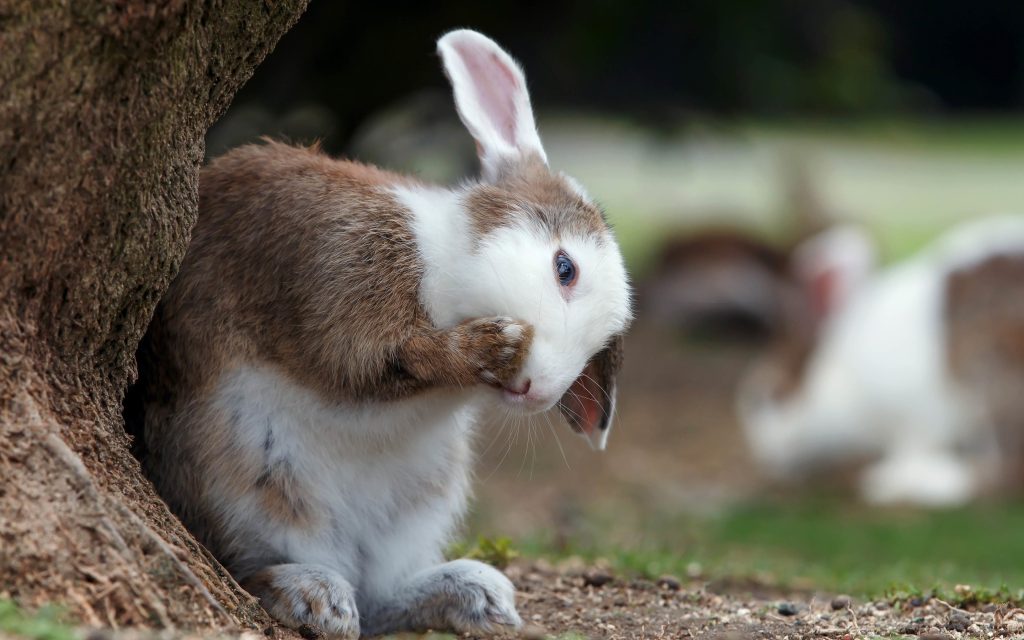
Rabbits groom themselves daily just like any other mammal. And since these little furballs are notorious nibblers with nails that never stop growing, maintaining those claws is a top priority! Watching Mocha and Chino go through their meticulous daily cleaning routines, it’s clear they need a way to keep things trim.
In the wild, all that digging and foraging naturally wears their nails down and keeps them perfectly sharp. But for our domestic bunnies, keeping those fast-growing claws at a safe length often comes down to a mix of scratching, occasional chewing, and a little routine help from us.
Do rabbits bite their nails? Most rabbits do not bite their own nails. Wild rabbits naturally wear down their claws by digging. While some domestic rabbits occasionally nibble a nail during routine grooming, excessive nail-biting is often a behavioral sign of boredom, underlying stress, or overgrown claws requiring attention.
When a rabbit does bite its nails, it’s usually a red flag to owners that something is distressing your rabbit. Keep reading to discover more about why rabbits might bite their nails.
The Rabbit Nail Troubleshooting Chart
Before we explore the science behind these behaviors, use this quick-reference chart to identify what your rabbit’s nail-biting might be telling you. This is the same checklist I use when I notice Mocha or Chino spending a little too much time focused on their paws.
| Behavior Observed | Likely Cause | Recommended Action |
| Occasional nibbling during full-body grooming | Normal Self-Maintenance | None; ensure regular monthly trims. |
| Aggressive biting or “yanking” at the nail | Overgrown Claws | Trim immediately; use the “Quick Nibbling” method if long. |
| Biting accompanied by fur pulling/skin nipping | Extreme Stress or Boredom | Increase exercise and add digging outlets. |
| Sudden lunging at feet or “boxing” the air | Neuropathic Pain / Nerve Irritation | Consult a rabbit-savvy veterinarian. |
| Biting only when trying to walk on hard floors | Loss of Traction / Mobility Issues | Add rugs or mats to prevent slipping and joint strain. |
Why Do Rabbits Bite Their Nails?
First, before we delve into the “whys” of a rabbit biting its nails, I’d like to clearly state that nail-biting is not a natural behavior in rabbits, so it is never something your rabbit should do.
If you notice a domestic or wild rabbit seems to be taking too much interest in their nails, then there be some good reasons behind it. Most of these reasons apply to domestic rabbits since this is where the behavior most commonly manifests, but in rare instances, nail-bitting can occur in wild rabbits as well.
Domestic and wild rabbits most often bite their nails as a result of:
Insufficient Grooming
When you own a pet rabbit, everything about that animal’s care falls to you. You become their main source of food, toys, affection, health, and, of course, grooming.
Apart from brushing your rabbit’s fur, nail clipping is one of the most important and regular elements of the grooming routine and should generally be done every month. Because a rabbit’s nails grow continuously throughout its life, they can become extremely long if not worn down routinely. Therefore, if your rabbit feels that his nails are too long, he might take to grooming himself and try biting off his own nails.
A rabbit will usually resort to nail-biting when its nail length begins to impede mobility or cause pain. The best way to avoid nail-biting in a rabbit is to give opportunities to dig, or by cutting their nails safely by sniping them with a nail trimmer regularly.
Quick Nibbling” Technique: Safely Receding Overgrown Nails
If your rabbit has been biting their nails because they’ve become severely overgrown, a standard one-time trim might not be enough. When a nail grows too long, the quick (the blood vessel inside) grows right along with it. If you try to cut the nail back to a “normal” length all at once, you’ll hit the vein, causing pain and bleeding.
To fix this, I use a method called “Quick Nibbling.” Instead of one big monthly cut, take off just a tiny, microscopic sliver of the nail every 2–3 days. This constant, gentle pressure encourages the blood vessel to naturally recede back toward the paw. Over a few weeks, you’ll be able to get the nails back to a healthy length without a single drop of blood. This is exactly how I helped Mocha get back on track after a particularly long winter where her digging slowed down!
While nail-biting is a specific grooming concern, it is often just one piece of the puzzle when it comes to understanding your bunny’s communication. To decode everything from ‘binkies’ to ‘thumping,’ I invite you to explore my Rabbit Behavior Guides, where I document all my observations and research into how Mocha, Chino, and rabbits everywhere express their needs
Something Is Lacking in The Rabbit’s Diet
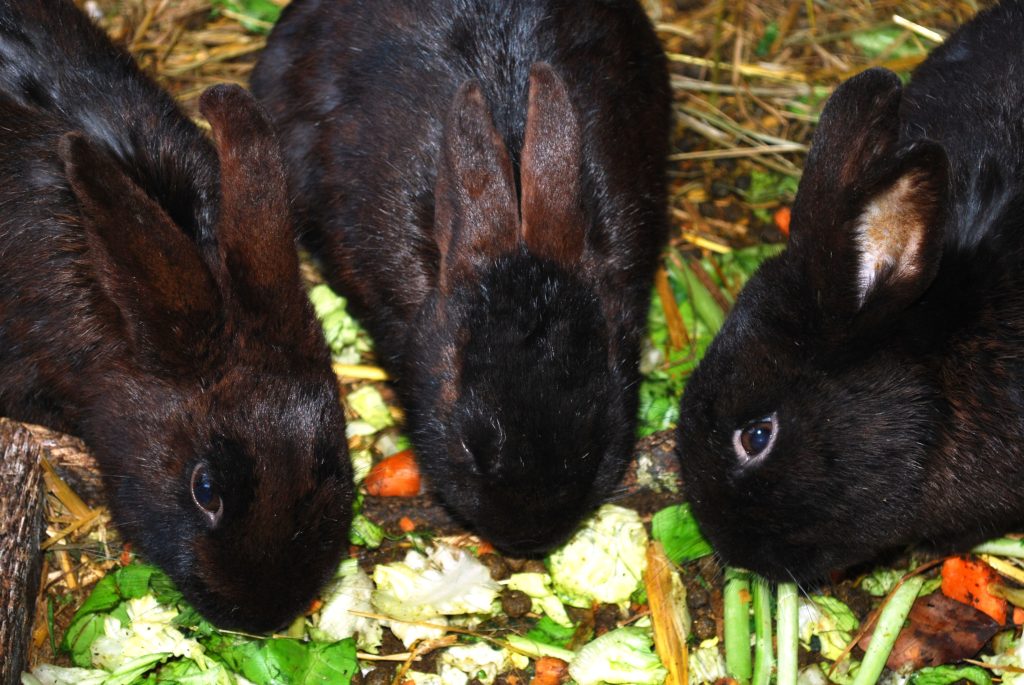
Many animals will resort to odd and frankly gross behaviors when their body senses they are not obtaining certain nutrients from their regular diet. Dogs eating their own feces is a common example of this. Sometimes, rabbits will join in on this odd behavior and start to bite their nails, especially if they feel something is lacking in their diet.
Whether or not rabbits are actually obtaining what they lack in their diet by biting and consuming their nails is unlikely, However, it might be a good idea to check what you are feeding your pet rabbit and see if there are any obvious nutritional needs you can to fill. Most rabbits thrive on diverse diets filled with hay, fresh veggies and fruits, and small amounts of pellets.
Stress Fueled Self-Mutilation
As a pet owner, you never want to see your beloved rabbits harm themselves in any way, but sometimes this is the quickest way for the animal to convey to you that something isn’t right.
In the case of rabbits, some rabbits may bite themselves and rip out fur as a form of self-mutilation, in addition to biting and potentially ripping off their own nails. If your rabbit is clearly demonstrating signs of self-mutilation, this indicates that they may be stressed, frustrated, or even bored. When rabbits aren’t emotionally or mentally content, they will often find ways to express their feelings, and unfortunately, nail-biting is one way to do this.
Neuropathic Pain: When It’s Not Just Stress
While we often blame “boredom” or “stress” for nail-biting, as a researcher, I’ve found that there is often a physical, neurological reason behind it. Rabbits can suffer from neuropathic pain, which feels like a “pins and needles” or tingling sensation in their feet. This is especially common in older bunnies or those with previous back injuries.
If you see your rabbit suddenly lunging at their feet or biting their nails with intensity, they might be reacting to a “phantom itch” or a nerve flare-up. According to research on neurological issues in disabled rabbits, this behavior is the rabbit’s attempt to “stop” a sensation they don’t understand. If your bunny is also “boxing” at the air or shaking their feet frequently, it’s a sign that the issue is likely nerve-related rather than just a bad habit, and a trip to a rabbit-savvy vet is a must.
Environment is Devoid of A Digging Outlet
Rabbits are natural diggers that enjoy creating burrows and warrens in the wild, filled with vast tunnels systems that can reach several feet underground. Since most domestic rabbits are kept in some form of caged enclosure, they rarely have an outlet for this intense digging instinct.
As a result, many rabbits bite their nails out of frustration since they aren’t using the nails for their natural intended use.
Is It Bad for a Rabbit to Have Long Nails?
It is not good for rabbits to have long nails. Overgrown nails in rabbits can result in loss of mobility, arthritis, and even dislocation if not properly trimmed. While clipping methods vary, a rabbit’s nails should be cut slightly above the quick once each month to prevent injury or other health concerns.
While there are no pain receptors in your rabbit’s nails apart from the quick, this isn’t a reason to be lax about keeping them short.
As a result, some rabbits will change the way they move, stressing or disfiguring other body parts and resulting in health problems such as arthritis. Long nails can also limit overall mobility, which, in turn, could result in a rabbit becoming obese from lack of exercise, a health consequence that quickly manifests other health issues.
Additionally, long nails in rabbits increase the possibility of nails getting snagged on objects in the rabbit’s enclosure and potentially ripping off entirely. This could cause your rabbit’s toe to dislocate and may even lead to other health risks, such as infection.
The Rabbit Nail Anatomy & Maintenance Guide
One reason owners often struggle with nail maintenance is simply not knowing what to look for—or how often to look for it. Use this guide to ensure you aren’t missing any hidden claws (like the notorious dewclaw) and to set a schedule that matches your rabbit’s lifestyle.
| Feature | Front Paws | Back Paws |
| Total Nail Count | 5 Nails (4 primary + 1 dewclaw) | 4 Nails (Total) |
| The “Hidden” Nail | The Dewclaw is located on the inner side of the leg, often hidden by fur. | No dewclaw present. |
| Trimming Frequency | Every 4–6 weeks (tends to grow faster). | Every 6–8 weeks (usually wears down more). |
| Primary Wear Surface | Digging and grasping. | Pushing off and hopping. |
Suggested Trimming Schedule by Environment
- Indoor (Carpet/Rug): Every 4 weeks. Soft surfaces provide zero natural wear.
- Indoor (Hardwood/Tile): Every 6 weeks. Slight resistance helps, but can be slippery if nails are long.
- Outdoor/Access to Dirt: Every 8+ weeks. Natural digging is the best “file” in the world.
How Can Owners Help Trim Their Rabbits Nails?
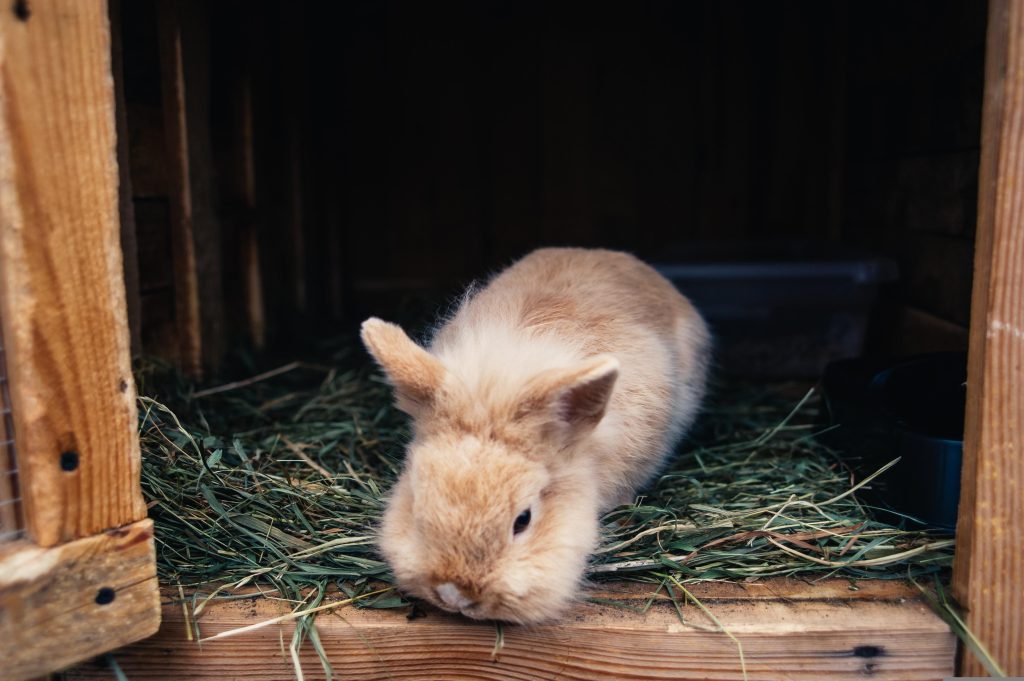
The easiest way to help keep your rabbit’s nails nice and short is to trim them yourself using a classic nail clipper made specifically for these animals.
Clipping a rabbit’s nails is similar to clipping a dog’s or other common domestic animals. Rabbits have 18 nails altogether, and the goal is to clip them slightly above the end of the quick so you don’t cut this sensitive portion of the nail. Your rabbit will most likely not enjoy the nail clipping process, so it is important to be patient and not overly stress them for this grooming routine.
If you’re new to rabbit nail clipping and don’t know where the vein or quick is in their nails, start small and cut off small pieces of the nail at a time until you’re more confident in the process.
How to Keep a Rabbit’s Nails Short Without Cutting Them
Nail clippers are an exceptional tool for preventing your rabbit’s nails from growing to excessive lengths, but some pet owners prefer easier or more natural alternatives if available. Luckily, there are several ways you can keep your rabbit’s nails short without cutting.
Rabbit owners can keep a rabbit’s nails trimmed without cutting by:
Using a Nail File
This might seem like cheating, but it is more than an acceptable alternative to nail clippers for owners who are new to these common tools or just uncomfortable using them altogether. Nail files are great for shortening your rabbit’s nails enough to ensure they can’t catch on to other objects and can be used in-between visits with vets or professional groomers you might go to for nail clippings.
Buying Your Rabbit a Scratchpad
In addition to shelters and toys, another common feature in rabbit enclosures is scratchpads or scratching posts. These are usually wooden objects your rabbits can scratch up to naturally wear down their nails to a more comfortable length. Some alternative options include paper bags and pieces of cardboard, although they are less durable and will therefore need to be replaced more frequently.
Giving Your Rabbit Digging Opportunities
As we mentioned previously, rabbits are natural diggers, and frequently, digging is the fastest way to wear down their nails without requiring a nail clipper.
While some owners make their rabbits digging units out of plant containers, soil, and wood shavings; a more preferable alternative, if possible, is supervised time outdoors. If you don’t mind your rabbit digging a hole or two in your lawn, you could easily set up a penned area outside and allow your rabbit to dig to their heart’s content as long as they don’t burrow too deep.
Frequently Asked Questions (FAQ)
Q: How often should I trim an indoor rabbit’s nails? A: Indoor rabbits generally need their nails trimmed every 4 to 6 weeks. Without rough outdoor terrain to dig in, their claws grow continuously, which can lead to painful snagging or altered posture if left unmanaged.
Q: Why is my rabbit trying to gently bite my fingernails? A: If a rabbit lightly nibbles your fingers or nails, it is usually a display of affection. Rabbits naturally groom each other to build social bonds, so “grooming” your hands is their way of showing trust and acceptance.
Q: What can I give my rabbit to stop them from biting their nails? A: If the behavior is driven by stress or boredom, redirect their energy. Providing cardboard digging boxes, untreated apple wood sticks, and puzzle toys will keep their active minds stimulated and reduce anxious self-grooming.
Conclusion: Keeping Those Thumping Feet Happy
At the end of the day, our goal as owners is to ensure our rabbits are as comfortable and stress-free as possible. Whether it’s through more frequent trims, a more varied diet, or simply providing a better digging outlet to satisfy those wild instincts, addressing nail-biting early is key. Watching Mocha and Chino stay active and “binky” around the house is the best reward for staying on top of their grooming needs.
If you’ve troubleshot the environment and the behavior persists, I always recommend a quick consultation with a rabbit-savvy veterinarian to rule out any underlying medical discomfort. By staying proactive and observant, you can keep your rabbit’s paws healthy and their spirits high.
Medical & Veterinary Disclaimer: PoodleReport.com is an informational resource for Poodle owners and enthusiasts. We are not veterinarians. The content on this website is not a substitute for professional veterinary care, diagnosis, or treatment. Always seek the advice of your veterinarian with any questions you may have regarding your pet’s medical condition, diet, or overall health.