
Disclaimer: The information provided on PoodleReport.com is for educational purposes only and does not constitute veterinary medical advice; always consult your vet before changing your dog’s diet. Additionally, this post contains affiliate links. As an Amazon Associate, and other affiliate advertising programs, I earn from qualifying purchases at no extra cost to you
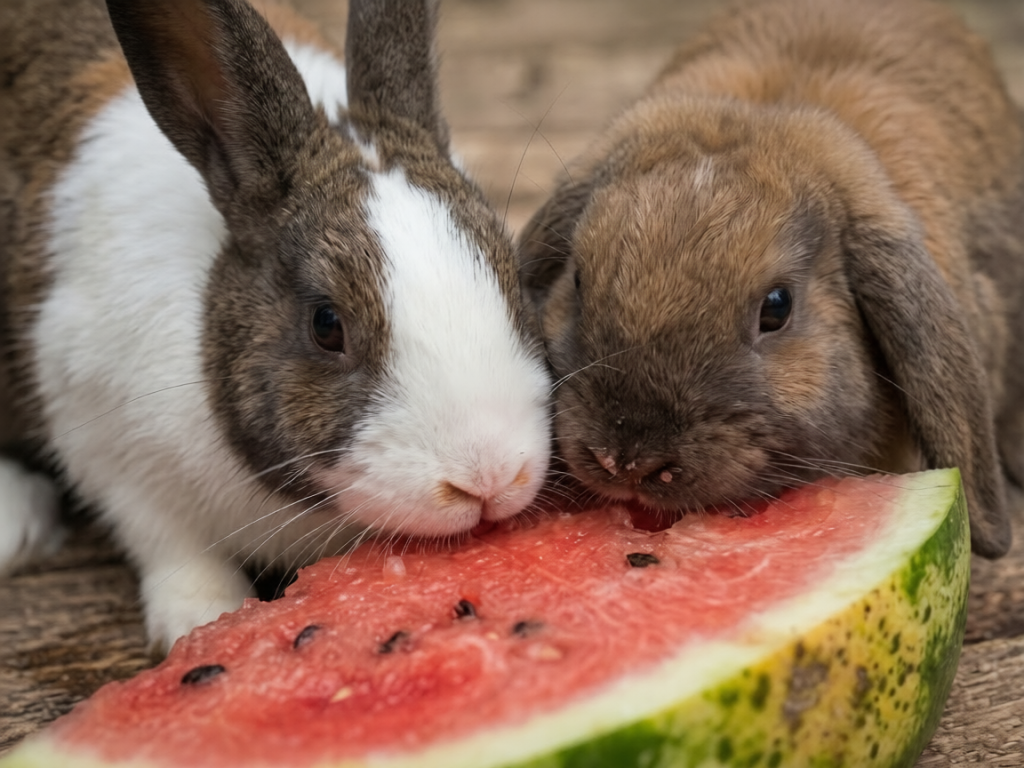
There is a specific “melon radar” that every bunny owner recognizes. You slice watermelon into a cold wedge on a hot afternoon, and suddenly there’s a pair of twitching noses and expectant ears at your feet. It’s hard to say no to those begging eyes, but what is refreshing for a human can be a metabolic puzzle for a lagomorph. Before you let them dive into the pink flesh, it is worth checking if this picnic favorite is a safe bet for your bunny’s sensitive system. So we should ask the question: Can rabbits eat watermelon?
Yes, rabbits can safely eat watermelon as an occasional treat, provided all seeds are removed. While the pink flesh is a hydrating snack, the white and green watermelon rind is actually the healthiest part for a rabbit because it is higher in fiber and significantly lower in sugar. Limit fruit intake to 1–2 tablespoons per 5 lbs of body weight, no more than twice a week, to prevent digestive upset.
Years of observing the dietary responses of my own house rabbits, Mocha and Chino, have shown that while bunnies are biologically hardwired to crave sugar, their specialized hindgut metabolism is far less enthusiastic about it. Striking a balance between hydration and gut motility is the hallmark of a responsible owner in 2026. The key is to view watermelon as a “supplemental hydrator” rather than a dietary staple. Unlike grass hay, watermelon lacks the long-strand fiber necessary to keep the digestive tract moving through peristalsis.
The Nutritional Benefits of Watermelon
Beyond its high water content, watermelon offers a unique profile of micronutrients that can support a bunny’s overall vitality when served correctly. Data from USDA FoodData Central suggests that watermelon is a dense source of specific antioxidants that are often overlooked in standard rabbit diets.
- Lycopene Power: Watermelon is one of the best sources of lycopene, an antioxidant that supports cellular health and may assist in maintaining eye health in aging rabbits.
- Vitamin A & C: These vitamins are essential for a robust immune system. While rabbits produce their own Vitamin C, supplemental intake from fresh fruit can provide a minor boost during times of environmental stress.
- Mineral Hydration: Unlike plain water, watermelon provides trace amounts of magnesium and potassium, which are vital for proper muscle function.
Nutrient Density Comparison (Per 100g)
| Fruit | Sugar Content (g) | Fiber Content (g) | Primary Benefit |
| Watermelon Rind | ~1.5 | 1.0 | L-Citrulline & Fiber |
| Strawberries | 4.9 | 2.0 | Vitamin C |
| Blueberries | 10.0 | 2.4 | Anthocyanins |
| Apple (No Skin) | 10.4 | 2.4 | Pectin (Gut Health) |
| Banana | 12.2 | 2.6 | Potassium |
The Deep Dive on Watermelon Rinds
While humans typically toss the rind, it is arguably the most beneficial part of the fruit for a bunny. The white and green layers of the melon are perfectly tailored to a rabbit’s need for low-sugar, high-fiber roughage.
- Structural Fiber: The white rind contains cellulose and hemicellulose. These fibers are essential for keeping the cecum—the fermentation vat of their gut—functioning correctly.
- Reduced Glycemic Load: Feeding the rind instead of the flesh avoids the sharp insulin spikes that can lead to obesity. High sugar levels in the mouth can also contribute to bacterial overgrowth on the teeth.
- Preparation Safety: The toughness of the green skin provides a natural “scrubbing” action for their molars. Just ensure you wash it thoroughly to remove any agricultural pesticides or waxes before serving.
Safety & Preparation Reference Guide
| Fruit Category | Safe Varieties | Preparation Tip |
| Melons | Watermelon, Cantaloupe | Remove all seeds; rinds are safe. |
| Berries | Blueberries, Raspberries | Great for foraging; feed 1–2 per treat. |
| Pomes | Apple, Pear | Must remove all seeds/stems. |
| Stone Fruits | Peaches, Plums, Cherries | Flesh only; never feed the pit. |
| Exotics | Mango, Papaya, Pineapple | Peel skin; treat as a high-sugar “bomb.” |
The Biochemistry of Citrulline

Watermelon is unique in the plant kingdom because it is a potent source of L-citrulline, an amino acid particularly concentrated in the rind.
- Vascular Support: In the rabbit’s body, L-citrulline is converted into L-arginine, which is a precursor to nitric oxide. Biochemical research on small herbivores suggests that nitric oxide helps facilitate vasodilation, supporting healthy blood flow and efficient oxygen delivery to tissues.
- Ammonia Detoxification: Citrulline is a key player in the urea cycle. It helps the rabbit’s liver and kidneys process and eliminate ammonia—a byproduct of protein metabolism—which is crucial for rabbits on standard pellet-heavy diets.
Evolutionary Psychology: The Scarcity Script
It helps to understand why a bunny acts like a “sugar junkie” whenever the refrigerator door creaks open. This behavior is rooted in thousands of years of survival in the wild. For a deeper look at the biology behind their cravings, you can explore my broad list of rabbit diet and food guides.
- High-Energy Seeking Instinct: In the wild, high-calorie foods like fallen fruit are rare prizes. A rabbit’s brain is hardwired to gorge on sugar when they find it because that energy might not be available again for weeks.
- The Domestic Disconnect: In a home environment where food is abundant, this instinctual drive leads to “begging” behaviors. Owners often mistake this for hunger, but it is actually a dopamine response. Overindulgence quickly leads to Gastrointestinal Stasis if the owner doesn’t act as the gatekeeper of the fruit bowl.
The Hydration Strategy: Summer Safety
During peak summer months, watermelon acts as a tactical hydration tool. Because rabbits are prone to heatstroke, providing a high-moisture treat can encourage them to ingest fluids when they might be too lethargic to move to their water bowl. However, the water in fruit should never replace fresh, clean water. According to the House Rabbit Society, the primary source of hydration must remain liquid water to prevent urinary sludge and maintain kidney health.
Common Mistakes Owners Make with Watermelon
Even with the best intentions, it is easy to slip up when the temperatures rise.
- The “Main Event” Error: Thinking the pink flesh is the only part bunnies should eat. Owners often scoop out the sugary middle and toss the rind, unknowingly depriving the rabbit of the fiber they need to balance the sugar.
- The Seed Oversight: Assuming “small seeds” are harmless. Even tiny white, immature seeds can cause mechanical blockages in a rabbit’s narrow intestinal tract.
- The Juice Trap: Never give a rabbit watermelon juice. Juicing removes 100% of the fiber and creates a concentrated sugar solution that hits their system too fast, bypassing slow fermentation and causing gas.
When to Worry: Signs of a “Melon Meltdown”
Because rabbits are masters at hiding pain, you need to be a detective. If you suspect they’ve overindulged in sugary fruit, monitor them for 12 to 24 hours.
- The 12-Hour Stasis Rule: If your rabbit has not produced droppings in 12 hours, this is a veterinary emergency. Sugar-induced GI stasis can progress from mild gas to a total shutdown with frightening speed.
- Loud Tooth Grinding: This is distinct from soft “purring” clicks; it’s a rhythmic, loud grinding that indicates significant abdominal pain.
- Cecal Dysbiosis: If you see soft, smelly, or unformed pellets sticking to their tail, the watermelon has likely disrupted their gut flora.
Serving Size Limits by Weight
| Rabbit Weight | Max Total Fruit Serving | Recommended Frequency |
| Small (2–3 lbs) | 1 teaspoon | 1x per week |
| Medium (4–7 lbs) | 1–2 tablespoons | 1–2x per week |
| Large (8+ lbs) | 1/8 cup | 1–2x per week |
The Dental Benefits of the Melon Crunch

While we focus on the gut, we shouldn’t ignore the teeth. Rabbits have open-rooted teeth that grow throughout their lives. Chewing on the tough, green outer skin of a watermelon provides localized mechanical wear for the front incisors. This “crunch factor” is much higher in the rind than in the soft flesh or even in other soft fruits. For a comparative look at other snacks that help or hinder this process, check out my 2026 safe and unsafe fruit guide for owners.
FAQ Section
Can rabbits eat watermelon seeds?
No. Both black and white seeds are choking hazards and can cause mechanical blockages in the gut. They must be manually removed before feeding.
Is the green skin of the watermelon safe?
Yes, it is the most fiber-dense part of the melon. Just ensure it is washed to remove any commercial waxes.
Why are blueberry seeds safe but apple seeds are not?
Blueberry seeds are soft and microscopic. Apple seeds contain amygdalin, which releases cyanide when digested and is toxic to rabbits.
Can I give my rabbit frozen watermelon?
Chilled is better. Extremely cold or frozen treats can occasionally shock a rabbit’s sensitive digestive system, leading to temporary motility issues.
Can baby rabbits eat watermelon?
No. Rabbits under 12 weeks should have zero fruit. Their digestive systems are too fragile to handle the sugar. Refer to the ASPCA Animal Poison Control Center for more on age-restricted diets.
Conclusion: Finding the Sweet Spot
While watermelon is the ultimate summer crowd-pleaser, it is best viewed as a high-reward tool rather than a dietary staple. By focusing on the rind—the part we humans usually toss—you provide your rabbit with a safer, more fibrous crunch that supports their natural digestive rhythms. Just remember that no amount of fruit can replace the health benefits of unlimited grass hay. Treat the watermelon as the dessert it is, keep the portions tiny, and your bunny will stay hopping happy through the hottest months of the year. If you ever notice your rabbits acting lethargic or refusing their greens after a snack, a quick call to an exotic vet is always the safest move.
Medical & Veterinary Disclaimer: PoodleReport.com is an informational resource for Poodle owners and enthusiasts. We are not veterinarians. The content on this website is not a substitute for professional veterinary care, diagnosis, or treatment. Always seek the advice of your veterinarian with any questions you may have regarding your pet’s medical condition, diet, or overall health.