
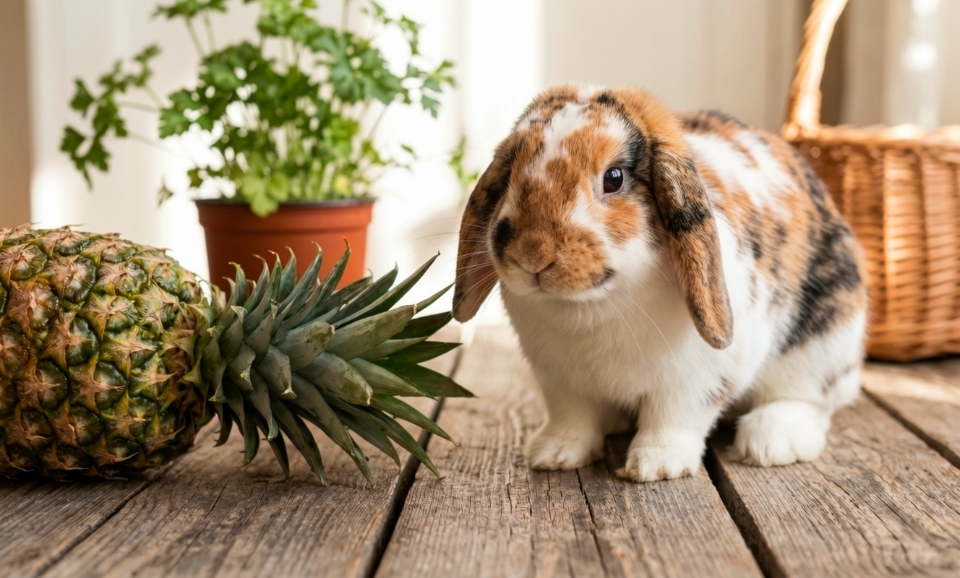
Disclaimer: The information provided on PoodleReport.com is for educational purposes only and does not constitute veterinary medical advice; always consult your vet before changing your dog’s diet. Additionally, this post contains affiliate links. As an Amazon Associate, and other affiliate advertising programs, I earn from qualifying purchases at no extra cost to you
Watching a rabbit enthusiastically tackle a piece of fruit is one of the distinct joys of keeping a bunny. When summer rolls around and you crack open a fresh pineapple, it’s only natural to wonder if you can share a sweet, juicy cube with your long-eared friend. But before you offer that tropical treat, it is essential to look past the sugary flesh and understand the unique physiology of the lagomorph digestive system. While many lists offer a generic “yes” to fruit, safe ownership requires a deeper dive into quantity, frequency, and preparation.
Yes, rabbits can safely eat fresh pineapple as an occasional, highly rationed treat, provided you only offer the soft, yellow flesh. To prevent severe choking hazards and mechanical blockages in their delicate digestive tracts, you must completely remove the tough outer skin, the spiky leafy top, and the hard inner core before serving. Because of its intense sugar density and acidity, this sweet tropical snack should be limited to a single, pea-sized cube just once or twice a week to avoid triggering dangerous gastrointestinal upset.
Striking a balance between a fun treat and a safe metabolism is key. It helps to view pineapple as the bunny equivalent of a massive, high-sugar candy bar. If you ate a giant candy bar every single day, your health would rapidly decline; the same applies to your rabbit. A tiny piece is a delightful, safe reward, but offering it as a dietary staple invites disaster.
Nutritional & Chemical Baselines (The Acid/Sugar Problem)
Rabbits are obligate herbivores designed to thrive on a high-fiber, low-calorie diet of dried grass. Their digestive engine—the cecum—is essentially a large fermentation vat specifically calibrated to break down tough cellulose, not simple carbohydrates.
The Sugar Payload
According to biochemical data derived from the USDA FoodData Central, raw pineapple contains roughly 9.85 grams of sugar per 100 grams. To a rabbit’s cecum, that influx of simple sugars is an astronomical payload. Dumping sugar into a fiber-based fermentation system is like pouring gasoline on a small campfire; things flare up dangerously fast.
| Food Source (Per 100g) | Sugar Content (g) | Safety Designation for Rabbits |
| Timothy Hay | ~1.5g | Primary Diet (Unlimited access required) |
| Raspberries | 4.4g | Safer Treat (Low glycemic load) |
| Blueberries | 9.9g | Occasional Treat (High antioxidant, moderate sugar) |
| Fresh Pineapple | 9.85g | High-Risk Treat (Strict moderation required) |
| Canned Pineapple (in syrup) | 14.0g+ | Dangerous (Do not feed) |
The Hidden Danger of Acidity
Furthermore, competitors frequently omit the danger posed by pineapple’s acidity. The FDA’s official pH values for foods lists fresh pineapple at a highly acidic 3.20 to 4.00. As a researcher and an owner, I carefully monitor how my own rabbits, Mocha and Chino, react to different dietary rewards. I’ve noted that continuous exposure to highly acidic fruits can degrade a rabbit’s dental enamel and potentially cause painful, localized mouth ulcers on their sensitive lips. Moderation protects both their gut and their mouth.
Portion Control: The Precision Rules
This is where vague “feed in moderation” advice completely fails. For rabbits, fruit portions must be precise to prevent a metabolic disaster. You cannot simply hand a bunny a thick slice of fruit and assume they will stop eating when they are full.
The 1-Inch Cube Rule
For a typical medium-sized rabbit (around 5 lbs), the portion rule is incredibly strict:
- Max Portion Size: One single cube no larger than 1 inch. To visualize this, aim for a piece roughly the size of a standard garden pea or a small blueberry.
- Frequency: Maximum 1 to 2 times per week, well spaced out.
The 2% Dietary Threshold
Treat foods—which includes all fruits, sugary vegetables like carrots, and commercial treats combined—should constitute no more than 2% of a rabbit’s total daily calorie intake. The other 80–90% must be unlimited grass hay, with the remainder being a measured amount of high-quality pellets and safe leafy greens.
| Dietary Category | Daily Caloric Percentage | Primary Function |
| Grass Hay (Timothy/Orchard) | 80% – 90% | Constant gut motility and dental wear |
| Fresh Leafy Greens | 5% – 10% | Hydration and essential micronutrients |
| High-Fibre Pellets | ~5% | Nutritional gap filling |
| Fruit & Sugary Vegetables | Under 2% | Mental enrichment (High-reward only) |
The Bromelain and “Hairball” Myth
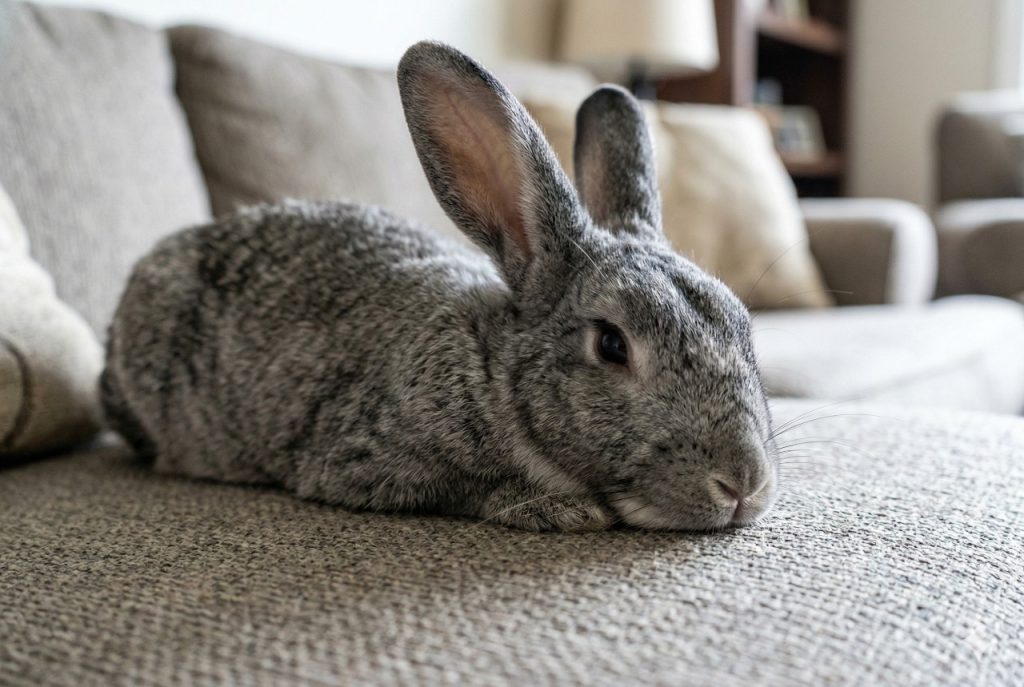
Pineapple contains an enzyme called Bromelain, concentrated heavily in the core and stem. A pervasive, stubbornly resilient myth in the pet community claims that feeding pineapple juice actively breaks down hairballs (trichobezoars) in a rabbit’s stomach. This is scientifically inaccurate and can lead to dangerous home remedies. For a deeper dive into the mechanics of their digestion, you can explore my full rabbit diet and food category.
Proteolytic vs. Keratinolytic Enzymes
Biochemical studies on Bromelain confirm it is a proteolytic enzyme, meaning its primary job is to break down standard dietary proteins. However, rabbit hair is made of keratin. Bromelain does not possess keratinolytic properties, so it physically cannot dissolve hair, no matter how much they consume.
The Mucus Matrix Misunderstanding
While experts at the House Rabbit Society note that the enzyme might help break down the mucus binding the hair together in the stomach, there is a catch: the massive amount of sugar required to deliver a clinically effective dose of the enzyme usually triggers severe GI stasis first. The absolute best way to prevent hairballs is not fruit enzymes, but heavy hydration and massive amounts of dietary hay to physically sweep the digestive tract.
Preparation: Step-by-Step Safety Chart
If you decide to offer this tropical reward, safety begins on your cutting board. Proper preparation is the only way to ensure the snack remains harmless. To see how this prep compares to other sweet snacks, you can review our 2026 safe and unsafe fruit guide..
The Safe Prep Protocol
| Pineapple Part | Rabbit Safety Status | Veterinary / Anatomical Risk |
| Yellow Flesh | ✅ Safe (Rationed) | High sugar/acidity; requires strict portion control. |
| Spiky Outer Skin | ❌ Unsafe | Indigestible roughage; severe mechanical blockage risk. |
| Inner Hard Core | ❌ Unsafe | Extremely dense; high risk of choking or esophageal impaction. |
| Leafy Crown (Top) | ❌ Unsafe | Contains irritating sap; sharp edges damage the GI tract. |
| Extracted Juice | ❌ Unsafe | Zero fiber; causes rapid cecal dysbiosis and GI stasis. |
- Selection: Choose fresh, organic pineapple if possible. Never use dried fruit, which lacks water content and concentrates the sugar levels to dangerous heights.
- Wash & Peel: Scrub the outer green skin thoroughly to remove agricultural chemicals, waxes, and pesticides. Slice away all the tough outer skin, ensuring no prickly “eyes” remain.
- Core Removal: Cut the safe flesh away from the hard, circular inner core. Discard the core immediately so it isn’t accidentally dropped on the floor.
- Dice and Wipe: Cut the safe, yellow flesh into pea-sized cubes. Afterward, wipe up any excess juice from the cutting board so your rabbit doesn’t accidentally ingest concentrated, liquid sugar.
Common Mistakes Owners Make
Even seasoned, well-intentioned owners can make simple mistakes when trying to offer their pets a healthier treat alternative.
The Canned Fruit Trap
Never buy canned pineapple for your rabbit. Canned fruit is almost universally packed in sugary syrup or heavily processed fruit juice. The commercial canning process involves high heat that completely destroys the bromelain enzyme anyway. More importantly, the heavy syrups act as a hypertonic solution in the gut, forcing the rabbit’s body to rapidly pull water into the intestines to dilute the sugar. This results in severe, dehydrating diarrhea.
The “Juice Cure” Error
Reaching for pineapple juice during a heavy shedding season (a molt) is a terrible idea. Extracting the juice removes 100% of the beneficial fibrous structure of the fruit, creating a concentrated glucose bomb that hits their system far too quickly.
Feeding the Scraps
Assuming the tough inner core or the spiky leafy top acts as good “roughage” is a dangerous misconception. These parts are actually severe choking hazards and can cause mechanical blockages in the intestines that require surgical intervention.
When to Worry: Signs of a Sugar Overload
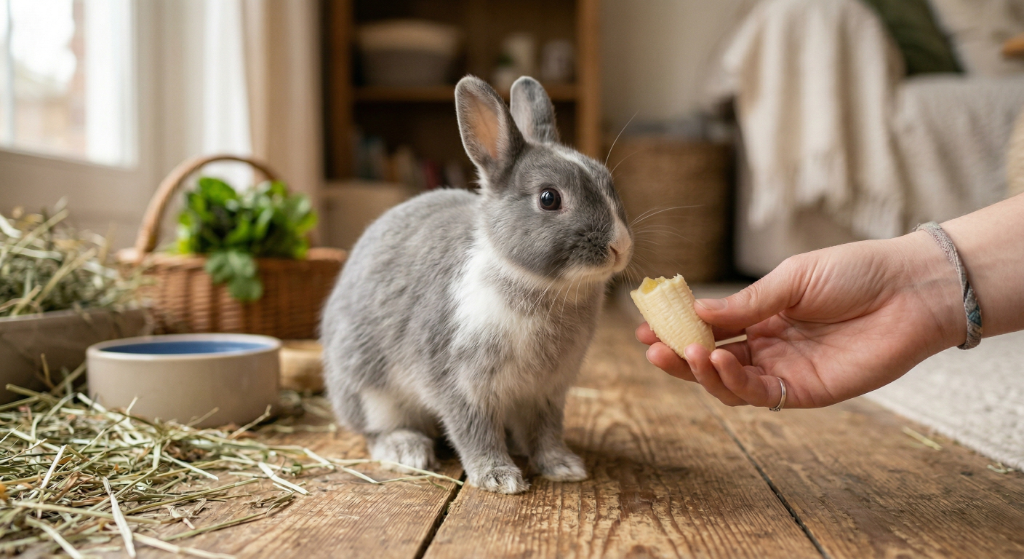
Rabbits are prey animals, meaning they are evolutionary masters at hiding pain. A “sugar dump” in the hindgut rapidly disrupts the delicate bacterial balance in the cecum, so you must be observant.
Spotting Cecal Dysbiosis
The Merck Veterinary Manual details how carbohydrate overload fuels the rapid proliferation of dangerous Clostridium spiroforme bacteria. This leads to a condition called Cecal Dysbiosis, characterized by unformed, mushy, and unusually foul-smelling stools. You may also notice your rabbit pressing their belly against the floor, a clear indicator of painful gas bloat.
The 12-Hour Stasis Emergency
If you suspect your rabbit has overindulged, monitor them like a hawk. Look out for a hunched posture and loud, rhythmic tooth grinding—a primary sign of severe abdominal pain. Most importantly, follow the 12-Hour Rule: according to emergency protocols from VCA Animal Hospitals, if a rabbit has not produced normal droppings in 12 hours, it is an immediate veterinary emergency indicating gastrointestinal shutdown (GI Stasis).
Safer Sweet Alternatives
If you want to treat your rabbit without rolling the dice on their digestion, look for alternatives that won’t send their blood sugar skyrocketing. Finding safe, low-glycemic rewards for rabbits is essential for their long-term health and weight management.
Low-Glycemic Berries
Berries, such as raspberries, blackberries, or a single blueberry, offer a much safer sugar profile than tropical fruits. They contain less fructose and pack a dense punch of antioxidants. However, they must still be limited to the 1-inch, 2% dietary rule.
The Herbal Advantage
Often, rabbits just want something that smells and tastes wildly different from their daily hay. Herbaceous treats like fresh mint, basil, cilantro, or parsley provide the exciting, aromatic variation bunnies crave without any of the dangerous sugar spikes.
Enrichment: Making Them Work for the Treat
To maximize the psychological value of that tiny, one-inch cube of pineapple, engage their natural foraging instincts. In the wild, rabbits spend hours searching for the best food, which keeps their minds sharp and their bodies active.
Utilizing Foraging Instincts
Never just hand a piece of high-value fruit directly to a rabbit. This teaches lazy eating habits and results in them inhaling the sugar in seconds. The RSPCA’s behavioral guidelines emphasize that scatter feeding and puzzle solving are vital to preventing depression and boredom in caged or indoor rabbits.
DIY Puzzle Feeders
Instead of using a bowl, try hiding the diced pineapple cube deep inside a cardboard toilet paper roll stuffed tightly with timothy hay. You can also use wooden logic puzzles designed for small animals. This forces them to dig, chew, and work for the sweet reward, effectively slowing down their ingestion rate while simultaneously providing excellent mental stimulation.
FAQ Section
Can rabbits eat pineapple skin? Absolutely not. The tough, spiky outer skin cannot be properly broken down by their teeth or stomach. It poses a high risk of mechanical blockage in their intestinal tract.
Is the core of the pineapple safe for rabbits? No. It is an extreme choking hazard. The core is incredibly dense and fibrous—far too tough for them to chew safely, making it very easy to lodge in their narrow throats.
Can rabbits eat pineapple leaves? No. While they look like tempting greens, the leaves contain an irritating natural sap. They also act as indigestible, sharp roughage that can cause internal damage or a blockage as it attempts to pass through the gut.
Can baby rabbits eat pineapple? Never. The digestive systems of rabbits under 12 weeks old are entirely too fragile to handle any simple sugars. Their cecal flora is still developing, and introducing fruit of any kind can trigger fatal diarrhea within hours.
Conclusion: Finding the Sweet Spot
While pineapple is an undisputed tropical crowd-pleaser, it is best viewed by bunny owners as a high-reward tool rather than a dietary staple. By strictly following portion guidelines and focusing exclusively on properly prepared, fresh fruit, you can provide your rabbit with a safer, satisfying snack. Just remember that no exotic fruit can replace the vital health benefits of unlimited grass hay. Treat the pineapple as the rare dessert it is, keep the portions microscopic, and your bunnies—just like Mocha and Chino—will stay hopping happy and healthy through the hottest months of the year.
Medical & Veterinary Disclaimer: PoodleReport.com is an informational resource for Poodle owners and enthusiasts. We are not veterinarians. The content on this website is not a substitute for professional veterinary care, diagnosis, or treatment. Always seek the advice of your veterinarian with any questions you may have regarding your pet’s medical condition, diet, or overall health.