
Disclaimer: The information provided on PoodleReport.com is for educational purposes only and does not constitute veterinary medical advice; always consult your vet before changing your dog’s diet. Additionally, this post contains affiliate links. As an Amazon Associate, and other affiliate advertising programs, I earn from qualifying purchases at no extra cost to you
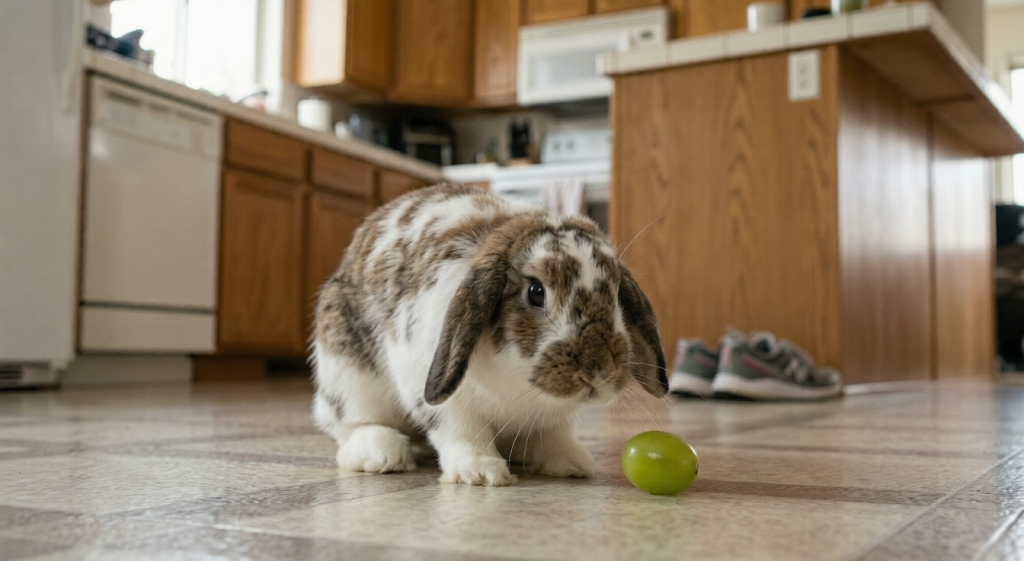
Entering the kitchen with a bunch of grapes often triggers a high-speed “binky” or an aggressive tug at your pant leg. To a rabbit, a grape is essentially a sugar-filled orb of pure dopamine. While many owners see a healthy fruit, a researcher must see a complex carbohydrate delivery system that requires strict oversight. Rabbits are built to ferment low-energy, high-fiber stalks; they are not biologically optimized for the high-fructose environment of a vineyard. So knowing this, can rabbits eat grapes?
Yes, rabbits can safely eat grapes, but they must be strictly limited to an occasional treat. For a standard 5lb rabbit, the recommended serving is one grape, fed no more than once or twice per week. While grapes provide hydration and antioxidants like resveratrol, their high sugar content can cause GI stasis, obesity, and dental decay. Always remove seeds to prevent choking and prioritize high-fiber Timothy hay for 80% of their daily diet.
In my recent sessions with my rabbits Mocha and Chino, I’ve noted that while the initial reaction to a grape is one of sheer joy, the metabolic cost can be significant if the portion isn’t perfectly calibrated. The 2026 standard for bunny owners is all about “micro-portioning” to make sure the sugar doesn’t mess with their gut. If you’re looking for the bottom line on whether these belong in the bowl, I suggest checking out our Rabbit Food and Nutrition Guides.
Nutrient Data: The “Sugar-to-Fiber” Disparity
Rabbits are biological machines designed for lean forage. A single grape contains more sugar than a cup of hay, which is the gold standard for digestive health. When sugar levels rise, it shifts the bacterial balance in the hindgut, potentially leading to dysbiosis.
Nutritional Profile (per 100g)
| Nutrient | Green/Red Grapes | Timothy Hay | Health Impact |
| Fiber | ~0.9g | ~32g | Essential for gut motility. |
| Sugar | ~15.5g | ~3g | Excess fuels harmful bacteria. |
| Water | ~80% | ~10% | High moisture can cause soft stools. |
While grapes offer Vitamin C and K, the House Rabbit Society emphasizes that rabbits synthesize most of their own vitamins, making sugar the primary metric to monitor.
Resveratrol: The Antioxidant Deep Dive
One area often missed by basic pet guides is the specific benefit of resveratrol, a polyphenolic compound found primarily in the skins of red and purple grapes. Research indexed on ScienceDirect suggests that resveratrol can support cardiovascular health and reduce oxidative stress in small mammals. For an aging rabbit, this can be a small “wellness boost,” provided the sugar tax doesn’t trigger a metabolic crisis first.
The 2026 Portion Protocol: Weight-Based Precision
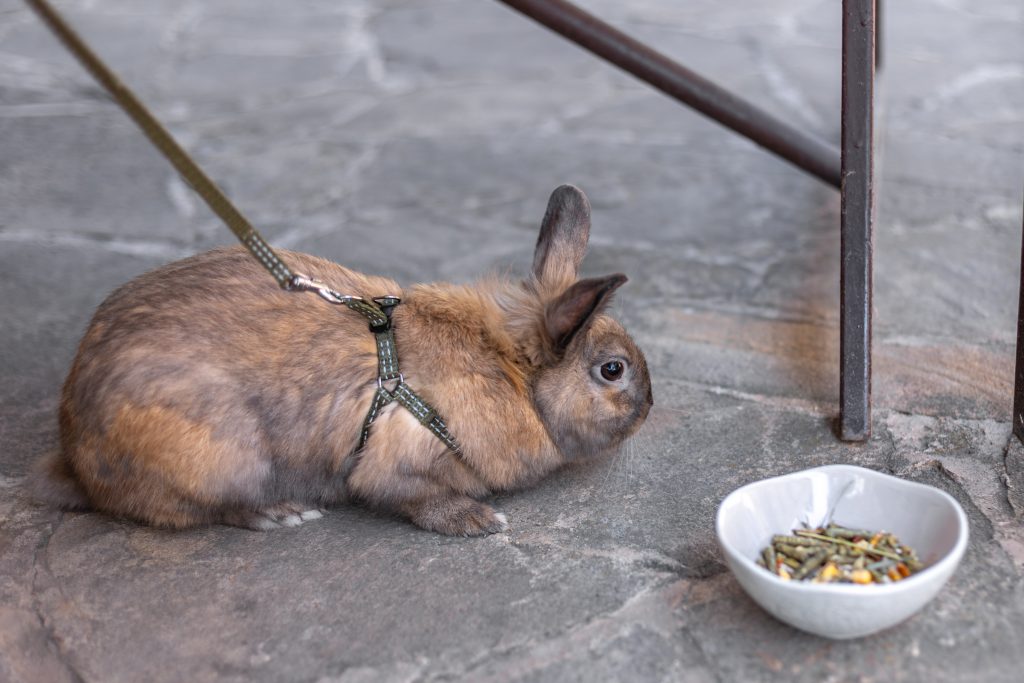
Rabbits vary wildly in size; a portion for a Flemish Giant will hospitalize a Netherland Dwarf. To see how grapes compare to other seasonal options, you can consult our 2026 Safe & Unsafe Fruit Master List for Rabbit Owners.
Serving Limits by Breed Size
| Rabbit Weight | Max Single Portion | Weekly Frequency |
| 2 lbs (Dwarf) | 1/2 Grape | Max 1x Week |
| 5 lbs (Standard) | 1 Grape | Max 2x Week |
| 10 lbs+ (Giant) | 2 Grapes | Max 2x Week |
According to PetMD, treats should comprise less than 5% of the total diet to keep the gut pH in the safe zone.
Variety Comparison Chart: Brix Levels & Safety
In the modern supermarket, we are no longer just choosing between “red” or “green.” Varieties like Cotton Candy grapes are cross-bred to reach sugar levels (measured in Brix) significantly higher than standard grapes. As a researcher, I categorize these as “Ultra-High Risk.”
2026 Grape Variety Risk Assessment
| Variety | Sugar Level (Brix) | Researcher Verdict | Recommended Portion |
| Standard Red/Green | 16–18% | Baseline | 1 Full Grape |
| Concord | 15–17% | Safe (High Antioxidant) | 1 Full Grape |
| Moon Drops | 19–21% | High Risk | 1/2 Grape |
| Cotton Candy | 20–22%+ | Ultra-High Risk | 1/2 Grape |
The “Raisin Trap” and Concentrated Sugars
Raisins are a physiological hazard. When a grape is dehydrated, the sugar remains while the water vanishes. This creates a “sugar bomb.” According to the Merck Veterinary Manual, concentrated sugars are a leading cause of enterotoxemia (gut infection) in domestic rabbits. Raisins are also sticky and can cause internal blockages if not chewed thoroughly.
Seed and Skin Safety: Choking and Pesticides
Always choose seedless varieties. Grape seeds aren’t toxic like apple seeds, but they are a physical choking hazard. Additionally, grapes are notorious for high pesticide residue. According to the North Carolina Wildlife Federation, chemical residues can be particularly toxic to small herbivores. Always wash grapes thoroughly or source organic.
Dental Caries: The Invisible Sugar Risk
Rabbits have “open-rooted” teeth, but they are still susceptible to bacterial films created by fruit juices. Sugar residue can lead to localized decay and painful caries. I recommend providing a fresh bowl of water or a few sprigs of wet cilantro after a fruit treat to help “rinse” the oral cavity and prevent bacterial fermentation.
Behavioral Hijacking: The “Addiction” Cycle
Grapes trigger a high dopamine response. I’ve observed rabbits who begin to ignore their Timothy hay in hopes of another fruit reward. This is a critical danger, as hay is required for dental wear. If your rabbit starts “holding out” for fruit, a 48-hour “fruit detox” is necessary to reset their palate.
The Grape Leaf Loophole: Fiber over Fructose
If you want the benefits of the grape plant without the sugar risk, look to the foliage. Grape leaves are significantly higher in fiber and lower in sugar than the fruit itself.
Nutrient Comparison (Fruit vs. Leaf)
| Metric | Fresh Grape Fruit | Dried Grape Leaf | Benefit Level |
| Sugar Level | High (15g+) | Very Low (<2g) | Leaf Wins |
| Fiber Level | Low (<1g) | High (10g+) | Leaf Wins |
Wild Grapes and Dangerous Lookalikes
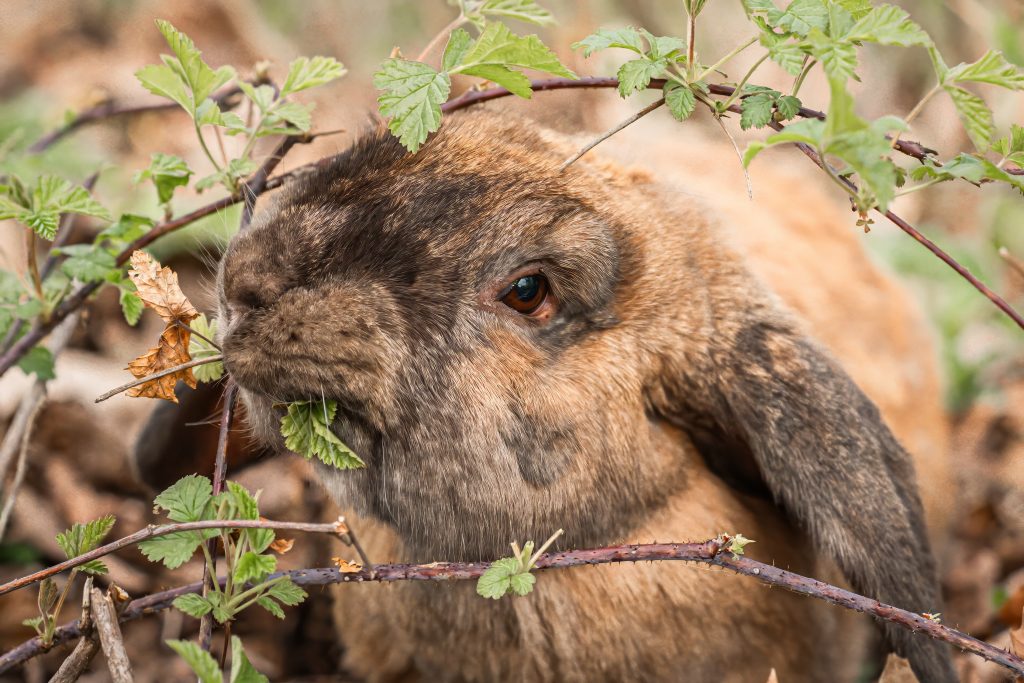
Foragers must exercise extreme caution to avoid the Virginia Creeper (Parthenocissus quinquefolia), which is a common wild grape lookalike. While wild grape leaves are safe, Virginia Creeper contains calcium oxalate crystals, which can cause severe kidney damage in rabbits.
- Wild Grape: Single, lobed leaves with a jagged edge.
- Virginia Creeper: Compound leaves with five distinct leaflets.
- Safety Tip: According to the USDA Plants Database, pesticide drift is a major risk when foraging; always source from known organic environments.
The Post-Grape Observation Timeline
What happens in the six hours following a treat determines if the portion was safe. During my trials with Mocha and Chino, I used this timeline to ensure their cecal pH remained stable.
Observation Guide
| Time Elapsed | Healthy Indicator | Red Flag |
| 1 Hour | Normal activity/foraging. | Lethargy or “sugar crash.” |
| 3 Hours | Return to hay munching. | Ignoring hay for 2+ hours. |
| 6 Hours | Large, round, dry pellets. | Mushy/smelly cecotropes. |
Common Mistakes: Avoiding the “Sugar Trap”
- The Dehydration Delusion: Assuming raisins are safe because they are “natural.”
- Juicing the Danger: Feeding grape juice removes all beneficial fiber, causing a dangerous glucose spike.
- The Under-12-Week Rule: Feeding fruit to “kits” (baby rabbits). According to the RSPCA, this can lead to fatal enteritis.
When to Worry: Clinical Signs of Distress
If the sugar content triggers a bacterial bloom, identify the shift before it becomes a crisis:
- The “Hunched” Guard: A rabbit sitting in a tight ball, refusing to move, likely experiencing gas pain.
- Cecal Dysbiosis: Finding smelly, unformed “poopy butt” indicates a compromised cecal pH.
- GI Stasis Signs: A total refusal of hay for more than 6 hours.
If these symptoms appear, VCA Hospitals recommends immediate veterinary intervention.
Frequently Asked Questions (FAQ)
- Can rabbits eat grape stems? Yes, stems are fibrous and safe if pesticide-free.
- Do grapes cause kidney failure in rabbits? No. While toxic to dogs, the risk in rabbits is primarily digestive (GI stasis).
- Is it safe to freeze grapes? Yes, but thaw them slightly; rock-hard grapes are a choking hazard.
- My rabbit’s pee changed color? Plant pigments can cause porphyrinuria (red/orange urine), which is dietary and normal.
Conclusion: The Balanced Bond
Grapes are the “sugar-shrapnel” of the fruit world—potent and capable of causing internal disruption if handled carelessly. In my research, the most successful health outcomes involve using these “purple orbs” as a clinical reward rather than a casual snack. By prioritizing the Leaf Loophole, you can maintain the delicate chemistry of your rabbit’s cecum while still enjoying the joyful “binky” that a well-timed treat provides.
Medical & Veterinary Disclaimer: PoodleReport.com is an informational resource for Poodle owners and enthusiasts. We are not veterinarians. The content on this website is not a substitute for professional veterinary care, diagnosis, or treatment. Always seek the advice of your veterinarian with any questions you may have regarding your pet’s medical condition, diet, or overall health.