
Disclaimer: The information provided on PoodleReport.com is for educational purposes only and does not constitute veterinary medical advice; always consult your vet before changing your dog’s diet. Additionally, this post contains affiliate links. As an Amazon Associate, and other affiliate advertising programs, I earn from qualifying purchases at no extra cost to you
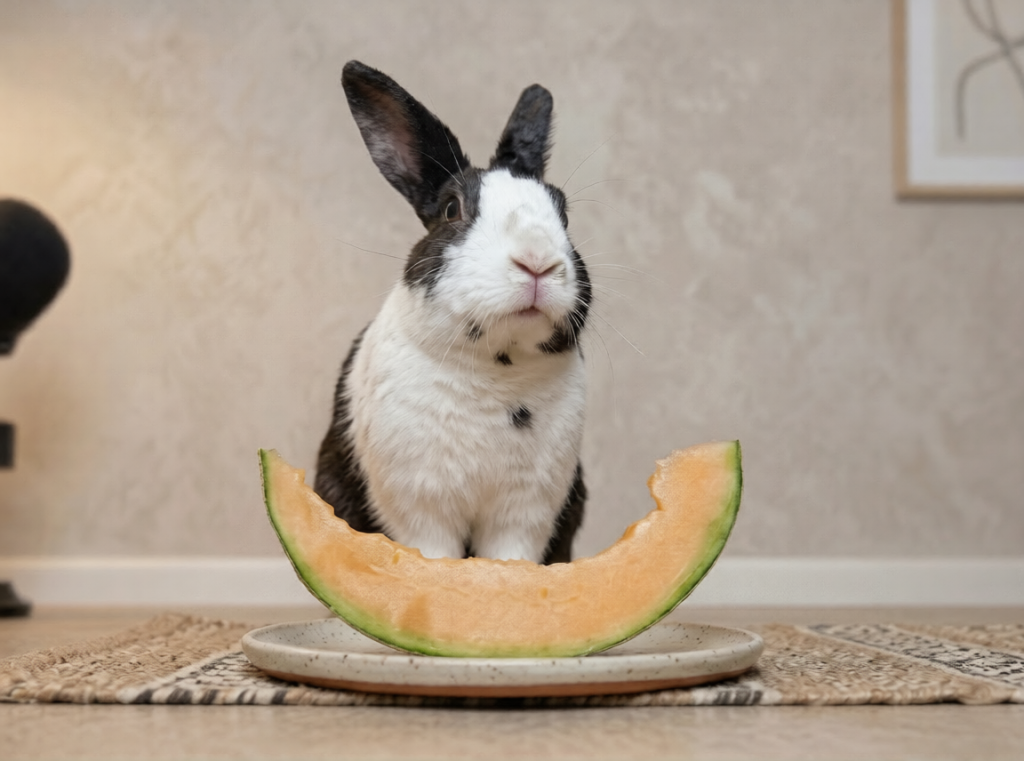
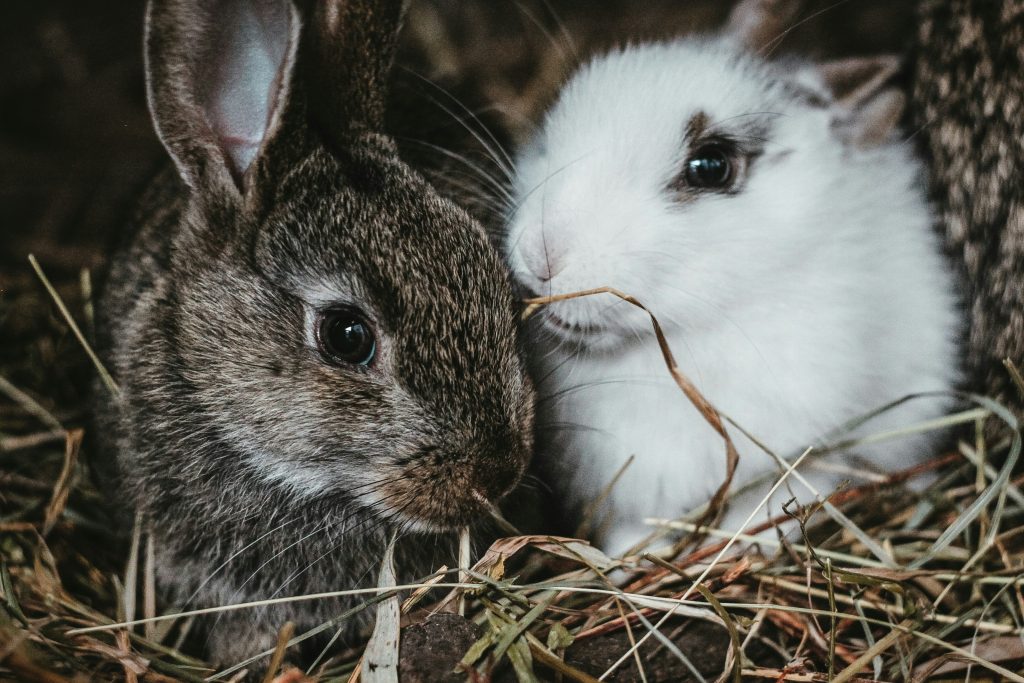
A fresh cantaloupe on the counter is a sure sign of summer. In our home, the “thump” of a melon landing usually brings my rabbits, Mocha and Chino, out of their nap with high-speed nose twitches. However, before sharing a slice, we need to look at the facts. Rabbits process food differently than we do, and while cantaloupe is safe, its high sugar content requires a data-driven approach to keep those twitching noses healthy.
Yes, rabbits can safely eat cantaloupe in moderation, as this hydrating fruit provides essential vitamins A and C that support a healthy immune system. However, since the high sugar content can disrupt a bunny’s sensitive digestive tract, it should be limited to an occasional treat of no more than one tablespoon per two pounds of body weight. To keep your pet safe, always remove the seeds to prevent choking and thoroughly scrub the rind to eliminate any pesticides or bacteria before serving.
While cantaloupe is non-toxic, it belongs to a category of foods that can either be a delightful treat or a digestive disaster depending on the dose. Before you offer a slice, it is essential to understand the underlying rabbit diet and food principles that keep their sensitive systems in balance. In this guide, we will dive into the nutritional data, the physiological risks of fructose, and the common pitfalls that most “bunny parents” miss.
The Nutritional Blueprint of Cantaloupe
Cantaloupe (Cucumis melo) is essentially a hydration bomb wrapped in a netted rind. For a rabbit, this fruit provides a concentrated burst of vitamins that are otherwise found in smaller amounts in their leafy greens. According to VCA Animal Hospitals, Vitamin A is critical for a rabbit’s immune system and vision, and cantaloupe is packed with beta-carotene to support these functions.
Vitamin and Mineral Breakdown
Beyond Vitamin A, cantaloupe provides a decent amount of Vitamin C and Potassium. While rabbits synthesize their own Vitamin C, the antioxidants found in fresh fruit can support overall cellular health. Potassium plays a vital role in muscle contraction and maintaining a healthy heart rate, especially in active breeds.
Nutritional Value per 100g of Raw Cantaloupe
| Nutrient | Amount | Impact on Rabbit Health |
| Water | 90.2g | Vital for hydration and kidney health. |
| Total Sugars | 7.86g | High. Risk of cecal dysbiosis. |
| Fiber | 0.9g | Very Low. Not a substitute for hay. |
| Vitamin A | 169 µg | Supports vision and immune response. |
| Potassium | 267mg | Maintains electrolyte and muscle balance. |
Common Mistakes
Even the most dedicated owners can make errors when introducing new treats. After analyzing community data and veterinary reports, I’ve identified several recurring “traps” that lead to preventable health issues.
The “Clean Plate” Trap
Rabbits are opportunistic feeders. In the wild, high-calorie finds are rare, so they are biologically programmed to eat as much sugar as possible when it’s available. Just because your rabbit devours the melon doesn’t mean they should have more. Overfeeding leads to obesity and, more dangerously, a refusal to eat their required daily hay.
Neglecting the Seeds
A frequent mistake is leaving the slippery seeds in the serving. While not chemically toxic, The Merck Veterinary Manual highlights that seeds are a physical hazard. Because rabbits have a very narrow esophagus and cannot vomit, a seed lodged in the throat is a critical emergency.
The “Baby Bunny” Oversight
Feeding fruit to a rabbit under 12 weeks old is a major error. At this age, the gut microbiome is still stabilizing. A sudden influx of fructose can cause a bacterial bloom that leads to fatal mucoid enteropathy or severe diarrhea.
Common Feeding Mistakes & Risks
| Mistake | Risk Level | Potential Outcome |
| Daily Feeding | High | Obesity & Dental Disease |
| Feeding Seeds | Critical | Choking or Blockage |
| Ignoring the Rind | Moderate | Missed Fiber Opportunity |
| Unwashed Rind | High | Pesticide/Bacterial Poisoning |
The Rind Gap: Pesticides and Hidden Fiber
One of the biggest gaps in the “Can rabbits eat cantaloupe?” conversation is the rind. Most owners either throw it away or feed it unwashed. As a researcher, I’ve noted that the rind is actually more “rabbit-appropriate” than the flesh because it is lower in sugar and higher in cellulose.
The Pesticide Risk in “Netting”
The RSPCA warns that the netted texture of cantaloupe skin is a magnet for agricultural chemicals and bacteria like Listeria and Salmonella. If you intend to feed the rind, you must scrub it with a vegetable brush under running water.
Preparing the Rind Correctly
The best way to serve the rind is to peel the very outermost “netted” layer off with a vegetable peeler, leaving the firm green/white flesh. This provides a satisfying crunch that helps with dental attrition without the massive sugar spike of the orange center.
The “Sugar-to-Hay” Ratio Gap
Another area where the competition fails to provide clarity is the visualization of the “Sugar-to-Hay” ratio. To maintain a healthy gut, a rabbit needs a massive amount of indigestible fiber to move the digestible parts through the system.
Visualizing the Balance
Think of the rabbit’s digestive tract as a conveyor belt. Hay is the heavy-duty machinery that keeps the belt moving. Cantaloupe is a sticky substance that can gum up the gears. If the ratio of “sticky” sugar to “moving” fiber is off, the belt stops. This is the biological reality of GI Stasis.
Fiber vs. Sugar (Cantaloupe vs. Timothy Hay)
| Component | Cantaloupe | Timothy Hay |
| Digestible Sugar | 8% | 1.5% |
| Indigestible Fiber | <1% | 32% |
| Water Content | 90% | 10% |
When you see the data side-by-side, it’s clear why a single tablespoon is the upper limit for most breeds.
The Science of Fructose and the Cecum
To understand the risk, we must look at the cecum—the “fermentation station” of the rabbit. The House Rabbit Society explains that rabbits rely on a delicate balance of bacteria to break down fiber.
The Bacterial Bloom
When simple sugars from cantaloupe hit the cecum, they provide an instant food source for “bad” bacteria like Clostridium. These bacteria produce gas as a byproduct. Because rabbits cannot easily expel gas, it builds up, causes pain, and can lead to a shutdown of the intestinal muscles.
Insulin and Obesity
Chronic overfeeding of high-sugar fruits like melon triggers repeated insulin spikes. Over time, this can lead to hepatic lipidosis (fatty liver disease), especially in sedentary house rabbits who don’t have the space to burn off the excess glucose.
When to Worry
Rabbits are masters of disguise. In the wild, showing pain is an invitation to predators, so your bunny will try to look “fine” even if they are in agony. You have to be a detective. If you are unsure what symptoms are normal, refer back to our 2026 safe and unsafe fruit guide for context on typical reactions.
The “Red Zone” Symptoms
If your rabbit has consumed too much cantaloupe, watch for the “Meatloaf” position—hunching up with eyes squinted. This is a classic sign of abdominal pain. Additionally, listen for “loud gut.” While some gurgling is normal, thunderous or high-pitched “pinging” sounds from the stomach indicate gas buildup.
Urgency Levels for Digestive Issues
| Symptom | Severity | Action Required |
| Soft/Mushy Poops | Moderate | Stop all treats; feed only hay. |
| Hunching/Lethargy | High | Encourage movement; monitor closely. |
| No Poop (6+ hours) | CRITICAL | Emergency Vet Visit. |
| Cold Ears/Limpness | CRITICAL | Immediate Intervention. |
Breed-Specific Portion Control
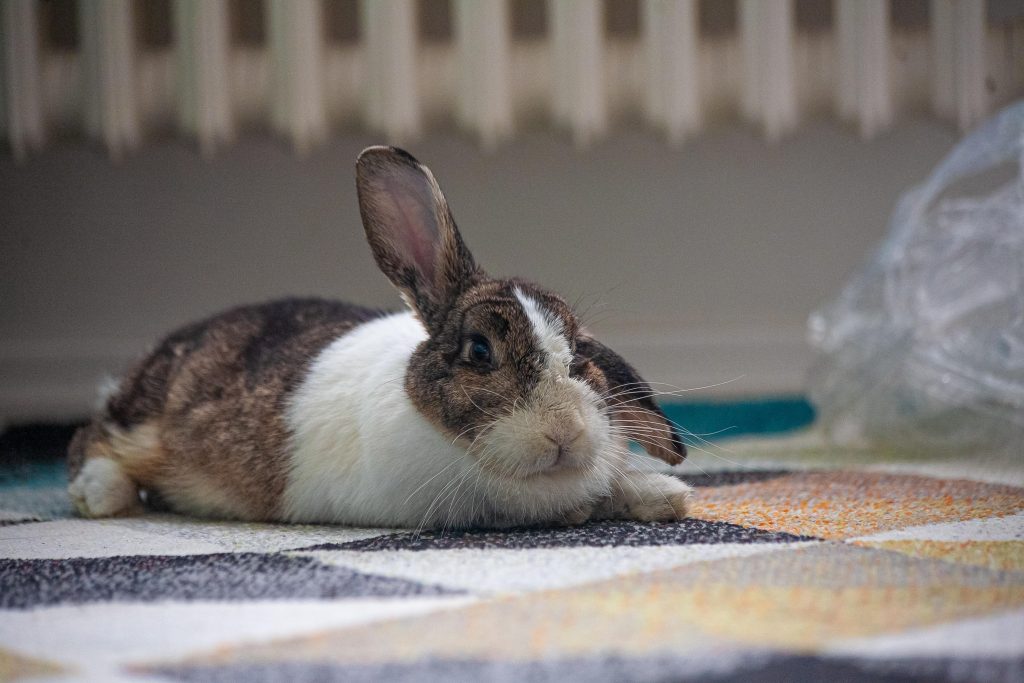
One size does not fit all. A common gap in rabbit advice is the failure to scale portions by weight. A 2-lb Netherland Dwarf should not be eating the same amount of melon as a 12-lb Flemish Giant.
Small Breeds (Under 4 lbs)
For tiny bunnies, a piece the size of your thumbnail is plenty. Their cecums are small and have less “buffer” for sugar spikes.
Giant Breeds (10+ lbs)
Larger rabbits can handle about two tablespoons of cantaloupe. However, even with larger rabbits, the frequency should never exceed twice per week. According to research from the University of California, maintaining a high-fiber baseline is even more critical for giant breeds prone to heart and joint issues.
FAQ: Frequently Asked Questions
Q: Can rabbits eat the green skin of the cantaloupe?
A: Yes, but only if it is scrubbed thoroughly. The green rind is actually higher in fiber and lower in sugar than the orange flesh.
Q: Is cantaloupe skin toxic?
A: No, the skin isn’t toxic, but its texture traps pesticides and bacteria. PDSA recommends washing all fresh produce meant for rabbits.
Q: Can I give my rabbit cantaloupe seeds?
A: No. They are a choking hazard and high in fat. Always remove them completely before serving.
Q: How often can a rabbit have cantaloupe?
A: Limit it to 1–2 times per week. Daily fruit consumption can lead to tooth decay and a disrupted gut.
Q: Can baby rabbits eat cantaloupe?
A: No. Wait until they are at least 12 weeks old to introduce any fruit to ensure their digestive system is mature enough.
Q: My rabbit ate a whole slice of cantaloupe. What should I do?
A: Remove all other treats and pellets. Provide only fresh hay and water. Monitor their fecal output for the next 12 hours. If they stop pooping, call a vet.
Conclusion: The Sweet Spot of Rabbit Health
In my years of researching lagomorph behaviors and health outcomes, I’ve concluded that cantaloupe is one of the best “high-value” treats available—if used with extreme discipline. For Mocha and Chino, a tiny slice of cantaloupe serves as an excellent bonding tool, but it is never allowed to replace the “boring” work of eating their Timothy hay.
The secret to a long-lived rabbit is consistency. Use the hydrating benefits of cantaloupe during the peak of summer, but always prioritize the fiber-heavy diet their biology demands. By scrubbing the rinds, removing the seeds, and sticking to the “tablespoon rule,” you can keep the binkies coming without the vet bills following.
Medical & Veterinary Disclaimer: PoodleReport.com is an informational resource for Poodle owners and enthusiasts. We are not veterinarians. The content on this website is not a substitute for professional veterinary care, diagnosis, or treatment. Always seek the advice of your veterinarian with any questions you may have regarding your pet’s medical condition, diet, or overall health.