
Disclaimer: The information provided on PoodleReport.com is for educational purposes only and does not constitute veterinary medical advice; always consult your vet before changing your dog’s diet. Additionally, this post contains affiliate links. As an Amazon Associate, and other affiliate advertising programs, I earn from qualifying purchases at no extra cost to you
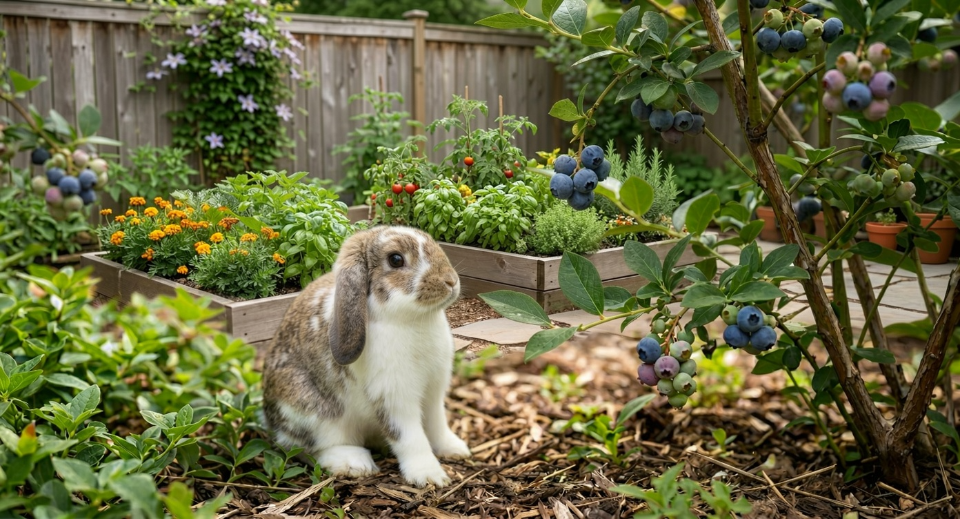
In the high-stakes world of lagomorph management, the scent of a ripening blueberry triggers an immediate behavioral shift I call the “Blueberry Trance.” This is that specific moment when a rabbit’s entire cognitive function narrows down to a single, purple point of interest. While watching this enthusiasm is rewarding, we must address the physiological reality: rabbits are hindgut fermenters evolved for lean, high-fiber forage, not sudden sugar spikes. So is it safe for them to eat blueberries?
Yes, rabbits can safely eat blueberries, but they must be treated as a high-sugar accessory rather than a dietary staple. For a standard 5lb rabbit, the recommended portion is 1 to 2 blueberries, fed no more than once or twice per week. While blueberries provide beneficial antioxidants like anthocyanins, their high fructose content can disrupt a rabbit’s delicate cecal pH, potentially leading to GI stasis or obesity if overfed.
Your rabbit’s wild ancestors were unlikely to ever encounter such concentrated sweetness, having evolved to thrive on lean, high-fiber forage. Ensure at least 80% of a rabbit’s daily intake remains high-fiber Timothy hay to maintain gut motility. To keep your long-term wellness approach grounded in safety, I suggest calibrating your treat rotation using the evidence-based protocols in our Rabbit Food and Nutrition Guides.
Nutritional Breakdown: Blueberries vs. Timothy Hay
To understand why a blueberry is considered a “luxury item,” we must look at the fiber-to-sugar ratio. Rabbits are biological machines designed by nature to ferment low-energy grasses, not high-energy snacks.
The “Sugar-to-Fiber” Ratio
When we introduce a high-sugar fruit, we risk disrupting the delicate pH balance of the cecum, the “fermentation vat” where a rabbit’s health is truly decided. A single blueberry contains more sugar than an entire cup of Timothy hay, which is the gold standard for digestive health.
Vitamins and Micronutrients
While blueberries offer Vitamin C and K, the House Rabbit Society notes that rabbits synthesize their own Vitamin C. This makes the berry’s nutritional value more about secondary metabolites than primary vitamins.
| Nutrient | Blueberries (Raw) | Timothy Hay (Standard) | Impact on Rabbit Health |
| Fiber | ~2.4g | ~32g | Essential for gut motility. |
| Sugar | ~9.96g | ~3g | Excessive sugar fuels “bad” bacteria. |
| Water Content | ~84% | ~10% | High moisture can cause “poopy butt.” |
Anthocyanins: The Researcher’s Deep Dive into Senior Health
Blueberries are rich in anthocyanins—polyphenolic compounds that give the fruit its color. According to studies indexed in ScienceDirect, these antioxidants have neuroprotective properties and can reduce oxidative stress in rodents.
Supporting Cognitive Longevity
For a senior rabbit, these compounds may support cognitive function as they age. Think of it as “brain food,” but only if the delivery system (sugar) doesn’t cause more harm than the antioxidant does good.
Vascular Health Benefits
Research also suggests that anthocyanins may support vascular health. However, as a researcher, I must emphasize that these benefits are dose-dependent. In a lagomorph, the metabolic cost of the sugar often outweighs the antioxidant gain if fed in excess.
The 2026 Serving Standard: Weight-Based Portions
A “few berries” is a dangerously vague instruction. What constitutes a snack for a 15lb Flemish Giant is a sugar overdose for a 2lb Netherland Dwarf. To prevent obesity and dental decay, maintaining weight-based portioning is the most effective strategy. To see how these berries compare to other seasonal options, you can consult our 2026 Safe & Unsafe Fruit Master List for Rabbit Owners.
| Rabbit Weight | Max Single Portion | Weekly Frequency |
| 2 lbs (Dwarf) | 1 Small Berry | Max 1x Week |
| 5 lbs (Standard) | 2 Berries | Max 2x Week |
| 10 lbs+ (Giant) | 3–4 Berries | Max 2x Week |
Dosing by Breed Size
A 2lb Dwarf rabbit should receive no more than one small berry per serving. A 10lb Giant can handle up to four. This maintains the “treat” status without crossing into “meal replacement” territory.
Frequency of Feeding
According to guidelines from PetMD, treats should never exceed 5% of the total daily diet. If you are feeding blueberries twice a week, that should likely be the only fruit they receive in that timeframe.
The Fruit Hierarchy: Where Blueberries Rank
Not all fruits are created equal in the eyes of a rabbit’s cecum. I categorize treats based on their glycemic impact. Blueberries are a “moderate” treat, safer than bananas but riskier than berries with lower sugar-to-fiber ratios.
2026 Rabbit Treat Glycemic Index (Estimated)
| Fruit Type | Sugar Content | Fiber Content | Researcher Recommendation |
| Raspberries | Lower | Higher | Top Tier Treat |
| Blueberries | Moderate | Moderate | Mid Tier Treat |
| Apples (No Seeds) | Higher | Moderate | Occasional Only |
| Bananas | Very High | Very Low | High-Risk “Sugar Bomb” |
The “Blueberry Beard” and Hygiene Risks
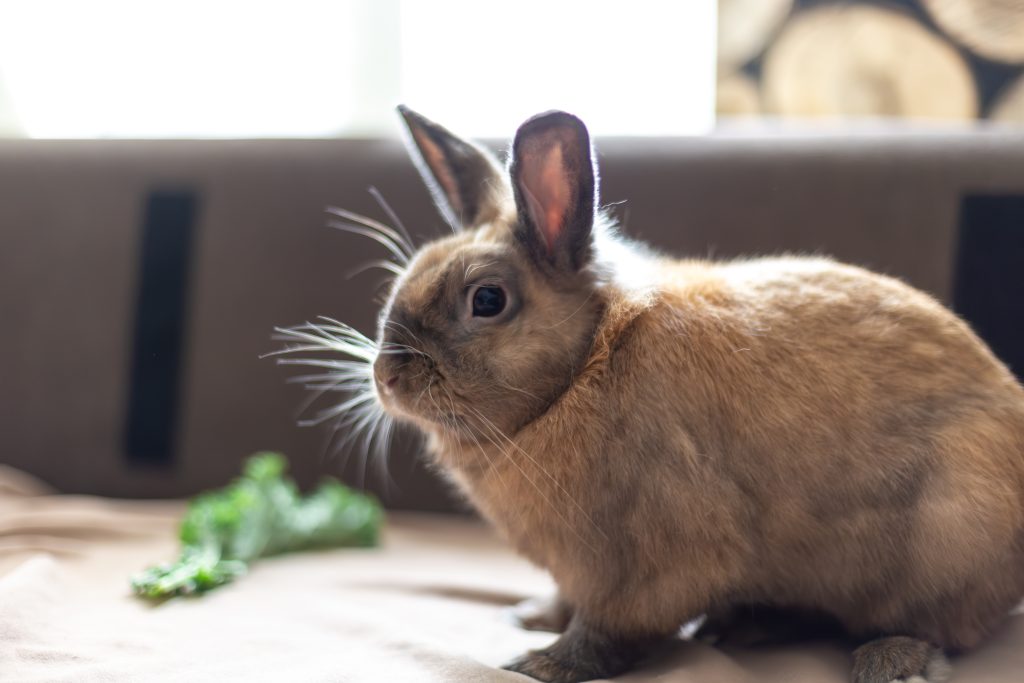
One practical gap often ignored by major sites is the physical aftermath of a blueberry snack. Because blueberries are juicy and pigment-rich, they often leave a “Blueberry Beard”—a purple stain around the mouth.
The Stain Dilemma
While the staining itself is harmless, the sticky nature of the juice is not. In 2026, I’ve observed that lighter-furred breeds can suffer from facial matting after fruit snacks, which can lead to localized dermatitis.
Flystrike Prevention
The sticky sugar residue can attract flies, significantly increasing the risk of flystrike in warmer months. If your rabbit is a messy eater, I recommend a quick “damp cloth” wipe-down after treat time. Hygiene is just as critical to rabbit wellness as the diet itself.
Fresh, Frozen, or Dried? (The Temperature Factor)
While frozen blueberries are a popular summer treat, a rabbit’s digestive system is temperature-sensitive. Consuming a rock-hard, ice-cold berry can cause minor stomach cramping.
Thawing for Digestive Safety
Always thaw frozen berries to room temperature before serving. A cold “shock” to the hindgut can discourage a rabbit from eating their necessary hay for several hours, which is a risk we want to avoid.
The Dried Fruit Trap
Avoid dried blueberries entirely. Dehydration concentrates the sugar to extreme levels, turning a “treat” into a “gut bomb.” According to the Merck Veterinary Manual, concentrated sugars are a leading cause of enterotoxemia in domestic rabbits.
The Secret Superfood: Blueberry Leaves and Stems
If you want the antioxidant benefits without the metabolic risk, look toward the blueberry plant itself. Research suggests that the leaves and stems of the Vaccinium genus contain high levels of fiber with significantly lower sugar content than the fruit.
Foraging the Foliage
Foraging on dried blueberry leaves provides the “scent” of the treat while encouraging the chewing behavior necessary for dental health. This is a great way to satisfy their “sweet tooth” without the sugar rush.
Sourcing Safe Leaves
According to VCA Animal Hospitals, dental disease is often linked to diets lacking in abrasive fiber. Ensuring leaves are free from pesticides is paramount—always source organic or homegrown.
Behavioral Enrichment: Foraging Over Feeding
Don’t just hand over the berry. In the wild, rabbits spend 80% of their waking hours foraging. Use blueberries as a high-value reward in a “hide-and-seek” game.
Foraging Games
Bury a single berry deep inside a pile of orchard grass or inside a cardboard toilet paper roll stuffed with hay. This forces the rabbit to work for the reward, providing mental stimulation.
Training Rewards
Because blueberries are so high-value, they make excellent training rewards for litter training or “recall,” a practice supported by the RSPCA for animal welfare.
Clinical Red Flags: Identifying Sugar Distress
Unlike humans, rabbits cannot pass gas effectively. When the sugar from a blueberry hits the cecum, it can cause an explosion of “bad” bacteria like Clostridium.
Identifying Cecal Dysbiosis
Watch for “smushy” poop or soft cecotropes. If your rabbit’s waste starts looking like a cluster of grapes that has been stepped on, you have overdone the sugar.
Signs of GI Stasis
Watch for a hunched posture, loud gut noises, or a sudden refusal to eat hay. If your rabbit displays these symptoms, the PDSA recommends seeking veterinary care within 24 hours.
Age Restrictions: The 12-Week Rule
Baby rabbits (kits) have a highly volatile gut pH. Introducing a high-sugar item like a blueberry before the age of 12 weeks can be fatal.
Why Kits Must Wait
A kit’s diet should be strictly alfalfa hay and pellets to establish stable gut flora. Early introduction of fruit can lead to a rapid intestinal bloom that is often untreatable.
Transitioning to Treats
Wait until your bunny is at least 3-4 months old before introducing tiny, controlled portions. Introduce one berry and wait 24 hours to ensure their digestive system handles it without issue.
Common Mistakes: Avoiding the “Sugar Trap”
In my years of documenting lagomorph behavior, I’ve seen even well-intentioned owners fall into the “cuteness trap.” The primary error is treating a blueberry as a dietary staple rather than a strictly controlled accessory. Because the “Blueberry Trance” is so entertaining to witness, there is a psychological tendency to over-reward.
- The Dried Fruit Oversight: Many owners opt for dried blueberries, assuming they are a convenient alternative. However, dehydration removes the water and concentrates the fructose, creating a “sugar bomb” that can trigger enterotoxemia.
- The “Kit” Complication: Feeding fruit to rabbits under 12 weeks is a high-risk mistake. Their gut flora is in a state of delicate colonization; a sudden influx of sugar can cause a fatal bacterial bloom.
- Ignoring the “Blueberry Beard”: Failing to clean the sticky residue from a rabbit’s face isn’t just an aesthetic lapse. In warmer months, this attracts flies, significantly increasing the risk of flystrike.
According to the Blue Cross, a rabbit’s digestive system is incredibly sensitive, and even minor deviations from a high-fiber protocol can have cascading health effects.
When to Worry: Clinical Signs of Distress
In my research, I always look for data-driven signs of internal distress. While a single blueberry is generally safe, the “wrong” berry or an oversized portion can shift the cecal pH into a danger zone. If your rabbit’s system begins to ferment the fruit sugar too rapidly, you must monitor for immediate clinical shifts.
- Cecal Dysbiosis: If you find “mushy” or smelly cecotropes (often called “poopy butt”), it is a clear indication that the hindgut bacteria are out of balance.
- The “Hunched” Guard: A rabbit sitting in a tight ball, refusing to move or eat their favorite hay, is likely experiencing gas pain. Since rabbits cannot pass gas effectively, this can lead to a life-threatening shutdown.
- Tooth Grinding: Distinct from “purring,” a loud, metallic grinding sound indicates significant pain.
If you notice a total lack of droppings or a refusal to eat for more than six to eight hours, you are likely facing the onset of GI Stasis, which requires immediate intervention from a rabbit-savvy veterinarian. Always prioritize the “hay-first” rule to avoid reaching this critical red alert stage.
Frequently Asked Questions (FAQ)
- Can rabbits eat blueberry skins? Yes, the skin contains the highest concentration of antioxidants, but ensure they are organic to avoid pesticide residue. Check the EWG for fruit pesticide porosity data.
- Are the seeds safe? Blueberry seeds are tiny and soft, posing no risk of obstruction to a rabbit’s digestive tract.
- My rabbit’s pee is dark after eating berries; is this normal? Yes, plant pigments can cause “porphyrinuria,” changing urine color. However, actual blood will look like distinct droplets rather than a uniform tint.
- Can I use blueberry juice? No. Juice lacks fiber and is a concentrated sugar source that can cause rapid bacterial blooms.
Conclusion: The “Purple Gem” Verdict
While blueberries are a fantastic tool for bonding, they must be viewed through a clinical lens rather than an emotional one. In my ongoing research, I’ve found that treats are most effective when they are rare and weight-specific. By prioritizing the “leaf loophole” and monitoring for physical hygiene, you can provide the benefits of antioxidants without compromising your rabbit’s delicate internal chemistry.
Medical & Veterinary Disclaimer: PoodleReport.com is an informational resource for Poodle owners and enthusiasts. We are not veterinarians. The content on this website is not a substitute for professional veterinary care, diagnosis, or treatment. Always seek the advice of your veterinarian with any questions you may have regarding your pet’s medical condition, diet, or overall health.