
Disclaimer: The information provided on PoodleReport.com is for educational purposes only and does not constitute veterinary medical advice; always consult your vet before changing your dog’s diet. Additionally, this post contains affiliate links. As an Amazon Associate, and other affiliate advertising programs, I earn from qualifying purchases at no extra cost to you
If you have ever crunched into a fresh apple only to find a pair of twitching noses and begging paws at your feet, you know the power of the “forbidden fruit.” Rabbits are naturally programmed to seek out high-energy sugars, making apples one of the most coveted rewards in their repertoire. However, looking at the delicate balance of the lagomorph digestive system, “sweet” doesn’t always mean “safe.”
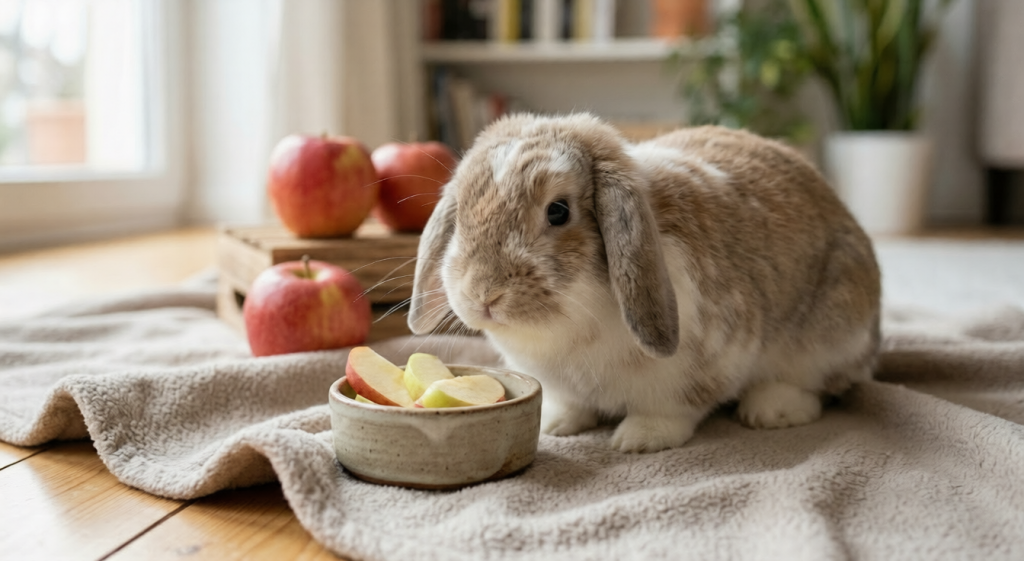
Yes, rabbits can eat apples, but they must be treated as a high-value reward rather than a dietary staple. Apples are packed with fiber, Vitamin A, and potassium, but their high sugar content can wreak such havoc on the hindgut that moderation is non-negotiable. To serve them safely, you must remove all seeds and the stem, as these contain toxic compounds that are far more dangerous to a small rabbit than a larger pet.
Domestic rabbits have evolved from wild ancestors that primarily consumed low-energy, high-fiber grasses. When we introduce a fructose-heavy fruit like an apple, we are essentially giving them a high-octane fuel that their system wasn’t designed to process in bulk. To learn more about building a foundational diet for your long-eared companions, check out my Rabbit Diet & Food Guides.
Core Nutritional Breakdown: Beyond the Sugar
Apples are often dismissed as “bunny candy,” but they do offer legitimate nutritional value if the portions are strictly controlled. The House Rabbit Society emphasizes that while fruit should be limited, the vitamins found in apples can support overall cellular health and hydration.
Micronutrients and Lagomorph Health
- Vitamin A: Critical for vision and maintaining healthy mucosal linings in the respiratory tract.
- Potassium: An essential mineral that aids in muscle function and maintains a steady heart rhythm.
- Pectin: A soluble fiber that supports gut motility, though it lacks the abrasive quality needed for dental wear.
- Antioxidants: Apples contain flavonoids and polyphenols that help reduce cellular inflammation.
While rabbits are efficient at synthesizing their own Vitamin C, the supplemental boost from a small apple slice can support the immune system during minor environmental stressors.
The Brix Gap: Variety and Acidity Comparison
One major gap in most generic rabbit advice is the failure to distinguish between apple varieties. Not all apples are created equal when it comes to fructose (Brix) and acidity levels. I always look for the “Brix rating”—a measure of sugar content in produce. High-sugar “club” varieties like Fuji or Gala are significantly more dangerous for the rabbit gut than tart varieties.
Variety Comparison for Rabbit Safety
| Variety | Sweetness (Brix) | Acidity (pH) | Researcher Recommendation |
| Granny Smith | Lower | Higher (Tart) | Best choice for weight management. |
| Honeycrisp | Moderate | Moderate | Acceptable occasionally. |
| Fuji / Gala | Very High | Lower | High fermentation risk; use sparingly. |
The Amygdalin Danger: Why Seeds are Lethal
Apple seeds contain amygdalin, a cyanogenic glycoside. When chewed and digested, it releases hydrogen cyanide (HCN). While a human might ignore a stray seed, the ASPCA Animal Poison Control warns that the threshold for cyanide toxicity in small mammals is remarkably low.
The (HCN) Interaction
Cyanide works by preventing the cells from using oxygen, leading to rapid respiratory failure. Because rabbits have a high metabolic rate, toxins hit the bloodstream with alarming speed.
Proper Preparation Protocol
- De-stemming: Remove the woody stem, which can be a choking hazard and contains trace toxins.
- Surgical Coring: Cut around the core entirely; never assume you’ve shaken all the seeds out.
- Slicing: Cut into small cubes or thin slivers to control portion size.
Hindgut Havoc: The Fermentation Trap
Rabbits are hindgut fermenters, meaning their cecal environment is a massive fermentation vat filled with specific bacteria. When a rabbit consumes too much fructose, it can cause a “bloom” of bad bacteria, such as Clostridium.
The Danger of Bloat and Dysbiosis
According to researchers at PetMD, this shift in PH can lead to gaseous bloat. Unlike humans, rabbits cannot easily expel gas, making bloat a life-threatening emergency.
Cecotropes and Sugar
Excessive sugar often leads to “poopy butt,” where the rabbit produces soft, unformed cecotropes. These are rich in nutrients, but if the rabbit doesn’t consume them because they are too sticky or smelly due to the apple’s sugar, they lose out on vital B-vitamins and proteins.
Portion Protocol: The Tablespoon Rule
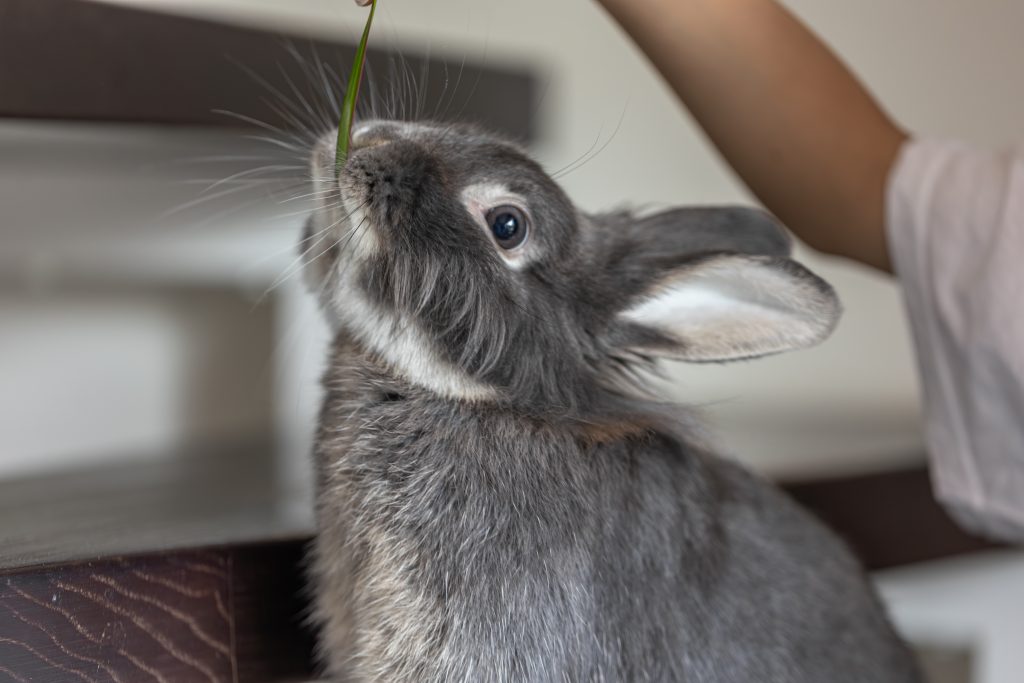
In my observations, I’ve found that even large breeds need strict limits. Fruit should never exceed 5% of the total diet. This aligns with the welfare standards suggested by the PDSA, which emphasize that hay must always remain the primary focus.
Measuring the Reward
A “portion” is not a whole apple. For a standard 5lb rabbit, a single thin wedge is more than enough for one day. I’ve noted that my rabbit Mocha, our more adventurous eater, tends to experience “mushy” cecotropes if she has even a small piece of a high-sugar Gala, proving that individual tolerance is key.
Daily Serving Limits by Rabbit Size
| Rabbit Size | Max Portion (Daily) | Visual Equivalent |
| Dwarf (2-4 lbs) | 10g | One thin sliver. |
| Medium (5-8 lbs) | 20g | One medium wedge. |
| Giant (10+ lbs) | 40g | Two thick wedges. |
Skin, Wax, and Pesticides
Commercial apples are often coated in a food-grade wax that traps pesticides. Because rabbits are highly sensitive to chemical residues, simply rinsing isn’t enough. The Merck Veterinary Manual notes that small herbivores can suffer neurotoxic effects from chemical levels humans wouldn’t notice.
Organic vs. Conventional
If you cannot source organic apples, peeling is the safest option. While the skin contains beneficial fiber, the risk of pesticide ingestion outweighs the nutritional gain in a conventional apple. If you keep the skin, use a mixture of water and apple cider vinegar to scrub the surface.
The “Windfall” Hazard: Fermentation in the Yard
If you have an apple tree, you face a unique seasonal hazard: the “Windfall” effect. When apples fall and sit on damp ground, they begin to ferment naturally.
Ethanol Poisoning in Rabbits
Ingesting fermented fruit can lead to ethanol poisoning. A “drunk” rabbit will appear disoriented, lethargic, and may experience a dangerous drop in body temperature. Always clear your yard of fallen fruit before letting your rabbits out for exercise to prevent accidental intoxication.
Developmental Timeline: The 6-Month Rule
A rabbit’s digestive system is incredibly fragile during the first few months of life. Introducing high-sugar fruits too early can cause fatal gut dysbiosis. To keep your pet safe, follow a strict introductory schedule. For more on age-appropriate snacks, see our 2026 Safe & Unsafe Fruit Guide.
Developmental Feeding Timeline
| Age Range | Apple Safety | Researcher’s Note |
| 0 – 12 Weeks | Toxic | Gut flora not yet established. |
| 3 – 6 Months | Extreme Caution | Tiny tastes only (kibble-sized). |
| 6 Months + | Safe Reward | Adult digestion reached; follow portion rules. |
High-Value Training: Using Apples for Reinforcement
Instead of putting a bowl of fruit in the hutch, use apples as a strategic tool for behavioral reinforcement. Because apples are highly motivating, they are the perfect reward for teaching your rabbit to “come” or to enter their carrier willingly.
The Psychology of the “Jackpot”
In my research, I’ve found that breaking a single safe portion into tiny, pea-sized bits increases the “reward frequency” without increasing the caloric load. Chino has mastered several agility tasks using this method, as the scent of a fresh apple slice is much more enticing than standard pellets. This hands-on monitoring ensures the treat remains a positive influence on behavior and gut health, a practice aligned with standards from the RSPCA.
Rabbit Nutrition Q&A: Seeds, Skins, and Stasis Prevention
- Q: Can rabbits eat apple tree branches and leaves?A: Yes! Apple wood is a safe, non-toxic wood that provides excellent dental wear. The leaves are also safe and contain much less sugar than the fruit itself.
- Q: Is apple skin safe for rabbits?A: It is the healthiest part due to the fiber, but as mentioned by VCA Animal Hospitals, it must be washed meticulously to remove wax.
- Q: My rabbit ate an apple seed; is it an emergency?A: A single seed is rarely fatal for a large rabbit, but you should monitor them for lethargy or difficulty breathing. If multiple seeds were consumed, contact a vet immediately.
- Q: Can I feed my rabbit dried apples?A: Only in tiny amounts. Dehydration concentrates the sugar content significantly, making it much easier to accidentally trigger a gas episode.
- Q: Are green apples better than red ones?A: Generally, yes. Their lower sugar and higher fiber content make them a slightly “safer” treat for weight management.
Conclusion
Apples are a fantastic way to bond with your rabbit, but they are a tool, not a meal. By prioritizing lower-sugar varieties, meticulously removing toxic seeds, and adhering to the “tablespoon” rule, you can provide a safe, enriching experience. Remember that 80% of their diet must remain high-quality hay; the apple is merely the “cherry on top” of a healthy, 2026 lifestyle.
Medical & Veterinary Disclaimer: PoodleReport.com is an informational resource for Poodle owners and enthusiasts. We are not veterinarians. The content on this website is not a substitute for professional veterinary care, diagnosis, or treatment. Always seek the advice of your veterinarian with any questions you may have regarding your pet’s medical condition, diet, or overall health.