
Disclaimer: The information provided on bunnyowners.com is for educational purposes only and does not constitute veterinary medical advice; always consult your vet before changing your dog’s diet. Additionally, this post contains affiliate links. As an Amazon Associate, and other affiliate advertising programs, I earn from qualifying purchases at no extra cost to you
Have you ever watched your rabbit approach a bowl of fresh greens with the focused intensity of a food critic? I’ve spent years investigating the nutritional requirements of rabbits to ensure your companions thrive. While hay remains the undisputed king of the diet, fresh vegetables provide the essential structured water and micronutrients that dry forage simply cannot match.
The best vegetables for rabbits are dark, leafy greens like Romaine lettuce, cilantro, and carrot tops, which should constitute roughly 75% of their daily fresh food intake. A healthy rabbit diet requires a rotation of at least three different greens daily to provide a broad nutrient profile and prevent the metabolic buildup of harmful oxalates. Avoid high-sugar options like carrots or fruit as daily staples, opting instead for low-calcium “Daily Drivers” that support gut motility and hydration.
My resident companions, Mocha and Chino, have helped me test these greens for both palatability and digestive stability, ensuring this guide is grounded in real-world behavior and clinical evidence. In this guide, we will unearth the clinical mechanics of rabbit digestion and provide a master list of 25+ safe options.
Quick-Glance Rabbit Vegetable Safety Matrix
Before we delve into the detailed botanical profiles, use this master matrix to categorize your grocery list. In 2026, we categorize rabbit nutrition based on Metabolic Loading—how much effort the rabbit’s system must exert to process the plant’s mineral and sugar content.
| Category | Typical Frequency | Primary Function | Example Breeds |
| Daily Drivers | Every Day | Hydration & Gut Motility | All Breeds |
| Moderate Rotation | 2-3x Weekly | Vitamin & Mineral Density | Senior & Growing Buns |
| Health Herbs | Daily Topper | Digestive & Mental Support | Selective Eaters |
| Treat Veggies | 1x Weekly | Caloric Rewards | Training Support |
| Toxic/Avoid | NEVER | Metabolic Poisoning | All Animals |
The Essential 25+: A Master List of Safe Greens
The following vegetables have been profiled for their specific fiber-to-moisture ratios and mineral content. I have categorized these into functional groups based on their metabolic impact.
- Carrot Tops (Daily Driver)
- Romaine Lettuce (Daily Driver)
- Red Leaf Lettuce (Daily Driver)
- Green Leaf Lettuce (Daily Driver)
- Endive (Daily Driver)
- Escarole (Daily Driver)
- Fennel (Daily Driver)
- Cilantro (Moderate Rotation)
- Parsley (Moderate Rotation)
- Bok Choy (Moderate Rotation)
- Watercress (Moderate Rotation)
- Radicchio (Moderate Rotation)
- Kale (Moderate Rotation)
- Carrots (Moderate Rotation – Occasional)
- Swiss Chard (Moderate Rotation)
- Arugula (Moderate Rotation)
- Dandelion Greens (Moderate Rotation)
- Mustard Greens (Moderate Rotation)
- Turnip Greens (Moderate Rotation)
- Radish Tops (Moderate Rotation)
- Basil (Health Herb)
- Dill (Health Herb)
- Mint (Health Herb)
- Oregano (Health Herb)
- Rosemary (Health Herb)
- Bell Peppers (Treat Veggie)
The Physiology of the Rabbit Gut
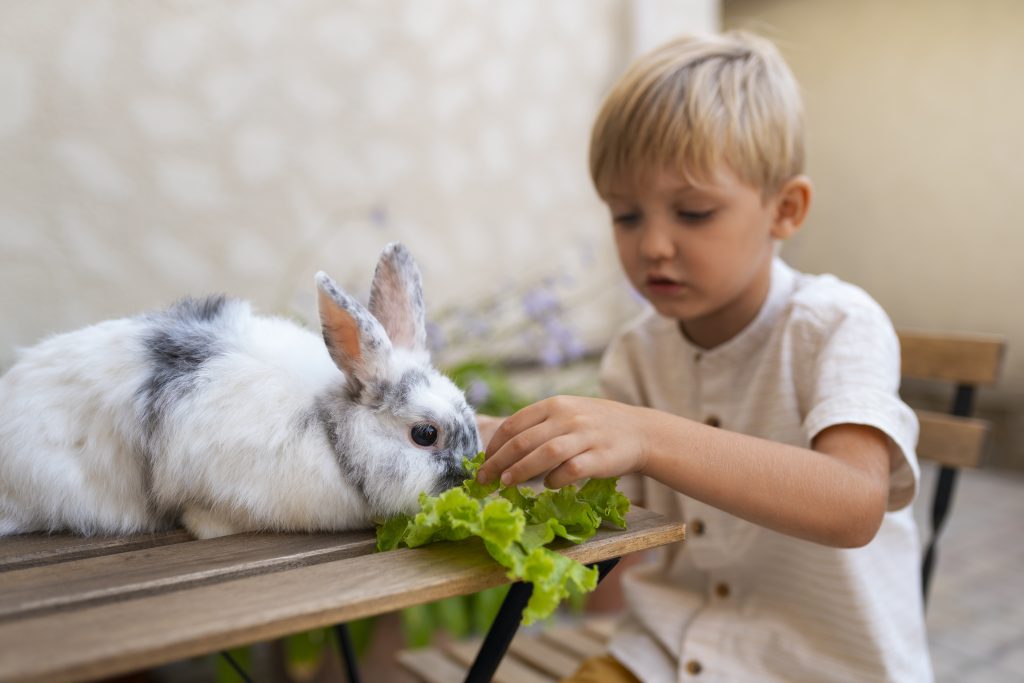
As a researcher investigating the mechanics of the lagomorph hindgut, I have observed that the primary failure in most domestic diets is a lack of intracellular hydration. Rabbits are “hindgut fermenters,” meaning their systems are optimized for processing high-fiber materials in the cecum. A common gap in pet advice is the failure to mention structured water—the water naturally held within plant cells.
Unlike bulk water from a bowl, structured water in leafy greens stays bound to fiber longer, ensuring it reaches the cecum to prevent impaction. This is vital for avoiding the dreaded GI Stasis, a primary concern highlighted by the Rabbit Welfare Association & Fund (RWAF).
While pellets are often fortified, the vitamins in fresh vegetables are significantly more bio-available. Treating vegetables as a biological requirement for hydration and enzymatic function, rather than just a treat, is the hallmark of a well-informed owner. According to the House Rabbit Society, a variety of greens ensures a full spectrum of minerals without overloading the kidneys.
While structured water from vegetables is a primary pillar of digestive health, it must work in tandem with high-quality forage and controlled pellets. To see how these elements create a balanced nutritional ecosystem, you can explore my complete research on rabbit diet and food.
Decoding the Salad Hierarchy: Groups A through D
Understanding how to categorize greens is the best way to keep a rabbit’s “cecal fermentation engine” running efficiently without causing metabolic stress. By organizing produce into functional groups, you can ensure the diet provides consistent hydration while avoiding mineral or sugar overloads. Here is the 2026 breakdown of how to structure the daily bowl for peak biological performance.
Group A: The Daily Drivers
These are the non-negotiable foundations of the diet. Group A vegetables are selected for their high structured water content and low levels of calcium and oxalates. They provide the necessary intracellular hydration to prevent GI Stasis, which remains a primary digestive crisis for domestic rabbits. Think of these as the “unlimited” greens that keep the hindgut moving 24/7.
Group B: The Moderate Rotation
Group B consists of nutrient-dense “boosters.” While they are packed with essential vitamins, they also carry higher concentrations of oxalates or calcium. Relying too heavily on these can lead to bladder sludge or kidney stones over time. To stay safe, rotate these items every 48 hours to provide a broad nutrient profile without causing a mineral “spill” in the urinary tract.
Group C: Health Herbs
Herbs are far more than a garnish; they are functional bio-stimulants. Group C items are rich in aromatic oils that encourage natural foraging behavior and support specific health needs. According to the House Rabbit Society, herbs like dill and mint can jumpstart a flagging appetite or soothe smooth muscle spasms in the digestive tract, making them vital for mental and physical enrichment.
Section D: The Nutrient Rewards
Section D is reserved for high-value treats that carry a significant glycemic load or specific nutritional properties. Vegetables like bell peppers provide a massive Vitamin C boost but must be strictly portioned to avoid cecal dysbiosis, an imbalance in the gut bacteria. These are the “desserts” of the vegetable world, ideal for positive reinforcement as outlined by Veterinary Partner and the PDSA.
Group A: The Daily Drivers (Foundation Vegetables)
These vegetables are the “safe base” of the diet. They are low in oxalates and calcium, making them suitable for everyday consumption.
1. Carrot Tops
In my research, carrot tops have emerged as the “Golden Staple.” Unlike the root, the greens are packed with potassium and chlorophyll without the sugar load. They provide a dense mineral profile that supports the high metabolic rate of active rabbits. They are rich in Vitamin K and folate, which support nerve function and blood health.
2. Romaine Lettuce
Romaine is the quintessential rabbit green. It offers a balanced fiber-to-water ratio that supports the continuous movement of the gut. It is rich in Vitamin A and lutein, which support ocular health. Avoid the pale “hearts” which are mostly water; stick to the dark green outer leaves which contain higher levels of chlorophyll for cellular repair.
3. Red Leaf Lettuce
Remarkably low in calcium, Red Leaf lettuce is one of the safest choices for rabbits prone to bladder sludge. Its soft texture makes it ideal for senior rabbits who may have decreased appetite for crunchy stalks. It contains anthocyanins—powerful antioxidants that protect the cardiovascular system and reduce gut inflammation.
4. Green Leaf Lettuce
Similar to its red cousin, Green Leaf lettuce provides exceptional hydration with very low caloric density. It is an excellent “filler” green that adds volume to the bowl without adding significant mineral risks. It contains significant amounts of Vitamin C and Vitamin K, helping maintain a healthy weight in less active rabbits.
5. Endive
A member of the chicory family, endive provides a “bitter” profile that mimics the wild forages rabbits evolved to consume. This bitterness is essential because it actively stimulates the production of digestive enzymes in the upper GI tract. It is exceptionally low in oxalates and safe for long-term daily feeding.
6. Escarole
Escarole is another chicory rich in inulin, a specific prebiotic fiber that feeds the beneficial bacteria in the rabbit’s cecum. It is a sturdy green that adds significant volume to a salad without adding excess calories. It supports a stable pH level in the hindgut, preventing the bloom of harmful bacteria.
7. Fennel
Fennel is unique because it contains anethole, a compound with anti-spasmodic properties. It is a proven method for preventing the painful gas build-up often caused by other vegetables. Both the bulb and the feathery fronds are safe; the fronds are particularly high in aromatic oils that stimulate foraging behavior and mental engagement.
Group B: Moderate Rotation (Nutrient Boosters)
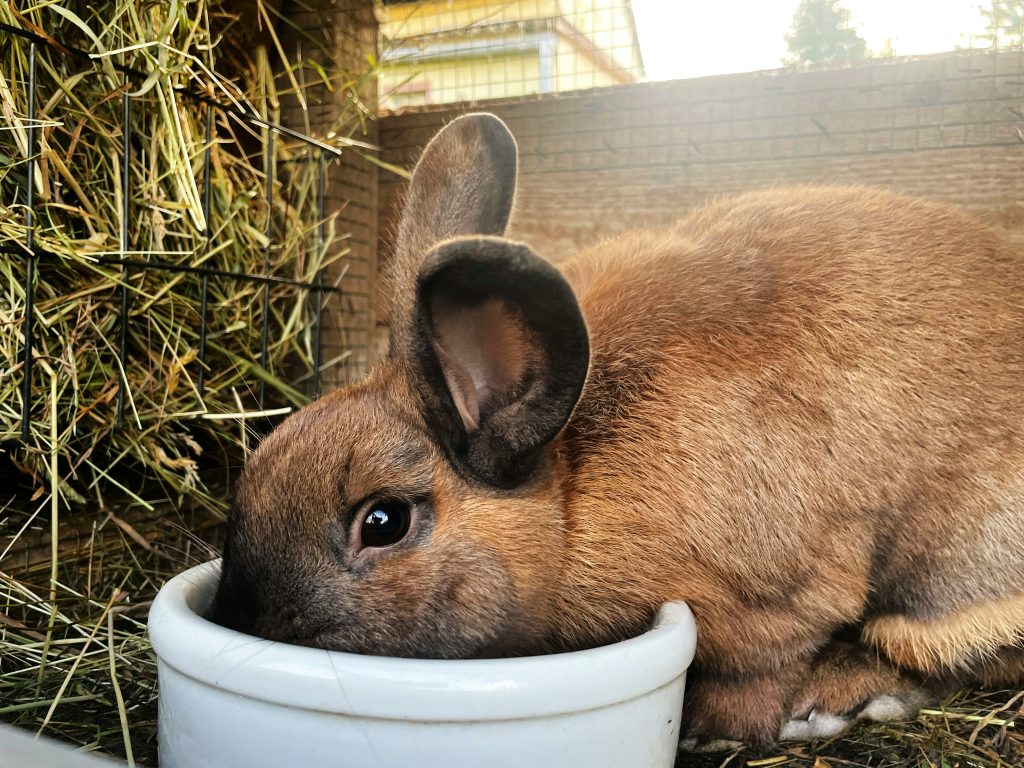
These items are nutrient-dense but should be rotated every 48 hours to prevent the buildup of specific minerals or oxalates.
8. Cilantro (Coriander)
Fragrant and high in Vitamin K, cilantro is essential for maintaining bone density. It is remarkably gentle on the digestive tract and contains trace amounts of iron and manganese. Iron is critical for maintaining energy levels, while manganese serves as a co-factor for metabolic enzymes.
9. Parsley
Parsley contains more Vitamin C by weight than oranges. While supplemental intake supports the immune system, it is high in oxalates (1.70g per 100g). It is rich in apigenin, a flavonoid with anti-inflammatory properties. Use this as a mixer only to prevent the formation of calcium-oxalate crystals in the kidneys.
10. Bok Choy
Lower in gas-producing sulfur compounds than broccoli, Bok Choy provides a satisfying “crunch” that helps with dental wear. It is a significant source of Vitamin B6 and folate, which are necessary for DNA synthesis. Introduce it slowly to monitor tolerance for cruciferous fiber.
11. Watercress
One of the most nutrient-dense greens available, Watercress contains phenylethyl isothiocyanate (PEITC), which supports cellular integrity. It is packed with more Vitamin K than kale and provides a peppery flavor that offers high-level antioxidants and mental stimulation for curious foragers.
12. Radicchio
Radicchio’s deep purple color indicates the presence of anthocyanins which support cardiovascular function. It contains lactucopicrin, which has mild sedative effects that can help calm an anxious rabbit. It stays fresh longer than most leafy greens, making it a reliable rotation staple.
13. Kale
Kale is a nutritional powerhouse high in Vitamin A and K, but its calcium profile is significant. It is rich in quercetin and kaempferol, two flavonoids that have anti-inflammatory effects. Overfeeding kale can lead to “calcium spill” in the urine, so it must remain a “guest star.”
14. Carrots (The Orange Root)
The orange root is high in sugar (sucrose and glucose), which can disrupt the cecal bacterial balance. While famous for beta-carotene, carrots are a “sugar bomb” for rabbits. Use only a few thin slices twice a week to avoid obesity and dental decay.
15. Swiss Chard
Chard is rich in Vitamin E and magnesium. Vitamin E protects cell membranes from oxidative damage. However, like spinach, it is very high in oxalates. It should be fed only once or twice a week to keep the kidneys functioning at peak performance without mineral stress.
16. Arugula
Arugula is a peppery green rich in Vitamin K and folate. It contains glucosinolates, which support metabolic health. Its strong scent can encourage picky eaters to engage with their food. It is a low-calorie way to add high-potency antioxidants to a meal.
17. Dandelion Greens
Dandelion is a powerhouse diuretic excellent for flushing kidneys but very high in calcium. For adult rabbits, use them sparingly (once a week) to avoid bladder sludge. For growing kits, they are an excellent source of the calcium needed for bone development.
18. Mustard Greens
Mustard greens are high in Vitamin A and sulfur-containing compounds. They contain glucosinolates which convert into anti-inflammatory isothiocyanates. Because they are goitrogenic, they must be part of a diverse rotation to avoid thyroid disruption.
19. Turnip Greens
Turnip greens are exceptionally high in Vitamin A and calcium. They support the health of the skin and coat and contain significant amounts of lutein. They should be limited to avoid placing a heavy burden on the rabbit’s renal filtration system.
20. Radish Tops
Radish tops have a unique “fuzzy” texture that many rabbits find engaging. They are safe and nutrient-dense, providing high levels of Vitamin C. They are a natural source of iron and magnesium, though their peppery profile requires a slow introduction.
Group C: Health Herbs (Therapeutic Salad Toppers)
21. Basil
Basil provides mild anti-inflammatory properties through antioxidants like orientin and vicenin. It is exceptionally safe for daily feeding and contains high levels of magnesium, which supports muscle relaxation and helps reduce environmental stress.
22. Dill
Dill is incredibly helpful for rabbits who are feeling slightly lethargic. Its strong scent is a proven method to jumpstart a flagging appetite. It contains monoterpenes, which may help inhibit the growth of harmful gut bacteria.
23. Mint
Mint is fantastic for soothing the GI tract. Most rabbits find the scent irresistible, and it provides a calorie-light way to add variety. Peppermint specifically has been noted for its ability to relax the smooth muscles of the digestive tract.
24. Oregano
Used sparingly, Oregano offers potent antimicrobial properties through compounds like carvacrol and thymol. It acts as a natural booster for the immune system. A few leaves scattered over the greens once a week is sufficient for a therapeutic effect.
25. Rosemary
Rosemary is high in fiber and contains rosmarinic acid, which has antioxidant effects. Its woody stems provide a different chewing experience that supports dental health and provides mental stimulation for senior bunnies.
Group D: The Nutrient Rewards (Treat Veggies)
26. Bell Peppers
Bell peppers are a “clean” hydration source, providing a high-potency Vitamin C boost without the oxalate risks found in leafy greens. While red varieties are the most nutrient-dense, their higher sugar content requires a strict limit of 1–2 one-inch squares per week to preserve a 2:1 calcium-to-phosphorus ratio. For safety, you should meticulously remove all seeds—which are choking hazards containing irritating alkaloids—and strip the internal white membranes so the rabbit consumes only the fiber-rich, antioxidant-heavy flesh.
How Much Vegetables Should Rabbits Eat?
Overfeeding can lead to obesity or a reduction in vital hay consumption. I’ve found that consistency in volume is the key to stable droppings. The gold standard for portioning is 1 packed cup of greens per 2 lbs (0.9 kg) of body weight. Split this into two feedings to maintain steady glucose levels.
The Daily Serving Calculator
| Rabbit Weight (lbs) | Daily Total (Cups) | Daily Total (Grams) | Example Breeds |
| 2 – 3 lbs | 1 to 1.5 Cups | 75g – 110g | Netherland Dwarf, Polish |
| 4 – 5 lbs | 2 to 2.5 Cups | 150g – 185g | Holland Lop, Mini Rex |
| 6 – 8 lbs | 3 to 4 Cups | 225g – 300g | English Spot, Dutch |
| 9 – 11 lbs | 4.5 to 5.5 Cups | 330g – 410g | New Zealand, Rex |
| 12+ lbs | 6+ Cups | 450g+ | Flemish Giant, French Lop |
The Science of the Calcium-to-Phosphorus Ratio
As a researcher of rabbit health, I have observed that maintaining the correct mineral balance is the single most effective way to avoid surgical interventions for bladder stones. For a rabbit’s renal system to function correctly, the ideal ratio should be:
Ideal Ratio = 2:1 (Calcium to Phosphorus)
If the diet is consistently heavy in high-phosphorus foods (like some grains or seeds) without adequate calcium-balanced greens, the body will deposit minerals in the bladder, leading to “sludge.” This balance is why we prioritize dark, leafy greens over root vegetables. According to Veterinary Partner, this condition is often preventable through precise dietary rotation.
Nutritional Composition Feed Guide
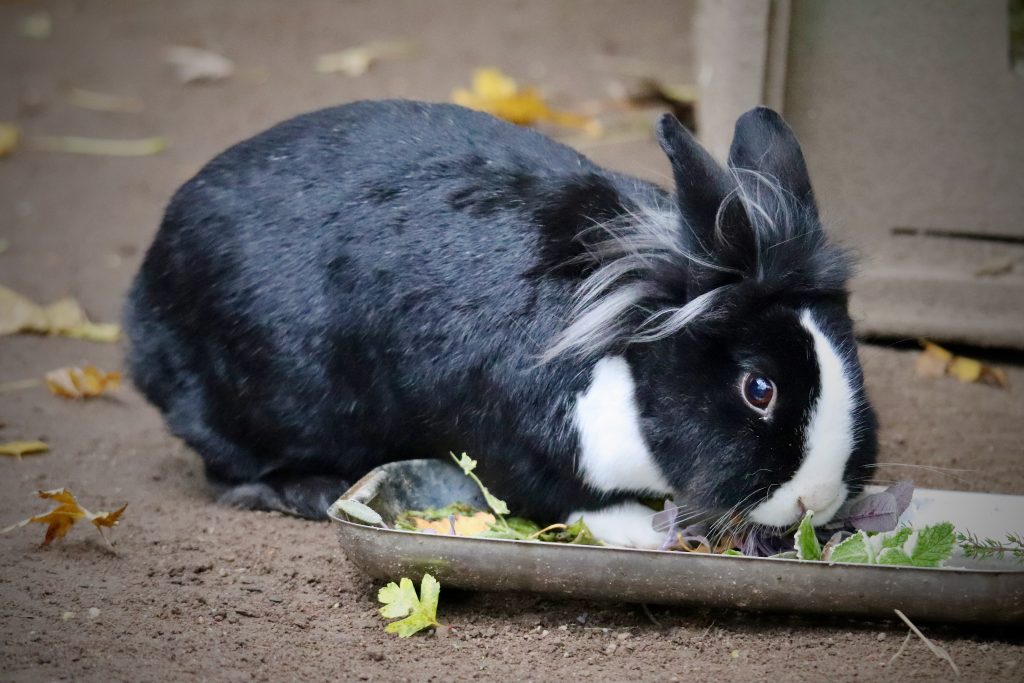
To manage the “Bunny Buffet” effectively, use this table to balance your daily and weekly rotations.
| Vegetable | Primary Benefit | Oxalate Level | Calcium Level | Recommended Frequency |
| Romaine | Structured Water | Low | Low | Daily |
| Carrot Tops | Fiber/Minerals | Low | Moderate | Daily |
| Cilantro | Digestive Support | Low | Low | Daily |
| Parsley | Vitamin C/Immunity | High | Moderate | 2-3x Weekly |
| Kale | Vitamin A/K | Moderate | High | 1-2x Weekly |
| Basil | Anti-inflammatory | Low | Moderate | Daily |
| Endive | Low Oxalate Base | Low | Low | Daily |
Oxalate and Calcium Risk Matrix
Use this matrix to plan your weekly grocery trip and ensure you aren’t over-stacking mineral risks.
| High Oxalate (Limit These) | High Calcium (Limit These) | Safe “Daily Drivers” (Base) |
| Spinach | Dandelion Greens | Romaine Lettuce |
| Beet Greens | Turnip Greens | Carrot Tops |
| Swiss Chard | Mustard Greens | Cilantro |
| Parsley | Kale | Endive / Escarole |
Transitioning: The “Postage Stamp” Protocol
You cannot simply switch a rabbit’s diet overnight. Their gut flora is highly specialized and requires time to adapt to new enzymes. When introducing new variety, we follow a strict 14-day protocol: offer a piece no larger than a postage stamp, wait 24 hours to monitor fecal output, and then increase slowly. This prevents Enterotoxemia, a life-threatening bacterial imbalance described in the Merck Veterinary Manual.
Monitoring Output as Data
The most important data point for a rabbit owner is their poop. Small, dry, or misshapen droppings after a new vegetable introduction are an immediate signal that the gut bacteria are struggling. If you notice a “string of pearls” (droppings connected by hair), it is a sign that the rabbit needs more hydration from leafy greens and more fiber from hay. Monitoring output allows you to adjust the “Daily Driver” volume before a full GI slowdown occurs.
Warning Signs: Clinical Signs of Distress
Certain vegetables contain pigments called porphyrins that can turn urine a rusty red or bright orange. If the rabbit is acting normal, this is usually just a colorful metabolic byproduct. True blood usually appears as distinct, bright red spots rather than a uniform tint throughout the urine.
Seek veterinary care immediately if you notice a complete lack of fecal production for more than 6-8 hours. Additionally, a “hunched” posture often indicates gas pain. Loud, rhythmic grinding (distinct from a happy “purr”) indicates significant pain, as noted in the VCA Animal Hospitals protocols.
Pitfalls to Avoid When Feeding Vegetables
While investigating domestic rabbit trends, I’ve identified several “Red Flag” behaviors that frequently lead to medical intervention.
The “Bugs Bunny” Fallacy
The single biggest mistake is overfeeding carrots. In popular media, carrots are a staple; in biology, they are a dessert. Daily feeding of the orange root leads to obesity, cecal dysbiosis, and severe dental decay. Always prioritize the Carrot Tops over the root.
Cold Shock and Surface Moisture
Serving vegetables straight from the refrigerator can cause “cold shock” to the GI tract. Furthermore, “dripping wet” greens can ferment in the stomach before they are properly digested, leading to life-threatening bloat. Always use a salad spinner and allow greens to reach room temperature.
The “Spring Mix” Trap
Many owners rely on store-bought “Spring Mix.” While convenient, these mixes often stack high-oxalate greens like spinach and chard. If you don’t pick these out, your rabbit is at risk for kidney stones. Use these mixes only as a base and supplement with “Daily Drivers.”
Forbidden Foods & Toxic Look-Alikes

In the landscape of 2026 rabbit husbandry, identifying “culinary landmines” is just as critical as selecting the right leafy greens. While many of the items in the chart below appear in outdated pet store guides or generic clip-art, they are biologically incompatible with a rabbit’s sensitive hindgut. Avoiding these isn’t just a preference—it’s a metabolic necessity for preventing acute toxicity or mechanical blockages.
| Food Item | Primary Toxic Component | Potential Physiological Outcome |
| Iceberg Lettuce | Lactucarium | Acute Diarrhea & Sedative Toxicity |
| Onions / Garlic | Thiosulphate | Hemolytic Anemia (Blood Destruction) |
| Rhubarb | High Oxalic Acid | Kidney Failure & Neurological Distress |
| Fruit Seeds / Pits | Cyanogenic Glycosides | Acute Cyanide Poisoning |
| Corn Kernels | Indigestible Pericarp | Fatal GI Blockage (Impaction) |
| Avocado | Persin | Cardiac Arrhythmia & Fluid Buildup |
The Chemistry of Metabolic Failure
The danger of these forbidden foods often lies in their cumulative or mechanical impact rather than an immediate reaction. For example, Alliums (onions and garlic) do not simply cause digestive upset; they contain thiosulphate, which triggers oxidative damage to red blood cells. This leads to Hemolytic Anemia, where the rabbit’s blood loses its capacity to carry oxygen to vital organs.
According to the Merck Veterinary Manual, this process is often silent until the rabbit becomes severely lethargic. Similarly, the Lactucarium found in iceberg lettuce acts as a mild sedative on the nervous system while providing zero nutritional value, often leading to “watery bloat” and gut slowdowns.
Preparation: The Triple-Wash Protocol
Even “Organic” produce can carry botanical pesticides or bacteria like E. coli. I recommend a triple-wash in cold water to ensure no pathogens irritate sensitive mucous membranes. Using a salad spinner is an owner-approved method to remove excess surface water while maintaining the integrity of the structured water within the leaf. Always serve at room temperature; serving straight from the refrigerator can cause “cold shock” to the GI tract.
FAQ: Master the Bunny Buffet
Based on the latest 2026 nutritional standards for rabbits, these five questions address the most critical concerns for maintaining a healthy rabbit diet.
Is it safe to provide a fresh salad to my rabbit every single day?
Providing a daily selection of leafy greens is a biological requirement for maintaining a healthy rabbit lifespan. From a clinical perspective, we prioritize structured water—the hydration found naturally within plant cells—to maintain consistent gut motility. Unlike bulk water from a bowl, structured water stays bound to plant fiber longer, ensuring it reaches the cecum to prevent the dry-gut conditions that trigger GI Stasis. According to the House Rabbit Society, a daily serving of greens is the most effective defense against digestive slowdowns. Just ensure the majority of the bowl consists of “Daily Drivers” like Romaine or Carrot Tops to keep the mineral balance stable.
18.2 Why is Iceberg lettuce specifically listed as a forbidden food?
Iceberg lettuce is essentially a nutritional void that carries a significant chemical risk. It contains lactucarium, a milky sap that has sedative properties capable of slowing a rabbit’s heart rate and gut motility to dangerous levels. Furthermore, its 96% water content often leads to watery diarrhea in sensitive subjects, which can quickly lead to dehydration. As noted by the Rabbit Welfare Association & Fund (RWAF), any lettuce with a pale, white center should be viewed as a metabolic hazard rather than a food source.
How many different types of vegetables should be included in one meal?
The current gold standard is the “Rule of Three.” Providing at least three distinct types of greens at each feeding ensures a broad spectrum of micronutrients and prevents any single mineral—like the calcium found in kale or the oxalates in parsley—from reaching a toxic threshold in the blood. This variety also serves as a critical cognitive enrichment tool, keeping a rabbit’s mind engaged through a diversity of scents, textures, and flavors. For more on the importance of variety, refer to the VCA Animal Hospitals dietary protocols.
Why does my rabbit occasionally get gas after eating certain vegetables?
Gas is typically the result of “Metabolic Shock” caused by cruciferous vegetables (members of the cabbage family) fermenting too rapidly in the hindgut. To mitigate this, always include Fennel in your rotation. Fennel contains anethole, a compound that acts as a natural anti-spasmodic for the gut, helping to move gas bubbles through the system. If you notice a “hunched” posture or a refusal to move, consult the Merck Veterinary Manual for signs of abdominal distress before the condition escalates.
What should I do if my rabbit suddenly refuses to eat their greens?
If a rabbit is otherwise healthy, they may simply be a selective eater. Try using Dill or Cilantro as a salad topper; the intense aromatic oils in these herbs act as natural appetite stimulants. However, a sudden refusal of fresh food is often the first clinical sign of GI Stasis, especially if accompanied by a lack of interest in hay. Contact a rabbit-savvy vet immediately if your rabbit refuses food for more than 6 hours, as documented by PDSA. Early intervention is key to restarting the “cecal fermentation engine.”
Conclusion
Developing a robust vegetable rotation is about honoring your rabbit’s complex physiology. By focusing on “Daily Drivers” like carrot tops, managing the Ca:P ratio, and respecting the strict limits of fruit, you can significantly extend your rabbit’s healthy lifespan. Remember, a rabbit’s gut is a finely tuned machine—keep it hydrated with structured water, keep it moving with fiber, and always monitor the “output.” Your rabbit’s longevity is built one leafy green at a time.
Medical & Veterinary Disclaimer: bunnyowners.com is an informational resource for rabbit owners and enthusiasts. We are not veterinarians. The content on this website is not a substitute for professional veterinary care, diagnosis, or treatment. Always seek the advice of your veterinarian with any questions you may have regarding your pet’s medical condition, diet, or overall health.